
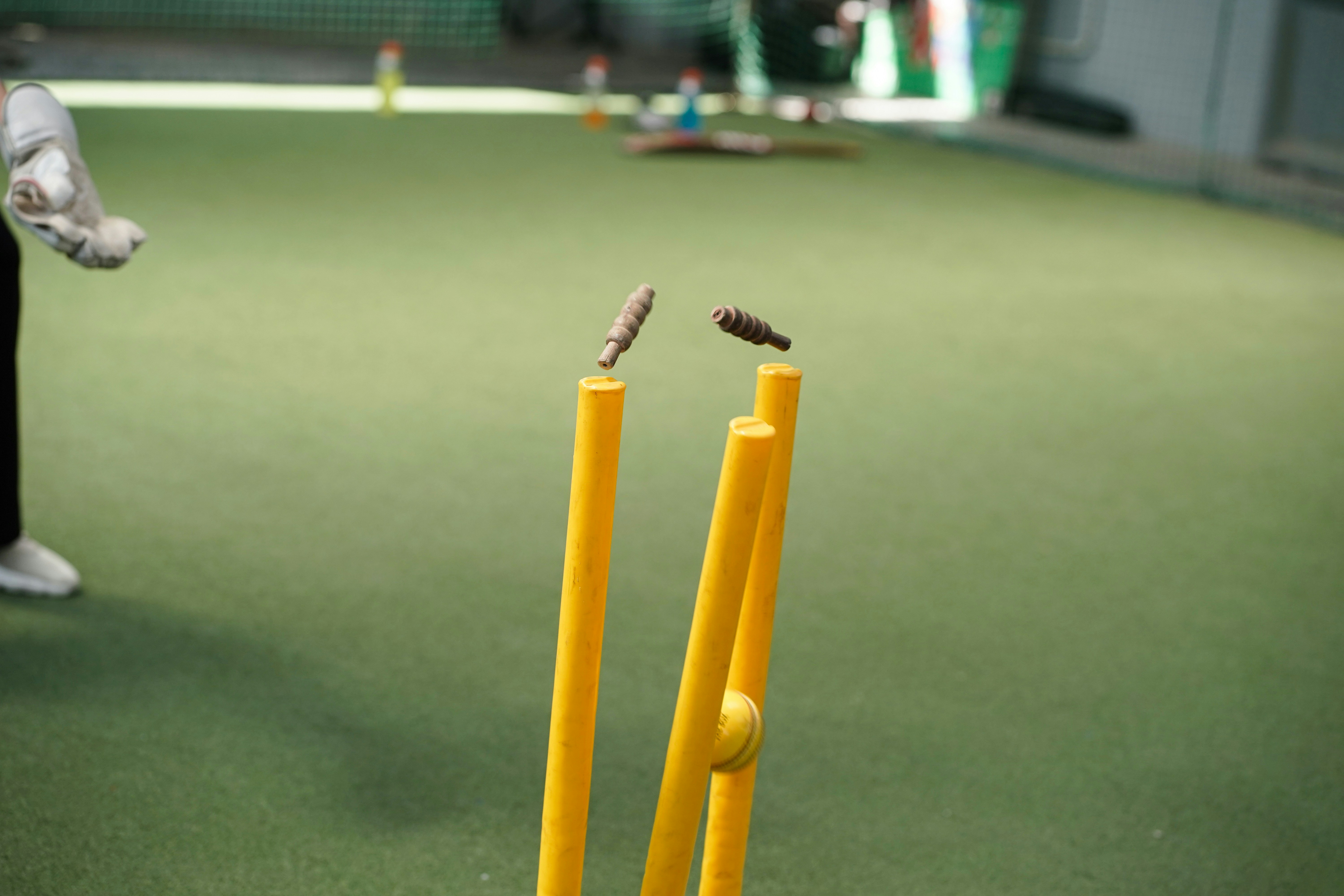
Cricket is no longer confined to seasonal training or limited to outdoor turf. In recent years, indoor cricket has emerged as a powerful alternative—providing consistent, safe, and dynamic environments for players to train regardless of weather or location. From beginners refining their fundamentals to seasoned athletes pushing for elite performance, indoor cricket benefits everyone by ensuring year-round access to structured training.
This blog dives deep into the growing trend of indoor cricket in 2025. We’ll explore the benefits it offers in terms of skill improvement, physical fitness, mental resilience, cost efficiency, and accessibility. You’ll also discover how technology, innovation, and inclusive practices have made indoor cricket a central part of modern training ecosystems.
The Growing Popularity of Indoor Cricket
Indoor cricket isn’t just a backup plan—it’s a training revolution. Built for reliability and intensity, indoor cricket venues are now present in urban centers, schools, universities, and even in corporate complexes. They are fully equipped with synthetic pitches, high ceilings, safety nets, and intelligent lighting systems.
These spaces simulate real-match conditions while eliminating the biggest hurdle for cricketers: weather dependency. Whether it’s monsoon season in India or winter in England, indoor cricket benefits players with uninterrupted practice.
Why Indoor Cricket Works All Year Long
1. Weather-Proof Practice
Rain, heatwaves, poor light, or pitch damage are no longer excuses. Indoor cricket allows players to practice consistently every week. With climate-controlled environments, you don’t need to worry about cancelled sessions or rescheduling due to unexpected conditions.
2. Controlled Playing Conditions
Indoor cricket courts ensure the same level of bounce, grip, and pace every time. This allows players to focus solely on improving skills rather than adjusting to unpredictable surfaces. Over time, this consistency builds sharper muscle memory and better technique.
3. Extended Play Hours
Due to artificial lighting and no daylight dependency, practice sessions can be held early morning, late evening, or even late at night. This flexibility allows players to train around school, college, or work commitments.
Core Indoor Cricket Benefits by Skill Area
Batting
- Improves reflexes and reaction time
- Enhances footwork in compact spaces
- Encourages quick shot selection
- Reduces fear of variable bounce
- Simulates fast bowling in confined setups
Bowling
- Reinforces accuracy over speed
- Boosts variations in spin and seam
- Allows more deliveries per hour
- Enables instant feedback through video
- Helps maintain bowling rhythm off-season
Fielding
- Builds explosive movement and agility
- Sharpens response to ricochets and rebounds
- Improves hand-eye coordination
- Enhances communication in small-team formats
- Boosts run-out precision and catching

Mental and Physical Benefits of Indoor Cricket
Improves Focus and Decision-Making
The game is much faster indoors. Players have seconds—or less—to react. This rapid pace trains the brain to make smart decisions under pressure, mimicking clutch moments in outdoor matches.
Encourages Discipline and Routine
With regular practice slots and structured sessions, indoor cricket encourages players to build routines. This consistency is a core part of athletic development.
Keeps You Match-Ready
Unlike offseason slumps, indoor cricket benefits players by keeping them in rhythm year-round. Whether it’s a local tournament or a national trial, you stay prepared.
Supports Injury Recovery
Indoor venues typically use shock-absorbing flooring. This reduces stress on joints, making it an ideal training setup for players recovering from injury or undergoing physiotherapy.
Indoor Cricket and Technology Integration
In 2025, training is smarter. Many indoor facilities are equipped with motion sensors, ball tracking, AI feedback systems, and real-time performance dashboards.
- Batting Analysis: Detects bat speed, backlift, and sweet spot contact
- Bowling Metrics: Measures speed, line, and spin revolutions
- Fielding Tracking: Evaluates range, reaction time, and throw accuracy
- Video Replay: Captures every session for post-match review
These advancements bring a level of professional feedback to grassroots training—an advantage that was once exclusive to elite cricketers.
Structured Training Programs
Many indoor cricket academies now offer:
- Personalized one-on-one coaching
- Age-specific and skill-specific group training
- Weekend match simulations
- Women’s and youth-only sessions
- Cross-training for fitness and injury prevention
These programs ensure focused development across all cricketing dimensions—technical, tactical, physical, and mental.
Indoor Cricket Leagues and Competitive Exposure
Apart from practice, indoor cricket also offers short-format leagues—5-a-side, 6-a-side, or club tournaments. These matches are:
- Fast-paced and high-scoring
- Ideal for fitness and reaction training
- Great for role experimentation (finisher, anchor, all-rounder)
- Played in seasons when outdoor matches are halted
Many talent scouts are now attending indoor matches to spot raw talent during the off-season.
Indoor Cricket Benefits for Youth and Beginners
For children, indoor cricket provides a safe, enjoyable, and engaging environment. With soft balls, compact areas, and simplified rules, kids can learn skills in a controlled setting.
- Promotes teamwork and social development
- Builds basic athleticism and body coordination
- Boosts self-confidence through guided drills
- Reduces injury risk with padded infrastructure
It also helps parents and schools keep children active during holidays, monsoon breaks, or exams.
Indoor Cricket for Women’s Cricket Development
Indoor cricket has become a major driver for women’s cricket in recent years. With increasing participation, indoor leagues now host:
- Women-only training programs
- All-women tournaments and skill camps
- Mixed-gender training for collaborative learning
- Scholarship opportunities for female athletes
This inclusion has significantly boosted confidence and visibility for aspiring women cricketers.
Cost-Effective and Efficient
While outdoor cricket may demand travel, maintenance, and time-based weather delays, indoor cricket simplifies it all.
- No pitch repair costs
- Zero cancellations or wasted sessions
- Access to facilities with bowling machines, screens, and nets
- Packages for monthly or quarterly memberships
Over time, indoor cricket proves to be more affordable, especially for consistent learners.
Indoor Cricket Builds Community and Culture
Cricket isn’t just about playing—it’s also about camaraderie and connection. Indoor cricket venues often host:
- Community coaching clinics
- Weekend fun leagues for families
- Corporate tournaments
- Parent-child coaching days
This strengthens the social fabric around cricket and makes the sport accessible to people from all walks of life.
Safety Comes First
Indoor cricket is safer than many outdoor alternatives due to:
- Padded walls and surfaces
- Shorter boundary distances (reduces high-speed impact)
- Proper lighting to avoid mishits or slips
- Constant supervision and first-aid availability
For players recovering from injuries or returning from a long layoff, indoor practice offers a gentle transition.
Strategic and Tactical Development
In a small playing area, shot placement, timing, and decision-making become paramount. This sharpens cricket IQ, helping players:
- Understand gaps and angles
- Analyze field setups more quickly
- Adapt batting styles to suit conditions
- Use bowling variations with intent
Players who excel indoors often carry this sharpness to their outdoor matches.
A Week in Indoor Cricket – Sample Training Plan
| Day | Focus Area | Description |
|---|---|---|
| Monday | Batting Drill Day | Front-foot drives, pull shots, sweep practice |
| Tuesday | Bowling Mechanics | Arm action, seam grip, yorkers, slower balls |
| Wednesday | Fielding Reaction | Slips, throws, run-outs, pickups |
| Thursday | Fitness + Cardio | Shuttle runs, agility ladders, core strength |
| Friday | Simulated Match Practice | Mixed teams with game scenarios |
| Saturday | Recovery + Review | Video analysis and performance feedback |
| Sunday | Competitive Match | Indoor league game or friendly |
Indoor Cricket Is Not a Replacement—It’s a Reinforcement
Indoor cricket is not about replacing traditional cricket. Instead, it complements it by offering an uninterrupted, efficient, and safe environment to build consistency and enhance core skills. Many national players and professionals now dedicate off-seasons to indoor practice to stay in peak shape.
Conclusion
The indoor cricket benefits are undeniable. It offers consistency, safety, enhanced learning, and year-round access to professional-level training—all in one place. Whether you’re an aspiring cricketer, a parent, a coach, or even a casual enthusiast, indoor cricket brings value to your game.
In a time when adaptability defines sporting success, integrating indoor cricket into your regular training can be the difference between potential and performance. Embrace it, train smarter, and unlock your true cricketing potential—rain or shine.
Sources and References
- World Indoor Cricket Federation
- Indoor Cricket World
- Sportplan Cricket
- Cricket Australia Indoor Pathways
- Fitness Guidelines by WHO
- Times of India – Women’s Cricket
- Criconet
- Fulltrack AI
- Data.gov Cricket Reports
About The Author


