
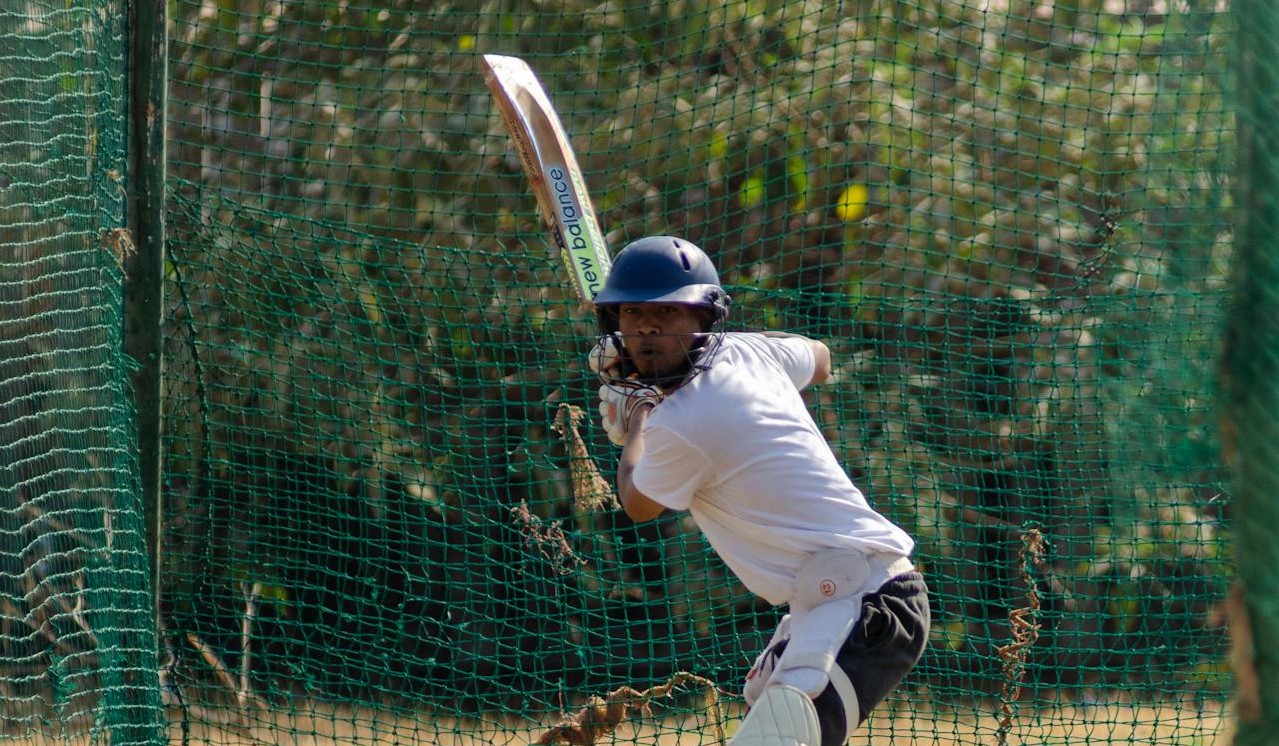
Pressure doesn’t just come from the scoreboard. It comes from expectations—fans, teammates, the media, and even yourself. Whether you’re walking into the final over of a tight T20 match or starting day five of a Test needing to survive a session, your mental preparation is just as important as your batting average or bowling speed.
Top-level cricketers don’t just train physically. They train mentally—because high-stakes performance depends on clarity, focus, and control.
This article breaks down proven mental preparation strategies to help cricketers at every level stay sharp, composed, and effective when it matters most.
Why Mental Preparation Matters in Cricket
Cricket is a unique sport. It’s long, unpredictable, and psychologically taxing.
- Matches last hours or even days.
- You spend more time waiting than playing.
- One mistake can define the outcome.
In high-pressure scenarios, physiological stress spikes. A 2021 study showed that athletes under pressure experience increased heart rate, reduced working memory, and impaired decision-making.
Without mental readiness, even elite players crumble. But the good news? Mental toughness is trainable.
1. Pre-Match Visualization
Visualization isn’t abstract. It’s a high-performance tool used by athletes across sports.
- Steve Smith visualizes bowlers’ deliveries the night before a match.
- Virat Kohli has spoken openly about imagining various scenarios and crafting mental game plans.
How to Practice It:
- Set aside 10 minutes before bed.
- Picture the ground, the pitch, and your role.
- Mentally rehearse high-pressure situations: final over, tough bowler, chasing a total.
This primes your brain for execution. Research shows visualization activates the same neural pathways as physical practice.

2. Routine Building: The Power of Consistency
Elite cricketers use strict pre-game and in-game routines.
Why?
- Routines reduce anxiety.
- They focus attention on controllables.
- They create rhythm and muscle memory.
Examples from the Game:
- MS Dhoni’s glove-checking habit before every delivery.
- Rahul Dravid’s measured breathing before taking guard.
Build Your Own Routine:
- Pre-match: same warm-up drills, hydration timing, and kit arrangement.
- In-play: consistent breathing patterns, mental reset rituals after each delivery.
The routine becomes a mental anchor when chaos hits.
3. Breathing Control and Heart Rate Management
Cricket’s stop-start nature amplifies stress.
Controlling your breath lowers heart rate and sharpens focus.
Try Box Breathing:
Used by Navy SEALs and Olympic athletes.
- Inhale for 4 seconds.
- Hold for 4 seconds.
- Exhale for 4 seconds.
- Hold for 4 seconds.
Repeat for 1–2 minutes. This technique can be used before walking in to bat, bowling the final over, or even between deliveries. Research shows it improves cognitive control and reduces cortisol levels.
4. Developing a Match-Day Mindset: Detachment from Outcome
Pressure spikes when your self-worth is tied to performance.
Cricketers who stay mentally stable in crunch situations focus on process, not outcome.
What That Looks Like:
- Instead of “I must score 50+,” think “I’ll commit to my shot selection process.”
- Instead of “I can’t get out,” think “Each ball deserves 100% focus.”
This detachment enhances flow, reduces anxiety, and builds resilience.
5. Coping with Failure: Mental Recovery Between Matches
Even the greats fail.
- Sachin Tendulkar was dismissed for a duck 34 times in international cricket.
- Ben Stokes had to mentally bounce back from the 2016 T20 World Cup final.
Mental preparation includes bounce-back ability.
Recovery Checklist:
- Reflect objectively: What went wrong? What’s controllable?
- Avoid emotional spirals: Replace self-criticism with factual review.
- Set short-term training goals before the next game.
This approach, known as cognitive reappraisal, helps reframe failure into growth.
6. Self-Talk and Inner Dialogue
Your mind doesn’t shut up under pressure—it gets louder.
Use that to your advantage.
Positive Self-Talk in Action:
- “You’ve faced this bowler before.”
- “You’ve hit that shot in the nets.”
- “One ball at a time.”
Research indicates athletes who practice guided self-talk show better performance under pressure.
But make it personal. Generic affirmations won’t work. Use language that matches your tone and confidence.
7. Role of Sports Psychologists
Many international teams now employ full-time sports psychologists.
- The England Cricket Board (ECB) integrates mental coaching into all age levels.
- Australia’s cricket team openly collaborates with mental health professionals.
These experts help players:
- Set performance goals.
- Manage performance anxiety.
- Improve concentration.
- Handle media and public scrutiny.
If you’re a club or domestic-level player, online consultations or sports psychology workshops can be a game-changer.
8. Mindfulness and Meditation
Mindfulness is about awareness—being fully present, without judgment.
You can’t control the crowd, pitch conditions, or the umpire. You can control your attention.
Start Simple:
- Use guided meditation apps.
- Commit to 5 minutes daily.
- Observe your thoughts, don’t chase or block them.
A 2022 study showed athletes who practiced mindfulness improved their in-game focus and decision accuracy.
9. Sleep and Nutrition: Non-Negotiable for Mental Sharpness
Cricketers often overlook the connection between the body and brain.
- Sleep deprivation affects reaction time, judgment, and mood.
- Poor nutrition leads to energy crashes and mood swings.
High-Pressure Game Preparation:
- Sleep: Minimum 7.5 hours the night before a match.
- Nutrition: Eat complex carbs, lean proteins, and hydrate steadily.
Global health guidelines recommend athletes follow strict sleep hygiene and a balanced diet for optimal cognitive output.
10. Match Simulations and Pressure Drills
You can’t simulate a World Cup final in practice—but you can create conditions that mimic pressure.
Examples:
- Last-over chase scenarios in nets.
- Timed bowling drills with run penalties.
- Crowd noise playback during indoor sessions.
These exercises condition your brain to stay sharp under external pressure. Coaches should incorporate psychological variability—not just skill drills.
11. Role Clarity and Communication
Uncertainty fuels anxiety. Teams that perform well under pressure communicate clearly and assign roles tightly.
What That Looks Like:
- Know your position, your job, and expectations.
- Establish short, sharp on-field communication.
- Use signals and mental cues to reset focus.
This reduces mental clutter and aligns team energy toward execution.
12. Journaling Performance Thoughts
Writing thoughts down is a high-performance habit.
- Helps unload mental clutter.
- Reinforces learning.
- Creates a feedback loop.
Try This After Every Match:
- What did I do well?
- What did I struggle with mentally?
- What can I improve next time?
Use a dedicated notebook. Keep it honest and simple. Over time, this builds your personal mental playbook.
Mental Preparation: A Non-Negotiable Skill
Cricket isn’t just played with bat and ball. It’s played between the ears.
Mental preparation separates the great from the average, especially when the game’s on the line. If you’re serious about cricket, you need to train your mind as deliberately as your cover drive or yorker.
Key Takeaways: A 12-Point Checklist
- Visualize high-pressure situations before match day.
- Create consistent routines before and during games.
- Practice box breathing to manage in-game anxiety.
- Focus on the process—not outcomes—to reduce pressure.
- Reflect and reset mentally after failures.
- Use clear, empowering self-talk.
- Work with a sports psychologist if possible.
- Practice mindfulness daily.
- Prioritize sleep and match-day nutrition.
- Train under simulated pressure.
- Clarify your match role and communicate constantly.
- Journal thoughts post-match to build self-awareness.
Sources and Data
- Harvard Health Publishing: https://www.health.harvard.edu
- British Journal of Sports Medicine: https://bjsm.bmj.com
- WHO Guidelines for Athlete Health: https://www.who.int
- Pew Research Center on Athletic Psychology: https://www.pewresearch.org
- Frontiers in Psychology – Mindfulness & Athletic Performance: https://www.frontiersin.org
- Journal of Applied Physiology: https://journals.physiology.org
About The Author


