
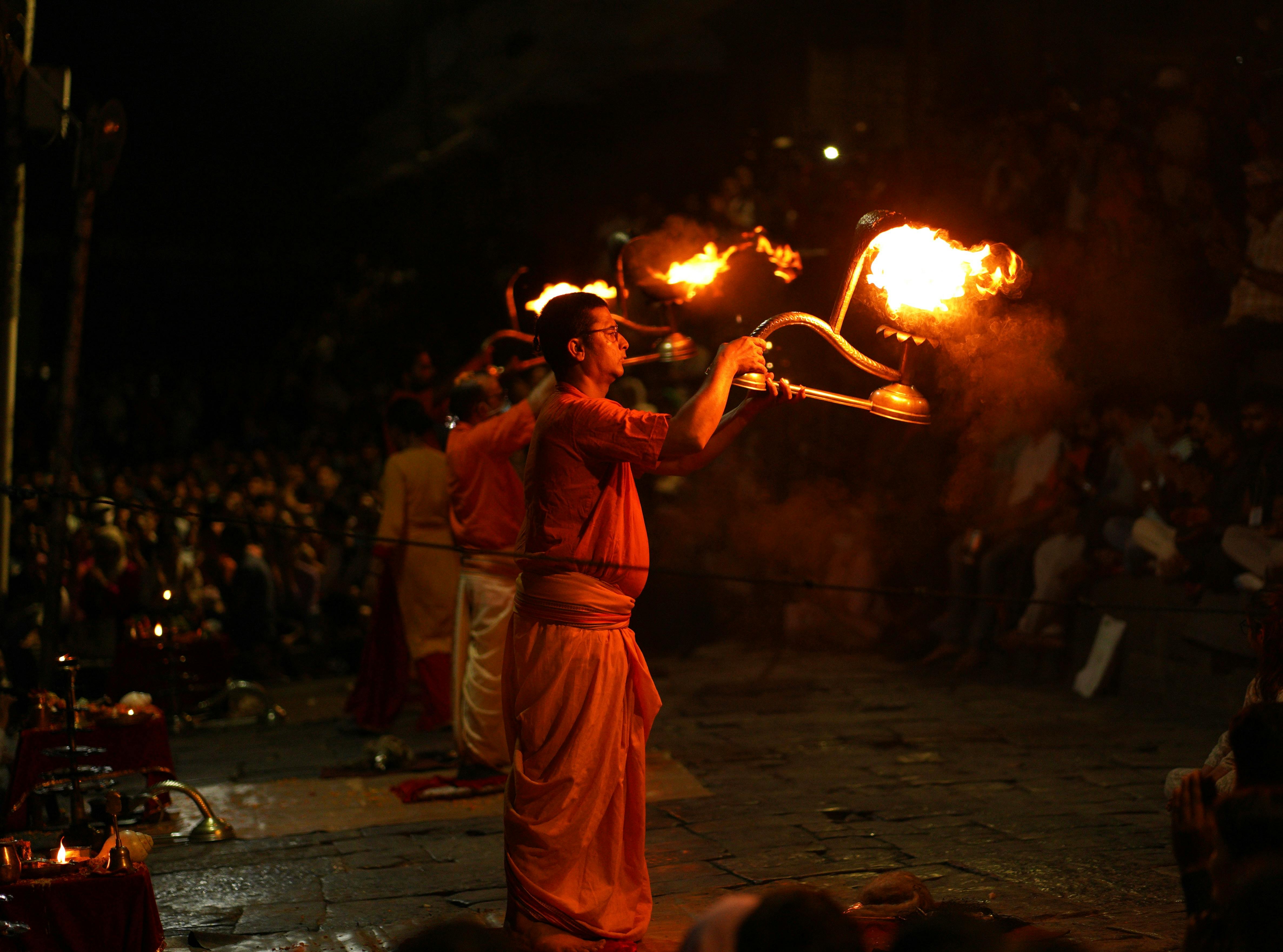
A festival is more than a celebration. It is a living archive of a people’s values, beliefs, and shared memory. Every drumbeat, dance, and dish tells a story about who we are, who we have been, and what we still hold dear. Festivals give culture shape, rhythm, and ritual. They’re how a nation speaks to itself—and to the world—without needing translation.
What Cultural Festivals Reveal About Identity
Cultural festivals are public expressions of private history. They reflect how communities remember, resist, and renew.
Festivals:
- Mark seasonal and agricultural cycles
- Honor religious, historical, or mythical events
- Reaffirm community bonds and social values
- Showcase art, clothing, food, and performance
- Provide spaces for intergenerational transmission of knowledge
They are mirrors of what a society celebrates, mourns, and preserves. In essence, festivals are identity in action.

Festivals and the Memory of Survival
Many cultural festivals originated in hardship. Harvest festivals like Pongal (India), Homowo (Ghana), and Thanksgiving (United States) began as expressions of gratitude after periods of drought, hunger, or migration. They are rooted in memory: of the land, of suffering, of triumph.
These festivals do not just romanticize the past—they remember it through ritual. A rice offering, a maize dance, or a communal prayer carries forward the memory of survival. It is how ancestors are honored without monuments.
In Mexico, Día de los Muertos is not a sad event. It is a joyful remembrance of those who came before. Altars, marigolds, and food invite spirits home for one night. In this ritual, grief and celebration merge into a cultural affirmation: we are not alone—we are part of a long line.

Festivals as Cultural Resistance
For many marginalized communities, cultural festivals serve as quiet acts of resistance. They preserve identity under pressure and create visibility in societies that often overlook them.
Examples include:
- Juneteenth in the U.S., celebrating Black liberation and reclaiming narratives of freedom.
- Jerusalem Nights in Palestine, showcasing music and poetry as a form of cultural survival.
- First Nations Powwows in Canada, keeping Indigenous languages, dance, and stories alive.
These are not just events. They are public declarations: we are still here.
The Role of Festivals in Multicultural Nations
In countries with diverse ethnic, linguistic, or religious communities, cultural festivals provide shared civic space.
They:
- Promote intercultural dialogue
- Reduce social barriers
- Celebrate pluralism
In Malaysia, for example, Deepavali, Chinese New Year, and Hari Raya are celebrated nationwide, not just within their communities. In Trinidad and Tobago, Carnival is both a Christian-rooted event and a national spectacle that blends African, Indian, and European traditions.
According to UNESCO, cultural festivals can help build social cohesion in post-conflict or divided societies.
https://en.unesco.org/news/cultural-festivals-and-heritage-safeguarding
They allow for collective healing—and collective imagining.
Festivals in the Diaspora
For people living far from their homelands, festivals are cultural anchors. They hold identity together across oceans and generations.
Diaspora festivals often adapt:
- Foods are modified based on availability
- Languages are blended with the dominant tongue
- Spaces (community halls, parks, streets) replace ancestral temples or villages
Still, their purpose remains: to connect, to remember, and to belong.
Examples include:
- Caribbean Carnivals in London, Toronto, and New York
- Chinese New Year parades across global Chinatowns
- Navratri Garba nights in the U.S., led by Indian youth
These festivals remind diasporic youth of where they come from—even when they speak new languages or carry new passports.

Economic and Social Impact of Festivals
Cultural festivals do more than maintain tradition—they also impact economies and tourism.
They:
- Create temporary jobs and boost hospitality industries
- Revitalize local crafts and art markets
- Promote lesser-known cultural destinations
The Edinburgh Festival in Scotland, for instance, draws 3 million visitors annually. The Gnaoua World Music Festival in Morocco blends local Sufi traditions with global genres, attracting international crowds and media.
Statista reports that festivals account for billions in annual tourism revenue worldwide.
https://www.statista.com/statistics/1109838/worldwide-music-festival-industry-market-value/
Yet, commercializing tradition carries risks—especially when events lose authenticity to appeal to tourists.
Hybrid Festivals in a Globalized World
As cultures interact, many festivals have evolved into hybrid forms.
Examples include:
- Brazilian Carnival, now influenced by Afro-Caribbean, European, and pop culture
- Thailand’s Songkran, originally a water blessing ritual, now a city-wide street party
- Korean Chuseok blending ancestral rites with K-pop performances in diaspora settings
These evolutions are not necessarily dilution. They reflect how traditions adapt to stay relevant. Still, care must be taken to respect sacred elements—and not turn everything into entertainment.

Festivals, Technology, and the Digital Stage
In recent years, festivals have moved online. COVID-19 accelerated this shift, but the trend continues with virtual parades, livestreamed performances, and augmented reality rituals.
📱 Digital Innovations:
- Livestreamed religious ceremonies during Ramadan and Holi
- Virtual powwows and Indigenous dance contests on TikTok
- Online exhibitions of traditional crafts, music, and fashion
📉 Digital Risks:
- Shallow engagement or cultural voyeurism
- Commodification of sacred practices
- Algorithms favoring spectacle over substance
Still, digital spaces can expand reach and preserve endangered rituals—especially when led by the communities themselves.
Policy Support for Cultural Festivals
Festivals survive best when supported by policy. Governments can:
- Fund local and regional cultural events
- Provide spaces and permits for public celebration
- Support documentation, archiving, and intergenerational transmission
- Recognize and protect intangible cultural heritage
South Korea’s “Cultural Properties Protection Law” safeguards traditional performance forms like pansori. India’s Ministry of Culture sponsors regional festivals to support tribal and folk communities.
According to the World Bank, culture-focused investment can enhance inclusive development.
https://www.worldbank.org/en/topic/culture
Policy isn’t just about preservation—it’s about empowerment.
Summary Table: Cultural Festivals and Their Social Function
| Function of Festival | Cultural Impact |
|---|---|
| Memory | Honors history, celebrates survival |
| Resistance | Protects identity under threat |
| Spiritual practice | Deepens collective and personal belief |
| Social cohesion | Builds bridges across community divisions |
| Economic participation | Boosts tourism and creative industries |
| Intergenerational teaching | Passes language, story, and custom to youth |
| Diasporic connection | Links migrants to cultural roots |
| Innovation and adaptation | Allows traditions to evolve in new settings |
Final Thought
Cultural festivals are not decorations—they are declarations. They proclaim what a nation loves, what it fears losing, and what it wants to pass forward. Through processions and parades, songs and storytelling, people step into shared history and collective identity.
Festivals hold up a mirror to a country’s values. They reveal what is sacred, what is joyful, and what is resilient. In preserving and participating in festivals, people do more than honor tradition—they protect the soul of their nation.
About The Author


