
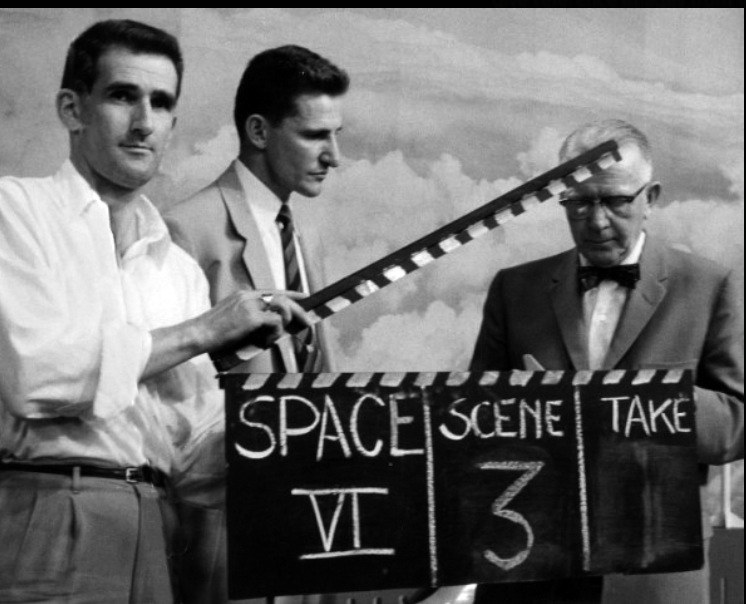
The Power of Real Lives on Screen
Biographical films, or biopics, offer audiences a window into the lives of remarkable individuals who have shaped history, culture, science, and society. Whether it’s Bohemian Rhapsody chronicling Freddie Mercury’s meteoric rise, The Theory of Everything portraying Stephen Hawking’s groundbreaking contributions, or Schindler’s List highlighting the moral complexities of WWII, biopics wield immense influence.
Yet, with influence comes responsibility. At the heart of every impactful biopic lies a critical element: authenticity. In an era where misinformation spreads rapidly and historical revisionism looms large, the authenticity of biographical films becomes more than a stylistic choice—it becomes a cultural and ethical obligation.
Why Do Biographical Films Matter So Much?
In an age where information flows faster than ever, films have become one of the most influential tools for shaping public memory. Among all cinematic genres, biographical films, or biopics, occupy a particularly powerful space. They transform real lives into stories that resonate across generations, geographies, and cultures.
For many viewers, their first exposure to iconic figures comes not from textbooks or academic lectures but from cinema halls and streaming platforms. It’s through films like:
- Gandhi (1982), where Sir Ben Kingsley’s portrayal made Mahatma Gandhi’s philosophies accessible worldwide.
- Bohemian Rhapsody (2018), where Rami Malek reintroduced Freddie Mercury to new generations, blending his stage brilliance with glimpses of his personal life.
- The Theory of Everything (2014), narrating the extraordinary scientific journey and personal struggles of Stephen Hawking.
These films don’t just entertain—they educate, inspire, and sometimes rewrite cultural memory. But herein lies the dilemma: with great influence comes immense responsibility.
Audiences often assume that what they see on screen reflects reality. For countless individuals unfamiliar with the historical figure, a biopic becomes the default version of truth. But when creative liberties overshadow facts, cinema risks misleading rather than enlightening.
Authenticity in biographical films isn’t just a technical detail—it’s the foundation for cultural credibility, ethical storytelling, and societal respect. In an era where misinformation distorts historical understanding and narratives are weaponized for agendas, the responsibility on filmmakers to uphold authenticity has never been greater.
This article unpacks why authenticity biographical films are critical—not only for artistic integrity but for the preservation of truth, legacy, and human complexity.
What Does “Authenticity” Mean in Biographical Films?
The term authenticity in the context of cinema, particularly biographical films, extends far beyond a checklist of dates, names, or historical facts. It is an intricate, multi-dimensional approach to storytelling that demands both factual correctness and emotional integrity.
Authenticity biographical films is not merely about accuracy in technical details—though that is important. It is about crafting a cinematic experience that honors the complexity of real lives while respecting the emotional, cultural, and historical truths that defined them.
Let’s break down what true authenticity entails when bringing real-life figures to the screen:
1. Factual Accuracy — The Foundation of Credibility
At its most basic level, authenticity requires filmmakers to adhere to the known facts:
- Did the events portrayed actually happen?
- Are the dates, locations, and historical timelines represented correctly?
- Are the key relationships, achievements, and milestones aligned with historical records?
This may seem obvious, but history is filled with examples where filmmakers have blurred, exaggerated, or altered facts for dramatic effect. The consequences? Audiences leave theaters believing in a distorted version of reality, sometimes carrying that misconception for life.
Example:
The Imitation Game (2014) introduced Alan Turing to global audiences, spotlighting his pivotal role in cracking Nazi codes. Yet, the film simplified key relationships and downplayed his persecution for being gay—a critical element of his tragic story. Though the film was commercially successful, critics argued it compromised historical integrity by sanitizing the harsh realities of Turing’s life.
Factual authenticity is the bedrock of responsible storytelling. Without it, biopics risk becoming little more than historical fan fiction.
2. Emotional Truth — Capturing the Inner World
Facts alone rarely engage audiences. The magic of cinema lies in its ability to convey the internal struggles, vulnerabilities, and triumphs of its characters. In biographical films, emotional authenticity is about reflecting the subject’s true nature—their flaws, fears, ambitions, and contradictions.
Even if filmmakers condense timelines or dramatize scenes, the emotional journey must remain honest.
Emotional Authenticity Means:
- Portraying the subject’s psychological complexity, not reducing them to heroes or villains.
- Showing both their achievements and their doubts, fears, and failures.
- Capturing how they interacted with their environment—their cultural, social, and political surroundings.
Case Study:
Selma (2014) depicts Dr. Martin Luther King Jr. during the Selma-to-Montgomery marches. While some timelines were adjusted for cinematic pacing, the film remained authentic to King’s emotional struggles—the pressure, the doubts, the human side of a leader too often portrayed as an untouchable icon. That emotional honesty deepened audience connection without sacrificing historical respect.
3. Cultural and Historical Context — Beyond the Individual
A person’s life is inseparable from their environment. Authentic biopics situate subjects within the broader cultural, political, and historical landscape that shaped them—and that they, in turn, influenced.
Why Context Matters:
- It avoids presenting achievements in isolation, highlighting systemic challenges the subject faced.
- It ensures cultural practices, languages, and societal norms are depicted with accuracy, avoiding stereotypes or erasure.
- It educates audiences on the world beyond the individual, fostering deeper understanding of history itself.
Example:
Hidden Figures (2016) is a masterclass in contextual authenticity. It portrays the personal journeys of Katherine Johnson, Dorothy Vaughan, and Mary Jackson, but situates their stories within the racial segregation and gender discrimination prevalent in 1960s America. The film doesn’t just celebrate their brilliance—it highlights the systemic barriers they overcame.
4. Respect for Legacy — Humanizing, Not Exploiting
Biographical films often outlive the individuals they portray. For deceased figures—or those belonging to marginalized communities—the stakes are even higher. Authenticity means preserving dignity, portraying complexities honestly, and avoiding sensationalism that trivializes real pain or struggles.
Authenticity in Legacy Means:
- Avoiding glamorization of suffering or tragedy for commercial impact.
- Ensuring the subject’s family, community, or descendants are consulted where possible.
- Portraying flaws and imperfections with empathy, not ridicule.
Filmmakers walk a tightrope between creating drama and maintaining dignity. Crossing that line risks exploiting lives for profit rather than honoring them through art.
In short, authenticity biographical films require meticulous research, cultural sensitivity, emotional depth, and above all, ethical responsibility. It’s not about sacrificing cinematic excellence—it’s about elevating it by staying true to the lives that inspire these stories.
Why Authenticity Matters — The Deeper Implications
The question is often raised in artistic circles: “Does it really matter if biographical films take creative liberties?” After all, films are storytelling mediums, not documentaries, and some argue that entertainment should come before rigid historical accuracy.
But when we talk about authenticity in biographical films, we’re not discussing nitpicking insignificant details. We’re talking about the larger cultural, ethical, and educational impact these films carry—whether intentional or not.
Biographical films do more than tell a story—they influence public memory, reshape perceptions, and sometimes become the definitive version of a historical narrative. When authenticity is compromised, the ripple effects can distort reality, disrespect legacies, and misinform entire generations.
Let’s unpack the deeper implications of why authenticity matters in biographical films:
1. Safeguarding Historical Integrity
History is fragile. It is shaped not only by academic research but also by popular media. Films, especially those marketed as “based on true events,” often reach millions who may never engage with the deeper, factual complexities of the subject.
Why it matters:
- A biopic might be a viewer’s first and only introduction to a historical figure.
- Misrepresentations, even minor ones, can be internalized as fact, especially among younger audiences.
- Over time, cinematic portrayals can overwrite scholarly or archival records in the public imagination.
Case in Point:
The Imitation Game made Alan Turing a household name but took significant liberties with events and relationships, notably downplaying the persecution he endured for being gay. This omission not only altered Turing’s personal narrative but diluted the film’s potential as an educational tool for LGBTQ+ history.
When filmmakers distort essential truths, they compromise more than a story—they risk rewriting history in misleading ways.
2. Honoring Personal Legacies
Biographical films are not only historical records—they’re cultural monuments. When done authentically, they honor the complexities, achievements, and humanity of their subjects. But when distorted, they can reduce remarkable lives to simplified archetypes, erasing nuance and disrespecting the subject’s lived experiences.
The Risk of Misrepresentation:
- Turning multifaceted individuals into one-dimensional heroes or villains.
- Ignoring uncomfortable truths for the sake of marketability.
- Exploiting trauma, illness, or personal struggles for dramatic effect without care.
Example:
Bohemian Rhapsody captivated audiences with electrifying performances and nostalgia, but many critics noted how the film sanitized Freddie Mercury’s sexuality and health struggles, arguably diminishing the revolutionary, unapologetic essence of his identity. The film succeeded commercially, but questions lingered about whether it truly honored Mercury’s authentic legacy.
Authenticity ensures that the subject’s life is depicted with respect, depth, and truth—not as a marketable product stripped of complexity.
3. Building Audience Trust and Cultural Credibility
Audiences today are more critical, informed, and demanding of ethical storytelling than ever before. With access to fact-checking tools at their fingertips, viewers can quickly spot discrepancies between cinematic depictions and historical records.
Consequences of Inauthenticity:
- Films face public backlash, diminishing their cultural credibility.
- Filmmakers lose trust with audiences, impacting future projects.
- The film industry risks becoming synonymous with misinformation, reducing art to entertainment at truth’s expense.
Survey Evidence:
According to a 2022 YouGov global study, 68% of respondents expressed that biographical films should prioritize historical accuracy, even if it means sacrificing some entertainment value. This statistic reveals a clear expectation: audiences respect, and even demand, authenticity in how real stories are told.
Audiences don’t reject dramatization altogether, but they expect a commitment to honesty—both factual and emotional.
4. Empowering Marginalized Voices Through Accurate Storytelling
For many marginalized communities, biographical films provide rare visibility on global platforms. However, inauthentic portrayals risk reinforcing stereotypes, perpetuating erasure, or diluting struggles that demand recognition.
Authenticity Enables:
- Correcting historical neglect or exclusion of marginalized groups.
- Offering role models that resonate with underrepresented communities.
- Educating global audiences about systemic inequalities or hidden histories.
Illustration:
Hidden Figures (2016) is lauded not only for its entertainment value but for authentically portraying Black women mathematicians at NASA whose contributions were historically erased. The film empowered viewers, inspired countless young women in STEM, and educated the world on a neglected chapter of space history.
Without authenticity, these achievements might have been trivialized or worse, entirely omitted.
5. Emotional Resonance Rooted in Real Truths
Audiences crave connection—to the characters, the struggles, the triumphs. Authentic storytelling resonates because it captures the human experience in its rawest, most relatable form.
When a biopic distorts reality, emotional impact often suffers. Viewers sense the inauthenticity, diminishing their investment in the characters and the narrative.
Example:
Schindler’s List remains one of the most emotionally devastating films ever made. Its unflinching authenticity—both in visual storytelling and historical detail—transports audiences into the harrowing reality of the Holocaust without resorting to overdramatization or artistic ego. The film’s emotional power is inseparable from its commitment to truth.
Authenticity deepens empathy, turning historical narratives into universally resonant human stories.
In sum, authenticity in biographical films isn’t just about facts—it’s about cultural responsibility, honoring legacies, and fostering an informed, empathetic global audience. Filmmakers wield immense influence over public perception, and with that influence comes the non-negotiable duty to tell real stories with integrity.
Would you like me to continue elaborating the next section on Empowerment, Representation, and Responsibility?
You said:
yes
ChatGPT said:
Empowerment, Representation, and Responsibility
Biographical films are more than entertainment—they are cultural artifacts that shape how society remembers its heroes, rebels, innovators, and even its forgotten or marginalized figures. In this sense, authenticity in biographical films takes on a political, social, and ethical dimension. Accurate, respectful portrayals don’t just educate—they empower. They correct historical imbalances, challenge stereotypes, and amplify voices that have long been silenced.
Let’s explore how authenticity in biopics intersects with empowerment, representation, and the immense responsibility filmmakers carry:
Correcting Historical Erasure

History has often been written by those in power, leaving countless individuals, particularly from marginalized groups, erased from mainstream narratives. Biographical films offer a unique opportunity to challenge this imbalance by bringing hidden stories to global attention. But this opportunity comes with the obligation to tell these stories authentically.
The Importance of Correcting Erasure:
- Marginalized communities often face systematic exclusion from history books, media, and public memory.
- Inauthentic portrayals risk perpetuating that exclusion or rewriting struggles to make them more “palatable” for mainstream audiences.
- Authentic films reclaim space, visibility, and respect for those historically sidelined.
Example:
Hidden Figures (2016) shattered long-standing historical erasure by spotlighting Katherine Johnson, Dorothy Vaughan, and Mary Jackson—Black women mathematicians who played vital roles at NASA. Before the film, few outside of academic circles knew of their contributions. Through meticulous research and a commitment to authenticity, the filmmakers not only educated audiences but empowered generations of Black girls and women in STEM fields.
Such examples show that authenticity biographical films can rewrite exclusion into empowerment.
Challenging Stereotypes Through Truthful Representation
Marginalized individuals in media often face reductive, stereotypical portrayals—flattened into clichés that reinforce social biases. Biographical films have the power to dismantle these stereotypes by presenting complex, authentic human stories.
Authenticity Fights Stereotypes By:
- Showcasing the full spectrum of experiences—achievements, struggles, identities.
- Highlighting intersectional challenges related to race, gender, sexuality, and class.
- Avoiding tokenism or caricature in favor of layered, human portrayals.
Illustration:
- Milk (2008), the biopic of Harvey Milk, was groundbreaking not only for telling the story of America’s first openly gay elected official but for its authentic portrayal of his activism, humanity, and the systemic homophobia he battled.
- The film resisted the urge to sanitize or sensationalize Milk’s life, opting instead to reflect the realities of LGBTQ+ history and political resistance.
Through authentic representation, biopics humanize marginalized figures, turning them from symbols into relatable individuals, and challenging audiences to confront their own biases.
The Ethical Responsibility of Filmmakers
When directors, writers, and producers choose to bring real-life stories to the screen, they step into the role of cultural stewards. They are no longer crafting purely fictional entertainment—they are shaping history, influencing perception, and carrying the weight of real human legacies.
The Responsibilities Include:
- Rigorous research: Consulting historians, family members, and subject matter experts.
- Cultural sensitivity: Avoiding appropriation, erasure, or distortion of marginalized cultures.
- Emotional integrity: Portraying trauma, struggle, or identity with respect, never for exploitation.
- Transparency: Informing audiences when artistic liberties are taken to avoid misleading interpretations.
When filmmakers dismiss these responsibilities, the result is more than just a weak movie—it becomes an act of historical disrespect.
Real-World Impact of Empowerment Through Biopics
Authentic biographical films often spark tangible social change:
✅ Erin Brockovich (2000) increased public awareness of environmental justice and corporate accountability.
✅ 12 Years a Slave (2013) reignited global conversations on the legacies of slavery and systemic racism.
✅ Harriet (2019) brought Harriet Tubman’s heroic resistance to a new generation, reinforcing her as more than a historical footnote.
In each case, authenticity was key. Had these films diluted or distorted their subjects’ stories, the resulting impact would have been shallow, and their potential to empower diminished.
In conclusion, authenticity biographical films are essential not only for historical accuracy but for amplifying voices, challenging oppression, and fostering societal growth. Films that authentically tell the stories of marginalized individuals empower both the subjects of those stories and the audiences who see themselves reflected for the first time on the big screen.
Challenges in Maintaining Authenticity
While the demand for authenticity in biographical films is both justified and necessary, achieving it is often far more complex than it appears. The process of transforming real-life stories into compelling cinema involves difficult compromises, grey areas, and sometimes unavoidable creative adjustments. Filmmakers must balance the need for narrative engagement with historical fidelity, all while navigating logistical, political, and ethical roadblocks.
Below, we explore the major challenges that make authentic storytelling in biopics a daunting yet critical responsibility:
Limited or Conflicting Historical Records
One of the greatest obstacles to authenticity is simply the lack of reliable information. Particularly when biopics focus on marginalized communities, lesser-known figures, or historical events that were never well-documented, filmmakers are often forced to fill in gaps.
Why Records Are Scarce:
- Systematic erasure or neglect of marginalized voices from official archives.
- Suppression of controversial histories by governments or institutions.
- Passage of time leading to loss of first-hand accounts or primary sources.
Case Study:
In Harriet (2019), much of Harriet Tubman’s personal life, motivations, and emotional journey had to be interpreted through fragmented records. The filmmakers worked extensively with historians and scholars to ground the narrative as authentically as possible, but certain creative choices were inevitable.
Authenticity doesn’t always mean perfect accuracy—it means doing due diligence to stay true to what’s known, and handling unknowns with respect.
Narrative Compression — Life Condensed for the Screen
A human life spans decades, sometimes even centuries of influence. Yet biographical films are constrained to roughly 2-3 hours. To craft a coherent, engaging story, filmmakers must condense timelines, merge characters, or rearrange sequences.
Compression Is Often Necessary Because:
- Audiences expect clear, engaging story arcs that fit conventional cinematic structure.
- Real-life events rarely unfold in neat, dramatic patterns suited for screenplays.
- Including every detail risks overwhelming viewers with information overload.
Example:
In Selma (2014), certain events and characters were combined or simplified to focus the narrative on the pivotal 1965 Selma-to-Montgomery marches. Though compressed, the film preserved the emotional and political truth, illustrating how authenticity can survive within cinematic constraints.
The challenge lies in ensuring that compression enhances clarity without sacrificing truth.
Commercial and Studio Pressures
Authenticity often collides with the financial realities of filmmaking. Studios, investors, and marketers may push for heightened drama, romance, or spectacle to maximize audience appeal and profitability—even if that means deviating from reality.
Commercial Pressures That Undermine Authenticity:
- Over-dramatization of personal conflicts to increase emotional stakes.
- Insertion of fictional romantic subplots for wider audience appeal.
- Simplification of complex socio-political contexts to avoid controversy.
Real-World Example:
Bohemian Rhapsody faced heavy criticism for reshaping Freddie Mercury’s life events to create a more “heroic” band narrative while glossing over uncomfortable truths about Mercury’s identity and personal struggles. Despite its box office success, the film’s authenticity remains a point of contention.
Filmmakers often walk a tightrope between market demands and historical responsibility.
Cultural Translation and Global Accessibility
Telling authentic stories that resonate globally introduces another layer of complexity. Filmmakers must ensure that the film’s message, character arcs, and cultural nuances translate across diverse audiences without diluting authenticity.
Challenges of Global Accessibility Include:
- Simplifying culturally specific events to avoid alienating unfamiliar audiences.
- Translating language, symbolism, or humor that may not carry across cultures.
- Avoiding exoticization or stereotyping of cultures to “appeal” to international markets.
Example:
Films like The Last Emperor (1987) had to strike a delicate balance between authentically portraying Chinese imperial history while making the narrative accessible to a global audience. When done carelessly, such adaptations risk misrepresentation or cultural erasure.
Authenticity in biographical films must survive the pressures of global marketability.
Evolving Historical Interpretations
History is not static. New evidence emerges, societal values evolve, and interpretations of past events shift over time. A film considered authentic upon release may face scrutiny years later based on updated research or changing cultural awareness.
Illustration:
Earlier biopics about historical figures like Winston Churchill or Christopher Columbus often omitted controversial aspects of their legacies, reflecting the values of the time. Today, audiences demand fuller, more critical portrayals, questioning previous depictions once hailed as authentic.
Filmmakers must remain aware that authenticity is a moving target—grounded in current knowledge but open to reevaluation.
In sum, authenticity biographical films is a noble yet intricate goal fraught with unavoidable compromises. But acknowledging these challenges is essential. Filmmakers must approach true stories with humility, rigorous research, and a steadfast commitment to honoring real lives, even within cinema’s creative constraints.
The Thin Line — Artistic License vs. Distortion
The art of filmmaking, by its very nature, demands creativity, interpretation, and occasionally, dramatization. Even in biographical films, which are grounded in reality, the narrative structure often requires filling gaps, reshaping timelines, or enhancing emotional beats to create cinematic cohesion.
But where does artistic license end, and distortion begin? This question lies at the heart of every debate around authenticity in biographical films.
Filmmakers are not historians, yet their works often carry the weight of public education. Exercising creative liberties is acceptable—even necessary—but only when done transparently and ethically. The moment dramatization manipulates core truths, misrepresents legacies, or perpetuates falsehoods, authenticity gives way to distortion.
When Artistic License is Justified
Real lives seldom unfold in neat, screen-friendly arcs. Birth, struggle, success, conflict, and resolution often overlap or blur. To tell these stories within the constraints of film:
✔ Composite characters may be created to simplify relationships.
✔ Timelines may be condensed to enhance pacing.
✔ Dialogues are crafted to dramatize internal or historical conflicts.
Case in Point:
Selma (2014) rearranged certain dates and dialogue sequences to heighten dramatic tension around the Selma marches. However, the film preserved the political stakes, the emotional truths of Dr. King’s leadership, and the broader historical integrity. It’s an example of responsible artistic license—where adjustments serve to illuminate, not mislead.
When Dramatization Becomes Dangerous Distortion
Trouble arises when filmmakers prioritize spectacle over substance, sensationalizing or sanitizing events in ways that betray historical reality or disrespect the subject’s legacy.
Forms of Distortion Include:
- Fabricating major events that never occurred.
- Omitting essential hardships to maintain a sanitized, “heroic” image.
- Introducing false controversies for shock value.
- Reinforcing stereotypes or inaccuracies that marginalize communities.
Example:
Bohemian Rhapsody faced significant backlash for altering key events in Freddie Mercury’s life, including the misleading timeline around his HIV diagnosis and the oversimplification of his personal relationships. While commercially successful, critics and fans argued the film prioritized mass appeal over Mercury’s authentic, complex reality.
Distortion doesn’t just misinform—it can erase the struggles, identities, or socio-political contexts that define real lives.
Responsible Filmmaking: Striking the Balance
The most impactful biopics are those that walk the fine line between cinematic artistry and authentic storytelling with integrity. Hallmarks of such films include:
✔ Collaboration with historians, family members, and cultural consultants.
✔ Clear disclaimers signaling dramatizations or fictional elements.
✔ Preservation of emotional and historical truths, even when details shift.
✔ A commitment to honoring complexity over creating caricatures.
Films like 12 Years a Slave, Erin Brockovich, and The Social Network illustrate that authenticity and entertainment are not mutually exclusive—they can coexist when filmmakers respect the boundary between artistic license and distortion.
Can Authenticity and Entertainment Coexist?
The idea that factual accuracy dulls entertainment is a false dichotomy. History itself is filled with intrigue, conflict, resilience, and human drama—the ingredients of powerful cinema. Authentic biographical films elevate these natural tensions, crafting narratives that are both emotionally gripping and historically grounded.
Proof it Works:
- The Social Network dramatized the creation of Facebook while preserving the emotional stakes and ethical dilemmas of its real-life protagonists.
- 12 Years a Slave stayed relentlessly true to Solomon Northup’s memoir, delivering one of the most emotionally powerful, critically acclaimed films of the decade.
- Hidden Figures balanced scientific history, cultural representation, and personal triumph without distorting its subjects’ legacies.
Authenticity enhances credibility, deepens emotional resonance, and strengthens a film’s cultural impact.
Conclusion — Authenticity is Cultural Stewardship
Biographical films carry enormous power. They immortalize individuals, influence how society remembers its history, and often become cultural milestones for marginalized communities seeking visibility. With such power comes the undeniable responsibility to approach real-life stories with care, respect, and above all, authenticity.
Authenticity in biographical films is not about creating documentaries devoid of artistry—it’s about ensuring that creativity serves truth, not the other way around. It’s about preserving historical integrity, honoring legacies, empowering the underrepresented, and fostering empathy through responsible storytelling.
In an era rife with misinformation and historical revisionism, authentic biopics stand as beacons of ethical filmmaking—where storytelling entertains, educates, and elevates simultaneously.
When filmmakers embrace authenticity, they don’t just craft movies—they contribute to the global archive of human stories, preserving the complexities, struggles, and triumphs that deserve to be remembered with honesty.
About The Author


