
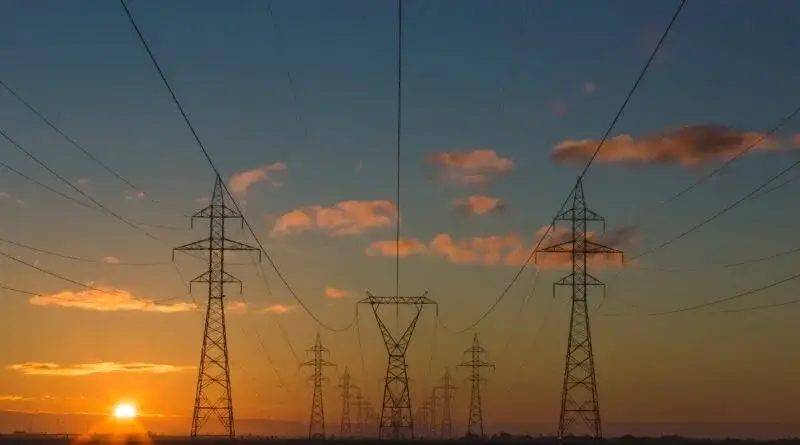
Electricity powers nearly every aspect of modern life. A global power outage lasting months would cause widespread disruption. Survival would depend on preparation, adaptability, and resourcefulness. Understanding how to navigate such a scenario is crucial to ensuring your well-being and that of your family.
Understanding the Risks
A long-term blackout could result from several factors:
- Cyberattacks on power grids: Hackers could disable electrical infrastructure on a national or global scale, disrupting communication, water systems, transportation, and essential services.
- Solar storms disrupting electrical infrastructure: A massive solar flare, like the Carrington Event of 1859, could cause geomagnetic disturbances capable of frying electrical grids worldwide.
- Electromagnetic Pulse (EMP) attacks: A nuclear detonation in the upper atmosphere could generate an EMP wave strong enough to destroy power grids, transformers, and most electronic devices.
- Natural disasters: Earthquakes, hurricanes, floods, and wildfires could wipe out key power infrastructure, leading to cascading failures across multiple regions.
- Energy resource depletion: In extreme scenarios, a lack of access to fuel sources could bring power production to a halt.
Each scenario brings unique challenges, but the core survival strategies remain similar. Understanding the underlying causes helps in developing comprehensive survival plans.
Immediate Actions
The first few hours and days after an outage are critical. Your response can determine your long-term chances of survival.
- Assess the situation – Determine if it’s a localized issue or a global event by using battery-powered radios or satellite communication.
- Secure water and food – Supermarkets will empty within 24-48 hours. If you haven’t already stocked up, act immediately.
- Establish communication – Keep in touch with family, neighbors, and community members. Organize a support network for mutual aid.
- Ensure safety – Looting, theft, and civil unrest may begin within days. Reinforce home security.
- Preserve perishable food – Consume refrigerated and frozen food first before it spoils. Use coolers with ice if available.
- Prepare for medical emergencies – Hospitals may not function. Have first aid supplies ready.
Essential Supplies
Stockpile critical items before disaster strikes to ensure long-term survival.
Water
- Store at least one gallon per person per day for drinking and hygiene.
- Filtration and purification methods:
- Gravity-fed filters (Berkey, LifeStraw Family)
- Water purification tablets
- Boiling water for at least five minutes
- Collection methods:
- Rainwater harvesting with barrels
- Well pumps with manual operation
- Streams, rivers, or lakes (only if filtered and purified)
Food
- Non-perishable goods:
- Canned meats, vegetables, and soups
- Rice, pasta, lentils, and beans
- Dried fruits and nuts
- Long-term storage:
- Freeze-dried meals (25+ year shelf life)
- Military MREs
- Vacuum-sealed grains and powders
- Preservation methods:
- Dehydration (using solar dehydrators)
- Canning and pickling
- Fermentation (for vegetables and dairy)
- Backup cooking solutions:
- Propane or butane camping stoves
- Rocket stoves (efficient wood-burning stoves)
- Solar cookers
Power and Light
- Off-grid power solutions:
- Solar panels with deep-cycle battery storage
- Hand-crank generators
- Wind turbines if in a suitable location
- Lighting sources:
- LED flashlights and headlamps (with rechargeable batteries)
- Oil lamps and lanterns (store extra fuel)
- Glow sticks for short-term use
Heating and Cooling
- Heat retention:
- Insulated rooms to minimize heat loss
- Thermal blankets and sleeping bags (rated for sub-zero temperatures)
- Wood stoves and fireplaces (ensure adequate ventilation)
- Cooling methods:
- Underground storage (root cellars for food preservation)
- Battery-operated fans
- Evaporative cooling using damp cloths
Security and Defense
Without electricity, law enforcement may be unreliable. Take steps to protect yourself.
- Reinforce home security:
- Install heavy-duty locks and barricades
- Use motion-sensor alarms (battery-powered)
- Create hidden storage areas for supplies
- Defensive tools:
- Firearms and ammunition (if legally owned)
- Non-lethal options like pepper spray and tasers
- Guard dogs trained for protection
- Community protection plans:
- Organize neighborhood watch groups
- Set up warning signals for intruders
- Establish clear rules for mutual defense
Communication
Communication breakdowns can leave people vulnerable. Plan alternative methods to stay informed.
- Shortwave radios (HAM radios) for emergency updates
- Two-way radios for local group communication
- Printed maps and compasses for navigation
- Signal mirrors and flares for long-distance communication
Medical Preparedness
Access to healthcare may be limited. Stock up on necessary supplies.
- First aid essentials:
- Bandages, antiseptics, painkillers
- Suture kits and splints
- Burn treatment supplies
- Chronic medication storage:
- Insulin (if refrigeration is available)
- Blood pressure and heart medications
- Herbal medicine alternatives
- Sanitation and hygiene:
- Soap, hand sanitizer, and disinfectants
- Feminine hygiene products
- DIY wound care knowledge
Transportation
Fuel shortages will make travel difficult. Alternative methods are necessary.
- Non-fuel-dependent options:
- Bicycles for short-distance travel
- Horse-drawn carts for transporting goods
- Vehicle preparation:
- Store extra fuel with stabilizers
- Maintain off-road capable vehicles
Waste Management
Sanitation failures can lead to disease outbreaks. Plan for waste disposal.
- Composting toilets to manage human waste
- Trash disposal pits away from living areas
- Greywater recycling for irrigation and hygiene
Mental and Emotional Resilience
Long-term survival requires mental toughness.
- Stay occupied with structured daily routines
- Develop skills like hunting, fishing, farming, and repair work
- Build a community network for support
- Maintain morale through reading, storytelling, and exercise
Long-Term Survival Strategies
Once the immediate crisis is handled, focus on sustainability.
Food Production
- Gardening:
- High-yield crops like potatoes, squash, and beans
- Indoor hydroponics for off-season growth
- Livestock:
- Chickens for eggs and meat
- Goats for milk and cheese
- Rabbits for efficient meat production
- Hunting and fishing:
- Trapping for small game
- Learning local fish populations and techniques
Power Generation
- Solar and wind energy with battery storage
- Hydroelectric systems for those near running water
- Manual generators for critical needs
Community Building
- Barter economy:
- Trade skills and goods instead of relying on money
- Skill-sharing programs to teach practical survival techniques
- Local governance to establish law and order
Real-World Examples
- Puerto Rico (Hurricane Maria, 2017) – Highlights the importance of water storage and community support.
- Venezuela (2019 Blackouts) – Demonstrates the necessity of barter systems and alternative power sources.
- Texas Power Crisis (2021) – Reinforces the value of heating preparedness and food security.
A global power outage would be devastating. Survival depends on preparation, adaptability, and resilience. Secure essential supplies, establish communication, and build sustainable systems. Your ability to endure depends on the choices you make today.
About The Author


