
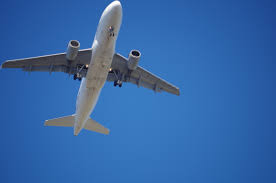
Are More Planes Falling from the Sky?
Air travel is at a crossroads. Headlines about plane crashes make travelers uneasy. But is flying becoming more dangerous? Or are we just seeing more media coverage?
Aviation remains one of the safest modes of transportation. Data from the International Air Transport Association (IATA) shows that in 2023, there was one accident per 1.29 million flights. Yet, recent high-profile crashes raise important questions about the future of air safety.
Key Factors Affecting Air Travel Safety
1. Increased Air Traffic
- The number of flights is rising. The FAA projects that U.S. airline passenger growth will average 2% per year through 2040.
- More flights mean more opportunities for technical failures and human errors.
- Airports are experiencing congestion, leading to increased pressure on air traffic controllers.
2. Pilot Shortages and Fatigue
- Airlines are struggling to hire enough experienced pilots. The global aviation industry could face a shortage of 80,000 pilots by 2032, according to Boeing.
- Long hours and tight schedules increase the risk of human error.
- Some airlines are fast-tracking pilot training, raising concerns about competency and preparedness.
3. Aging Aircraft Fleets
- Many airlines are flying planes that are 20+ years old. Maintenance is crucial, but older planes require more frequent inspections and part replacements.
- Some carriers delay maintenance due to cost concerns, increasing the likelihood of mechanical failures.
- The push for cost-cutting by budget airlines may lead to compromised safety measures.
4. Climate Change and Extreme Weather
- Turbulence-related injuries have increased. A study from the University of Reading found that severe clear-air turbulence has increased by 55% since 1979.
- Rising temperatures can impact aircraft performance, especially in regions with extreme heat.
- More frequent hurricanes and thunderstorms are causing increased flight cancellations and delays.
5. Software and Automation Issues
- Many crashes in the past decade, including Boeing 737 MAX disasters, were linked to software failures.
- The aviation industry is relying more on automation. But is this making pilots too dependent on technology?
- Over-reliance on artificial intelligence (AI) may introduce new risks if systems fail mid-flight.
6. Cybersecurity Threats
- Modern aircraft rely heavily on digital systems. What happens if hackers compromise flight controls?
- The FAA has acknowledged the potential risk of cyberattacks on aviation infrastructure.
- Airlines and manufacturers are investing in stronger cybersecurity measures, but are they enough?
What’s Changing to Improve Safety?
1. Stricter Aircraft Certification
- Regulators like the FAA and EASA are imposing stricter rules on new aircraft models.
- The certification process for the Boeing 737 MAX 10 and 777X has faced delays due to heightened scrutiny.
- New aircraft designs are undergoing more rigorous stress testing before approval.
2. Better Training and AI-Assisted Piloting
- Airlines are investing in better pilot training. AI-driven flight simulators provide more realistic emergency scenarios.
- AI copilots are being tested to reduce human errors.
- The question remains: Will AI replace human pilots entirely in the future?
3. Advanced Air Traffic Control (ATC)
- NextGen ATC systems use satellite tracking instead of radar, improving real-time monitoring.
- These systems help reduce mid-air collisions and improve flight route efficiency.
- Airports are integrating AI to optimize takeoff and landing schedules, reducing delays.
4. New Materials and Aircraft Designs
- Companies like Airbus and Boeing are testing lightweight composite materials that improve fuel efficiency and durability.
- Future aircraft may include self-healing materials that detect and repair cracks in real time.
- Hypersonic air travel and electric aircraft are on the horizon, but will they be safer?
5. Airline Accountability and Transparency
- Airlines are under pressure to disclose maintenance and safety records to the public.
- Passenger rights advocates are pushing for stricter consumer protections.
- Will increased transparency restore confidence in air travel?
The Future: A Safer or Riskier Sky?
As air travel evolves, new technologies and regulations aim to enhance safety. But challenges remain. The industry must balance innovation with risk management.
Will pilotless planes become the norm? Are passengers ready to trust AI with their lives? Can stricter regulations keep up with rapid technological advancements?
One thing is certain: The future of air travel depends on how well the industry adapts to emerging risks.
What do you think? Will technology eliminate air crashes, or are we overlooking human factors?
About The Author


