
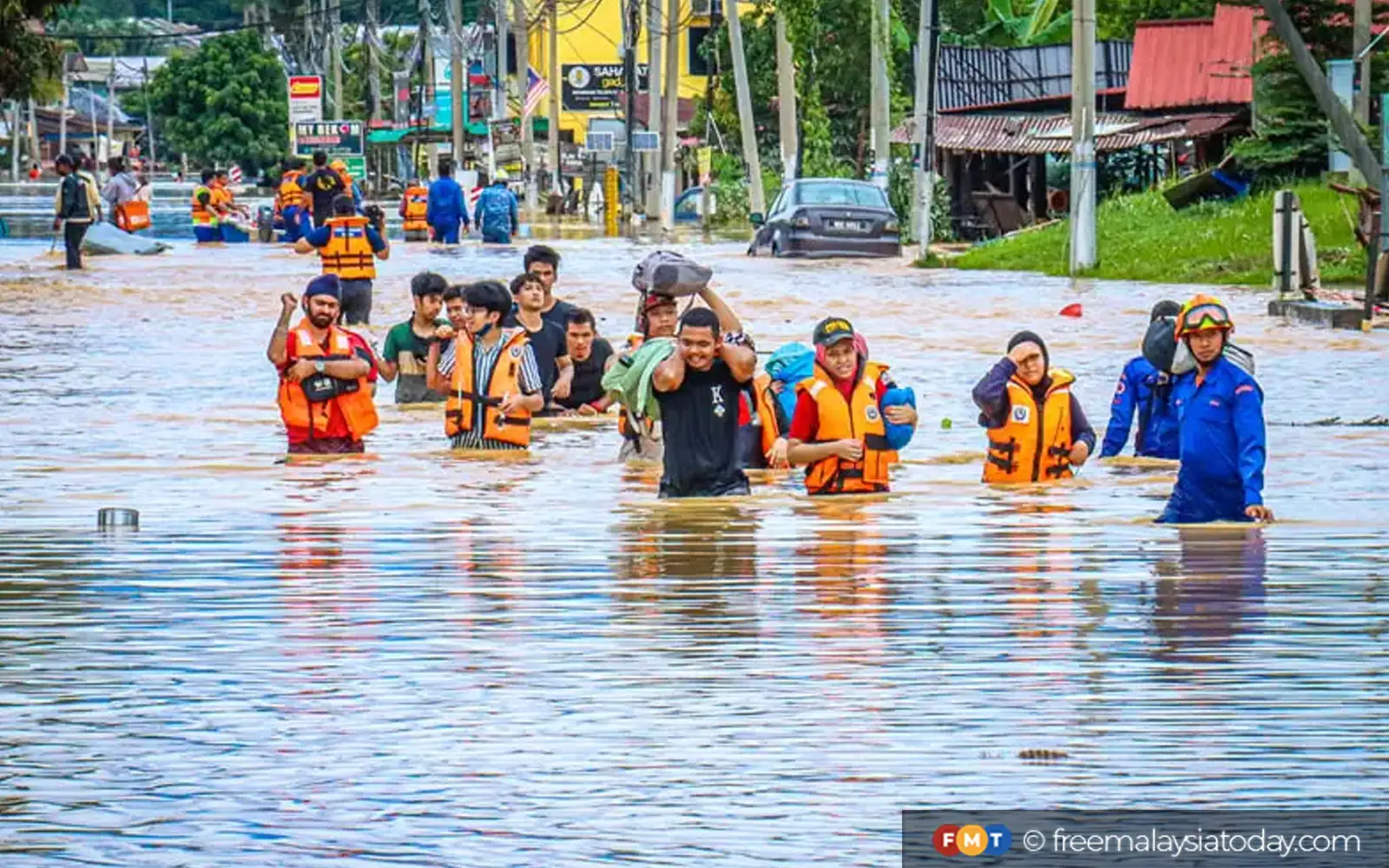
1. Jakarta, Indonesia
Jakarta is sinking. The capital of Indonesia experiences severe flooding due to land subsidence and rising sea levels. Over 40% of the city is already below sea level, and the government plans to relocate the capital. The economic cost of floods exceeds $500 million annually.
2. Tokyo, Japan
Tokyo sits on the Pacific Ring of Fire, making it vulnerable to earthquakes and tsunamis. The 2011 earthquake and tsunami caused $235 billion in damages, the costliest disaster in history. Japan invests heavily in seismic-resistant infrastructure, but risks remain high.
3. San Francisco, USA
San Francisco is located along the San Andreas Fault. Experts predict a major earthquake within the next 30 years. The 1906 earthquake destroyed 80% of the city. Economic losses could exceed $100 billion if a similar event occurs.
4. Manila, Philippines
Manila faces typhoons, floods, and earthquakes. Typhoon Haiyan in 2013 killed over 6,300 people. The city suffers from rapid urbanization, worsening the effects of natural disasters. Annual losses are estimated at $3.5 billion.
5. Dhaka, Bangladesh
Dhaka struggles with monsoon floods, cyclones, and earthquakes. Climate change increases the severity of floods, displacing millions. Over 10 million people live in slums, making evacuation efforts difficult.
6. Port-au-Prince, Haiti
Haiti is one of the most disaster-prone nations. The 2010 earthquake killed 230,000 people. Infrastructure remains weak, and hurricanes frequently devastate the region. Reconstruction is slow due to economic challenges.
7. Mexico City, Mexico
Built on an ancient lake bed, Mexico City faces severe earthquake risks. The 1985 earthquake killed 10,000 people. Despite improved regulations, many buildings remain vulnerable. The city also experiences water shortages due to excessive groundwater extraction.
8. Los Angeles, USA
Los Angeles faces multiple threats: earthquakes, wildfires, and droughts. The city sits on several fault lines, including the San Andreas Fault. Wildfires destroy thousands of homes annually, with losses exceeding $10 billion.
9. New Orleans, USA
New Orleans remains highly vulnerable to hurricanes. Hurricane Katrina in 2005 killed 1,833 people and caused $125 billion in damages. Rising sea levels and coastal erosion continue to threaten the region.
10. Shanghai, China
Shanghai is sinking due to groundwater extraction. Rising sea levels and typhoons increase flood risks. The city’s economic losses from natural disasters are estimated at $4 billion annually.
11. Caracas, Venezuela
Caracas faces frequent landslides due to heavy rainfall and deforestation. In 1999, landslides killed over 30,000 people. The region’s economic instability worsens disaster response efforts.
12. Istanbul, Turkey
Istanbul sits on the North Anatolian Fault, one of the world’s most active seismic zones. A major earthquake is expected within the next few decades. The 1999 earthquake in nearby Izmit killed 17,000 people.
13. Kathmandu, Nepal
Nepal is one of the most earthquake-prone nations. The 2015 earthquake killed nearly 9,000 people and destroyed thousands of homes. Recovery efforts continue, but the country remains highly vulnerable.
14. Mumbai, India
Mumbai experiences severe monsoon flooding. In 2005, floods killed over 1,000 people. Rising sea levels and poor drainage systems worsen the problem. Economic losses from floods exceed $1 billion annually.
15. Bangkok, Thailand
Bangkok is sinking at a rate of 2 cm per year. Rising sea levels and frequent floods threaten the city. By 2050, parts of Bangkok could be underwater. Economic losses from flooding exceed $3 billion annually.
16. Tehran, Iran
Tehran is at high risk of earthquakes. The city lies near several active fault lines. A major earthquake could cause significant casualties due to poor construction standards. The region also experiences frequent droughts.
17. Santiago, Chile
Chile experiences some of the strongest earthquakes in the world. The 2010 earthquake measured 8.8 on the Richter scale and caused $30 billion in damages. Strict building codes help reduce casualties, but risks remain.
18. Sydney, Australia
Sydney faces bushfires, heatwaves, and storms. The 2019-2020 bushfire season destroyed over 3,500 homes and killed 33 people. Climate change increases the frequency and intensity of these disasters.
19. Hanoi, Vietnam
Hanoi experiences typhoons, floods, and rising sea levels. Coastal erosion threatens millions of residents. Economic losses from natural disasters exceed $2 billion annually.
20. Antananarivo, Madagascar
Madagascar faces cyclones, droughts, and deforestation. Cyclone Enawo in 2017 affected 400,000 people. Droughts worsen food shortages, affecting millions.
How These Disasters Impact the World
- Economic Losses
- The global cost of natural disasters exceeds $200 billion annually.
- Rebuilding efforts take years, straining national economies.
- Displacement and Migration
- Millions are forced to leave their homes due to disasters.
- Cities struggle to accommodate displaced populations.
- Food and Water Shortages
- Droughts and floods reduce agricultural output.
- Water scarcity affects billions, leading to conflicts.
- Climate Change Acceleration
- Deforestation and urbanization worsen natural disasters.
- Rising temperatures increase the frequency of extreme weather events.
What Can Be Done?
- Improved Infrastructure
- Governments must enforce stricter building codes.
- Investment in flood barriers and earthquake-resistant structures is crucial.
- Early Warning Systems
- Technology can help predict disasters more accurately.
- Rapid response strategies save lives.
- Sustainable Urban Planning
- Cities must adapt to changing climates.
- Smart zoning laws can reduce disaster risks.
- International Cooperation
- Global organizations must provide support to disaster-prone regions.
- Funding for disaster relief and climate adaptation must increase.
Final Thoughts
Disasters are inevitable, but preparedness can reduce their impact. Countries must prioritize resilience and adaptation. Ignoring these risks could lead to even greater humanitarian and economic crises in the future.
About The Author


