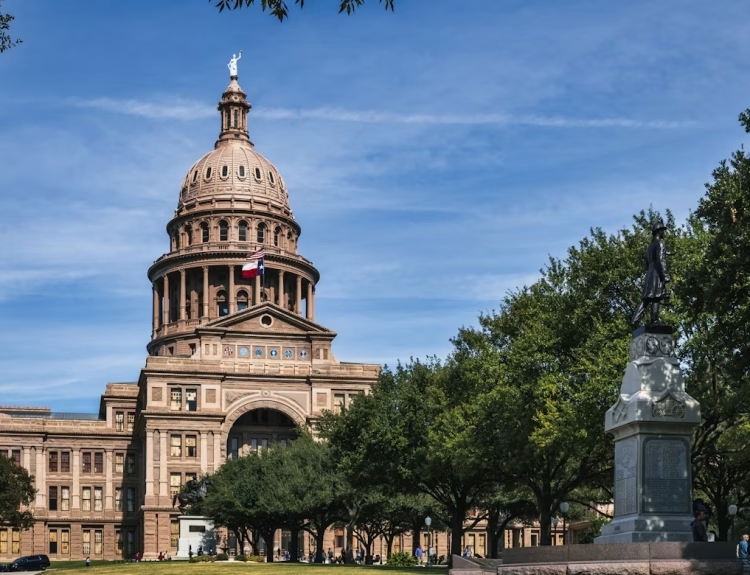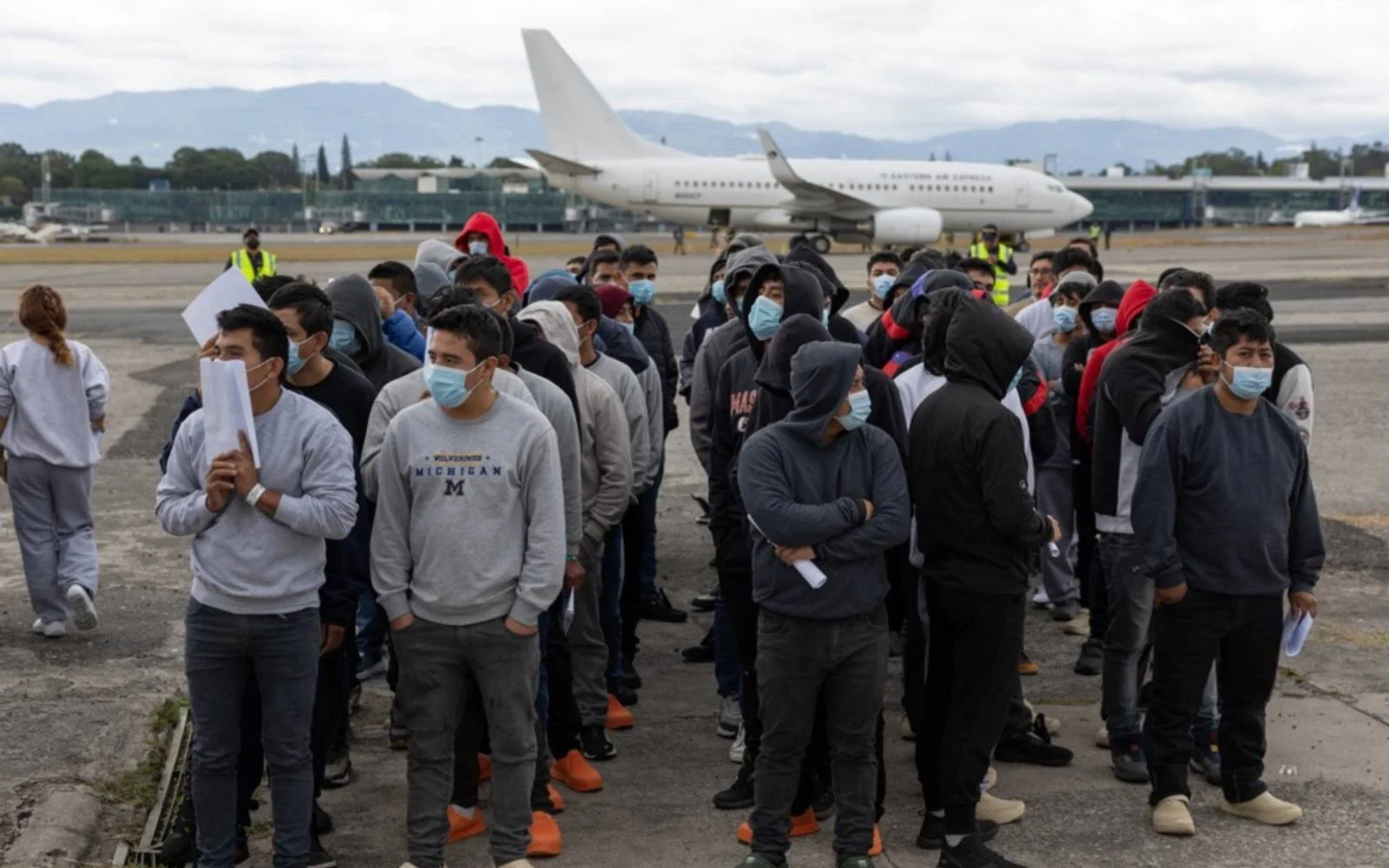
As 2025 unfolds, former President Donald Trump has returned to office with an aggressive stance on immigration, making mass deportations a central policy of his administration. With a renewed focus on enforcing stringent immigration laws, Trump has intensified efforts to deport millions of undocumented immigrants. But why is he so adamant about this approach? What are the potential positive and negative effects on the United States? What is his ultimate goal? And why are world leaders remaining largely silent on this controversial issue? This article provides a comprehensive analysis based on facts, figures, and expert insights.
Understanding Trump’s Deportation Policy
Shortly after his inauguration, President Trump signed Executive Order 14159, titled “Protecting The American People Against Invasion.” This order expanded the scope of expedited removals, cut federal funding for sanctuary cities, and increased legal penalties for undocumented individuals. The order also called for mass-scale detentions and the mobilization of federal agencies to execute removals more efficiently.
While deportation has always been a part of U.S. immigration policy, Trump’s aggressive stance is rooted in his belief that undocumented immigrants contribute to crime, economic burdens, and a strain on public resources. His administration asserts that deportations will restore law and order, free up jobs for American citizens, and reduce government spending on social services for undocumented individuals.
The Ultimate Goal of Trump’s Immigration Crackdown
Trump’s insistence on mass deportations is driven by several key factors:
- Appealing to His Political Base – Trump’s supporters have long favored strict immigration policies, seeing them as essential to national security and economic stability.
- Economic Reshaping – The administration argues that deportations will create more job opportunities for American citizens, particularly in industries where undocumented immigrants are prevalent.
- Crime and Law Enforcement – Trump and his allies claim that mass deportations will reduce crime, despite studies indicating that immigrants (including undocumented ones) commit crimes at lower rates than native-born citizens.
- Restricting Democratic Voter Growth – Some analysts suggest that reducing immigrant populations could impact future voting demographics, making it more difficult for Democrats to gain electoral advantages.
- National Identity and Sovereignty – Trump has repeatedly positioned himself as a defender of American sovereignty, claiming that strict immigration control is essential to maintaining national security and cultural identity.
The 10 Negative and Positive Effects of Mass Deportations in 2025
Negative Effects:
- Economic Disruptions – The U.S. relies heavily on immigrant labor in industries such as agriculture, construction, and hospitality. A sudden mass deportation could create labor shortages, disrupt supply chains, and increase production costs.
- Decline in GDP – According to the Center for American Progress, mass deportations could shrink the U.S. GDP by approximately $4.7 trillion over a decade.
- Workforce Instability – Many businesses, particularly small enterprises, depend on undocumented workers. A mass exodus could lead to closures and downsizing.
- Increased Government Spending – The cost of identifying, detaining, and deporting millions of individuals is projected to exceed $100 billion.
- Humanitarian Crisis – Families will be separated, with children left in foster care or placed in overwhelmed social services programs.
- International Condemnation – Countries with strong economic ties to the U.S., particularly Mexico and Central American nations, may view this policy as hostile, potentially straining diplomatic relations.
- Housing Market Impact – Many immigrants are renters and homeowners. A sudden displacement could result in increased foreclosures and rental market disruptions.
- Loss of Tax Revenue – Undocumented immigrants contribute billions in state and local taxes. Their removal would cut significant funding from essential public services.
- Public Backlash and Protests – Civil rights organizations, immigrant advocacy groups, and major cities opposing the policy could lead to national unrest and legal battles.
- Underground Economy Growth – With stricter enforcement, undocumented workers may turn to exploitative labor markets, increasing workplace abuses and reducing legal oversight.
Positive Effects:
- Job Availability for U.S. Citizens – Some argue that deporting undocumented workers will free up jobs, particularly in lower-wage sectors.
- Reduced Welfare Costs – Supporters claim that removing undocumented immigrants will lessen the burden on social welfare programs, healthcare, and public schooling.
- Increased Wages – A reduction in cheap labor may push wages higher in certain industries, benefiting American-born workers.
- Enhanced National Security – Proponents of deportation argue that a tighter immigration system will prevent criminal elements from entering and remaining in the country.
- Lower Crime Rates (Potentially) – Though disputed, some believe deporting undocumented individuals will lead to a decrease in certain crimes.
- More Funding for Citizens – Government resources currently allocated to undocumented immigrants could be redirected to American citizens and legal residents.
- More Stringent Immigration Policies – The policy could serve as a deterrent for future illegal immigration, reinforcing border security.
- Less Housing Demand – Some real estate analysts suggest that fewer immigrants could stabilize housing prices by reducing competition in rental markets.
- Reduced Strain on Public Education – With fewer undocumented children enrolled, schools may see reduced classroom overcrowding.
- Fulfilling a Political Promise – Trump’s administration sees this policy as fulfilling one of his core campaign promises, strengthening his political standing among conservative voters.
Why Are World Leaders Silent on This Issue?
Despite the controversial nature of Trump’s policy, world leaders have largely refrained from outright condemnation. Several reasons may explain their silence:
- Economic Interests – Many global leaders prioritize trade and economic ties with the U.S. and may be reluctant to risk diplomatic fallout.
- Domestic Immigration Issues – Several countries, including those in Europe, are facing their own immigration crises and may not wish to appear hypocritical.
- Geopolitical Considerations – Nations such as Mexico, China, and EU members may prefer to address the issue through diplomatic channels rather than public condemnation.
- U.S. Influence – The U.S. remains a dominant global power, and open criticism of its policies could lead to strained relations.
- Political Alignment – Some conservative-leaning leaders support Trump’s immigration stance and may align with his approach rather than oppose it.
Conclusion
Trump’s 2025 deportation policy is a deeply polarizing issue with significant economic, social, and geopolitical consequences. While proponents argue that it will restore law and order and create opportunities for American citizens, critics warn of economic downturns, humanitarian crises, and long-term damage to U.S. global standing. The silence from world leaders reflects a complex web of economic, political, and diplomatic considerations. As the year progresses, the full impact of this policy will become clearer, shaping not just America’s future but also its role on the global stage.
About The Author