
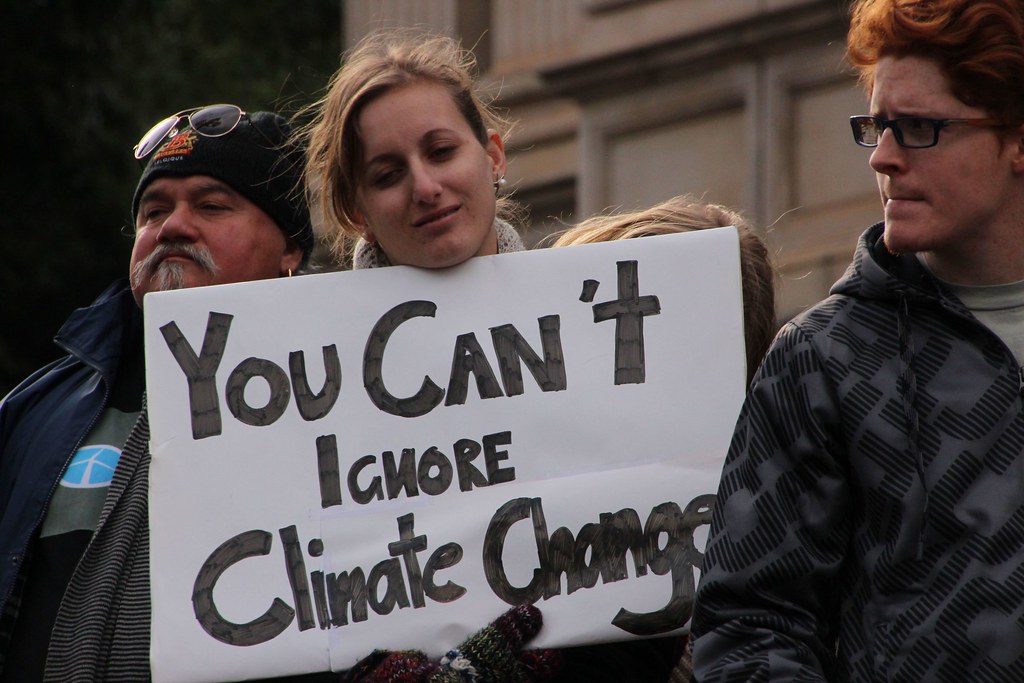
As the world hurtles forward into 2025, the pace of innovation, societal change, and environmental awareness demands that we reevaluate our actions. To help you navigate the complexities of the modern age, here are 20 crucial things you should avoid doing in 2025, along with the reasons why these behaviors are detrimental, supported by facts and figures.
1. Ignore Cybersecurity Measures
With increasing reliance on digital platforms, neglecting cybersecurity is a recipe for disaster. According to Cybersecurity Ventures, cybercrime costs are predicted to hit $10.5 trillion annually by 2025. Failing to update software, use strong passwords, or enable two-factor authentication can result in identity theft, financial loss, and data breaches. Stay informed and secure your digital life. Learn more about cybersecurity.
2. Procrastinate on Climate Action
Climate change is not waiting, and neither should we. The Intergovernmental Panel on Climate Change (IPCC) warns that global temperatures are likely to exceed 1.5°C above pre-industrial levels by 2040 without urgent action. Delaying sustainable practices like reducing carbon footprints, conserving energy, and supporting eco-friendly policies exacerbates environmental degradation. Start today to make a tangible impact. Visit UN Climate Action for actionable steps.
3. Overlook Mental Health
Ignoring mental health can lead to burnout, anxiety, and depression. The World Health Organization (WHO) reports that depression affects over 280 million people globally, and untreated mental health issues can reduce productivity by up to 12%. In 2025, prioritize mental well-being through mindfulness, therapy, and open conversations. Explore resources at Mental Health America.
4. Rely Solely on Fossil Fuels
The push for renewable energy is accelerating, and clinging to fossil fuels contributes to environmental harm and economic stagnation. According to the International Energy Agency (IEA), renewables accounted for nearly 30% of global electricity generation in 2022, and this share is expected to grow. Transitioning to solar, wind, or hydroelectric power is not just ethical but increasingly practical. Discover clean energy solutions at IRENA.
5. Spread Misinformation
Misinformation undermines trust and creates confusion. A study by MIT found that false news spreads six times faster on Twitter than true stories. Before sharing news or opinions online, verify facts from credible sources. Social media platforms and fact-checking tools like Snopes can help you avoid the pitfalls of fake news.
6. Neglect Financial Planning
The volatile global economy makes financial planning essential. According to a Gallup survey, 46% of Americans report feeling financial stress regularly. Ignoring investments, retirement savings, or emergency funds can lead to long-term instability. Tools like Mint and NerdWallet can guide you in building a secure financial future.
7. Disregard Diversity and Inclusion
Overlooking diversity and inclusion alienates talent and limits innovation. Research from McKinsey shows that companies with diverse executive teams are 33% more likely to outperform their peers on profitability. In 2025, inclusive practices are not optional but essential for personal and professional growth. Companies embracing diversity perform better and foster healthier work environments. Learn more at DiversityInc.
8. Ignore the Power of AI
Artificial Intelligence is revolutionizing industries, and staying unaware of its potential can leave you behind. A PwC report estimates that AI could contribute $15.7 trillion to the global economy by 2030. Whether it’s automating tasks, enhancing decision-making, or improving customer experience, AI offers unparalleled opportunities. Explore its impact at OpenAI.
9. Underestimate the Importance of Physical Health
Sedentary lifestyles and unhealthy diets are leading causes of chronic illnesses. The WHO states that physical inactivity is a leading risk factor for non-communicable diseases, contributing to 2 million deaths annually. Prioritize physical activity and balanced nutrition to prevent long-term health issues. For guidance, check out CDC’s Healthy Living.
10. Fail to Adapt to Remote Work Trends
Remote work is here to stay, with Global Workplace Analytics estimating that 25-30% of the workforce will work from home multiple days a week by the end of 2025. Resisting this shift limits opportunities. Learn new tools, improve virtual communication, and adapt to hybrid work environments to stay competitive. Platforms like Zoom and Slack offer invaluable resources.
11. Ignore Digital Detoxes
Constant connectivity can lead to screen fatigue and reduced productivity. A Nielsen study found that adults spend over 11 hours daily interacting with media. Schedule regular digital detoxes to recharge and foster meaningful offline interactions. For tips, visit Digital Detox.
12. Waste Food
Food waste contributes to environmental harm and exacerbates global hunger. The Food and Agriculture Organization (FAO) estimates that one-third of all food produced globally is wasted, equating to 1.3 billion tons annually. Be mindful of purchasing, storing, and consuming food to minimize waste. Organizations like Feeding America provide insights into reducing food waste.
13. Overcommit to Trends
Chasing every new trend can dilute focus and waste resources. The market for fleeting trends, especially in fashion and tech, often results in overproduction and waste. In 2025, discern which trends align with your values and goals before jumping on the bandwagon. Harvard Business Review offers insights into strategic trend analysis.
14. Disregard Online Privacy
Privacy breaches can have severe consequences. The Identity Theft Resource Center reported a 68% increase in data breaches in 2021 compared to the previous year. Avoid oversharing on social media, use VPNs, and manage cookie settings to safeguard your online presence. Tools like ProtonVPN enhance privacy.
15. Overconsume Resources
Overconsumption depletes natural resources and increases waste. According to Global Footprint Network, humanity used 1.7 Earths’ worth of resources annually as of 2023. Practice minimalism and sustainable consumption to reduce your environmental footprint. Organizations like EarthDay.org advocate for sustainable living.
16. Neglect Networking
Networking remains a powerful tool for career advancement and personal growth. A LinkedIn study found that 85% of jobs are filled through networking. Don’t underestimate the value of building genuine connections in a digital-first world. LinkedIn is an excellent platform for professional networking.
17. Disregard Data Analytics
In an era driven by data, ignoring analytics can hinder growth. MarketsandMarkets forecasts the global big data market to grow from $162 billion in 2021 to $273 billion by 2026. Leverage data insights to make informed decisions and stay competitive. Learn more at Tableau.
18. Fail to Embrace Lifelong Learning
The rapid evolution of technology and industries makes continuous learning indispensable. According to the World Economic Forum, 50% of all employees will need reskilling by 2025. Explore online platforms like Coursera or edX to upskill and stay relevant.
19. Undervalue Ethical Leadership
Leadership rooted in integrity and ethics fosters trust and long-term success. A study by Edelman found that 81% of respondents believe ethical leadership is critical in building trust. Avoid cutting corners or compromising values. Resources like Ethical Systems provide valuable insights.
20. Ignore Self-Care
Burnout is real and affects every aspect of life. A Gallup survey found that nearly 76% of employees experience burnout at least sometimes. Don’t neglect self-care practices like adequate sleep, hobbies, and spending time with loved ones. Psychology Today offers strategies for effective self-care.
Conclusion
2025 presents both challenges and opportunities. By avoiding these 20 pitfalls, you’ll not only improve your personal and professional life but also contribute positively to society and the planet. Take actionable steps today for a brighter tomorrow.
About The Author


