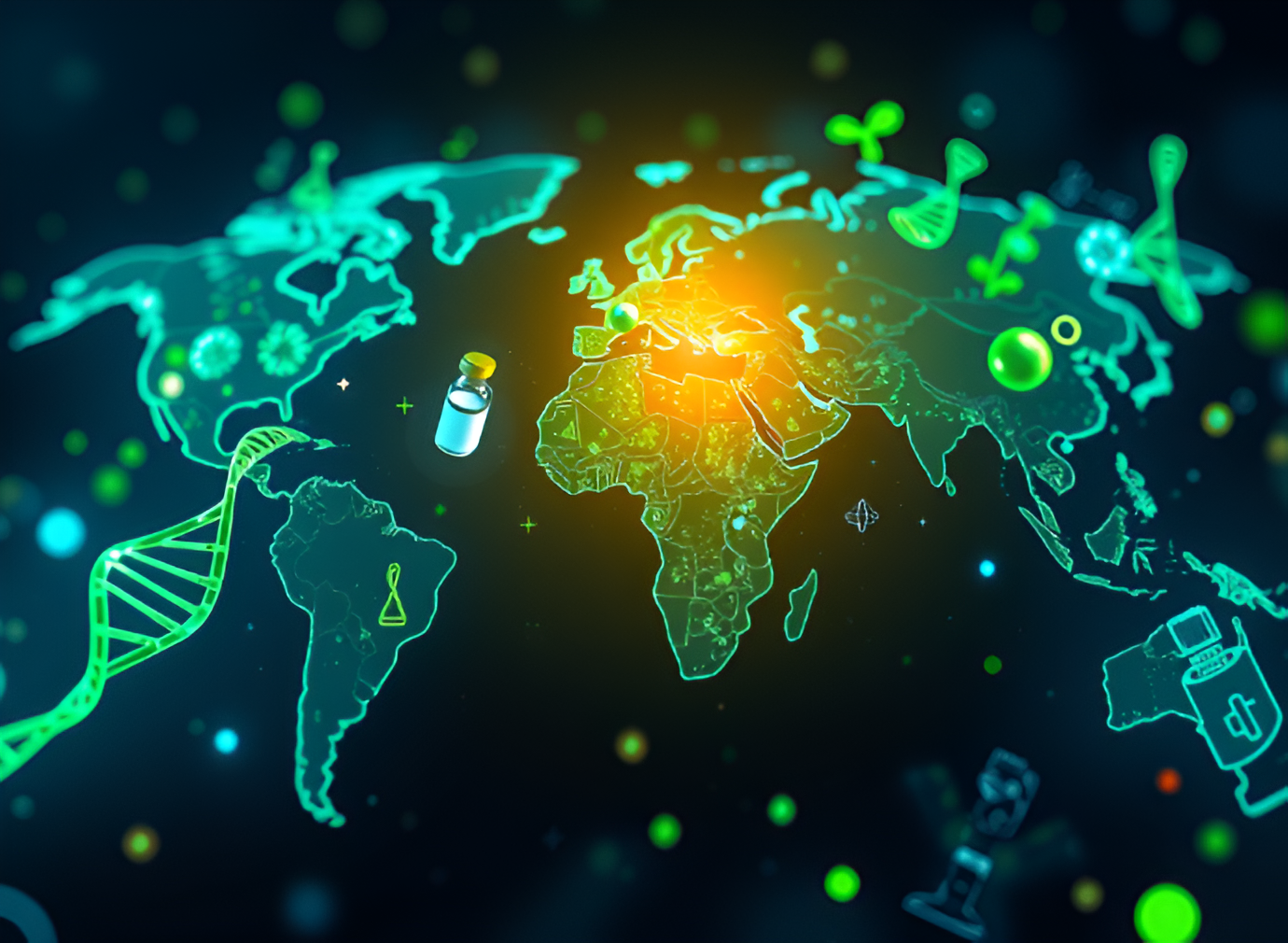
Biotechnology has become a central arena of geopolitical competition in 2025. Governments across the globe now treat advances in genomics, synthetic biology, vaccines, and agricultural biotech as crucial strategic assets that can influence the balance of power on the world stage. In this context, nations invest heavily in biotech innovation not only for public health and food security but also for the enhancement of their economic power and the fortification of national defense mechanisms. As countries seek to secure their interests, competition for resources like patents and technological capabilities has grown increasingly fierce. Unlike past industrial revolutions that primarily transformed economies, biotechnology now directly influences human survival, resource management, and global security, making it a decisive factor in international politics and elevating the stakes of diplomatic relations. The integration of biotech into the strategies of various nations signals a broader recognition of its potential to reshape societal norms and global dynamics, leading to a new era where advancements in this field could determine not just wealth, but the very stability of nations.
The Strategic Importance of Biotechnology
- Healthcare Security: Biotech innovation drives vaccine development, personalized medicine, and pandemic preparedness.
- Food Systems: Gene-edited crops and synthetic proteins address food shortages but also create dependency chains.
- National Defense: Dual-use biotech research has implications for biosecurity and military preparedness.
- Economic Growth: Biotech fuels multi-trillion-dollar industries across pharmaceuticals, agriculture, and bio-manufacturing.
- Environmental Sustainability: Biotech applications in waste management and renewable energy help reduce carbon footprints.
- Agricultural Resilience: Advanced breeding techniques improve crop yields and resistance to climate change.
- Regenerative Medicine: Stem cell research offers potential cures for chronic diseases and injuries.
- Synthetic Biology: Engineering organisms to produce biofuels and bioproducts leads to more sustainable alternatives.
- Biomanufacturing: Utilization of microorganisms to create materials and chemicals that reduce reliance on fossil fuels.
- Pharmacogenomics: Tailoring drug therapies based on genetic profiles to improve efficacy and reduce side effects.
- Climate Change Mitigation: Utilizing biotech solutions to sequester carbon and develop resilient ecosystems.
- Biodiversity Conservation: Biotechnological methods for preserving endangered species and their habitats.
- Nanobiotechnology: Employing nanotechnology in medicine to enhance drug delivery systems and diagnostic tools.
- Biodegradable Plastics: Developing new materials that break down naturally, reducing environmental pollution.
- Food Safety: Advances in biotech lead to better detection and prevention of foodborne pathogens.
Major Powers in Biotech Competition
United States
- Dominates in pharmaceutical R&D, synthetic biology startups, and venture capital investments.
- Federal initiatives such as the National Biotechnology and Biomanufacturing Strategy aim to secure supply chains and reduce reliance on China.
- The U.S. leads in CRISPR gene-editing applications and AI-driven drug discovery.
- Significant investment in telehealth and digital health technologies has been made.
- Emerging focus on personalized medicine and targeted therapies is reshaping treatment paradigms.
- Collaborative partnerships among academia, industry, and government agencies are fostering innovation.
- The rise of biotechnology incubators and accelerators is supporting new ventures.
- Increased emphasis on regulatory frameworks to expedite drug approvals and enhance safety.
- Growing interest in plant-based and alternative protein sources for sustainable food production.
- Advancements in gene therapies offering potential cures for rare genetic disorders.
- The integration of blockchain technology for improved transparency in clinical trials.
- Expanding global collaborations to tackle infectious diseases and global health challenges.
China
- Prioritizes biotech under its Made in China 2025 plan.
- Heavy investment in genomics, agricultural biotech, and state-backed biotech parks.
- Seeks leadership in affordable therapeutics, gene therapies, and global biotech standards.
- Aims to enhance research collaboration with international biotech firms.
- Develops policies to support innovation in biotech startups.
- Focuses on integrating AI and machine learning in biotech research.
- Encourages academic partnerships to advance biotech knowledge.
- Promotes sustainable agricultural practices through biotech solutions.
- Invests in talent development for the biotechnology sector.
- Supports regulations that favor biotech innovation and development.
- Facilitates access to funding for biotech research initiatives.
- Strengthens intellectual property protections for biotech innovations.
- Fosters public-private partnerships to drive biotech advancements.
- Encourages public awareness and education on biotechnology benefits.
- Implements initiatives to facilitate technology transfer from research to market.

European Union
- Focuses on ethical regulations and harmonized biotech governance, ensuring that all scientific advancements align with moral standards and promote responsible innovation across the industry.
- Leads in industrial biotech, biopharmaceutical exports, and green bio-manufacturing.
- Strong frameworks around data privacy, clinical trials, and bioethics give it regulatory influence.
- Promotes collaborative research initiatives between public and private sectors.
- Establishes platforms for dialogue on biotechnology impact and safety.
- Encourages international cooperation on biotech standards and practices.
- Advocates for education and training in biotechnology-related fields to foster a skilled workforce.
- Supports sustainable practices in biotech to minimize environmental impact.
- Champions transparency in biotech research to build public trust and understanding.
- Facilitates partnerships with academic institutions to drive innovation and discovery.
- Engages with stakeholders to assess societal implications of biotechnological advancements.
Emerging Powers
- India: Expands vaccine production and low-cost biotech manufacturing.
- Brazil: Invests in bio-agriculture to boost food security and exports.
- Israel: Innovates in bio-defense and synthetic biology applications.
- Germany: Advances in personalized medicine and genetic research.
- United States: Leads in pharmaceutical innovations and biotech startups.
- China: Increases research in CRISPR technology and agricultural biotech.
- Canada: Focuses on sustainable practices in biomanufacturing.
- Singapore: Develops smart biosystems for healthcare solutions.
- Australia: Pioneers in gene therapy and regenerative medicine.
- Sweden: Excels in biotech research and environmental sustainability.
- South Korea: Advances in biopharmaceutical production and innovation.
- United Kingdom: Invests in life sciences and medical technology.
- France: Promotes agricultural biotechnology and food safety initiatives.
- Japan: Leads in biotechnology research and cellular therapies.
Geopolitical Impacts of Biotech Competition
1. Supply Chain Security
- COVID-19 highlighted vulnerabilities in global biotech supply chains.
- Nations now localize production of vaccines, APIs, and critical bio-inputs.
- U.S.–China decoupling in biotech leads to competing ecosystems.
- Increased investment in domestic biotech R&D as a response to shortages.
- Enhanced focus on regulatory frameworks to support local production.
- Accelerated development of partnerships between governments and biotech firms.
- Rising trend of supply chain diversification to mitigate risks.
- Growth of regional biotech hubs to promote innovation in local markets.
- Global collaboration on biosecurity and pandemic preparedness initiatives.
- Adoption of advanced technologies such as AI and machine learning in biotech.
- Increased emphasis on sustainability and environmentally friendly practices.
- Expansion of telemedicine and digital health solutions in biotech.
- Greater attention to ethical considerations in biotech research and practices.

2. Standards and Regulations
- Competing bioethics frameworks create fragmentation in clinical trials and drug approvals.
- The EU champions strict ethical standards, while China pushes for speed and scale.
- Regulatory competition mirrors earlier tech disputes over data governance.
- Stakeholder interests complicate ethical consensus in global health.
- Inconsistencies in regulatory standards hinder international collaboration.
- Cultural attitudes towards medical ethics influence policy decisions.
- The pace of innovation challenges traditional ethical frameworks.
- Emerging technologies pose new ethical dilemmas in healthcare.
- Historical precedents set the stage for current bioethical debates.
- Transnational collaborations face hurdles due to differing ethical interpretations.
- The influence of public perception on policymaking complicates ethical discourse.
- The role of artificial intelligence in healthcare introduces unique ethical challenges.
- Balancing patient autonomy with societal good remains a critical ethical concern.
- Ethical implications of gene editing technologies provoke intense scrutiny.
- Global health crises necessitate rapid responses that may bypass ethical considerations.
3. Intellectual Property (IP) Rivalries
- Patent disputes intensify, particularly around CRISPR, CAR-T therapies, and mRNA platforms.
- IP theft allegations emerge as a recurring theme in U.S.–China biotech tensions.
- International arbitration struggles to keep pace with rapid innovation.
- Market access regulations become more stringent, affecting global biotech operations.
- Collaborations between academia and industry increase, fostering innovation.
- Ethical considerations around gene editing gain prominence in public discourse.
- Investment in biotech startups surges amid technological advancements.
- Regulatory pathways for new therapies evolve to accommodate rapid development.
- The role of big data in biotech research expands, leading to new insights.
- Patient advocacy groups push for transparency and faster approvals.
- Advances in personalized medicine shape treatment protocols and expectations.
- The integration of AI in drug discovery processes shows promising results.
4. Biosecurity Risks
- Advances in synthetic biology create risks of engineered pathogens.
- Governments establish stronger bio-defense programs, with NATO and the U.S. integrating biotech into military planning.
- International treaties on biological weapons face pressure from new technologies.
- Increased surveillance and monitoring for biological threats become a priority.
- Collaboration between nations on biodefense strategies intensifies.
- The emergence of dual-use research raises ethical concerns.
- Bioweapons research becomes a focal point in international security discussions.
- Public-private partnerships develop to enhance biosecurity measures.
- Scientists advocate for responsible innovation in synthetic biology.
5. Economic and Trade Realignment
- Biotech hubs become strategic trade centers, attracting capital and talent.
- U.S., EU, and China compete for biotech partnerships with emerging markets.
- Biotech supply chain alliances form, similar to semiconductor trade blocs.
- Investment in biotech is viewed as essential for national security.
- Global collaboration increases to tackle pandemics and health issues.
- Research institutions partner with biotech firms for innovation.
- Regulatory frameworks evolve to support faster biotech product approvals.
- Sustainability becomes a priority in biotech developments.
- Advances in gene editing technology reshape therapeutic possibilities.
- Personalized medicine gains traction, driven by genetic research.
- Biotech applications expand into agriculture, enhancing food security.
- Emerging biomanufacturing techniques reduce costs and increase efficiency.
- Cross-border initiatives foster knowledge sharing and joint ventures.
Case Studies
- COVID-19 Vaccines: U.S. (Pfizer/Moderna) vs. China (Sinovac/Sinopharm) competition revealed biotech as a tool of global influence.
- Genomic Data: China’s BGI Group collects global genomic data, raising concerns about data sovereignty.
- mRNA Technology: The U.S. and Germany led in mRNA platforms, while China rapidly scaled production.
- Vaccine Diplomacy: Vaccine distribution became a geopolitical strategy, as countries used doses to strengthen international relations.
- Biotech Investments: Increased investments in biotech sectors highlighted the race for innovation and market dominance.
- Therapeutic Developments: Research into therapeutics for COVID-19 spurred advancements in treatment protocols worldwide.
- Regulatory Frameworks: Differences in regulatory approaches between the U.S. and China affected vaccine approval timelines and market entry.
- Clinical Trials: Variations in clinical trial methodologies showcased divergent strategies in vaccine development across global players.
Future Outlook
- AI–Biotech Convergence: Artificial intelligence accelerates drug discovery and synthetic biology design.
- Quantum Biology Research: Emerging field with potential to transform energy and health sectors.
- Geopolitical Alignment: Biotech alliances will mirror broader political blocs, deepening U.S.–EU cooperation and U.S.–China competition.
- Global Governance Needs: Without international frameworks, fragmented biotech standards risk creating geopolitical divides.
- Personalized Medicine: Tailoring medical treatment to individual characteristics helps in improving patient outcomes.
- CRISPR and Gene Editing Technologies: Advancements in gene editing technologies pave the way for revolutionary treatments.
- Telemedicine Integration: The rise of telemedicine enhances access to biotech innovations and patient care.
- Sustainable Biomanufacturing: Biotech solutions are crucial for developing sustainable manufacturing practices and reducing environmental impact.
Conclusion
Biotech competition is no longer confined to laboratories, as it increasingly permeates various aspects of our lives and society. It shapes global power, economic competition, and national security, influencing everything from healthcare systems to agricultural practices. The U.S., China, and the EU dominate the field, but emerging powers are also leveraging biotech to establish and enhance their regional influence, aspiring to close the gap with established leaders. As technologies continue to evolve and new breakthroughs emerge, biotech geopolitics will remain a central dimension of international relations, affecting diplomatic strategies and alliances around the world. Policymakers must carefully balance the driving forces of innovation with the necessary regulatory frameworks to effectively manage associated risks while fully harnessing biotech’s transformative potential, ensuring that advancements contribute positively to global well-being and equity.
Sources
- https://www.whitehouse.gov
- https://www.brookings.edu
- https://www.weforum.org
- https://www.csis.org
- https://www.nature.com
- https://www.thelancet.com
- https://www.who.int
About The Author