After Friday March 13,2020, Louisville Kentucky was shook like never before and hasn’t been the same since. Breonna Taylor a 26-year-old emergency medical technician was fatally shot at her apartment by a detective named Myles Cosgrove who was accompanied by Sgt. Jonathan Mattingly and detective Brett Hankison. The three officers barged into her apartment executing on a no-knock search warrant which was actually said to be a knock and announce search warrant. The target for the officers was Breonna Taylor and her former boyfriend Jamarcus Glover and would be current boyfriend Kenneth Walker who were suspected to be selling drugs out of Taylors apartment. According to Adrian Walker one of witnesses, Taylors boyfriend had exchanged gunfire with the officers in reaction to believing the officers were intruders which lead to open firing in the apartment building. Neighbors and witnesses claimed that the officers fired 8 gunshots at Breonna leaving her dead at the scene and others injured as well as property damage. Neighbors were horrified and reported that the officers were shooting aimlessly damaging their property leaving them mentally scarred.
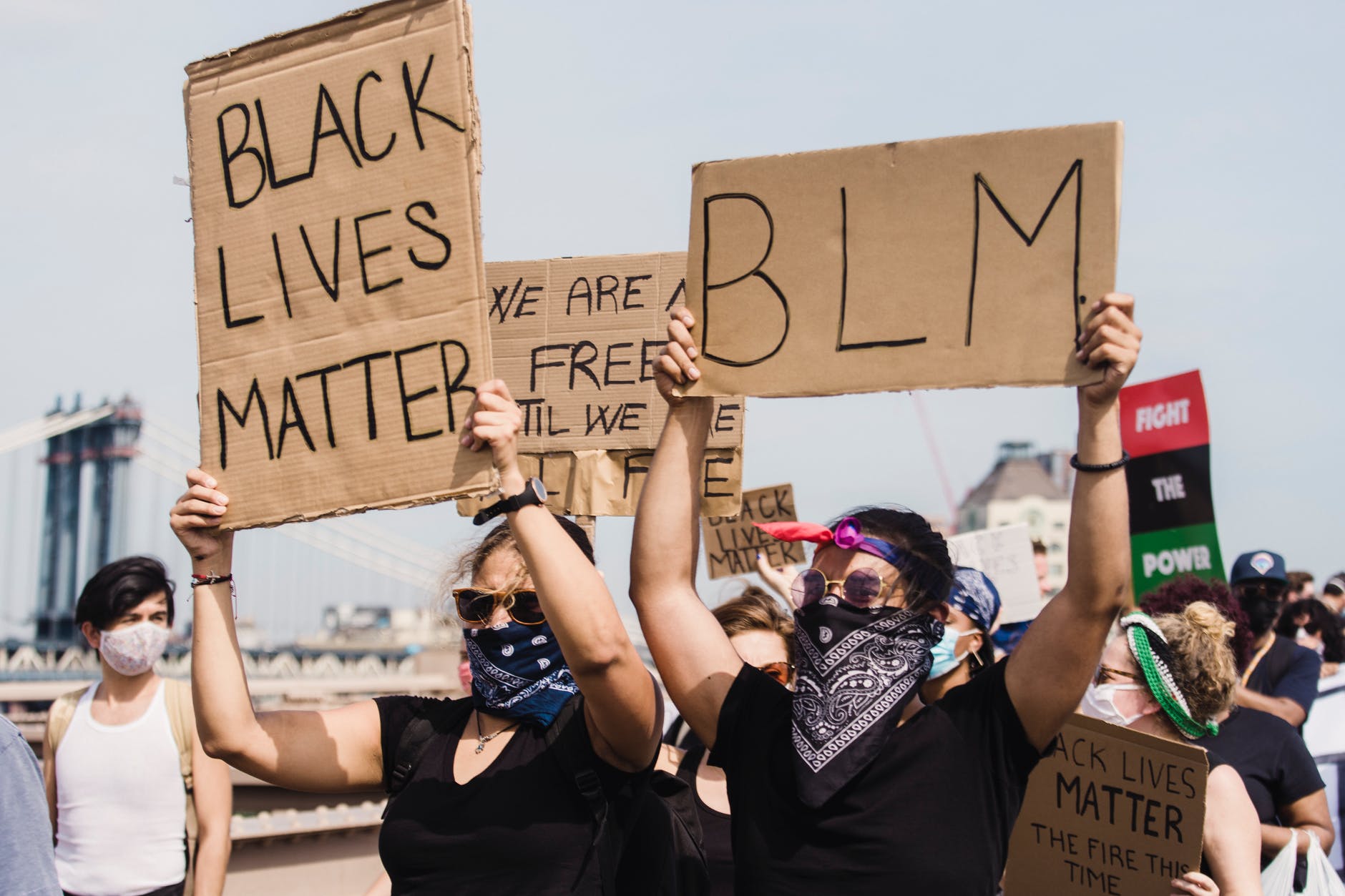
The uproar created after Breonna Taylor’s murder has definitely made history, which it should. Countless protests spread like wildfire across America with thousands of attendees demanding justice for Breonna Taylor by the arrest and charges of the officers involved in her death. On May 26, 2020, family members and friends of Taylor protested outside of Mayor Fischer’s office demanding the three officers involved to be charged with murder. A couple days later on May 28, 2020 600 demonstrators marched across downtown Kentucky chanting “no justice, no peace, prosecute police!”. As this continued for months on end, the protests began to get violent where open fires were taking place leaving people injured, dead, and causing many arrests and animosity. In the midst of working on evidence to have the police officers charged and arrested, many milestones were achieved for Breonna’s case because celebrities like Beyoncé, major league basketball teams and politicians reached out to Mayor Fischer demanding to have the officers involved charged and arrested.
On May 25, 2020 another ruthless act done by a white police officer had taken place. The murder of George Floyd an African American man who was killed by a white police officer named Derek Chauvin in Minneapolis who had knelt on Floyd’s neck for 8 minutes while he was gasping for breath saying “I can’t breathe!” then eventually dying. This brutal, violent, inhumane act was the last straw for Americans all over the United States and even thousands of people overseas in places like Italy, France, Germany, Denmark, Brazil, Syria and Ireland who march in solidarity for justice for Breonna Taylor and George Floyd till this day. This is a movement that has made history and has made a mark on the human race, driven for justice for all the innocent Americans murdered or oppressed by the bad batch of officers in our criminal justice system. On May 29, 2020, Derek Chauvin was charged with third-degree murder and second-degree manslaughter which was the biggest victory for justice for the George Floyd’s case. Going back to Taylors case, finally on June 23, 2020 officer Brett Hankison was fired for showing extreme indifference to the value of human life which is applaudable and gave Taylors family, friends, everyone at the scene and the thousands protesting the relief on the road to justice. Today on September 23, 2020 the state grand jury indicted Brett Hankison on three counts of first-degree wanton endangerment for his actions during the scene which means the charge is a class D felony under Kentucky law that took effect in 1975 with each count carrying a possible and hopeful sentence of up to 5 years in prison and fines as high as $10,000, hallelujah! The sad part is the officer was not directly charged with her murder and the other officers were not charged at all! The only officer charged was charged with all the damage he had caused but not the killing of innocent Breonna! This fact will definitely have people still fighting for the worst possible outcome for the actual murderer of Breonna Taylor. Goes to show that racism is still lingering in the criminal justice system handling this case, because after all the protesting and speaking up, the actual justice was not served. I still think the outcome is better than nothing happening at all, but in actuality, how long does it take for our government to punish they’re own white officers? This horrifying, tragic murder has proved that justice is possible and will always prevail as long as we have fair, anti-racist leaders and people who join hand in hand and raise their voices, together we will all be heard.
Author Bio
Aisha Zaidi is a Journalism and Mass Communication student from Chicago. Passionate about writing and raising awareness for justice & for all the unheard voices out there.
About The Author