
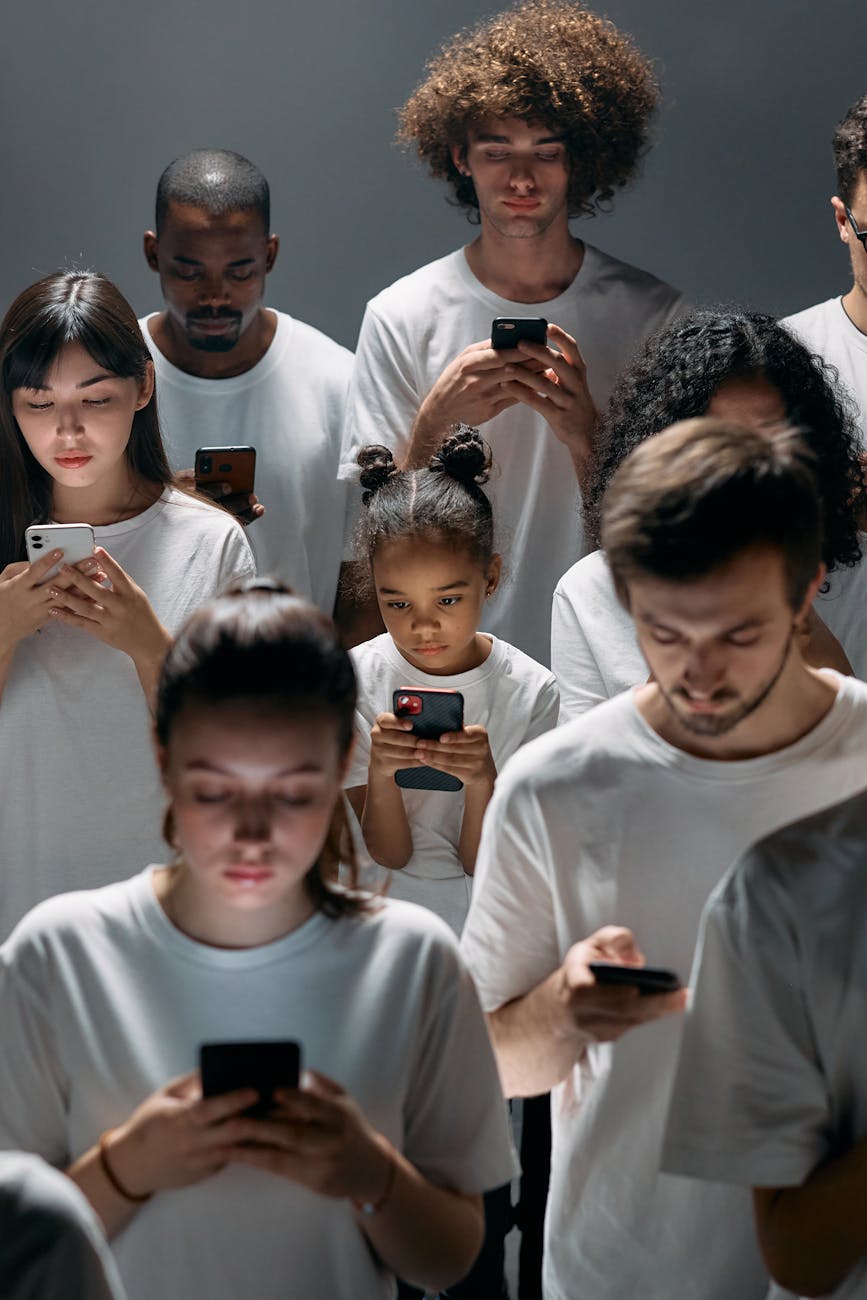
Living in Notification Mode
In today’s world, the sound of a notification has become our modern-day doorbell. We reach for our phones the moment we wake up, scroll endlessly during lunch breaks, and fall asleep with screens glowing beside us. While technology has revolutionized how we work and connect, it has also quietly reshaped our inner lives—chipping away at our focus, our relationships, and our peace of mind. This article is not just about turning off your phone; it’s about tuning back into life. It’s about rediscovering presence, purpose, and peace through the practice of a digital detox.
What Is a Digital Detox?
A digital detox is a conscious decision to step away from screens—not because technology is inherently bad, but because we deserve a break. It means intentionally limiting the time spent on devices to rediscover the moments we’ve been missing: eye contact over dinner, undistracted conversations, a walk without checking the weather app every five minutes.
Origins and Relevance
The term “digital detox” may sound modern, but its soul is ancient. It echoes the age-old human need for silence, stillness, and space. As our lives have become cluttered with pings, likes, and endless feeds, the call to disconnect has only grown louder.
Common Misconceptions
- Myth: You have to quit cold turkey and go off-grid.
- Reality: Detoxing isn’t about deprivation; it’s about recalibration. You choose how and when to unplug.
- Myth: Only tech addicts need it.
- Reality: Even the most mindful among us can benefit from stepping back and breathing deep.
The Growing Mental and Physical Toll of Digital Overload

The effects of digital overload aren’t always loud. They whisper in our sleepless nights, our distracted thoughts, our constant fatigue. They hide in our strained eyes and our shortened tempers.
Psychological Effects
- Anxiety and Depression: Multiple studies have shown that the more we’re glued to our screens, the more disconnected we feel from ourselves. The irony stings—more connected than ever, yet lonelier than ever.
(Source) - Sleep Issues: Screens steal our sleep. The blue light keeps our minds buzzing, our worries swirling, and our dreams at bay.
(Source)
Physical Health Impacts
- Eye Strain and Fatigue: The ache behind your eyes after a long day isn’t imaginary. It’s your body begging you to look at something real.
- A Sedentary Lifestyle: Too many hours seated and scrolling often means fewer spent walking, playing, dancing—or simply being.
Digital Detox Benefits: Backed by Science and Spirit
When we set our phones down, we lift our heads up. And the world waiting for us is beautiful.
Sharper Focus and Clearer Memory
With fewer distractions, our brains begin to breathe. Thoughts untangle. Ideas spark. You remember what it feels like to truly think.
Reduced Anxiety and Restful Sleep
Sleep returns, deep and dream-filled. Anxiety loosens its grip when we stop feeding it with a constant stream of comparison and information overload.
(Source)
Better Mood and Emotional Balance
You smile more. You react less. Without the digital noise, your emotional world becomes quieter, kinder.
(Source)
Real Relationships, Reignited
When was the last time you truly listened—without checking your phone mid-sentence? A digital detox opens the door to connection that’s face-to-face and heart-to-heart.
(Source)
How Technology Hijacks the Brain
Every ping and like triggers a hit of dopamine, a brain chemical tied to reward. Over time, we crave that hit—not for joy, but for relief. It becomes a cycle of compulsion, not curiosity.
Designed for Addiction
Apps are built to hook us: infinite scrolls, bright colors, random rewards. It’s not a flaw—it’s a feature. But knowing that gives us the power to choose differently.
Who Needs a Digital Detox?
Everyone. Because we all need moments of quiet. But especially:
Professionals and Remote Workers
Always-on culture leaves no room for deep work or deep rest. A detox draws the line where work ends and life begins.
Students
Endless studying via screens often leads to exhaustion, not excellence. Stepping away helps focus and recharge.
Families
Screens at dinner tables mean lost stories, missed jokes, and drifting closeness. A detox revives shared time.
(Source)
Methods of Practicing a Digital Detox

Start small. Start now. But start.
Full Unplug
One day off. No devices. Just being. It’s not a retreat—it’s a reunion with yourself.
Set Boundaries
- Tech-Free Hours: First hour after waking. Last hour before sleep.
- Notification Detox: Silence the noise. Let peace in.
- Digital Sabbaths: A full Sunday unplugged can feel like a spa day for the soul.
Digital Detox at Work: Reclaiming Your Time
Offices often glorify hustle, but true productivity needs rest. Team policies that embrace digital breaks build stronger, more balanced employees.
The Payoff
Workplaces that encourage screen-free hours report happier teams and better output.
(Source)
At Home, With Heart
Make Meals Sacred
No screens at dinner. Just stories, laughter, and food that feeds more than hunger.
Raise Mindful Kids
They’ll remember the moments you were fully present. Put down the phone. Pick up their hand.
Digital Minimalism vs. Detox
- Detox: A break.
- Minimalism: A lifestyle.
Both are paths toward living deliberately. One starts the journey, the other becomes it.
Barriers—and How to Overcome Them
- FOMO: You won’t miss anything worth missing.
- Work Pressures: Set clear boundaries. Communicate them.
- Peer Influence: Be the one who leads the shift.
What You Gain, You Keep
Long-Term Wins
- Focus: Real, lasting focus.
- Energy: That tiredness lifts.
- Peace: Deeper than quiet—an internal calm that stays.
Tools That Help You Unplug (Yes, Really)
- Digital Detox: Focus & Live (Google Play)
- Cleverest: Focus Digital Detox (iOS)
- Opal (Website)
What Experts Say
- Dr. Nicola Kalk, King’s College London: Our phones can hijack attention like addictive substances. But detoxing rewires our habits.
(Source) - APA Reports: Reducing screen time boosts mental well-being.
(Source)
Come Back to Yourself
This isn’t about guilt. It’s about grace.
We live in a world where notifications dictate our rhythms, and silence feels like a void to be filled. A digital detox isn’t a rebellion—it’s a return. A return to agency. To presence. To the ability to choose where your energy flows. It’s not about deleting every app or abandoning technology. It’s about reclaiming the parts of you that have been slowly diluted by distraction.
A digital detox is not a punishment. It’s permission.
Permission to pause without apology.
Permission to breathe without checking.
Permission to feel the moment—not just capture it.
Permission to reclaim your time, your thoughts, your relationships, your self.
Many people fear missing out on updates, messages, or what everyone else is doing. But the deeper fear is far more personal: missing out on your own life. The minutes that turn into hours. The days that feel like blur. The quiet voice inside you that never gets heard over the constant hum of the feed.
The detox invites you to listen again.
To look up and see that the world—the one with laughter, imperfect conversations, rain on windows, the smell of old books, and unscripted smiles—is still here. It has always been worthy of your full, undivided attention.
So let go of the endless scroll. Turn off the background noise.
Step away—not to escape, but to return.
Return to the people who matter.
Return to the work that fulfills.
Return to the places that calm you.
Return to the body that carries you.
Return to the breath that grounds you.
Come back to clarity.
Come back to peace.
Come back to the moment.
Come back to yourself.
Because in the stillness, you don’t lose anything.
You finally find what’s real.
About The Author


