
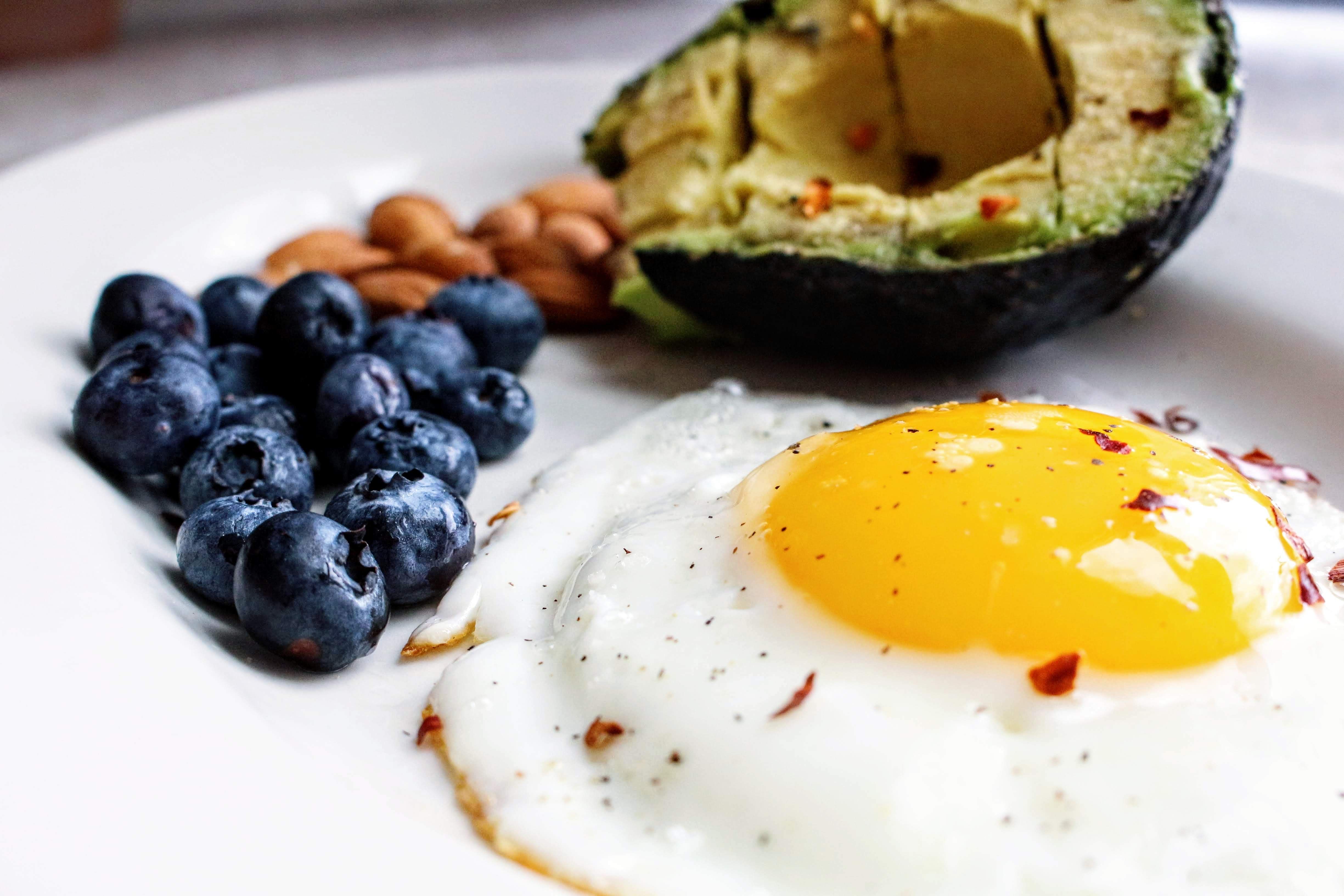
Postprandial glucose explained: see how fiber, protein, and fat reshape your blood sugar curve after meals, with evidence you can test on your CGM.
Table of Contents
- Key Takeaways
- What Shapes Your Blood Sugar After a Meal
- Fiber: The Gel That Slows Sugar Down
- Protein: The Pre Meal Brake
- Fat: A Later, Flatter Peak With a Catch
- Putting the Three Together
- How to Test This on Your Own CGM
- Limits and When to See a Doctor
- The Gap in the Evidence
- Frequently Asked Questions
- References and Sources
Key Takeaways
- Postprandial glucose simply means your blood sugar after eating. Its shape depends on more than the carbs on the label.
- The speed that food leaves your stomach is a major driver of how high and how fast your blood sugar climbs.
- Gel forming (viscous) fibers such as oat and barley beta glucan, psyllium, and guar slow sugar absorption. Cooking and processing can weaken the effect.
- In small trials, 55 g of whey protein taken 30 minutes before a carb meal slowed stomach emptying and cut the after meal glucose rise in people with type 2 diabetes.
- Fat taken before a carb meal delays and flattens the first peak. In type 1 diabetes, high fat meals can also raise glucose hours later.
- Most evidence comes from small studies in people with diabetes, so check each change on your own sensor.
Two Meals With the Same Carbs Can Give Two Different Curves
A bowl of mashed potato eaten alone and the same bowl eaten after a protein shake produce very different blood sugar curves. In a Diabetes Care study from Adelaide, adding a whey drink before a potato meal sharply reduced the glucose rise in people with type 2 diabetes. The carbs were identical. The order and the company they kept were not.
A 2019 review in Frontiers in Endocrinology on macronutrient preloads reached a striking conclusion. It reported that eating protein and vegetables before carbohydrate lowered the glucose peak by about 40 percent and the total glucose excursion by 50 to 70 percent, compared with eating the same foods mixed together or in the reverse order. This guide explains why, one nutrient at a time.
What Shapes Your Blood Sugar After a Meal
Researchers describe two main drivers. The first is how fast your stomach empties. Sugar cannot be absorbed until food reaches your small intestine, so a slower stomach means a slower rise. Studies from the Adelaide group describe gastric emptying as a major determinant of the glucose response after a meal.
The second driver is your gut hormones. When food reaches your intestine, your gut releases signals called incretins, mainly GLP1 and GIP. These tell your pancreas to release insulin, the hormone that moves sugar out of the blood. Protein and fat both trigger these signals, which is part of why they change the shape of the curve.
Your own body adds a third layer. In the 2015 Weizmann Institute study of 800 people, identical meals produced very different glucose responses from person to person. So every result below is a pattern to test, not a promise.
Fiber: The Gel That Slows Sugar Down
Not all fiber works the same way. The type that matters most for blood sugar is viscous soluble fiber, which turns thick and gel like in your gut. Examples include beta glucan from oats and barley, psyllium, and guar gum. A 2018 review by Cassidy and colleagues explains that these fibers slow the rate that glucose is absorbed after a high carb meal because of their thickness.
Dose and form matter. A European Food Safety Authority panel concluded that 4 g of oat or barley beta glucan for every 30 g of available carbohydrate is needed for a consistent drop in after meal glucose. A meta analysis of oat beta glucan found that the size of the effect depends on dose, molecular weight, and the comparison used. The Cassidy review also warns that food processing can reduce the thickness of a fiber, which weakens its benefit.
In plain terms, a spoonful of oats stirred into a cooked meal may do little, while a large bowl of minimally processed oats or barley with the carbs in the same meal is more likely to matter. Your sensor will tell you.
Protein: The Pre Meal Brake
Protein has some of the clearest evidence, mostly from a research group in Adelaide, Australia.
- In a 2009 study in Diabetes Care, eight people with diet controlled type 2 diabetes drank beef soup 30 minutes before a potato meal. The soup had 55 g of whey protein added before the meal, mixed into the potato, or not at all. Stomach emptying was slowest after the whey drink taken first. Glucose rose less when whey came first or with the meal. Insulin and gut hormones rose more, and GLP1 was highest with the pre meal drink.
- A smaller dose has also been tried. In a 2015 conference abstract, 20 g of whey with 5 g of guar fiber, taken 15 minutes before a meal, slowed stomach emptying and improved after meal glucose in people with type 2 diabetes whose control was fairly good.
- The Frontiers review also notes a roughly 30 percent drop in glucose after a high glycemic index meal when 50 g of whey was taken first.
Food works too. In the 2015 Weill Cornell pilot study, 11 people with type 2 diabetes ate chicken, salad, and broccoli before bread and orange juice. Their glucose was about 29, 37, and 17 percent lower at 30, 60, and 120 minutes than when they ate the carbs first.
These studies were small and mostly in people with diabetes. A 55 g whey dose is also large for daily use. Treat the numbers as proof that the mechanism is real, not as a dose to copy.
Fat: A Later, Flatter Peak With a Catch
Fat slows the stomach more than any other nutrient. In a 2006 trial in the Journal of Clinical Endocrinology and Metabolism, six men with type 2 diabetes ate mashed potato after drinking 30 mL of olive oil 30 minutes earlier. The oil markedly slowed stomach emptying and delayed the rise in glucose, so the peak arrived later. It also lowered the rise in insulin and GIP while boosting GLP1.
An older study of eight healthy people found that adding 50 g of butter to a potato meal lowered the glucose response. The insulin response did not fall, which suggests that fat can boost insulin release. The authors noted that this could matter for insulin sensitivity over the long term.
The Catch: A Longer Tail
Slowing digestion does not always mean a smaller total. In type 1 diabetes, a 2013 Diabetes Care trial found that a high fat dinner raised glucose and increased insulin needs compared with a lower fat dinner with the same carbs. A review of seven studies in 103 people with type 1 diabetes found that added fat lowered the first two to three hours of glucose in two studies, yet meals high in both carbs and fat caused sustained high glucose later. The reviewers pointed to free fatty acids that reduce insulin sensitivity. Pizza is the classic example of this late rise.
We do not have the same detailed data in healthy adults, so the safest tip is practical. If you test a fatty meal, watch your sensor for three to five hours and not just the first hour.
Putting the Three Together
Here is what the studies suggest you might see on your graph:
- Viscous fiber with the carbs: a lower and flatter rise.
- Protein and vegetables first: a lower peak that arrives a little later.
- Fat with or before the carbs: a delayed first peak, and possibly a longer tail.
These are expectations drawn from the trials above. Your own response may differ, as the Weizmann study showed.
How to Test This on Your Own CGM
- Pick one meal that spikes you reliably and keep the carb amount the same.
- Eat it plainly three times at the same hour and log your peak, the time to peak, and the time to return to baseline. This is your baseline.
- Change one thing for three more meals, such as eating the protein and vegetables first, or adding a bowl of oats with the carbs.
- Watch the sensor for at least three hours and, for high fat meals, up to five.
- Keep the change that lowers your peak without creating a late rise.
Limits and When to See a Doctor
Most of this evidence comes from small studies in people with type 2 or type 1 diabetes. If you take insulin or diabetes pills, do not change your meals or add protein or fiber supplements without your care team, because glucose can drop too low or rise later than you expect. People with kidney disease should ask a doctor before adding large amounts of protein. Talk to a doctor if your readings often pass 140 mg/dL after meals.
The Gap in the Evidence
We have careful lab studies of single foods in small groups, but very few trials of full, ordinary meals in healthy people wearing CGMs. Nobody has shown that a lower after meal curve in a healthy person changes long term health. The most useful future study would give hundreds of healthy people the same meals in different orders and track their sensors for a month.
Frequently Asked Questions
What does postprandial glucose mean?
It means blood sugar after you eat. The word postprandial comes from Latin and means after a meal.
Does fat lower blood sugar spikes?
It can delay and flatten the first peak by slowing stomach emptying. In type 1 diabetes, high fat meals can also raise glucose hours later, so watch your sensor for several hours.
Does protein raise blood sugar?
Eaten before carbs, protein lowered the glucose rise in small trials in people with type 2 diabetes. In type 1 diabetes, a review found that protein raised glucose in the late period after a meal.
How much oat fiber do I need?
A European panel concluded that 4 g of oat or barley beta glucan per 30 g of available carbohydrate gives a consistent reduction. Check the label for beta glucan content.
Should I eat fat before carbs?
The evidence is stronger for protein and vegetables first. Fat delays the peak but may lengthen the curve, so test it on your own sensor.
Do these tips work if I do not have diabetes?
The studies mostly involve people with diabetes, so the effect in healthy people is probably smaller. The habits are low risk, so they are worth testing on your CGM.
References and Sources
- Ma J, Stevens JE, et al. Effects of a protein preload on gastric emptying, glycemia, and gut hormones after a carbohydrate meal in diet controlled type 2 diabetes. Diabetes Care, 2009. https://pubmed.ncbi.nlm.nih.gov/19542012/
- A low dose whey protein preload slows gastric emptying and improves postprandial glycaemia in type 2 diabetes. Conference abstract. https://ads-adea-2015.m.asnevents.com.au/schedule/session/6903/abstract/26889
- Frontiers in Endocrinology, 2019 review of macronutrient preloads and food order. https://www.frontiersin.org/journals/endocrinology/articles/10.3389/fendo.2019.00144/epub
- Gentilcore D, Chaikomin R, Jones KL, et al. Effects of Fat on Gastric Emptying of and the Glycemic, Insulin, and Incretin Responses to a Carbohydrate Meal in Type 2 Diabetes. Journal of Clinical Endocrinology and Metabolism, 2006. https://doi.org/10.1210/jc.2005-2644
- The effect of coingestion of fat on the glucose, insulin, and gastric inhibitory polypeptide responses to carbohydrate and protein. https://pubmed.ncbi.nlm.nih.gov/6342357/
- Wolpert HA, et al. Dietary Fat Acutely Increases Glucose Concentrations and Insulin Requirements in Patients With Type 1 Diabetes. Diabetes Care, 2013. https://pmc.ncbi.nlm.nih.gov/articles/PMC3609492/
- Impact of Fat, Protein, and Glycemic Index on Postprandial Glucose Control in Type 1 Diabetes: Implications for Intensive Diabetes Management in the Continuous Glucose Monitoring Era. Diabetes Care. Summary: https://dagensdiabetes.se/?p=1852
- Cassidy YM, McSorley EM, Allsopp PJ. Effect of soluble dietary fibre on postprandial blood glucose response and its potential as a functional food ingredient. 2018. https://agris.fao.org/search/es/records/65de55b70f3e94b9e5cda552
- The effect of oat beta glucan on postprandial blood glucose and insulin responses: a systematic review and meta analysis. https://pmc.ncbi.nlm.nih.gov/articles/PMC8563417/
- Shukla AP, Iliescu RG, Thomas CE, Aronne LJ. Food Order Has a Significant Impact on Postprandial Glucose and Insulin Levels. Diabetes Care, 2015. https://pmc.ncbi.nlm.nih.gov/articles/PMC4876745
- Zeevi D, Korem T, Zmora N, et al. Personalized Nutrition by Prediction of Glycemic Responses. Cell, 2015. https://doi.org/10.1016/j.cell.2015.11.001
ABIODUN EMMANUEL
An SEO content writer focused on creating clear, persuasive, and engaging content.
About The Author


