
Margin figures for this exact comparison range from 15 percent to over 80 percent depending on which source you read, and that spread isn’t because anyone’s lying. Most of it comes down to a distinction rarely made explicit: gross margin, the difference between what you pay a supplier and what you charge, versus net margin, what’s actually left after advertising spend, platform fees, and returns. A dropshipping product can show an 82 percent gross margin on paper and still net a seller $7 to $12 per sale once realistic ad costs are subtracted. Getting that distinction straight matters more than any single percentage in this comparison.
What Actually Separates the Two Models
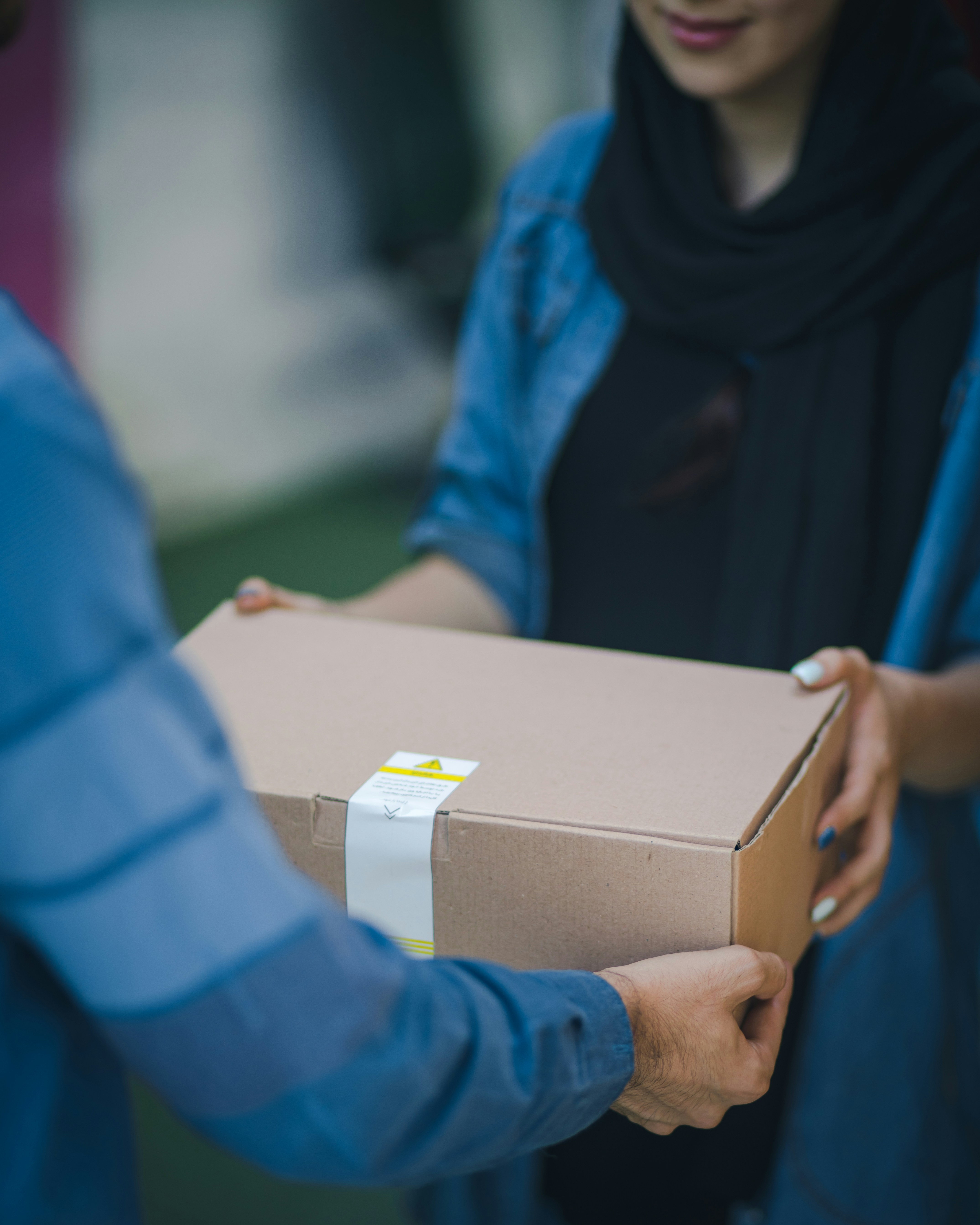
Dropshipping means selling existing, mass-produced products sourced from a wholesale supplier, commonly overseas, who ships directly to your customer once an order comes in. You never touch, design, or customize the product itself. Print on demand means selling products carrying your own original design, printed onto a blank item, a t-shirt, mug, hoodie, only after a customer orders, with a supplier like Printful or Printify handling production and fulfillment. Both models share the core appeal of no upfront inventory investment, but they differ fundamentally in what you’re actually selling: a commodity product in dropshipping, versus a differentiated product built around your own design in print on demand.
The Real Margin Numbers, With the Gross-vs-Net Distinction Made Explicit
On a gross margin basis, before subtracting advertising costs, one large-scale analysis of nearly 6,000 dropshipping products found a median gross margin around 82 percent, with $5 median supplier costs on the products analyzed. That number looks dramatically better than print on demand’s typical 30 to 55 percent gross margin range cited across several print-focused sources. The picture flips once advertising spend enters the calculation, since dropshipping’s business model depends almost entirely on paid traffic to find buyers for a product with no inherent brand differentiation. After a realistic $5 to $10 customer acquisition cost, net profit per dropshipping sale commonly lands in the $3 to $12 range on a product priced around $25, translating to a net margin closer to 15 to 30 percent once ad spend is honestly accounted for.
Print on demand’s margin holds up more consistently between gross and net, specifically because a well-designed POD product can generate organic traffic and repeat interest through the design itself, search, social sharing, existing audience, rather than depending entirely on paid acquisition the way a commodity dropshipped product does. Several sources converge on a $10 to $35 net profit range per POD sale, translating to a genuinely comparable or better net margin than dropshipping once both models’ full cost structure is accounted for honestly.
The Structural Advantage Most 2026 Comparisons Are Still Missing
A 15 percent global import surcharge took effect in February 2026, a real, dated regulatory change with direct relevance to this comparison that a lot of still-circulating content predates. Dropshipping’s supply chain runs overseas almost by default, one large product database analysis found 100 percent of the dropshipping products it tracked shipped from China, with a median transit time of over 13 days. That combination, tariff exposure plus long shipping times, hits dropshipping’s cost structure and customer experience simultaneously in a way print on demand, particularly through a supplier with domestic US fulfillment, is considerably more insulated from. Higher-priced dropshipping categories, beauty and pet supplies among the examples cited with margins above 80 percent, absorb that tariff impact better than lower-priced commodity items, where the same surcharge compresses an already thin margin considerably further.
This is worth treating as a genuine, current structural factor in the comparison rather than a minor cost adjustment, since it changes the calculus specifically for anyone planning a dropshipping business around low-cost, high-volume items sourced from overseas suppliers, the classic dropshipping model most beginner content still describes without accounting for this shift.
Startup Cost: A Real, Measurable Gap
Print on demand requires close to zero upfront capital beyond a sales channel account, since you’re not paying for inventory, product samples, or advance stock of any kind, and many POD platforms integrate directly with existing marketplaces like Etsy or a Shopify store you may already have. Dropshipping realistically requires a meaningfully larger starting budget, commonly cited in the $500 to $2,000 range once you account for a Shopify subscription, paid product research tools, and, critically, an advertising budget for testing which specific products actually convert, since dropshipping’s reliance on paid traffic means testing itself costs real money before you know whether a given product is viable at all.
Brand Defensibility: Why This Matters More Than It Sounds
Print on demand products, built around your own original design, are considerably more defensible as a long-term brand asset than a dropshipped product anyone else can source from the same overseas supplier and sell alongside you at a similar price. A dropshipping store competing purely on being one of many sellers of an identical product has structurally weak pricing power and no real barrier stopping a competitor from undercutting you on the exact same item. A POD store built around a genuinely distinctive design has real intellectual property behind it, stronger customer loyalty tied to that specific aesthetic, and materially more pricing power as a result, a difference that shows up directly in the margin data covered above.
This distinction also affects how each business type is eventually valued if you ever consider selling it. A dropshipping store’s value depends heavily on whether its traffic and margins are durable without the current owner’s specific paid advertising strategy propping it up, while a POD brand’s design catalog and customer loyalty are more transferable assets in their own right.
Where Dropshipping Still Wins
Dropshipping’s genuinely lower barrier to testing a wide range of products quickly, without committing to a specific design or aesthetic direction, remains a real advantage for anyone specifically interested in rapid product testing and iteration across many different product categories rather than building a singular, design-led brand. For a seller optimizing purely for near-term cash flow through volume and paid traffic efficiency, rather than a durable, brand-based long-term asset, dropshipping’s model still has a legitimate place, provided the seller goes in with accurate expectations about margin after realistic ad costs rather than the inflated gross-margin figures that dominate promotional content about the model.
How AI Design Tools Have Changed Print on Demand’s Biggest Historical Weakness
Print on demand’s traditional bottleneck wasn’t margin, it was design production speed: building a genuinely differentiated catalog of original designs used to require either real design skill or paying a designer per piece, a real friction point that made dropshipping’s ready-made product catalog look more practical for anyone without design experience. That bottleneck has narrowed considerably as AI-assisted design tools have matured, with platforms reporting trial-to-paid conversion rates above 30 percent specifically by automating original design generation and product mockups, letting a non-designer produce a genuinely differentiated catalog considerably faster and cheaper than commissioning individual designs previously required.
This shift matters for the overall comparison because it directly addresses print on demand’s main historical disadvantage relative to dropshipping’s lower skill barrier, without changing POD’s structural margin and brand-defensibility advantages covered above. A beginner in 2026 evaluating this decision faces a meaningfully smaller design-skill gap between the two models than a beginner evaluating the same choice even a couple of years earlier, which shifts the practical decision more toward the underlying margin, brand, and supply-chain factors covered throughout this article rather than being decided by design capability alone.
Choosing a Supplier Matters as Much as Choosing a Model
Within either model, the specific supplier you choose meaningfully affects your real-world margin and customer experience, a decision worth treating as seriously as the model choice itself rather than an afterthought. For print on demand, Printful and Printify remain the two most commonly compared suppliers, with Printify generally offering lower base costs through a wider network of print partners and Printful generally offering more consistent quality control through its own owned facilities, a real tradeoff between cost and consistency worth testing directly with sample orders before committing a full catalog to either. Bulk order discounts, available through some POD suppliers for higher-volume sellers, can meaningfully improve margin once a specific design proves it sells consistently, making supplier terms worth revisiting periodically rather than treating your initial supplier choice as permanent.
For dropshipping, supplier vetting matters even more directly, since fulfillment speed and product quality are entirely outside your control once an order is placed, and a supplier with inconsistent quality or unreliable shipping times directly damages your store’s reputation regardless of how effective your marketing was in generating the sale in the first place. Ordering samples yourself before listing any product, and monitoring actual delivery times and customer complaints closely once a product goes live, are basic due diligence steps that a meaningful share of new dropshipping sellers skip in the rush to launch quickly, a mistake that shows up later as returns, chargebacks, and negative reviews that a faster, more careful vetting process upfront would have caught.
How to Actually Decide
If you have design skills or are willing to invest in commissioning genuinely original designs, want a business with real long-term brand value, and can tolerate near-zero starting capital in exchange for a slower initial ramp while you build an audience, print on demand’s margin structure and current tariff-insulation advantage make it the stronger default in 2026. If you specifically want to test many different product categories quickly, have real advertising budget to invest upfront, and are comfortable with a business model whose durability depends heavily on ongoing paid traffic efficiency rather than a defensible brand asset, dropshipping remains viable, provided your margin expectations are based on net numbers after realistic ad spend rather than gross margin figures that don’t reflect what you’ll actually keep.
Common Questions About Print on Demand vs Dropshipping
Which model actually has higher profit margins?
It depends on whether you’re measuring gross or net margin. Dropshipping can show higher gross margins on paper, sometimes above 80 percent, but after realistic advertising costs, net margins for both models commonly land in similar or overlapping ranges, with several sources citing print on demand’s net profit per sale as equal to or higher than dropshipping’s once ad spend is subtracted from both.
How did the 2026 tariff changes affect dropshipping specifically?
A 15 percent global import surcharge took effect in February 2026, disproportionately affecting dropshipping given its heavy reliance on overseas, primarily Chinese, suppliers. Higher-priced product categories absorb this impact more easily than the low-cost, high-volume items that define classic dropshipping.
Which model requires less starting capital?
Print on demand, since it requires no inventory purchase and no advertising budget to test products the way dropshipping typically does. Dropshipping commonly requires $500 to $2,000 in realistic starting capital once platform subscriptions, research tools, and ad-testing budget are factored in.
Can I combine both models in the same store?
Yes, and some sellers deliberately do, using print on demand’s design-led products to build brand loyalty and organic traffic while using dropshipped products to round out a catalog or test additional categories without committing to a full design and production cycle for every item.
The Bottom Line
Neither model is objectively more profitable in every scenario, and any comparison citing a single margin percentage without specifying gross or net is leaving out the detail that actually determines the real answer. Print on demand’s design-led differentiation, lower starting capital requirement, and reduced exposure to 2026’s import surcharge give it a genuine edge for anyone building toward a durable brand. Dropshipping remains a legitimate model for rapid, broad product testing backed by real advertising budget, provided your margin expectations are built on net numbers rather than the inflated gross figures that dominate a lot of promotional coverage of the model.
References and Sources
ProductLair, “Print on Demand vs Dropshipping 2026 (Real Margin Data)”: https://productlair.com/blog/print-on-demand-vs-dropshipping
Merch Titans, “Print on Demand vs Dropshipping: Which Wins in 2026?”: https://merchtitans.com/blog/print-on-demand-vs-dropshipping
Yoycol, “Print on Demand vs Dropshipping: Which Makes More Money? (2026)”: https://www.yoycol.com/blog/print-on-demand-vs-dropshipping/
EverBee, “Dropshipping vs Print On Demand: Guide For 2026”: https://everbee.io/dropshipping-vs-print-on-demand-guide-for-2026/
Kittl, “Print on demand vs dropshipping: 7 differences in 2026”: https://www.kittl.com/blogs/print-on-demand-vs-dropshipping-pod/
Skup, “Print on Demand vs Dropshipping: Which Model Wins in 2026?”: https://skup.net/blog/print-on-demand-vs-dropshipping/
About The Author


