The world is not sliding into chaos. It is reorganising itself under stress. What you are watching is not random conflict but the slow crystallisation of rival power systems that no longer trust shared rules, shared institutions, or shared restraint. Wars today look local on the map, yet global in consequence. Trade routes fracture. Technology stacks split. Energy flows weaponise. Diplomacy thins into signalling and threats.
If you believe the next world war will begin with a formal declaration, you are already behind events. The real question you should ask is simpler and more uncomfortable. How many irreversible decisions can pile up before leaders lose the option to step back?
This analysis breaks down five structural causes that could ignite a global war, how nations are likely to align if escalation accelerates, what 2026 realistically looks like, and where nuclear conflict fits into this trajectory. Not speculation. Pattern recognition.
Cause 1: The Collapse of the Post-1945 Security Architecture
The global order built after World War II still exists on paper. In practice, it no longer restrains power.
Institutions designed to manage conflict now reflect power imbalances from a different century. Vetoes replace consensus. Enforcement depends on selective will. Norms hold only when they align with national interest.
Key symptoms you should not ignore:
-
The UN Security Council fails to act on major wars involving its permanent members or their allies
-
Arms control treaties expire without replacement
-
International law shifts from binding framework to rhetorical instrument
-
Sanctions replace diplomacy as the first, not last, resort
When rules lose legitimacy, states fall back on raw capability. That shift rewards military readiness, economic coercion, cyber disruption, and information warfare.
United Nations was designed to prevent great-power war through collective restraint. What it delivers today is managed stalemate. That gap creates space for unilateral action and proxy escalation.
History shows that wars between major powers begin not when institutions exist, but when they stop working.
Cause 2: The US–China Strategic Collision Is No Longer Theoretical
United States and China no longer compete inside a shared system. They now build parallel ones.
This rivalry cuts across every critical domain:
-
Military presence in the Indo-Pacific
-
Control of advanced semiconductors and AI infrastructure
-
Maritime trade routes and choke points
-
Currency influence and financial plumbing
-
Narrative dominance across the Global South
The most dangerous flashpoint remains Taiwan.
Be clear about the stakes. For Beijing, Taiwan represents sovereignty and regime legitimacy. For Washington, Taiwan represents alliance credibility and control of a critical technology corridor.
Neither side believes the other will concede. Both sides fear delay strengthens the opponent.
That combination breeds miscalculation.
A naval collision. A blockade. A cyberattack on critical infrastructure. None of these require intent to escalate into global war. They require only failed crisis management under domestic pressure.
Once conflict breaks out in the Taiwan Strait, it will not stay regional. Japan, Australia, South Korea, NATO logistics, and global supply chains all enter the equation within days.
Cause 3: Europe’s War Has Not Stabilised. It Has Hardened.
The war in Ukraine reshaped Europe’s security posture more than any event since 1989.
Russia now treats conflict with the West as a long-term condition, not a temporary crisis. NATO expands, rearms, and reorients toward deterrence by denial.
This matters for three reasons.
First, military doctrines on both sides shift from expeditionary to territorial defence. That raises readiness, shortens response time, and increases the risk of rapid escalation.
Second, energy decoupling accelerates economic warfare. Europe rewires supply chains. Russia deepens ties with China, Iran, and sanctioned economies.
Third, arms production enters sustained wartime footing across multiple states.
Europe now lives with:
-
Forward-deployed forces near contested borders
-
Permanent sanctions regimes
-
Reduced diplomatic channels
-
Public acceptance of long-term confrontation
This environment reduces margin for error. Accidents become incidents. Incidents become tests of resolve.
A frozen conflict does not equal stability. It means pressure accumulates without release.
Cause 4: The Middle East Is Becoming a Multi-Front Deterrence Trap
The Middle East no longer revolves around one conflict. It now operates as an interconnected escalation system.
Israel, Iran, Gulf states, non-state militias, and global powers all operate inside overlapping red lines.
Key destabilising trends:
-
Precision missiles and drones spread across state and non-state actors
-
Maritime security in the Red Sea and Persian Gulf remains fragile
-
Iran approaches nuclear threshold capability without crossing it
-
US and allied forces face constant low-level attacks
This region matters globally because it sits at the intersection of energy supply, trade routes, and great-power signalling.
A regional war drawing in Iran and Israel would not stay contained. It would involve US forces, disrupt energy markets, pull in Russia and China diplomatically, and fracture already stressed economies.
The Middle East does not need a grand decision to explode. It needs only simultaneous misjudgements across multiple fronts.
Cause 5: Technology Has Outpaced Strategic Restraint
Modern war accelerates faster than human decision-making.
Artificial intelligence, cyber operations, autonomous weapons, and space-based assets now shape conflict escalation timelines measured in minutes, not days.
You should worry about three specific dynamics:
-
Cyberattacks that cripple civilian infrastructure yet fall below traditional war thresholds
-
AI-assisted targeting that compresses kill chains and reduces verification time
-
Anti-satellite weapons that blind communication and early warning systems
Deterrence relied on clarity and time. Technology now erodes both.
False positives become more dangerous. Leaders face pressure to respond before systems fail. Escalation ladders shorten.
No treaty currently governs these domains in a way major powers respect. That absence creates a strategic blind spot where escalation can outrun diplomacy.
How Countries Would Likely Divide in a Global Conflict
If a world war emerges, alignment will not mirror the 20th century. Expect blocs defined by capability and interest, not ideology.
Bloc One: The US-Led Security Network
-
United States
-
NATO members
-
Japan, South Korea, Australia
-
Select partners in Southeast Asia and the Middle East
Strengths: naval dominance, financial systems, advanced technology
Vulnerabilities: internal political fragmentation, economic exposure
Bloc Two: The China-Centric Axis
-
China
-
Russia
-
Iran
-
North Korea
-
Sanctioned or revisionist states
Strengths: industrial scale, energy resources, strategic patience
Vulnerabilities: economic isolation, demographic stress
The Swing States
-
India
-
Turkey
-
Brazil
-
Saudi Arabia
-
Indonesia
These states will avoid formal alignment while extracting concessions from all sides. Their decisions could tip balance regionally.
Non-alignment will not mean neutrality. It will mean transactional positioning.
2026 Outlook: What the Next 18 Months Really Look Like
A full-scale world war by 2026 remains unlikely. A world permanently positioned for war does not.
Expect these developments instead:
-
Sustained proxy conflicts with global supply chain impact
-
Rising defence budgets across Asia and Europe
-
Increased cyber incidents targeting infrastructure and elections
-
Diplomatic engagement focused on crisis management, not resolution
-
Financial fragmentation between Western and non-Western systems
The danger lies not in one dramatic event but in cumulative escalation across theatres.
Leaders will claim control. Systems will show strain.
Could There Be a Nuclear War?
Yes. Not by design. By failure.
Nuclear weapons still deter intentional annihilation. They do not prevent accidental escalation, misinterpretation, or coercive signalling gone wrong.
The most plausible nuclear scenarios involve:
-
Tactical nuclear use in a regional conflict to force de-escalation
-
Demonstrative detonation over unpopulated areas
-
Accidental launch triggered by false warning or cyber interference
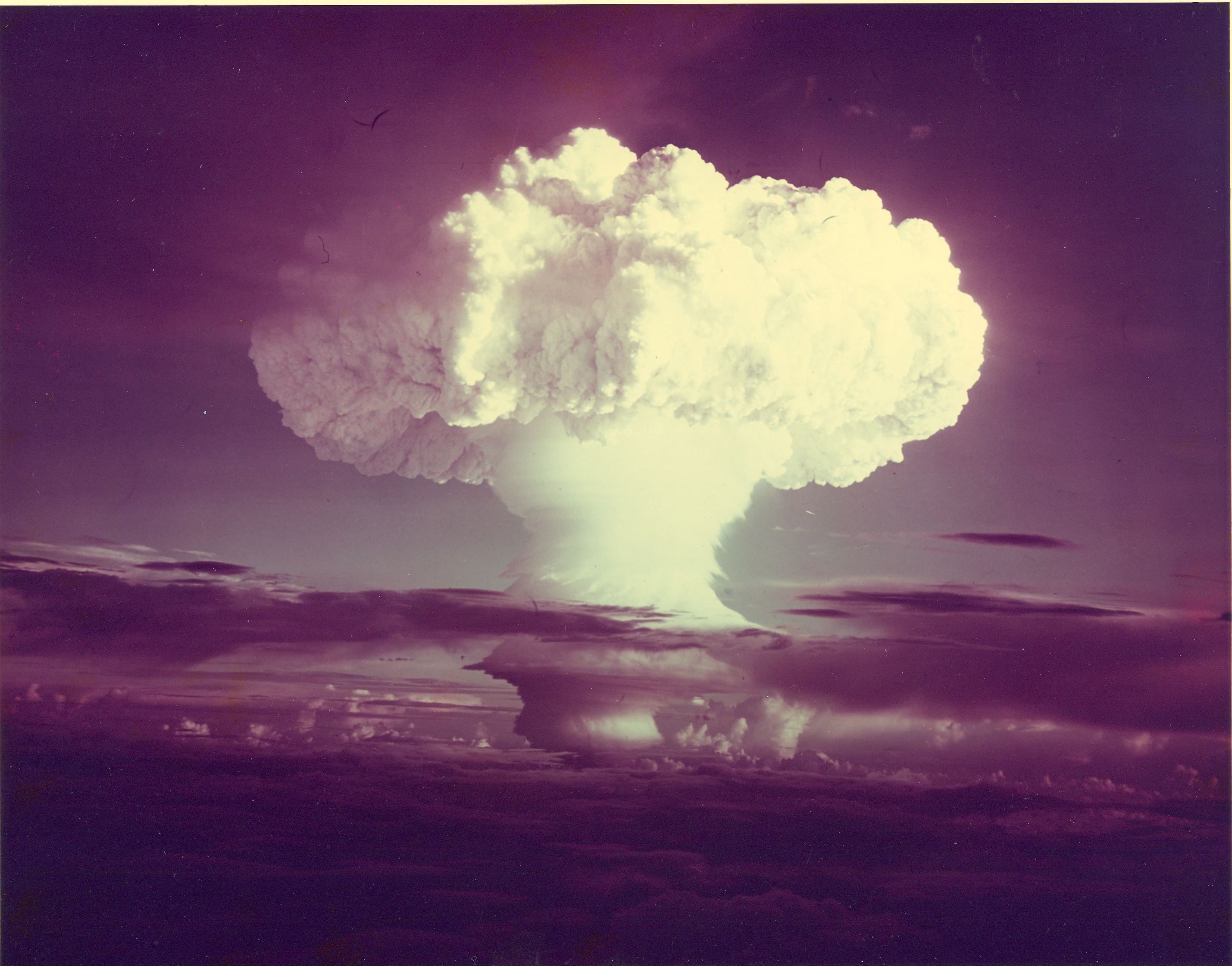
Once a nuclear weapon is used, even at limited scale, escalation control becomes theoretical.
What follows would include:
-
Immediate global financial collapse
-
Airspace shutdowns and trade paralysis
-
Refugee flows measured in tens of millions
-
Long-term environmental damage
-
Permanent erosion of nuclear taboo
No state wins such an outcome. Yet history shows that leaders under pressure sometimes choose irreversible actions to avoid perceived defeat.
What You Should Take Seriously
World wars do not arrive as surprises. They emerge from ignored warnings and normalised risk.
You should watch:
-
Breakdown of military-to-military communication
-
Rapid alliance commitments without diplomatic groundwork
-
Legal shifts allowing pre-emptive strikes
-
Public conditioning for long-term confrontation
The future hinges on restraint, not rhetoric. Strategy, not signalling.
The next world war is not inevitable. It is plausible. That distinction matters. Plausibility demands attention. Complacency invites catastrophe.
References
-
Stockholm International Peace Research Institute Yearbook – https://www.sipri.org
-
World Economic Forum Global Risks Report – https://www.weforum.org
-
International Institute for Strategic Studies Military Balance – https://www.iiss.org
-
UN Security Council Resolutions Archive – https://www.un.org/securitycouncil
-
US Department of Defense Indo-Pacific Strategy – https://www.defense.gov
-
Chinese Defense White Papers – http://english.www.gov.cn
-
NATO Strategic Concept – https://www.nato.int
-
International Atomic Energy Agency Reports – https://www.iaea.org
About The Author