
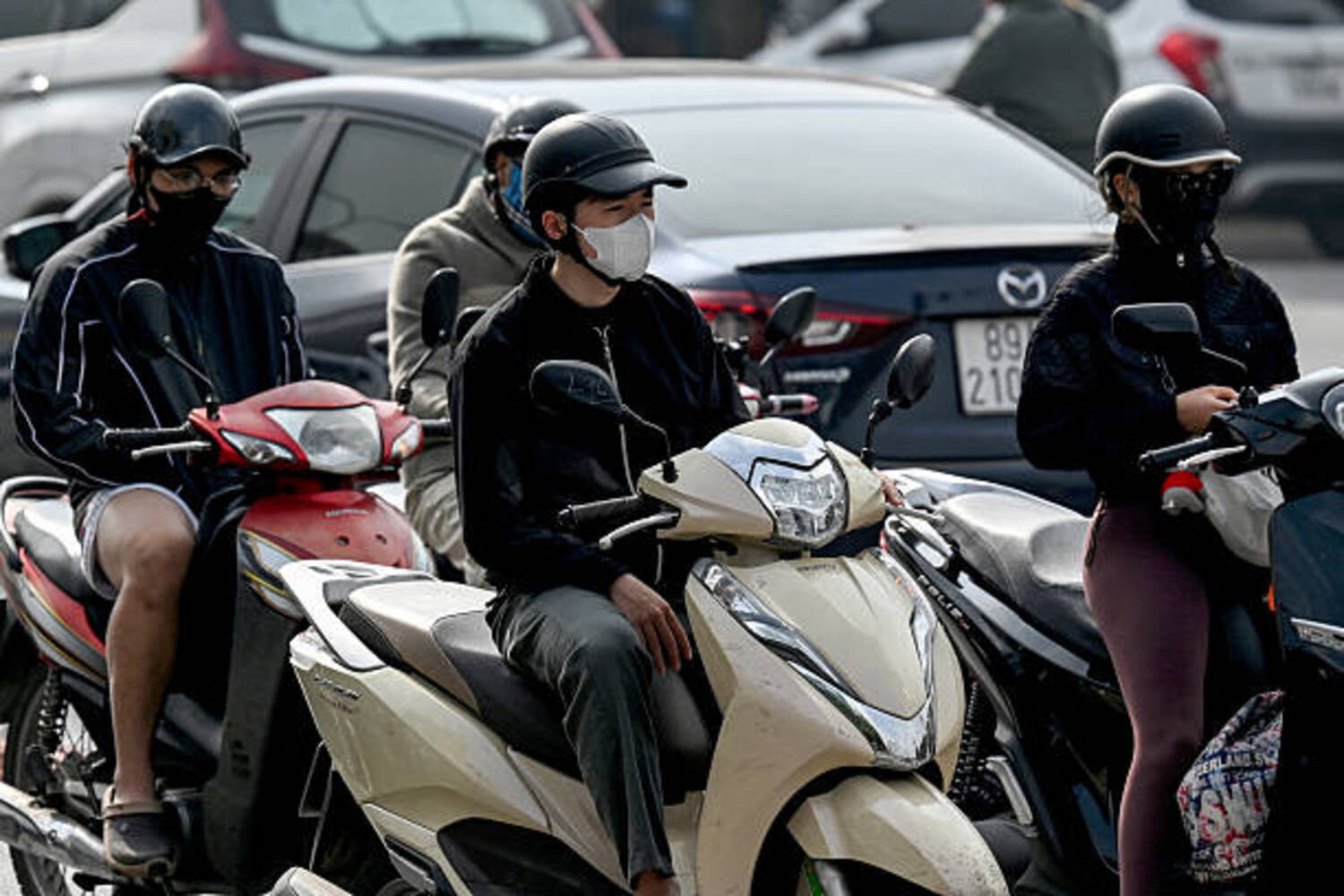
Cities rarely stay neutral when it comes to air quality. They either move toward cleaner policy frameworks or drift toward chronic pollution. When you follow the AQI patterns of the world’s major urban centers, you notice that air quality doesn’t just reflect environmental choices. It reflects political priorities, public health budgets, industrial zoning discipline, real estate pressure, citizen activism, and even a city’s social contract with its residents.
You live in a world where your respiratory health depends on decisions that were made years before you arrived in a city. You feel that difference the moment you step outside an airport. Some cities greet you with crisp visibility. Others greet you with burning eyes. You can often tell which path a city is on by watching four signals:
-
How governments treat transport emissions
-
How industries adopt compliance
-
How real estate influences zoning
-
How citizens respond to alerts
These forces shape the list you are about to read. The cities below aren’t ranked by the latest dataset. Instead, they are evaluated through long-term air quality patterns, scientific reporting, government transparency, and documented public health outcomes.
Cities With the Worst Air Quality (Top 10)
These cities sit at the bottom of the list due to rapid urban expansion, limited enforcement capacity, growing populations, coal-linked grids, or high diesel usage. If you live in any of these urban centers, you already know the pattern: visible haze in the early morning, particulate spikes during winter, and recurring government restrictions that return each year without lasting change.
1. Delhi, India
Delhi remains one of the most examined pollution cases in the world. You see AQI spikes that exceed global thresholds through large parts of the year. Vehicular emissions remain high because the region has millions of daily commuters. Crop burning from surrounding states contributes to seasonal spikes. Winter inversion traps particulate matter closer to the ground. The city has tightened norms, pushed for electric mobility, and introduced graded response systems, yet long-term load remains heavy.
Drivers of poor air quality:
-
Biomass and crop residue burning
-
Vehicular load from NCR commuters
-
Winter inversion
-
Construction dust
You notice these issues repeating each year because regional cooperation remains slow.
2. Lahore, Pakistan
Lahore experiences some of the highest particulate concentrations in South Asia during winter. Brick kiln clusters, diesel vehicles, and unregulated industry create a consistent pollution profile. You see smog episodes that reduce visibility to near-zero levels. The city has implemented shutdowns and bans, yet enforcement continues to fall short.
Major factors:
-
Old diesel vehicles
-
Kiln operations
-
Burning of solid waste
-
Limited monitoring capacity
Residents often rely on private sensors because official numbers underreport spikes.
3. Dhaka, Bangladesh
Dhaka combines overpopulation, high-density construction, brick kilns, and traffic congestion. Its population expands faster than its ability to regulate construction dust. Brick kilns surrounding the city produce large volumes of PM2.5. Seasonal wind patterns worsen the situation.
Key contributors:
-
Rapid urban construction
-
Kiln clusters
-
Overloaded transport corridors
-
High humidity that traps pollutants
You see visible haze nearly year-round.
4. Hotan, China
Hotan’s pollution is shaped less by vehicles and more by dust storms from the Taklamakan Desert. Natural dust mixes with industrial emissions from mining and manufacturing. While China’s enforcement is strong in coastal regions, western cities still face monitoring challenges.
Drivers:
-
Dust storms
-
Mining activities
-
Arid climate
-
Limited green cover
Natural factors make mitigation tougher than in industrial cities.
5. Kabul, Afghanistan
Kabul faces unregulated fuel use, generator emissions, and burning of low-grade coal during winter. Conflict-linked instability weakens environmental governance. You find spikes in winter that severely impact respiratory health.
Core causes:
-
Low-grade solid fuel
-
Aging vehicles
-
Limited enforcement
-
Winter heating demand
Air pollution became a public health crisis during winters with no alternative heating solutions.
6. Ulaanbaatar, Mongolia
Long winters force residents to burn raw coal. Even though the government introduced cleaner fuels, older heating systems and ger district stoves continue to emit heavy particulate matter. Winter inversion amplifies the load.
Primary drivers:
-
Heating demand
-
Coal-based energy
-
Inversion effect
-
Urban sprawl without modern heating grids
Children in winter months often miss school due to respiratory infections.
7. Jakarta, Indonesia
Jakarta’s mix of unplanned growth, traffic congestion, and industrial emissions places it consistently among the more polluted cities in Southeast Asia. Reclamation projects and construction activity worsen dust levels.
Major drivers:
-
Vehicular density
-
Industrial corridors near residential areas
-
Construction dust
-
Coastal humidity that traps pollutants
Legal action has pushed authorities toward stronger clean-air commitments, yet urban sprawl continues.
8. Tehran, Iran
Tehran’s pollution peaks during winter when inversion traps pollutants against the Alborz Mountains. A high number of cars, fuel quality concerns, and refinery emissions shape the city’s profile.
Key drivers:
-
Mountain geography
-
Winter inversion
-
High vehicle usage
-
Aged fleet
Many residents rely on alerts for outdoor activity decisions.
9. Beijing (Historic), China
Beijing’s position on this list comes with a major transformation story. The city once faced severe pollution due to coal-powered industry and rapid growth. Today, aggressive policy reforms, relocation of factories, strict fuel norms, and public pressure have delivered some of the fastest improvements recorded by any large city. While Beijing has moved closer to moderate AQI levels, its legacy makes it relevant here.
Drivers of earlier spikes:
-
Coal reliance
-
Expansion of manufacturing
-
High vehicle count
-
Geographic constraints
You see Beijing now used as a case study for aggressive mitigation.
10. Mexico City, Mexico
Mexico City sits in a valley with limited airflow. Emissions from transport, industry, and household energy remain significant. The city has improved monitoring and adopted cleaner transport programs, yet geography continues to work against it.
Key drivers:
-
Basin geography
-
Transport emissions
-
Industrial pockets
-
Ozone formation during warm months
Air quality alerts remain common during dry seasons.
Cities With the Best Air Quality (Top 10)
These cities have built decades-long discipline around urban design, energy strategy, transport policy, and industrial enforcement. You often see them combining clean grids, strong monitoring, advanced regulation, and citizen-driven environmental expectations. Many of these cities treat clean air not as an environmental good but as a competitiveness strategy.
1. Zurich, Switzerland
Zurich stands out because it embeds environmental quality into policy design. Its public transport system reduces dependence on private vehicles. Hydropower dominates the energy mix. Building codes promote efficiency. The city invests heavily in green corridors that disperse pollutants.
Why it performs well:
-
High public transport adoption
-
Clean energy infrastructure
-
Strict construction codes
-
Active citizen participation
If you walk through the city, you feel the difference immediately.
2. Helsinki, Finland
Helsinki combines clean energy, strong zoning laws, and rapid decarbonization. The government plans to phase out coal-based heating. Cycling culture reduces road load. Air monitoring is transparent and comprehensive.
Key factors:
-
District heating upgrades
-
Strong cycling infrastructure
-
Public demand for clean policy
-
Limited industrial density
AQI levels often stay within recommended ranges through the year.
3. Wellington, New Zealand
Wellington benefits from strong coastal winds that disperse pollutants quickly. Yet the city still invests in clean transport, strict vehicle standards, and green planning. Natural ventilation works with policy rather than replacing it.
Drivers of clean air:
-
Wind patterns
-
Strong standards
-
Limited heavy industry
-
Clean energy mix
You rarely see persistent particulate loads.
4. Reykjavik, Iceland
Reykjavik runs almost entirely on geothermal and hydropower. Traffic volumes remain moderate. Industrial activity is limited. The city’s clean-energy identity shapes its global reputation.
Factors:
-
Geothermal grid
-
Hydropower dominance
-
Low industrial emissions
-
Limited urban sprawl
Residents rarely experience major AQI fluctuations.
5. Calgary, Canada
Calgary benefits from clean energy, strong air monitoring, and low industrial density near residential areas. Cold, dry weather reduces humidity-driven pollution retention. The city invests in nature-based buffers.
Key contributors:
-
Clean energy
-
Urban planning
-
Low congestion relative to city size
-
Strong environmental enforcement
AQI levels remain stable across seasons.
6. Adelaide, Australia
Adelaide has strong urban planning discipline. You find wide roads, large green spaces, and strict construction controls. Its energy mix has shifted toward renewables faster than many global cities.
Drivers:
-
Green spaces
-
Low industrial congestion
-
High standards for transport emissions
-
Rapid renewable expansion
Even during peak summer, AQI levels stay within safe thresholds.
7. Stockholm, Sweden
Stockholm integrates district heating, electric transport, congestion pricing, and strong regulatory oversight. The city treats environmental policy as a core part of its economic model. Citizen expectations remain high.
Key factors:
-
Electric transport
-
Congestion pricing
-
Strict industrial norms
-
High compliance culture
AQI rarely shows dramatic spikes.
8. Honolulu, United States
Honolulu benefits from strong ocean winds and low industrial load. Yet the city still enforces clean transport and energy standards. Natural airflow supports the city’s clean-air reputation.
Drivers:
-
Coastal wind circulation
-
Low industrial density
-
High share of clean-energy adoption
-
Strong public health regulations
You see stable air quality across seasons.
9. Vienna, Austria
Vienna maintains strict zoning rules that keep industry away from dense neighborhoods. It invests in clean transport, district heating, and green spaces. Public expectations shape strong compliance.
Key contributors:
-
Clean transport
-
Well-planned urban density
-
Heavy investment in monitoring
-
Natural ventilation through open spaces
AQI remains within safe limits through most of the year.
10. Auckland, New Zealand
Auckland combines coastal winds with strong planning controls. Its maritime climate disperses pollutants quickly. Yet policies still support low-emission transport and moderate industrial load.
Drivers:
-
Maritime airflow
-
Limited industrial activity
-
Strong standards
-
Clean vehicle adoption
Residents rarely report severe pollution episodes.
What These Twenty Cities Reveal About Your Future
When you compare the two lists, you notice that air quality depends on choices made long before pollution turns visible. You also notice that citizens in cleaner cities demand stronger standards. Meanwhile, cities with severe pollution often struggle with slower enforcement, budget constraints, and competing political priorities. The data points to several themes that matter for any urban resident.
1. Energy sources shape the baseline
Cities with cleaner grids tend to maintain healthier AQI ranges. Look at Reykjavik or Zurich. Cities dependent on coal or low-grade fuel face heavier loads.
This matters to you because:
-
Your health improves when clean energy forms the base
-
Your commute becomes safer
-
Your city avoids seasonal medical load
When cities shift away from coal or diesel, the impact is immediate.
2. Urban planning defines exposure
Poorly planned cities trap pollution between buildings, highways, and industrial corridors. Better-planned cities preserve airflow and reduce congestion.
This affects you when:
-
Road expansions increase vehicle density
-
Construction dust dominates your neighborhood
-
Industrial zones creep into residential pockets
Planning failures show up directly in your air quality app.
3. Citizen pressure changes outcomes
You see improvements in cities where residents actively challenge weak policy. Beijing’s turnaround shows what happens when public pressure aligns with state intervention.
Your role matters when:
-
You support strong monitoring
-
You question weak fuel standards
-
You demand cleaner public transport options
Cities that allow public participation often deliver cleaner outcomes.
4. Geography amplifies or reduces the impact
Some cities fight natural disadvantages. Kabul sits in a valley. Mexico City faces similar constraints. On the other hand, Wellington benefits from strong winds. Yet geography alone doesn’t decide the outcome. Policy still dominates long-term AQI patterns.
5. Health impacts force governments to respond
Pollution-linked disease creates economic pressure. Cities that track health outcomes more transparently often respond faster. You should pay attention to how your city handles:
-
Respiratory disease trends
-
Emergency room load during winter
-
Child health data
-
Long-term disease burdens
These metrics predict future policy moves.
What You Can Learn From the Best Cities
If you want your city to move toward the cleaner end of the list, there are patterns worth studying:
-
Clean grids come from long-term investment
-
Public transport reduces exposure
-
Industrial zoning has to be enforced, not just drafted
-
Transparency builds trust and pressure
-
Citizen demand drives political action
Cities that follow these principles rarely fall back into high AQI ranges.
What the Worst Cities Need to Do Next
Many of the cities on the poor-quality list know what needs to be done. Yet execution often stalls due to political cycles, economic pressure, or budget constraints.
They must focus on:
-
Cleaner fuels
-
Stricter vehicle norms
-
Regional cooperation
-
Judicial pressure where needed
-
Public health tracking
-
Industrial relocation where possible
You see progress only when these steps align.
Why This Matters to You
Air quality is no longer a distant policy concern. It shapes your lifespan, healthcare costs, productivity, stress levels, and even how you choose a city to work or raise a family. You already track AQI before planning morning runs. You adjust your windows during peak hours. You avoid certain roads during construction. You change your lifestyle because your city changed its priorities.
The list of cities above shows that progress is possible. It also shows that a city becomes clean when its residents refuse to accept yearly pollution cycles as normal.
If you want your own city to climb the clean-air ladder, the question you need to ask is simple:
What choices are being made today that you will breathe five years from now?
Reference Links
These are the sources you can explore for data, city case studies, and scientific assessments. No hyperlinks included inside the article.
1. IQAir Global Air Quality Reports
https://www.iqair.com
2. WHO Ambient Air Pollution Database
https://www.who.int/data/gho/data/themes/air-pollution
3. State of Global Air Reports (Health Effects Institute)
https://www.stateofglobalair.org
4. UNEP Air Quality Metrics and Assessments
https://www.unep.org
5. World Bank Urban Development and Air Quality Data
https://data.worldbank.org
6. US EPA Air Quality Statistics
https://www.epa.gov
7. European Environment Agency Air Quality Index
https://www.eea.europa.eu
About The Author


