
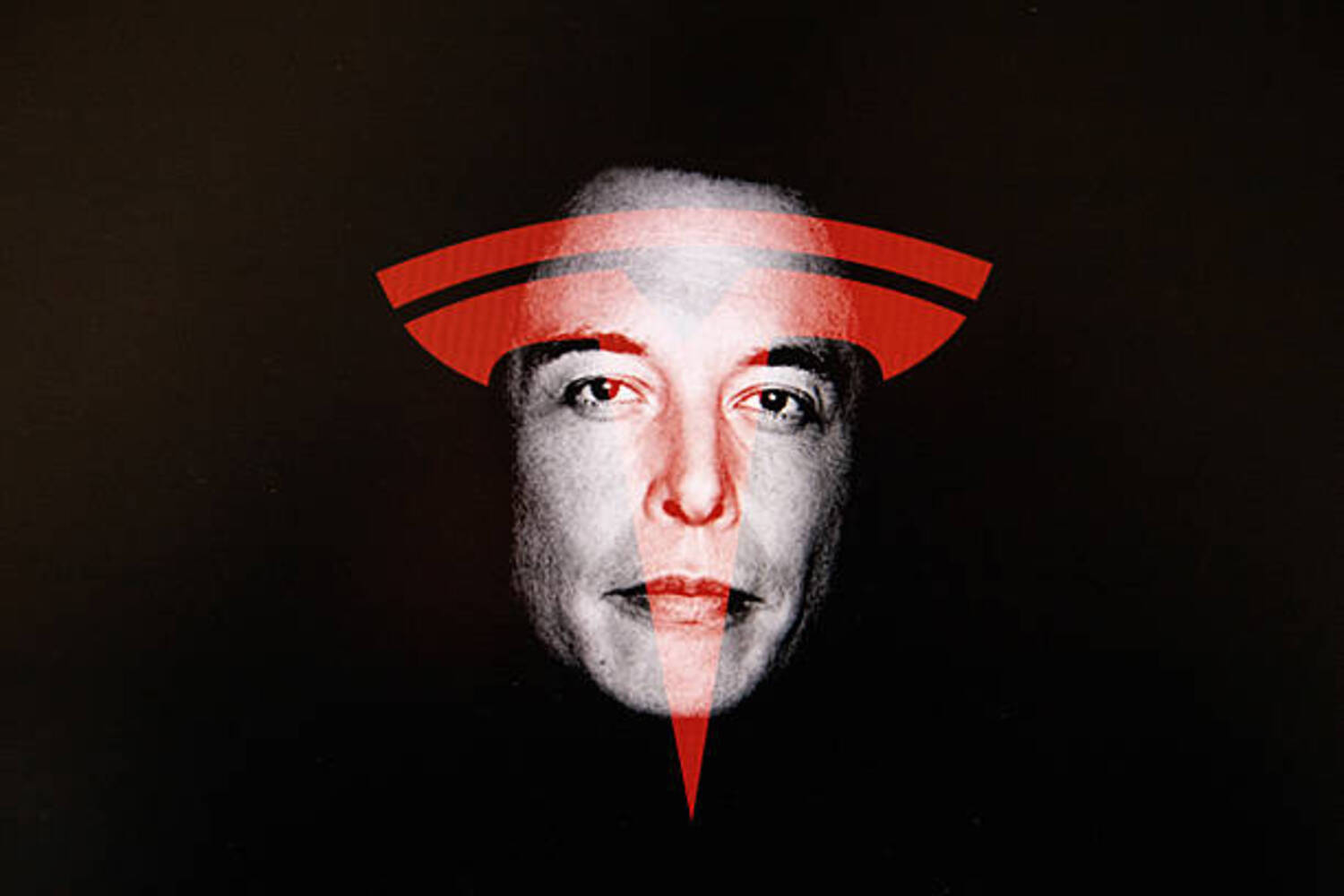
When the world’s richest man gets a pay package that could make him the first trillionaire, it’s more than a news headline—it’s a case study in how modern capitalism defines success, risk, and value creation. Elon Musk’s new Tesla compensation deal, approved by shareholders in November 2025, does exactly that. It forces business leaders, investors, and regulators to confront a fundamental question: how far should incentive-based capitalism go?
This isn’t about envy or admiration. It’s about understanding the economic logic, corporate psychology, and governance structure behind a decision that may redefine the relationship between CEOs, boards, and shareholders for decades.
1. What Actually Happened
In early November 2025, Tesla shareholders approved a record-breaking $1 trillion stock-based pay package for Elon Musk. The deal is performance-driven and structured around twelve separate tranches of stock options, each tied to operational and market capitalization milestones.
Key elements include:
- Market Cap Target: Tesla must reach an estimated market capitalization of around $8.5 trillion.
- Operational Goals: Deliver 20 million vehicles annually, deploy one million robotaxis, and produce one million humanoid robots for commercial use.
- Vesting Schedule: Stock awards vest as Tesla hits each benchmark, keeping Musk’s interests directly tied to long-term company performance.
- Ownership Impact: Musk already owns around 15% of Tesla; the new package could raise his stake to roughly 25% or more if fully realized.
At Tesla’s annual meeting in Austin, more than three-quarters of shareholders voted in favor, indicating a strong belief that Musk remains central to Tesla’s long-term growth narrative.
2. Why This Matters to You
This deal isn’t just about Musk—it’s about the evolution of corporate leadership and how organizations are choosing to reward results in an AI-driven, risk-heavy world. Whether you’re an investor, manager, or policymaker, this moment highlights three key takeaways.
a) The New Definition of “Performance-Based” Compensation
Traditional executive pay structures were based on relatively predictable growth targets—sales, profit margins, and share price. Tesla’s plan throws that playbook out the window. The company is betting on exponential, not incremental, growth.
This forces an important question for you as a professional or shareholder: Is tying leadership compensation to exponential growth realistic—or reckless?
When a company pegs compensation to milestones that would require it to grow six times its current market cap, it’s not just about incentives—it’s about vision and signaling. It tells the market, “We don’t reward ordinary growth. We reward transformation.”
b) Concentration of Power
With this deal, Musk’s control over Tesla becomes more absolute. He already holds significant voting power and social influence over Tesla’s brand and investor base. The new package pushes that influence toward dominance.
If you oversee governance, risk, or compliance, the implications are serious. A CEO who can effectively dictate company direction without strong counterbalances challenges the very purpose of board oversight.
Is this the future of public companies—where visionary founders become de facto monarchs of trillion-dollar enterprises?
c) Strategic Shift Beyond Cars
The metrics chosen in this deal tell a story: Tesla no longer wants to be seen primarily as a car company. The emphasis on robotaxis and humanoid robots makes it clear that the company’s next decade is about robotics, AI, and automation at scale.
For you as an investor or industry watcher, this signals a shift from manufacturing economics to data and software-driven models. The next phase of Tesla’s growth depends less on selling vehicles and more on building autonomous systems that monetize continuously through services and data licensing.
3. The Financial and Market Logic Behind the Package
At first glance, a $1 trillion potential payout sounds absurd. But break down the numbers, and the logic becomes clearer.
- Tesla’s Market Cap: As of Q4 2025, Tesla’s market capitalization hovers around $1.4 trillion. To reach $8.5 trillion, Tesla would need to sustain a compound annual growth rate of roughly 27–30% over the next decade.
- Revenue Targets: To justify that valuation, annual revenue would need to exceed $800 billion, assuming a 10x price-to-sales ratio—significantly higher than today’s $120 billion.
- Robotaxi Economics: Analysts estimate that a global fleet of one million robotaxis could generate $300–400 billion annually if each vehicle earns $300,000–$400,000 per year in ride-hailing and logistics applications.
- AI and Robotics Division: Tesla’s “Optimus” humanoid robot could become the next major business line. If the company sells one million units at an average price of $25,000, that alone adds $25 billion in revenue.
The numbers sound futuristic, but that’s the point—the entire compensation framework is designed to keep Tesla several years ahead of competitors and markets.
4. What Shareholders Are Really Betting On
By approving this package, Tesla’s shareholders aren’t just rewarding past performance. They’re making a long-term bet on Musk’s execution capacity—his ability to bend reality through relentless iteration and cross-industry integration.
They’re betting on:
- Musk’s track record of turning moonshots into viable industries—SpaceX, Neuralink, Starlink, and Tesla itself.
- Tesla’s brand power, which still commands one of the highest margins in the auto industry.
- The company’s first-mover advantage in AI-powered vehicles and energy storage.
But they’re also accepting risk:
- Overdependence on one individual.
- Potential regulatory backlash against executive pay disparity.
- The volatility of Musk’s personal and public persona.
For institutional investors, the message is mixed. They can either ride the Musk effect or hedge against the volatility he creates.
5. The Governance Question
Corporate governance experts are divided. On one side are those who see Musk as the quintessential high-risk, high-reward founder whose unconventional methods have repeatedly produced market-defining breakthroughs. On the other are those who view this as a breakdown of governance norms.
The scale of the package underscores an imbalance between board oversight and CEO dominance. The board’s primary responsibility is to protect shareholder interests, yet here, it’s effectively enabling a compensation structure that could make one person wealthier than many nations.
For you, this poses a professional question: When leadership becomes synonymous with ownership, who holds accountability?
Tesla’s board argues that Musk’s continued leadership is essential for the company’s mission and growth trajectory. Critics counter that such an argument erodes the principle of shared accountability and sets a dangerous precedent for corporate power.
6. The Broader Economic Signal
Beyond Tesla, this deal is a signal flare for global capitalism. It reflects a world where technology founders accumulate power faster than governments can regulate it, and where market confidence in visionaries outweighs traditional financial metrics.
It also raises moral and economic questions for you as a participant in this system:
- Should companies reward vision or deliverables?
- Can one person’s output justify generational wealth concentration?
- How sustainable is a model that ties corporate value so tightly to a single personality?
The trillion-dollar number captures public imagination, but the real story lies in the shifting foundations of capitalism—from stakeholder value to personality-driven enterprise.
7. Lessons for Professionals and Leaders
You don’t need to run a trillion-dollar company to extract lessons from this case. Musk’s deal offers insights into leadership, risk-taking, and performance alignment that can apply across industries.
a) Align Incentives With Vision, Not Just Output
Tesla’s package shows the power of aligning compensation with long-term mission outcomes, not just quarterly results. When your goals reflect the company’s future direction, your incentives remain intact even in volatile markets.
b) Leadership Narratives Drive Market Value
Musk’s value to Tesla isn’t just his technical knowledge—it’s his ability to command narrative dominance. Investors believe in him as much as in the company’s technology. For you, this underscores the importance of consistent and authentic storytelling in leadership.
c) Governance Needs Recalibration
Even if you admire Musk’s achievements, governance frameworks must evolve to prevent unchecked influence. Healthy dissent, structured accountability, and diverse boards are not obstacles—they are safeguards for innovation longevity.
d) The Next Decade Will Reward Multi-Domain Thinkers
Tesla’s targets combine AI, robotics, energy, and transport into one ecosystem. Leaders who understand cross-sector convergence will define the next wave of trillion-dollar companies.
8. The Investor Viewpoint
For investors, the trillion-dollar question is whether this deal will actually create proportional shareholder value.
If Tesla meets its aggressive milestones, shareholders could see unparalleled returns. But if the company underperforms, the dilution from such a massive equity grant could hurt long-term value.
The structure also reflects a broader investor psychology: markets still reward ambition over caution. In a world where AI and automation are accelerating change, investors seem willing to pay a premium for founders who dare to defy limits.
9. What to Watch Next
Over the next two years, these are the key indicators you should track:
- Vehicle Deliveries: Whether Tesla can push annual deliveries beyond 5 million units by 2027.
- Autonomous Tech Deployment: Progress on Tesla’s robotaxi network and real-world autonomous performance data.
- Optimus Robot Commercialization: Early adoption rates and unit economics of Tesla’s humanoid robot.
- Shareholder Composition: Whether institutional investors continue to support Musk’s leadership as targets scale up.
- Regulatory and Public Backlash: How governments and watchdogs respond to executive pay disparities amid economic inequality debates.
10. What This Means for the Future of Work and Wealth
This compensation plan isn’t just about one CEO—it’s a reflection of a new era of hyper-concentrated wealth and founder-led capitalism. It highlights how incentives, innovation, and influence now intersect in ways that challenge economic orthodoxy.
For business leaders like you, the takeaway is straightforward: the future rewards those who design systems that connect bold vision with measurable results, even if the path there defies convention.
For policymakers, it’s a reminder that governance and regulation must evolve as fast as innovation.
And for the rest of us, it’s a question worth asking: When innovation becomes synonymous with wealth creation at this scale, what kind of capitalism are we building—and who benefits from it?
References
- CNN Business – Elon Musk could become the world’s first trillionaire after Tesla shareholders approve record pay package – https://edition.cnn.com/2025/11/06/business/elon-musk-trillion-dollars
- Associated Press – Tesla shareholders approve Elon Musk’s record $1 trillion compensation plan – https://apnews.com/article/f2140db92e8032121f4c114234059165
- The Tribune India – Elon Musk thanks Tesla shareholders after $1 trillion pay package approval – https://www.tribuneindia.com/news/elon-musk/super-appreciate-it-elon-musk-thanks-tesla-shareholders-for-approving-record-1-trillion-pay-package
- People Magazine – Elon Musk set to become world’s first trillionaire after Tesla vote – https://people.com/elon-musk-worlds-first-trillionaire-after-tesla-vote-11845473
- Wikipedia – Wealth of Elon Musk – https://en.wikipedia.org/wiki/Wealth_of_Elon_Musk
About The Author


