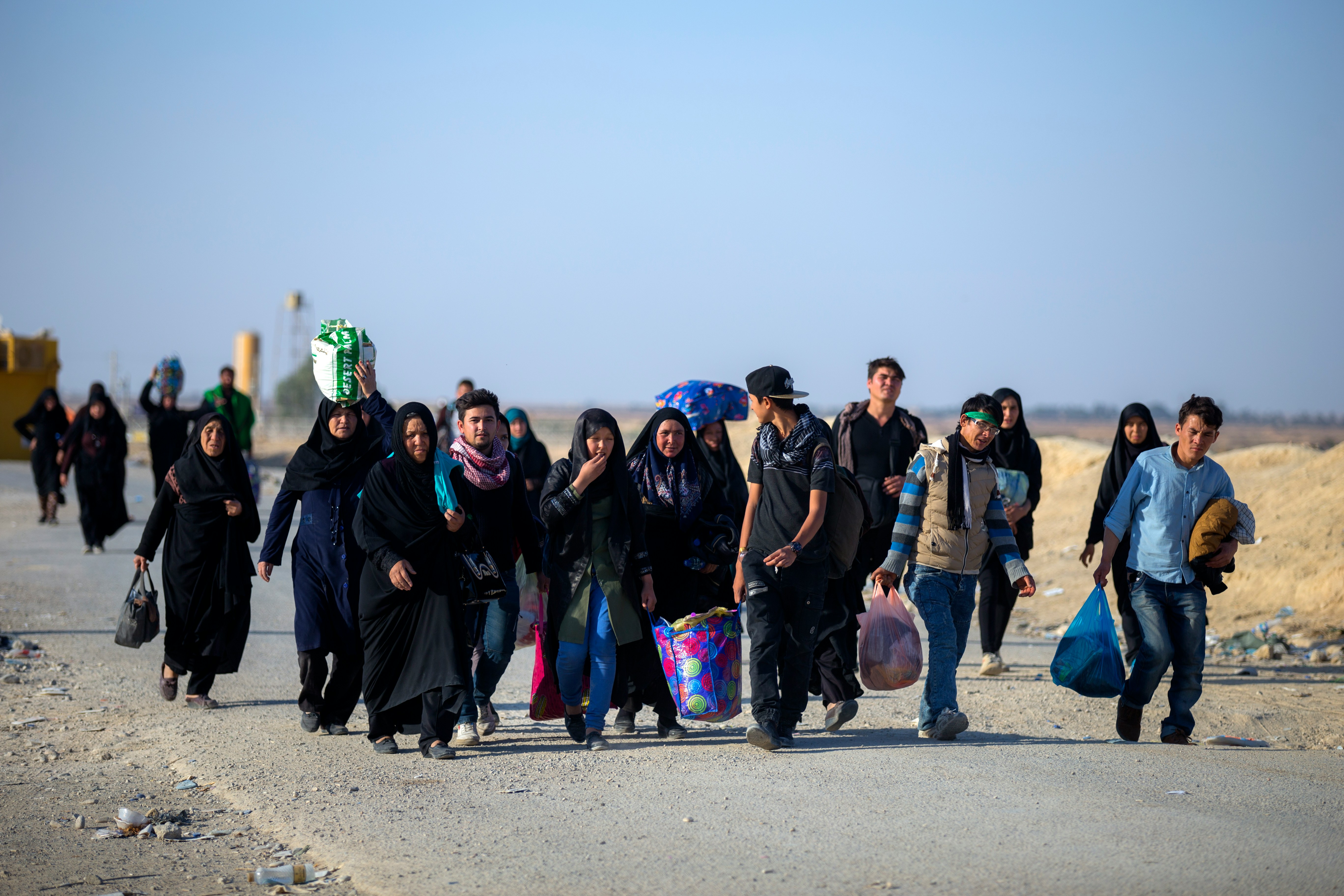
Migration has always shaped human societies, driving cultural exchange, economic development, and geopolitical change. In today’s interconnected world, migration policy impacts are more significant than ever. Governments across the globe face difficult choices—balancing national security, labor market needs, humanitarian responsibilities, and demographic challenges.
From border management and refugee resettlement to integration strategies and labor mobility, migration policies directly affect not only migrants but also host societies, sending countries, and the global order. This article explores the multidimensional impacts of migration policies on global societies, analyzing current trends, regional approaches, and future outlooks.
1. Economic Impacts of Migration Policies
- Labor Market Supply: Migration policies determine access to workers in agriculture, construction, healthcare, and technology. Restrictive policies can create labor shortages, while open systems often boost productivity.
- Remittances: Migrant workers send billions annually to home countries, supporting poverty reduction and local development. Policies that restrict mobility limit these flows.
- Innovation and Growth: Studies show immigrant populations contribute disproportionately to innovation and entrepreneurship. Policies enabling skilled migration benefit host economies.
- Policy Trend: Many advanced economies are revising migration rules to address aging populations and labor market mismatches.
- Cultural Exchange: Migration promotes cultural diversity and enriches host societies through the sharing of traditions, cuisine, and perspectives.
- Population Dynamics: Migration influences demographic changes, helping to balance population decline in certain regions, ensuring sustainability for local economies.
- Education Opportunities: Migrants often seek educational opportunities, leading to a more skilled workforce that benefits both their home and host countries.
- Economic Resilience: Diverse labor forces can enhance economic resilience by providing a wider range of skills and perspectives to address challenges.
- Social Integration: Successful migration policies foster social integration, promoting harmony and reducing tensions between communities.
- Skill Transfer: Migrants can bring valuable skills and knowledge to their host countries, enhancing overall productivity and innovation.
- Health Care Contributions: Migrants often fill essential roles in health care systems, providing critical services in times of need, as seen during public health crises.
- Market Expansion: A diverse workforce can help firms expand into new markets by bringing unique insights and understanding of various consumer bases.
- Global Collaboration: Migration fosters international collaboration and partnerships, facilitating knowledge transfer and shared solutions to global challenges.
- Demographic Balance: Migrant populations can mitigate the effects of an aging population in host countries, ensuring a balanced age distribution and workforce sustainability.
- Entrepreneurship: Many migrants start their own businesses, contributing to job creation and economic dynamism within their new communities.
- Tourism Growth: Cultural diversity brought by migrants can enhance tourism, creating opportunities for cultural exchanges and increased economic activity.
- Community Enrichment: Migration contributes to community enrichment through the introduction of new ideas, art forms, and narratives that shape local identities.

2. Social and Cultural Impacts
- Integration Policies: Governments with strong integration frameworks foster inclusion, reducing tensions between migrants and host populations.
- Cultural Exchange: Migration enriches societies through diverse languages, cuisines, traditions, and arts.
- Social Polarization: Restrictive or poorly managed migration policies can fuel xenophobia and political polarization.
- Long-Term Outlook: Policies that emphasize education, language training, and community engagement create more cohesive societies.
- Economic Contributions: Migrants often fill labor shortages, contribute to economic growth, and support social security systems.
- Innovative Ideas: Diverse backgrounds bring novel perspectives, which can lead to innovation and creativity in various sectors.
- Demographic Balance: Migration can help address aging populations by bringing in younger individuals, which supports labor force sustainability.
- Global Networking: Migration fosters connections between countries, enhancing international cooperation and understanding.
- Public Service Enhancement: Migrants often contribute to essential services such as healthcare, education, and public safety, improving community well-being.
- Cultural Resilience: The presence of diverse cultures can lead to enhanced resilience in facing global challenges by pooling different strategies and ideas.
- Entrepreneurial Ventures: Migrants frequently start businesses, creating jobs and stimulating local economies.
- Knowledge Transfer: Immigration allows for the sharing and acquisition of skills and knowledge, benefitting both migrants and host populations.
- Tourism Boost: Cultural diversity from migrants can attract tourism, contributing to local economies.
- Community Vitality: Increased cultural activities and community events can enhance the vibrancy and livability of neighborhoods.
- Environmental Awareness: Migrants can bring unique perspectives on sustainability and environmental practices, promoting greener communities.
- Youth Engagement: The participation of young migrants in community life can foster intergenerational relationships and active civic engagement.
3. Humanitarian Dimensions
- Refugee Protection: Conflict, persecution, and climate change drive forced migration. Policies determine whether refugees find safety or remain in precarious conditions.
- Asylum Systems: Nations with efficient asylum systems uphold human rights and international obligations. Weak or restrictive systems often lead to human suffering.
- International Responsibility Sharing: Migration policy impacts extend to global cooperation; equitable responsibility distribution is essential.
- Policy Trend: Humanitarian corridors and community sponsorships are gaining traction as alternative solutions.
- Integration Policies: Successful integration policies facilitate refugees’ adaptation to new communities, promoting social cohesion and economic participation.
- Detention Practices: The use of detention for asylum seekers raises ethical concerns and can infringe on human rights, often causing trauma.
- Resettlement Opportunities: Increased resettlement opportunities provide safe pathways for refugees and reduce pressure on host countries.
- Public Perception: Public attitudes towards refugees and migrants influence policymaking and can either foster inclusion or lead to xenophobia.
- Legal Frameworks: Effective legal frameworks are critical for protecting the rights of refugees and ensuring fair treatment in host countries.
- Economic Impact: Refugees contribute to local economies; understanding their potential can change negative perceptions.
- Cultural Exchange: Refugees enrich host communities through cultural diversity, fostering mutual understanding and appreciation.
- Health Access: Access to healthcare for refugees is vital for public health and their overall well-being.
- Education Opportunities: Providing educational resources to refugee children is crucial for their development and future prospects.
- Mental Health Support: Addressing the mental health needs of refugees is essential due to their traumatic experiences.
- Community Engagement: Local communities play a significant role in the successful integration of refugees through support networks and services.

4. Security and Border Control
- National Security Concerns: Policies increasingly balance humanitarian obligations with counterterrorism and organized crime concerns.
- Border Technologies: Surveillance systems, biometrics, and AI-powered risk assessments are central to modern border management.
- Unintended Consequences: Overly restrictive border policies can fuel irregular migration and empower smuggling networks.
- Outlook: Effective migration management combines security with pathways for legal mobility.
- Humanitarian Responses: Comprehensive asylum systems can facilitate protection while addressing security issues.
- International Collaboration: Multilateral agreements can enhance border security and manage migration flows more effectively.
- Economic Implications: Migrants contribute to economies, and managing their movement can benefit host nations.
- Public Perception: Social attitudes toward migration can influence policy and initiatives for integrating migrants.
5. Demographic Pressures
- Aging Societies: In Europe, Japan, and parts of North America, low birth rates and aging populations increase demand for migrant workers.
- Youth Bulges: Sub-Saharan Africa and South Asia have growing young populations seeking opportunities abroad.
- Policy Impacts: Migration frameworks determine how demographic imbalances are addressed globally.
- Future Trend: Flexible migration systems will be critical to balancing global demographic shifts.
- Urbanization: Increasing urbanization in many regions creates new labor market needs requiring migrant contributions.
- Skill Gaps: Demand for skilled labor in various sectors can lead to more immigration policies focused on professionals.
- Climate Change: Environmental factors and climate disasters can drive migration flows, requiring new policy adaptations.
- Cultural Exchange: Migration enhances cultural diversity and exchange, shaping societies in various ways.
- Political Factors: Political stability and conflict situations can influence migration patterns significantly.
- Economic Opportunities: Economic disparities between countries drive individuals to seek better job prospects internationally.
6. Political and Governance Impacts
- Polarization: Migration has become a central political issue, influencing elections and party platforms.
- Policy Innovation: Local governments often experiment with integration initiatives, influencing national strategies.
- International Cooperation: Migration governance requires collaboration through forums like the Global Compact for Migration.
- Trend: The politicization of migration is expected to intensify, shaping governance debates worldwide.
- Social Impact: Migration affects community dynamics, often leading to cultural clashes and integration challenges.
- Economic Considerations: The economic contribution of migrants can lead to both support and opposition in host countries.
- Human Rights Issues: Migration raises significant human rights concerns that need to be addressed in governance policies.
- Public Opinion: The perception of migrants varies widely, often influencing political discourse and policy decisions.
- Media Representation: The portrayal of migrants in media can shape public narrative and influence political agendas.
7. Migration and Inequality
- Skill-Based Systems: Policies that prioritize high-skilled migrants risk widening inequality between nations.
- Brain Drain: Restrictive or selective policies in advanced economies can deprive developing nations of essential professionals.
- Policy Solutions: Circular migration and knowledge-sharing agreements mitigate these effects.
- Global Impact: Inclusive migration frameworks reduce inequality and foster sustainable development.
8. Climate Change and Migration
- Climate-Driven Displacement: Rising sea levels, desertification, and extreme weather events push populations to migrate.
- Policy Challenges: Current frameworks often exclude climate migrants from legal protections.
- National Responses: Some countries are exploring humanitarian visas and resettlement programs.
- Outlook: Future migration policies must address climate change as a central driver of population movement.
9. Regional Perspectives
- United States: Focuses on balancing border security, labor demands, and humanitarian responsibilities.
- European Union: Implements common asylum rules but struggles with internal political divides.
- Middle East: Hosts large refugee populations, especially from Syria and Yemen, with varying policy frameworks.
- Africa: Regional agreements like ECOWAS promote free movement, but economic disparities drive irregular migration.
- Asia-Pacific: Policies range from highly restrictive (e.g., Australia) to labor-importing systems (e.g., Gulf states).
- Latin America: Migration is shaped by economic instability and political crises in countries like Venezuela.
10. Migration Policies and Technology
- Digital Migration Systems: E-visas, digital identity systems, and biometric databases streamline processes.
- Risks: Data privacy concerns and surveillance risks arise from extensive use of digital tools.
- Efficiency Gains: Technology improves border management and reduces fraud.
- Future Outlook: AI-driven systems will expand but must be balanced with ethical considerations.
11. The Role of International Institutions
- United Nations: Promotes frameworks such as the Global Compact for Safe, Orderly and Regular Migration.
- International Organization for Migration (IOM): Supports governments with technical expertise.
- World Bank & IMF: Address economic dimensions of migration, including remittance flows.
- Global Impact: International cooperation is critical to managing migration as a shared responsibility.
12. Future Outlook
- Migration will remain a defining global issue shaped by demographics, conflict, climate, and economics.
- Policies emphasizing inclusivity, rights, and integration will foster stability, while restrictive frameworks risk fueling instability.
- Climate change will emerge as the largest driver of migration, requiring global policy innovation.
- Technological advances will reshape border management, asylum processes, and labor mobility.
- International cooperation will be essential for balancing national sovereignty with shared global responsibilities.
Conclusion
Migration policies are not merely technical regulations; they are central to shaping societies, economies, and international relations. The impacts of migration policies are far-reaching—affecting labor markets, demographics, cultural diversity, and global governance.
In 2025, the challenge for governments is to design balanced migration policies that address economic needs, uphold human rights, and foster international cooperation. Societies that embrace inclusive and forward-looking migration frameworks will be better positioned to navigate demographic change, technological disruption, and global crises.
Sources
- https://weforum.org
- https://brookings.edu
- https://csis.org
- https://oecd.org
- https://foreignpolicy.com
- https://worldbank.org
- https://imf.org
- https://un.org
- https://unctad.org
- https://iomedu.org
About The Author