
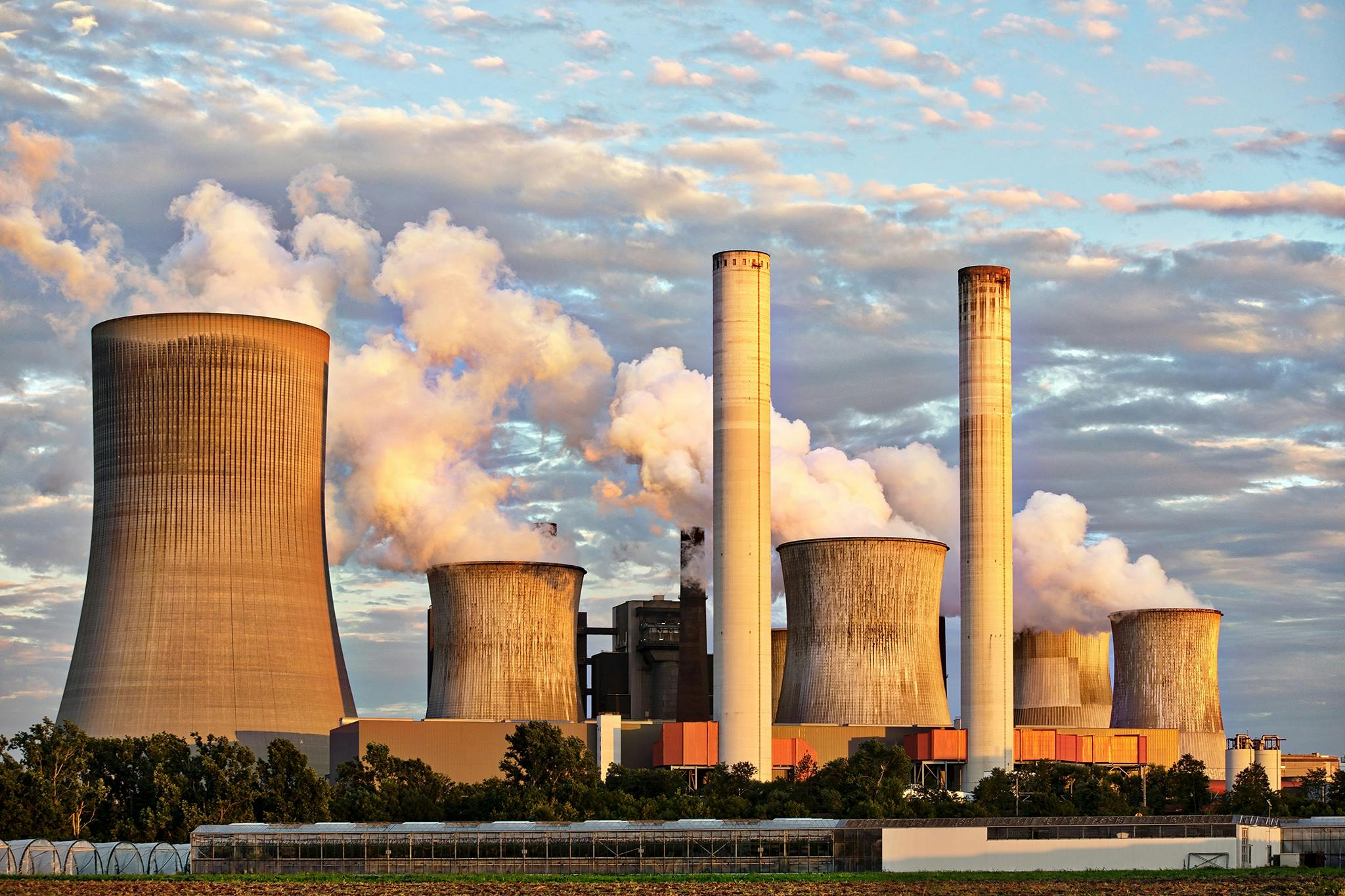
Energy is the lifeblood of modern economies. From powering homes and industries to fueling transport and driving digital infrastructure, stable and affordable access to energy underpins global prosperity. However, energy price fluctuations—whether due to geopolitical conflicts, supply chain disruptions, or shifts in demand—carry enormous consequences for global economies.
The impacts of energy prices ripple far beyond utility bills or fuel pumps. They influence inflation rates, trade balances, industrial competitiveness, household consumption, and even national security. In an era of heightened volatility, energy price shocks—such as the oil crises of the 1970s, the 2008 global financial crash, and more recent disruptions caused by the Russia-Ukraine conflict—demonstrate how deeply economies are intertwined with global energy dynamics.
This article explores the economic, geopolitical, and social impacts of energy price changes, while assessing long-term strategies to mitigate risks and foster resilience in global markets.
1. The Central Role of Energy in the Global Economy
Energy is a critical input for nearly every sector. Manufacturing, agriculture, transport, healthcare, and digital economies all depend on reliable access to energy. When energy prices rise:
- Production costs increase, reducing profit margins for businesses.
- Consumers face higher costs of living, leading to shifts in spending behavior.
- Governments face fiscal strain, especially in energy-importing nations reliant on subsidies.
- Businesses may reduce investment, impacting future growth and innovation.
- Inflation pressures increase, prompting central banks to consider interest rate hikes.
- Supply chain disruptions persist, affecting product availability and pricing.
- Consumer confidence declines, which can lead to decreased spending.
- Wage growth may stagnate, limiting purchasing power for households.
For emerging economies, where energy demand is growing rapidly, price fluctuations can slow industrialization and hinder poverty reduction. Developed economies, while more resilient, face inflationary pressures and reduced consumer confidence.

2. Energy Price Impacts on Inflation
One of the most immediate consequences of rising energy prices is inflation. Higher oil, gas, or coal prices directly increase electricity and fuel costs. These in turn raise transportation and production costs across sectors, creating a cost-push inflation effect.
Historical examples:
- 1973 Oil Crisis: Triggered global stagflation, where high inflation coincided with low growth.
- 2008 Oil Price Surge: Crude oil prices rose above $140 per barrel, exacerbating the global financial downturn.
- 2022 Russia-Ukraine Conflict: Natural gas and oil prices spiked, driving inflation to record highs in Europe.
- 1990 Gulf War: Instability in the Middle East led to a rise in oil prices, impacting global economies.
- 2000 Dot-com Bubble Burst: The collapse of technology stocks resulted in economic slowdown, indirectly influenced by energy prices.
- 2020 COVID-19 Pandemic: The global health crisis temporarily decreased demand, leading to unprecedented drops in oil prices.
- 1980 Iranian Revolution: Political upheaval resulted in supply disruptions, leading to sharp rises in oil prices.
- 2014 Crude Oil Price Collapse: A surge in U.S. shale production led to a steep decline in global oil prices, affecting economies worldwide.
Central banks often respond with tighter monetary policy, raising interest rates to control inflation. However, this can slow economic growth, creating policy dilemmas.
3. Trade Balances and Currency Impacts
Energy prices strongly affect trade balances. When energy prices rise, energy-exporting nations benefit significantly from higher revenues, which in turn strengthens their currencies and improves their fiscal positions. Countries like Saudi Arabia, Russia, and Norway often enjoy budget surpluses during oil booms, enabling them to invest in infrastructure, social programs, and economic diversification. Additionally, these nations can accumulate foreign reserves and enhance their global economic standings, creating a positive feedback loop that further reinforces their ability to influence global markets. On the other hand, countries that rely heavily on energy imports may face increasing trade deficits, economic challenges, and inflationary pressures, highlighting the complex interplay of energy prices and national economies globally.
Conversely, energy-importing nations such as India, Japan, and much of Europe see trade deficits widen, which in turn weakens their currencies and increases vulnerability to external debt. This situation is particularly concerning as a depreciating currency not only raises the cost of imported goods, including essential energy resources, but also results in higher overall prices for consumers, thereby exacerbating domestic inflation. Such inflationary pressures create a cycle of economic strain that can stifle economic growth and lead to increased interest rates, which may further deter investment. As these countries grapple with the repercussions of their energy dependence, the challenge of managing foreign exchange reserves becomes more acute, forcing policymakers to seek solutions to stabilize their economies while navigating a volatile global market.
4. Energy Prices and Industrial Competitiveness
Industries heavily dependent on energy—such as chemicals, steel, aviation, and shipping—are particularly exposed to price volatility. Rising costs can:
- Make exports less competitive.
- Force businesses to relocate to regions with cheaper energy.
- Accelerate the shift toward automation, efficiency, and alternative energy sources.
- Increase operational costs for manufacturers.
- Drive innovation in renewable technologies.
- Encourage investments in energy-efficient processes.
For example, high European gas prices in 2022 led to factory shutdowns in fertilizer and metals production, forcing industries to consider moving operations to regions with cheaper U.S. shale gas.
5. Household Consumption and Social Impacts
Energy prices directly affect household budgets. Rising fuel and electricity costs reduce disposable income, forcing households to cut back on non-essential spending. This impacts retail, tourism, and service sectors.
Low-income households are disproportionately affected, as they spend a larger share of income on energy. Price spikes often trigger calls for subsidies, tax cuts, or cash transfers—placing additional strain on public finances.
Social unrest has historically followed energy price hikes:
- France’s “Yellow Vest” protests (2018) were sparked by rising fuel taxes.
- Developing countries often face protests and political instability when energy subsidies are reduced.
- The Arab Spring (2010-2012) led to widespread protests across the Middle East and North Africa, fueled by economic distress.
- The anti-austerity protests in Greece (2010) were a response to severe economic measures imposed during the financial crisis.
- Black Lives Matter protests (2013-present) have highlighted issues of racial inequality and police brutality in the United States.
- Hong Kong protests (2019) arose from concerns over increasing Chinese influence and demands for democratic reforms.
6. Geopolitical Implications of Energy Price Volatility
Energy is not just an economic issue—it is a geopolitical tool. Price fluctuations can:
- Enhance the influence of major exporters (e.g., OPEC decisions on oil production).
- Weaken energy-importing countries’ foreign policy leverage.
- Reshape alliances and trade partnerships.
- Diversify energy sources to increase stability.
- Increase geopolitical competition over resources.
- Influence global energy market prices through strategic reserves.
- Strengthen regional cooperation among exporters.
- Develop new trade routes for energy distribution.
- Promote renewable energy initiatives among exporter nations.
- Foster technological advancements in energy extraction and storage.
- Establish strategic energy partnerships with emerging economies.
- Coordinate responses to international sanctions on energy sectors.
For instance, Europe’s reliance on Russian natural gas shaped geopolitical calculations for decades. The 2022 crisis forced a rapid pivot toward alternative suppliers and renewable energy acceleration.
Similarly, the U.S. shale revolution reduced its dependence on Middle Eastern oil, altering global security dynamics.

7. Energy Prices and the Global Transition to Renewables
Volatile fossil fuel prices often accelerate investments in renewable energy and efficiency measures, leading to a more resilient energy infrastructure. High oil and gas prices make solar, wind, and nuclear power more competitive compared to traditional energy sources, while simultaneously spurring innovation in battery storage and electric vehicles that promote sustainability. As investors increasingly recognize the long-term benefits of clean energy, the technological advancements resulting from these financial pressures not only enhance the efficiency of solar panels and wind turbines but also drive down costs. This shift toward renewable technologies fosters job creation in emerging industries, stimulates local economies, and paves the way for a cleaner environment. Moreover, governments and policymakers are more likely to implement supportive regulations and incentives that catalyze further investment in green technologies, reinforcing a cycle of growth and innovation in the energy sector.
However, the transition itself creates new vulnerabilities. Demand for critical minerals (like lithium, cobalt, and rare earths) is rising, potentially leading to new supply bottlenecks and geopolitical rivalries.
Governments now balance short-term energy security needs with long-term climate goals.
8. Case Studies: Regional Impacts
Europe
Europe is highly exposed to energy price shocks due to reliance on imports. The 2022 crisis led to rationing, industrial slowdowns, and an acceleration of the Green Deal strategy.
United States
The U.S., now a major oil and gas producer, has become more resilient. However, gasoline prices remain politically sensitive and directly influence elections.
Asia
China and India, as major importers, face significant exposure. Both are investing in renewables and diversifying supply, but short-term price spikes strain their economies.
Africa
Many African nations are energy exporters, benefiting from price booms. Yet, reliance on volatile revenues often leads to resource curse dynamics, hindering sustainable development.
9. Policy Responses to Energy Price Shocks
Governments employ various tools to mitigate energy price impacts:
- Strategic Petroleum Reserves (SPRs): Stockpiling oil for emergencies.
- Subsidies and Price Caps: Short-term relief for consumers, though fiscally costly.
- Diversification of Supply: Investing in LNG imports, pipelines, and renewables.
- Energy Efficiency Policies: Reducing dependence through innovation and conservation.
- Renewable Energy Development: Expanding solar, wind, and other green technologies.
- Demand Response Programs: Encouraging consumers to reduce usage during peak hours.
- Carbon Tax Implementation: Aiming to reduce fossil fuel reliance by making it more expensive.
- Investment in Public Transportation: Enhancing mass transit options to decrease personal vehicle use.
- Grid Modernization Initiatives: Upgrading electrical grids for improved reliability and efficiency.
International cooperation—via OPEC+, the International Energy Agency (IEA), and climate agreements—also plays a critical role.
10. Long-Term Outlook
The global energy system is at a crossroads. The twin challenges of energy security and climate change mean that future economic resilience depends on balancing affordability, reliability, and sustainability.
- Short term: Fossil fuels will remain central, and price volatility will continue.
- Short term: Regulatory uncertainties may affect energy investments.
- Short term: Geopolitical tensions may impact global energy markets.
- Short term: Consumer demand for energy efficiency will increase.
- Medium term: Greater integration of renewables and storage technologies will reduce exposure.
- Medium term: Transitioning economies may experience fluctuations during the adaptation phase.
- Medium term: Policy changes may incentivize renewable energy adoption.
- Medium term: Innovation in energy storage solutions will drive market evolution.
- Long term: A low-carbon economy could make energy prices more stable, though vulnerable to new risks in critical mineral supply chains.
- Long term: Advances in technology could lead to unexpected market disruptions.
- Long term: Decentralized energy systems may change traditional energy distribution.
- Long term: Long-term investment in renewable infrastructure will reshape energy landscapes.
Conclusion
Energy price impacts are far-reaching, shaping inflation, trade balances, industrial competitiveness, household well-being, and geopolitical strategies. They not only dictate short-term economic performance but also influence the long-term trajectory of global development.
As the world navigates the transition to renewable energy, policymakers must prepare for continued volatility while building resilience. Affordable, reliable, and sustainable energy will be key to maintaining economic stability and fostering inclusive growth in the decades ahead.
Sources
- https://weforum.org
- https://csis.org
- https://brookings.edu
- https://oecd.org
- https://foreignpolicy.com
- https://wto.org
About The Author


