
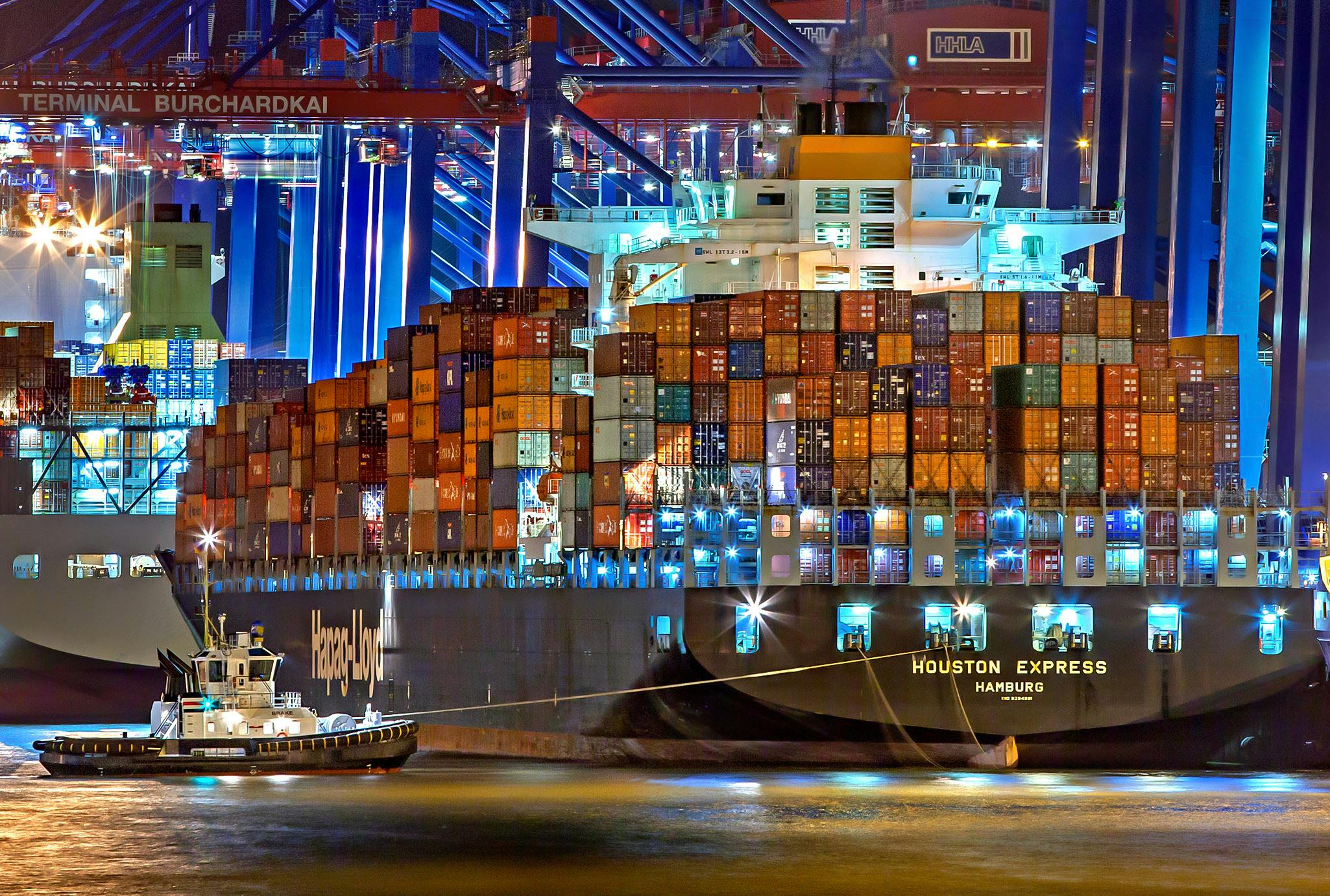
Tariffs—taxes imposed on imported goods—have shaped the trajectory of international trade for centuries. From the protectionist policies of the mercantilist era to modern disputes between major economies like the United States, China, and the European Union, tariffs remain one of the most powerful tools governments wield to regulate trade. In a highly interconnected global economy, however, the consequences of tariffs extend far beyond borders. They affect supply chains, consumer prices, geopolitical relations, and long-term economic growth.
This article explores the global impact of tariffs by examining their historical role, economic consequences, effects on industries, geopolitical implications, and their evolving place in the digital and green economy of the 21st century.
1. Understanding Tariffs: A Historical and Economic Perspective
Tariffs have traditionally served two main purposes:
- Revenue generation – In earlier centuries, tariffs were a vital source of government income.
- Protectionism – They shielded domestic industries from foreign competition.
- Trade regulation – Tariffs helped monitor and control the flow of goods entering a country.
- Job preservation – By imposing tariffs, governments aimed to protect local jobs from international outsourcing.
- Economic stability – Tariffs contributed to stabilizing domestic markets by reducing foreign influence.
For example, the U.S. Tariff Act of 1930, known as Smoot-Hawley, sought to protect American farmers during the Great Depression but triggered global retaliation, worsening the economic crisis. Similarly, colonial empires often used tariffs to protect home industries while exploiting colonies as captive markets.
In today’s globalized world, tariffs are less about revenue and more about strategic protection and leverage in international disputes.
2. Tariffs and Global Trade Patterns
Tariffs influence trade flows by altering the cost structure of imports. Higher tariffs discourage imports, encourage local production, and sometimes prompt trade diversion—where imports shift from one country to another with lower tariff barriers.
For instance:
- The U.S.-China trade war (2018–2020) saw tariffs imposed on hundreds of billions of dollars’ worth of goods. Trade volumes fell, companies relocated supply chains, and prices rose for both consumers and manufacturers.
- In the European Union, tariffs on agricultural imports protect local farmers but often disadvantage exporters in Africa and Asia.
- The ongoing trade tensions have led to increased lobbying and advocacy for trade policy reforms across various sectors.
- Small and medium-sized enterprises (SMEs) have faced significant challenges due to fluctuating tariffs and trade barriers.
- International trade agreements remain essential in mitigating the impacts of trade wars on global economies.
- The rise of protectionism has prompted discussions on the need for greater international cooperation and trade dialogue.
- Consumers have experienced higher prices and limited choices as a result of increased tariffs and trade restrictions.
Global trade bodies like the World Trade Organization (WTO) exist to limit tariff escalation, but disputes still arise when countries claim unfair trade practices.
3. Economic Impacts of Tariffs
Tariffs reshape economies in multiple ways:
A. Consumer Prices
When tariffs are imposed, import costs rise, often passed on to consumers in the form of higher prices. For example, U.S. tariffs on steel and aluminum increased construction and automobile costs.
B. Domestic Industries
- Winners: Domestic producers benefit from reduced foreign competition, allowing them to expand market share.
- Losers: Export-oriented industries suffer when trading partners retaliate with counter-tariffs.
C. Inflationary Pressures
Tariffs contribute to inflation by raising the price of imported goods. In a world where supply chains are deeply interconnected, even modest tariffs can ripple across economies.
D. Employment Effects
Short-term job gains in protected industries may be offset by long-term losses in export sectors or industries reliant on imported inputs.

4. Tariffs and Global Supply Chains
The rise of global value chains (GVCs) has significantly complicated the tariff impacts on international trade. Products like smartphones, cars, and renewable energy equipment rely on components sourced from multiple countries, each contributing unique technologies and resources to the final assembly. A tariff imposed on one component can create a cascading effect, potentially disrupting the entire supply chain and leading to increased costs for manufacturers. Moreover, businesses often struggle to find alternative sources quickly, resulting in production delays and ultimately affecting consumers through higher prices and reduced availability. The interconnectedness of GVCs underscores the importance of comprehensive trade policies that consider not just the immediate effects of tariffs but also the broader implications for global commerce and innovation.
Example: During the U.S.-China trade tensions, tariffs on semiconductors and electronics forced companies like Apple and Tesla to reconsider manufacturing hubs, shifting some production to Vietnam, India, and Mexico.
Tariffs thus accelerate supply chain diversification, reshaping global production geography.
5. Geopolitical Dimensions of Tariffs
Tariffs are no longer just economic measures—they are geopolitical tools.
- U.S.-China Rivalry: Tariffs became a weapon in broader competition over technology, intellectual property, and influence.
- EU vs. U.S. Disputes: Aircraft subsidies led to retaliatory tariffs on wine, cheese, and airplanes.
- Developing Nations: Countries like India use tariffs strategically to protect infant industries while negotiating better trade terms.
- Global Supply Chain Shifts: Companies are reconsidering their production locations to mitigate tariff impacts, leading to factory relocations.
- Impact on Consumers: Tariffs often lead to higher prices for goods, affecting consumer purchasing power and choices.
- Retaliation Risks: Increased tariffs can spark trade wars, causing economic instability and uncertainty.
- Bilateral Trade Agreements: Countries seek to establish new trade deals to circumvent existing tariffs and enhance market access.
Tariffs are increasingly linked to national security. For example, the U.S. justifies tariffs on steel and semiconductors as essential for defense.
6. Tariffs and Developing Economies
Developing economies face both opportunities and challenges:
- Opportunities:
- Higher tariffs in developed nations sometimes divert trade to alternative suppliers in developing countries.
- Developing nations might attract foreign investment as companies seek to circumvent high tariffs.
- There is potential growth in local industries as domestic production increases to meet demand.
- Challenges:
- Tariffs on textiles, agriculture, or raw materials often restrict market access for developing nations, hindering economic growth.
- Increased production costs may result from the need for developing countries to meet international standards.
- Dependence on limited markets may increase vulnerability to economic downturns in developed countries.
For example, African agricultural exports face steep tariffs in Europe and the U.S., undermining the continent’s competitiveness.

7. Tariffs in the Context of Trade Blocs
Tariff policies are central to regional trade blocs like the European Union, ASEAN, and Mercosur.
- Intra-bloc trade: Typically tariff-free, encouraging economic integration.
- External tariffs: These blocs impose common external tariffs to protect their markets.
- Regulatory alignment: Members align their regulations to facilitate smoother trade.
- Investment incentives: These blocs may offer incentives for investments within member countries.
- Market access: Member countries gain easier access to each other’s markets.
- Trade facilitation measures: Initiatives are implemented to simplify and expedite trade processes.
- Dispute resolution mechanisms: Establish formal processes to resolve trade disputes among members.
- Cooperation on standards: Member countries collaborate to establish common standards.
- Knowledge sharing: Members exchange best practices and innovations to enhance trade.
- Cultural exchange programs: Initiatives to promote understanding and collaboration among member nations.
- Infrastructure development: Joint projects to improve trade-related infrastructure, such as ports and roads.
- Environmental agreements: Member states may include commitments to environmental sustainability in trade agreements.
- Labor mobility: Policies may be established to allow labor to move freely between member countries.
This creates a two-tier trade system where bloc members enjoy free access while outsiders face barriers.
8. The Digital Economy and Non-Traditional Tariffs
As economies digitize, tariff debates extend beyond goods to services, data, and intellectual property. While physical tariffs dominate goods trade, new forms of “digital tariffs” emerge in the form of:
- Data localization rules
- Digital service taxes (DSTs)
- E-commerce regulations
- Consumer protection laws
- Privacy policies and data protection
- Intellectual property rights
- Cross-border trade agreements
- Payment processing regulations
- Advertising standards
- Cybersecurity requirements
These measures act like tariffs by raising costs for foreign digital companies. The U.S. has already clashed with the EU and India over digital service taxes.
9. Tariffs, Climate, and the Green Economy
Tariffs are increasingly being linked to climate policy as nations strive to balance economic growth with environmental responsibility. The European Union’s Carbon Border Adjustment Mechanism (CBAM) serves as a pivotal example of this trend. Essentially, CBAM functions as a climate tariff that imposes taxes on imports of carbon-intensive goods, such as steel and cement. This approach represents a significant shift in how trade and climate policy intersect.
The primary aim of CBAM is to prevent “carbon leakage.” This term refers to the phenomenon where companies, in search of lower production costs, relocate their operations to countries with less stringent climate regulations. By implementing a tariff on imported goods that do not meet established carbon emissions standards, the EU hopes to maintain a competitive edge for its industries while fostering a commitment to global sustainability.
Despite its noble intentions, CBAM also raises concerns of being perceived as green protectionism. Developing nations, which may rely heavily on exporting these carbon-intensive goods, could view the mechanism as a barrier to trade that disproportionately affects their economies. This has the potential to spark disputes and tensions between the EU and these nations, complicating international relations and collaboration on climate initiatives.
Furthermore, the long-term effectiveness of such carbon tariffs remains to be seen. While they may incentivize cleaner production methods domestically, there’s a question of whether they will genuinely drive global change or merely shift the problem elsewhere. As countries navigate these complex intersections of trade, climate policy, and international relations, it becomes evident that the implementation of tariffs like the CBAM will require careful consideration and dialogue to achieve a balanced and equitable approach to sustainability.
10. Long-Term Global Implications of Tariffs
Looking forward, tariffs will likely:
- Increase Fragmentation – As countries prioritize self-reliance and national security, tariffs could reinforce global economic blocs.
- Accelerate Regionalization – Supply chains may become more regional (e.g., U.S.-Mexico-Canada, EU-Africa).
- Complicate Multilateralism – WTO struggles to enforce tariff discipline, weakening global trade governance.
- Shape Innovation and Competition – Tariffs on strategic sectors (semiconductors, AI, clean tech) may accelerate innovation but also widen global divides.
- Foster Digital Trade Barriers – Protectionist policies could lead to increased regulation of digital trade, impacting e-commerce growth.
- Impact Labor Markets – Tariffs may lead to job losses in certain sectors while potentially creating jobs in others, altering employment landscapes.
- Influence Consumer Prices – Increased tariffs could result in higher prices for consumers, affecting purchasing power and consumer behavior.
- Challenge Environmental Standards – Countries may leverage tariffs to promote local compliance with environmental regulations, creating trade-offs.
- Heighten Geopolitical Tensions – Trade conflicts may exacerbate existing geopolitical rivalries, affecting international relations and cooperation.
- Encourage Local Production – Tariffs might incentivize industries to relocate production closer to home markets, reshaping global manufacturing trends.
Conclusion
Tariffs are more than taxes on imports; they are instruments of power that shape economies, industries, and international relations. While they may provide short-term protection to domestic industries, their broader consequences include higher consumer prices, disrupted supply chains, and strained diplomatic ties.
In the 21st century, tariffs intersect with digital trade, climate action, and great-power competition, making them a central feature of global geopolitics. As the world navigates new trade wars, climate tariffs, and digital service disputes, policymakers must strike a delicate balance: protecting national interests while maintaining a rules-based trading system that sustains global growth.
Sources
About The Author


