
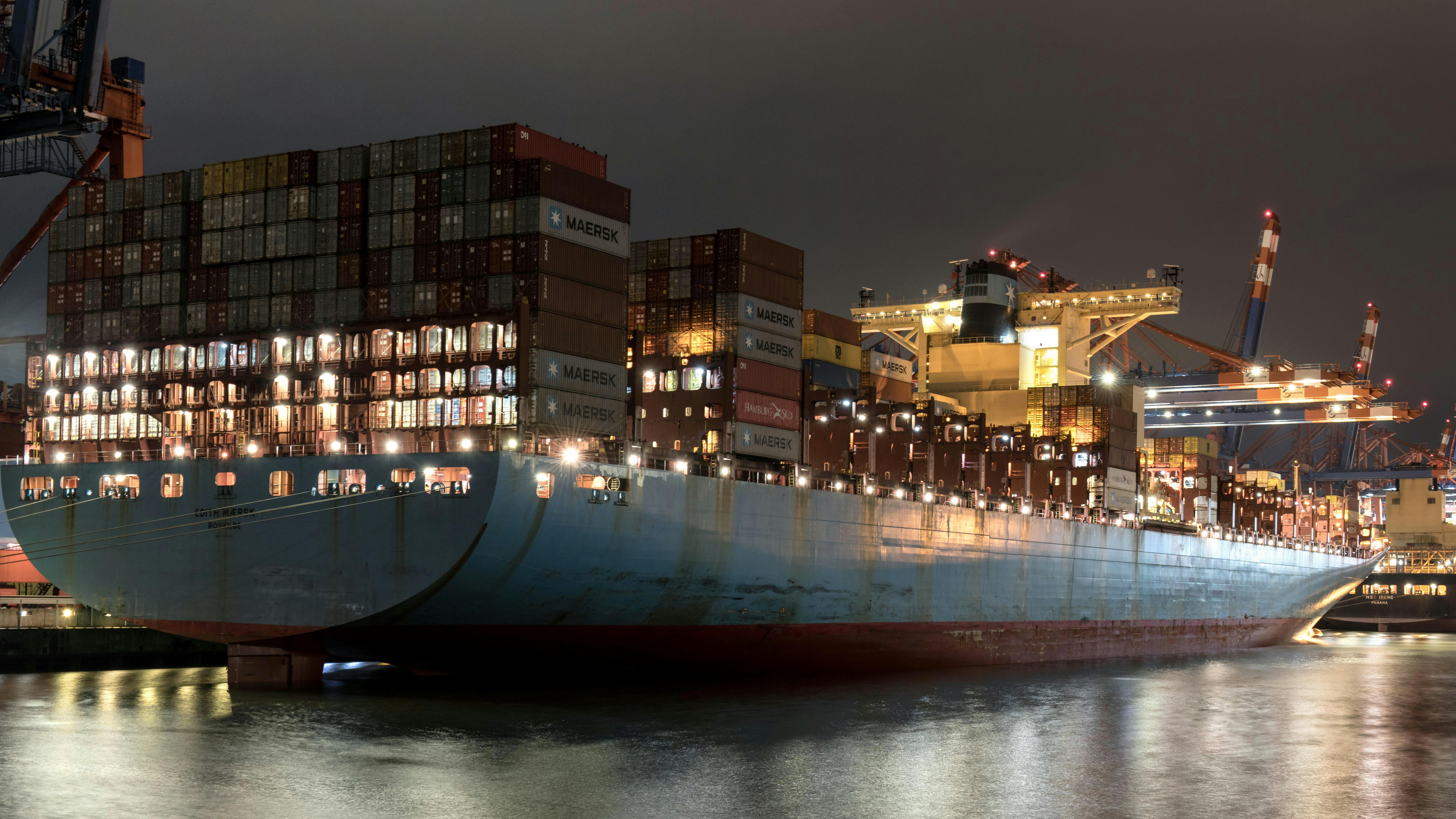
Trade wars have become a recurring feature of the global economy, reshaping markets, supply chains, and international relations in increasingly complex ways. Unlike short-term tariff disputes, which may resolve quickly, prolonged trade conflicts can leave lasting effects on industries, workers, and global governance structures that ripple across borders and influence economic stability. These conflicts often result in increased costs for consumers, disrupt established trade relationships, and create uncertainty that can stifle innovation and investment. Understanding trade war impacts is critical for policymakers, businesses, and investors assessing long-term risks and opportunities, as it allows them to navigate the shifting landscape effectively and prepare strategic responses that not only mitigate immediate challenges but also capitalize on potential market shifts and emerging trends in an interconnected world.
1. Disruption of Global Supply Chains
- Trade wars push companies to diversify or relocate supply chains, often resulting in significant changes to established operational strategies, increased costs in sourcing materials, and the need for companies to explore alternative markets, thereby impacting their overall business models and long-term planning.
- Example: The U.S.–China trade war accelerated shifts toward Vietnam, India, and Mexico for manufacturing.
- Long-term impact: Fragmentation of global production networks and increased costs for businesses, which may ultimately lead to reduced competitiveness in international markets, potential layoffs, and decreased innovation as companies struggle to adapt to a more challenging economic environment.
- Impact on employment: Job losses in affected industries within the home country, leading to increased unemployment rates, financial instability for families, and a rise in reliance on social welfare programs as individuals seek new opportunities in the evolving job market.
- Pressure on tariffs: Increased tariff rates can lead to higher consumer prices, which ultimately may impact the overall economy by reducing consumer spending and driving inflation rates higher, causing additional strain on households and businesses alike.
- Shift in consumer behavior: In response to rising costs, consumers may increasingly seek domestic products, prioritizing value and local production over imported alternatives, which could lead to significant changes in market dynamics and consumer preferences in various sectors.
- Competitive advantage: Companies may prioritize countries with favorable trade agreements, as these agreements can lead to reduced tariffs, enhanced market access, and improved supply chain efficiencies, ultimately fostering a more profitable business environment.
- Supply chain resilience: Businesses reassess and strengthen supply chain strategies to minimize disruptions and enhance their adaptability in the face of unforeseen challenges, ensuring a more robust and efficient flow of goods and services to meet customer demands.

2. Reduced Global Economic Growth
- Tariffs raise costs and lower efficiency, ultimately reducing global GDP growth significantly over time, affecting both developed and developing economies.
- Example: The IMF estimated the U.S.–China trade war reduced global GDP by 0.8% in 2019.
- Long-term impact: Persistent drag on economic growth, leading to stagnation in various sectors, and slower international trade expansion, which can hinder market opportunities and global partnerships overall.
- Increased prices for consumers, leading to reduced purchasing power, which can ultimately affect their ability to buy essential goods and services, and may result in decreased overall economic activity.
- Disruption of supply chains, causing significant delays and instability in markets, leading to unpredictable pricing and challenges in maintaining adequate inventory levels.
- Shift in trade patterns, resulting in inefficiencies and resource misallocation.
- Increased likelihood of retaliation by other countries, escalating trade tensions.
- Potential for job losses in industries reliant on international trade.
- Inequality may widen as certain sectors benefit while others suffer.
- Strained relationships between trading partners, complicating future negotiations.
3. Inflationary Pressures
- Higher import tariffs increase consumer prices, leading to reduced purchasing power for consumers and potentially decreasing overall demand for imported goods in the market.
- Example: U.S. tariffs on steel and aluminum raised domestic production costs across multiple industries.
- Long-term impact: Structural inflation in economies heavily reliant on imports.
- Increased prices can lead to reduced consumer spending.
- Example: Higher costs for imported goods may shift consumer preferences to domestic products.
- Long-term impact: Potential decline in quality and variety of available products.
- Higher tariffs can provoke retaliatory measures from trade partners.
- Example: Other countries may impose tariffs on U.S. exports, impacting businesses.
- Long-term impact: Increased tensions in international trade relations.
4. Decline in Business Confidence and Investment
- Policy uncertainty discourages foreign direct investment (FDI), leading to a decline in economic growth and potential job creation as investors tend to seek more stable environments for their capital allocation.
- Example: Multinational corporations delayed investments in China during tariff disputes, leading to significant uncertainties in the global market and affecting various supply chains that relied heavily on Chinese manufacturing capabilities.
- Long-term impact: Lower global capital flows and increased investment risk premiums, which can result in reduced economic growth across various regions and lead to a potential decrease in cross-border investment opportunities, ultimately affecting both developed and emerging markets.
- Policy instability can lead to decreased innovation as companies hold off on new projects, fearing that ongoing changes in regulations or government directives may render their investments unprofitable or less viable in the future.
- Example: Technology firms postponed expansions due to changing regulatory environments.
- Long-term impact: Reduced competitiveness in the global market as countries with stable policies attract more investment.
- Uncertainty may also affect domestic businesses that rely on foreign partners or markets.
- Example: Local suppliers face cash flow issues due to stalled projects from foreign firms.
- Long-term impact: Slower economic growth and potential job losses in affected industries.
5. Shift in Global Trade Alliances
- Countries realign trade partnerships to reduce dependence on volatile partners.
- Example: The Regional Comprehensive Economic Partnership (RCEP) strengthened Asia-Pacific trade integration.
- Long-term impact: Emergence of new regional trade blocs that bypass traditional global frameworks.
- Countries seek broader economic stability through diversified trade relationships.
- Example: The African Continental Free Trade Area (AfCFTA) enhances intra-African trade.
- Long-term impact: Increased negotiation power for smaller economies in global forums.
- Nations focus on bilateral agreements to ensure smoother trade flows.
- Example: The United States-Mexico-Canada Agreement (USMCA) modernized North American trade relations.
- Long-term impact: Strengthened supply chains within regional contexts.
- Emerging economies capitalize on free trade agreements to attract foreign direct investment.
6. Impact on Emerging Economies
- Trade wars create opportunities and risks for developing nations.
- Example: Vietnam benefited from U.S.–China supply chain shifts but faced rising pressure on infrastructure.
- Long-term impact: Uneven development across emerging economies depending on competitiveness and policy readiness.
- Case study: Mexico has seen an increase in manufacturing investments due to companies relocating from China.
- Challenges: Higher tariffs may lead to increased costs for consumers in developing nations.
- Geopolitical shift: Countries like India are trying to attract companies looking to diversify their supply chains.
- Potential benefits: Opportunity for local businesses to fill gaps left by larger multinational companies.
- Strategic alliances: Developing nations may form new trade agreements to strengthen their positions in the global market.

7. Technology and Intellectual Property Disputes
- Trade wars increasingly target tech industries and intellectual property rights.
- Example: Restrictions on Huawei disrupted global telecommunications supply chains.
- Long-term impact: Technological decoupling between major economies, leading to parallel ecosystems.
- Trade tensions have prompted countries to bolster domestic tech capabilities.
- Example: Investment in local semiconductor manufacturing facilities has surged.
- Long-term impact: Increased self-sufficiency in tech sectors, reducing reliance on foreign suppliers.
- New regulations are emerging to protect sensitive information and data privacy.
- Example: Stricter compliance requirements for software used in critical infrastructure.
- Long-term impact: Heightened operational costs for multinational technology firms.
8. Strain on Multilateral Institutions
- Trade disputes undermine the authority of the World Trade Organization (WTO).
- Example: The U.S. blocked WTO appellate body appointments, weakening enforcement mechanisms.
- Long-term impact: Reduced effectiveness of multilateral trade governance and rise of bilateral agreements.
- Example: Increased reluctance of member countries to submit disputes to the WTO.
- Long-term impact: Fragmentation of global trade rules into regional pacts.
- Example: Escalation of tariffs and trade barriers between major economies.
- Long-term impact: Economic uncertainty and volatility in global markets.
9. Labor Market and Workforce Effects
- Trade wars displace workers in affected industries while creating demand in others.
- Example: U.S. farmers lost Chinese markets during tariff escalations, requiring subsidies to offset losses.
- Long-term impact: Structural workforce shifts and higher adjustment costs for workers in trade-exposed sectors.
- Increased competition for jobs in less affected sectors, leading to wage stagnation.
- Example: Manufacturing jobs shifted overseas, resulting in fewer opportunities domestically.
- Long-term impact: Reduced job security and benefits as companies adapt to volatile trade policies.
- Trade policy uncertainty discourages investment in new projects and technologies.
10. Geopolitical Tensions
- Trade wars deepen strategic rivalries between major economies.
- Example: The U.S.–China conflict spilled over into technology, security, and diplomatic disputes.
- Long-term impact: Stronger alignment of global politics and economics, with trade used as a geopolitical weapon.
- Trade wars can lead to increased tariffs that affect consumers and businesses.
- Example: Industries reliant on imports suffer increased costs, leading to higher prices for goods.
- Long-term impact: Potential for economic downturns in countries involved.
- Trade wars may cause uncertainty in global markets, affecting investments and economic growth.
- Example: Fluctuating stock prices in response to trade announcements and tariffs.
- Long-term impact: Slower innovation and development due to disrupted supply chains.
- Trade wars can influence global alliances, as countries take sides based on economic interests.
- Example: European nations may distance themselves from the U.S. or China based on trade policies and practices.
Challenges in Managing Trade Wars
- Uncertainty in policy cycles.
- Escalating retaliation measures.
- Difficulty restoring trust after disputes.
- Limited effectiveness of dispute resolution institutions.
- Prolonged negotiations leading to stagnation.
- Lack of transparency in decision-making processes.
- Increasing polarization among stakeholders.
- Inadequate enforcement of agreements.
- Resistance to change from established interests.
- Complicated legal frameworks hindering resolution.
Future Outlook
- Growth of regional trade blocs and “friend-shoring” strategies.
- Increased focus on supply chain resilience and domestic manufacturing.
- Expansion of trade disputes beyond tariffs to technology, data, and green policies.
- Potential reform of WTO and global trade governance structures.
- Emergence of digital trade agreements and e-commerce regulations.
- Heightened scrutiny of foreign investment in strategic industries.
- Shifts in consumer preferences impacting trade flows.
- Development of alternative logistics and transportation routes.
- Rising importance of sustainable and ethical sourcing practices.
Conclusion
Trade wars create long-lasting disruptions that reshape global supply chains, weaken economic growth, and shift long-established alliances. While some nations and industries may benefit in the short term due to changes in tariffs or market access, the overall effects tend to be more detrimental, leading to reduced efficiency, higher costs of goods and services, and increasingly complex geopolitical tensions. These conflicts not only disrupt trade but also impact domestic economies as companies struggle to adapt to new trade barriers and consumer preferences shift. Preparing for these structural shifts requires not only coordinated policy responses from governments but also resilient business strategies that prioritize flexibility and innovation. Furthermore, there is a pressing need for renewed global governance mechanisms that address these challenges collaboratively, promoting dialogue and cooperation to mitigate the adverse effects of trade wars on all stakeholders involved, including consumers, businesses, and governments alike.
Sources
- https://www.imf.org
- https://www.oecd.org
- https://www.brookings.edu
- https://www.weforum.org
- https://unctad.org
About The Author


