
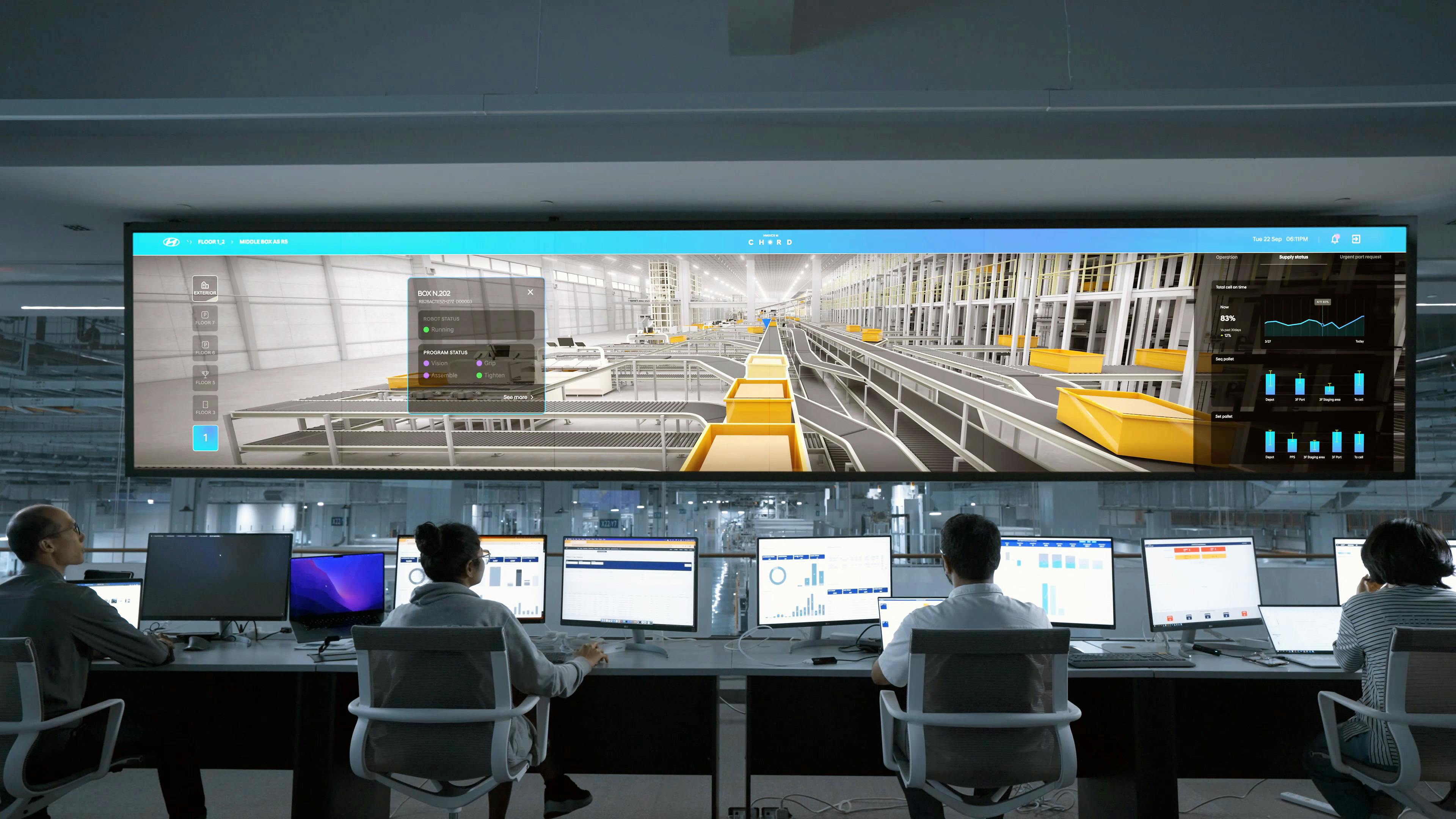
Automation is one of the most transformative forces reshaping the global workforce. Advances in robotics, artificial intelligence, and machine learning accelerate productivity and efficiency, but they also disrupt traditional labor markets in significant ways. As automation technologies continue to evolve and integrate into various industries, they raise critical questions about the future of work, job displacement, and the need for upskilling the current workforce. Understanding the workforce automation impact is crucial for policymakers, businesses, and workers navigating an evolving economic landscape, as they must adapt to new roles and responsibilities while fostering an environment that embraces technological advancements. By investing in education and training programs, society can better prepare employees for the challenges that come with automation, ensuring that they possess the necessary skills to thrive in this rapidly changing job market.
1. Job Displacement in Routine Tasks
- Automation primarily affects jobs involving repetitive, routine activities.
- Example: Manufacturing assembly lines increasingly use industrial robots, reducing demand for human labor.
- Service sectors such as retail and customer support also experience displacement through chatbots and kiosks.
- Administrative tasks, like data entry and scheduling, are being automated through advanced software solutions.
- Automated systems in agriculture, such as drones and self-driving tractors, decrease the need for manual labor on farms.
- In logistics, automated sorting systems and delivery drones are transforming how goods are distributed, impacting warehouse jobs.
- The financial industry is experiencing job losses due to algorithmic trading and automated customer service platforms.
- Educational tools like online learning management systems reduce the necessity for traditional teaching roles in specific contexts.

2. Creation of New High-Skill Jobs
- Automation generates demand for roles in robotics engineering, data science, and AI development.
- Example: Growth in autonomous vehicle industries creates new career pathways in software engineering and safety analysis.
- These jobs often require advanced technical education and ongoing training.
- Automation also increases the need for cybersecurity experts to protect sensitive data.
- Emerging technologies lead to roles in machine learning and algorithm development.
- The demand for IT support specialists is rising as more businesses adopt automated systems.
- Job opportunities in cloud computing continue to expand as companies migrate to digital solutions.
- The healthcare sector requires professionals skilled in telemedicine and remote patient monitoring technologies.
- Enhanced production capabilities have created a need for automation technicians in manufacturing industries.
3. Impact on Income Inequality
- Workers with digital skills benefit disproportionately from automation-driven growth.
- Low- and mid-skill workers face wage stagnation or job loss.
- Example: The World Economic Forum predicts automation could displace 85 million jobs but create 97 million by 2025, widening skill-based inequality.
- The demand for high-tech roles is increasing, leading to greater job security for those with advanced training.
- Economies that adapt to technological advancements can see improved productivity.
- Continued education and upskilling are essential for workers to remain competitive in a changing job market.
- Companies that invest in employee training may experience higher retention rates and employee satisfaction.
- Industries heavily reliant on manual labor are at a higher risk of automation-related disruptions.
- The transition to a digital economy requires new policies to protect vulnerable workers.
- Public and private partnerships can play a critical role in workforce development strategies.
4. Workforce Reskilling and Education Needs
- Lifelong learning becomes essential to adapt to automation-driven changes.
- Governments and employers must invest in reskilling programs.
- Example: Singapore’s SkillsFuture program supports continuous training to prepare workers for future industries.
- Educational institutions need to revise curricula to align with emerging technologies.
- Online learning platforms can provide flexible options for workers to upskill.
- Collaboration between private and public sectors can enhance training opportunities.
- Communities should create support networks for individuals pursuing new skills.
- Ongoing assessments of workforce needs can guide reskilling efforts.
5. Regional and Sectoral Disparities
- Automation impacts vary by country and sector.
- Example: Developed economies with advanced infrastructure adopt automation faster than low-income countries.
- Sectors like logistics, healthcare, and finance face differing levels of automation pressure.
- Emerging markets often have a mix of opportunity and resistance to automation.
- The technology adoption curve influences how quickly sectors can adapt to automation.
- Workforce skill levels significantly affect the transition to automated processes.
- Regulatory environments play a crucial role in the pace of automation in different regions.
- Cultural attitudes toward technology can either accelerate or hinder automation adoption.
6. Human-Machine Collaboration
- Collaborative robots (cobots) enable humans to work alongside machines.
- Example: In warehouses, cobots handle heavy lifting while humans focus on complex problem-solving.
- This trend shifts the nature of work rather than eliminating it entirely.
- Cobots can be programmed for various tasks, increasing versatility in operations.
- They are designed with safety features that allow them to operate in close proximity to humans.
- The integration of cobots can lead to increased productivity and efficiency in the workplace.
- Cobots can easily be reconfigured for different tasks, making them adaptable to changing needs.
- Their use can reduce the physical strain on human workers, potentially lowering injury rates.
- Collaborating with cobots allows workers to enhance their skills and expertise in robotics and automation.

7. Gig Economy and Platform Work
- Automation drives growth in digital platforms offering freelance and short-term work.
- Example: Platforms like Upwork and Uber illustrate how technology redefines employment structures.
- However, gig work often lacks traditional protections such as healthcare and pensions.
- The flexibility of gig work can lead to unpredictable income.
- Many gig workers report feelings of isolation compared to traditional jobs.
- Advances in AI and machine learning continue to reshape the types of available gig work.
- Some platforms provide tools for workers to manage their schedules more effectively.
- Regulations surrounding gig work are evolving in various countries.
- Workers often lack the bargaining power associated with traditional employment.
8. Policy and Regulatory Challenges
- Governments face pressure to design policies that manage automation’s disruptions.
- Example: Proposals include universal basic income (UBI) and tax incentives for companies that reskill displaced workers.
- Labor laws must adapt to new forms of employment.
- Stakeholders advocate for increased funding in education and training programs.
- There is a growing need for social safety nets to support affected individuals.
- Policymakers are encouraged to engage with tech industry leaders to understand future challenges.
- There may be a shift toward flexible work arrangements that reflect changing job landscapes.
- Public discussions around ethical implications of AI and automation are becoming more prominent.
9. Ethical and Social Considerations
- Ethical concerns include fairness, worker dignity, and the future of human agency in the workplace.
- Example: Algorithmic management in warehouses raises concerns about surveillance and worker autonomy.
- Policymakers and businesses must balance efficiency with social responsibility.
- The impact of automation on job displacement is significant and needs careful consideration.
- Ensuring transparency in algorithmic decision-making can help mitigate ethical dilemmas.
- Stakeholders should engage in dialogues to address the implications of technology on employment.
- There is a need for regulations that protect worker rights in tech-driven industries.
- The ethical use of data in workplace monitoring must prioritize employee privacy.
10. Long-Term Future of Work
- Automation will likely accelerate in healthcare, logistics, and creative industries, leading to increased efficiency, reduced human error, and the potential for innovative solutions to complex problems within these sectors.
- Human roles may increasingly focus on empathy, creativity, and complex decision-making, enabling individuals to navigate intricate social dynamics and develop innovative solutions in various professional contexts, thereby enhancing collaboration and fostering a more inclusive work environment.
- Example: AI-powered medical tools assist doctors in diagnosing various conditions and suggesting potential treatments, but human judgment remains essential in making final decisions regarding patient care and managing complex cases.
- Automation could enhance supply chain management significantly, reducing delays and improving overall efficiency by streamlining processes, minimizing errors, and enabling real-time tracking of shipments and inventory levels, thus leading to a more responsive and adaptive supply chain.
- The creative industry might see a blend of AI tools that aid in content creation, such as writing assistants and design generators, while human artists provide the unique touch that only a personal perspective and emotional connection can render.
- As automation takes hold, ongoing education will become critical for workers transitioning to new roles, especially as industries evolve rapidly and the demand for new skills continues to rise in this changing job landscape.
- Ethics in AI will become a pivotal area, focusing on accountability and privacy concerns, as these factors are increasingly at the forefront of discussions about the responsible development and deployment of artificial intelligence technologies, ultimately shaping the societal impact of these innovations.
- Human oversight in automated systems will ensure reliability and trust in technological advancements, serving as a critical checkpoint that verifies the actions and decisions made by these systems, thereby fostering a deeper sense of confidence among users and stakeholders in the rapidly evolving tech landscape.
Challenges of Workforce Automation
- Uneven distribution of benefits and risks.
- Insufficient investment in retraining programs.
- Difficulty in regulating new work models.
- Risk of deepening global inequality.
- Challenges in protecting workers’ rights.
- Inadequate social safety nets.
- Limited access to technology and digital literacy.
- Threats to mental health and well-being.
- Potential for job displacement without alternative options.
- Environmental concerns linked to increased automation.
- Ethical considerations in AI and machine learning implementations.
- Possible erosion of traditional job roles.
- Increased pressure on healthcare systems from job-related stress.
- Unmet needs for affordable housing in urban areas.
- Dependence on gig economy leading to instability.
Future Outlook
- Greater emphasis on human-centered automation design.
- Expansion of public-private partnerships to support reskilling.
- Growth of policies that combine innovation incentives with social protections.
- Shift toward valuing skills that complement rather than compete with automation.
- Increased investment in technology-driven educational programs.
- Enhanced collaborations between educational institutions and industry leaders.
- Development of comprehensive workforce transition plans.
- Focus on lifelong learning initiatives to adapt to changing job markets.
- Promotion of research initiatives that explore the impact of automation.
- Strengthening of safety nets for displaced workers.
- Integration of soft skills training in educational curricula.
- Recognition of micro-credentials and alternative pathways for skills validation.
- Support for community-based learning programs.
- Collaboration with technology providers for skill alignment.
- Development of metrics to assess the effectiveness of reskilling efforts.
- Engagement of diverse stakeholders in policy formation.
Conclusion
Automation’s impact on the global workforce is multifaceted, involving both disruption and opportunity. While automation displaces certain jobs, particularly those that are repetitive or manual in nature, it also creates new roles that require different skill sets, thus reshaping human-machine collaboration in innovative ways. The challenge lies in managing inequality, as the transition can disproportionately affect lower-skilled workers, necessitating comprehensive strategies for reskilling and upskilling those impacted. Moreover, ensuring the ethical use of technology is essential to foster trust between employers and employees. With effective policies that promote educational initiatives and proactive adaptation to changing job landscapes, automation can enhance productivity and efficiency across various sectors, while simultaneously fostering inclusive economic growth that benefits everyone in society. As we embrace this technological evolution, it is crucial to acknowledge and address these challenges to create a sustainable future for the workforce.
Sources
- https://www.weforum.org
- https://www.oecd.org
- https://www.brookings.edu
- https://www.mckinsey.com
- https://www.ilo.org
About The Author


