
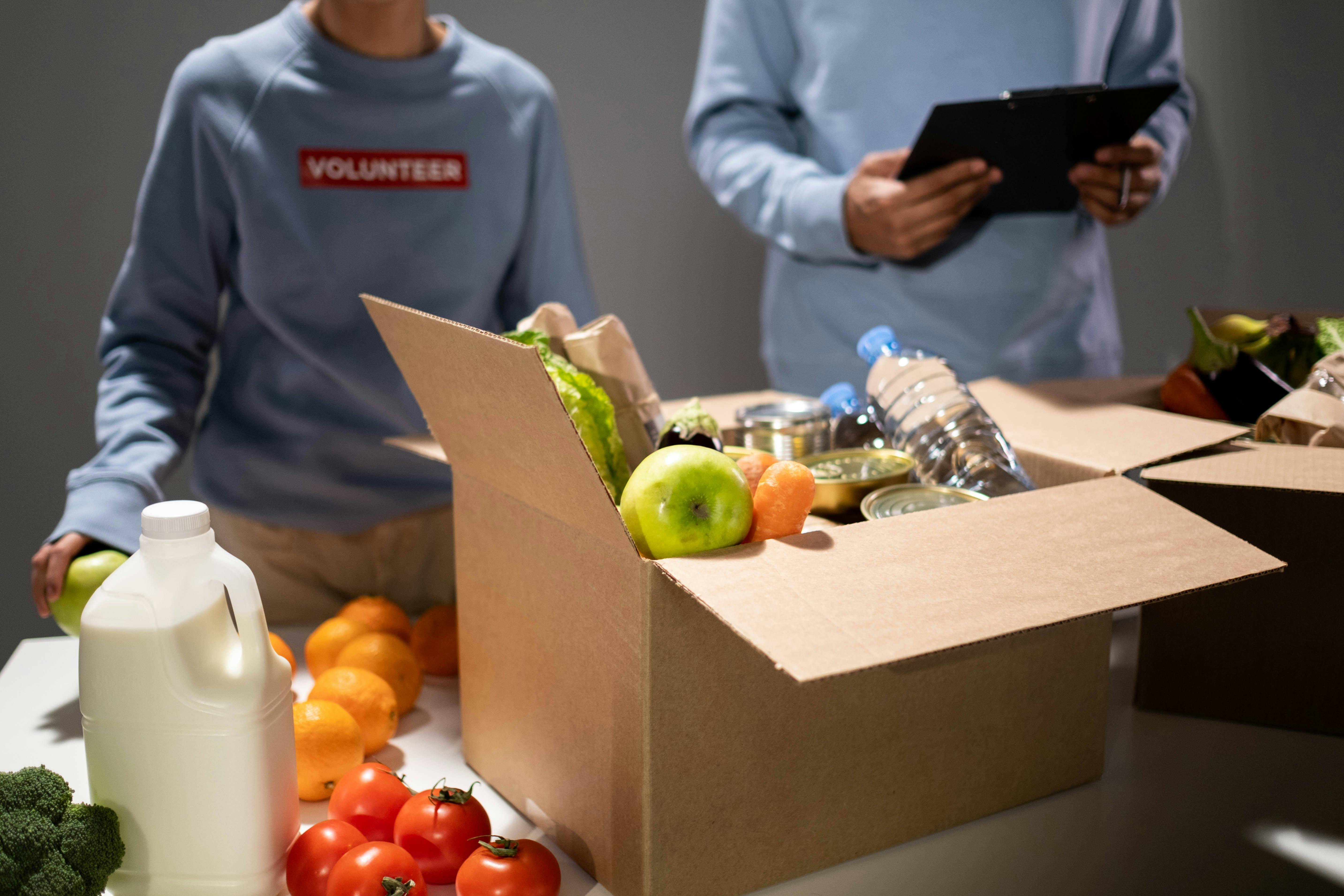
Food security remains one of the most critical challenges of the 21st century, impacting millions around the globe. With a global population projected to reach nearly 10 billion by 2050, ensuring consistent access to affordable, safe, and nutritious food is essential not only for individual well-being but also for global stability. Climate change, which exacerbates weather patterns, geopolitical instability sparked by conflicts and trade disputes, resource scarcity due to overexploitation, and supply chain vulnerabilities further complicate this challenge, creating a multifaceted crisis that requires urgent attention. Governments, international organizations, and private sector actors are adopting multifaceted strategies that include enhancing agricultural productivity, promoting sustainable practices, and improving distribution networks to secure the global food system. This article explores the most effective strategies to address food security challenges, emphasizing the collaborative efforts needed across various sectors and the importance of innovation in technology and policy.
1. Strengthening Sustainable Agriculture
- Promoting climate-smart agricultural practices such as conservation tillage, crop diversification, and agroforestry.
- Investing in drought-resistant and pest-resistant crop varieties.
- Example: The CGIAR research network develops resilient crop varieties adopted across Africa and Asia.
- Implementing water management systems to enhance irrigation efficiency.
- Encouraging integrated pest management to reduce reliance on chemical pesticides.
- Supporting organic farming practices to improve soil health and biodiversity.
- Promoting agroecological approaches that maintain ecosystem balance.
- Providing education and training for farmers on sustainable practices.
- Encouraging community-based conservation efforts to protect local ecosystems.
- Collaborating with local governments to establish supportive policy frameworks.
- Incorporating precision agriculture technologies for better resource management.
- Establishing farmer cooperatives to strengthen market access.
- Promoting agroforestry systems to enhance biodiversity and carbon sequestration.
- Facilitating access to finance for smallholders to invest in sustainable practices.
- Implementing crop rotation strategies to maintain soil health.
- Encouraging use of cover crops to improve soil fertility and prevent erosion.
2. Enhancing Global Supply Chains
- Improving logistics and infrastructure to reduce post-harvest losses.
- Diversifying supply sources to minimize risks from geopolitical disruptions.
- Example: Investments in cold-chain infrastructure in India and Africa improve food distribution efficiency.
- Enhancing transportation networks to facilitate quicker delivery of goods.
- Implementing advanced tracking systems to monitor supply chain efficiency.
- Strengthening partnerships with local producers to secure consistent supply.
- Conducting regular audits of the supply chain to identify bottlenecks.
- Utilizing technology to predict demand fluctuations and adjust supply accordingly.
- Developing robust contingency plans to respond to supply chain disruptions.
- Investing in workforce training to improve operational efficiency.
- Collaborating with technology firms to innovate supply chain solutions.
- Enhancing data analytics capabilities to better forecast trends and demands.
- Promoting sustainability practices within the supply chain to reduce waste.
3. Expanding Access to Agricultural Technology
- Leveraging precision agriculture tools such as satellite monitoring, sensors, and AI-driven analytics.
- Supporting smallholder farmers with mobile platforms for weather forecasts, pricing, and advisory services.
- Example: Digital Green provides low-cost digital solutions for farmers in South Asia and Sub-Saharan Africa.
- Implementing drip irrigation systems to optimize water usage.
- Using blockchain technology for transparent supply chain management.
- Providing training programs on sustainable farming practices.
- Enhancing crop yield through genetically modified organisms (GMOs).
- Facilitating access to microloans for purchasing seeds and equipment.
- Utilizing crop rotation techniques to improve soil health.
- Integrating agroforestry practices to enhance biodiversity.
- Conducting soil testing and analysis for better nutrient management.
- Promoting organic farming methods to reduce chemical inputs.
- Creating community-supported agriculture (CSA) programs for direct farmer-to-consumer sales.
- Developing urban agriculture initiatives to increase local food production.
- Implementing pest management strategies that focus on biological controls.

4. Promoting Water Efficiency and Management
- Agriculture consumes around 70% of global freshwater resources.
- Introducing drip irrigation, water harvesting, and wastewater reuse technologies.
- Example: Israel’s national water management system demonstrates efficiency in arid environments.
- Proper soil management techniques can further reduce water use.
- Crop rotation contributes to improved water retention in soils.
- Implementing buffer strips can help filter runoff and conserve water.
- Utilizing precision agriculture can optimize water usage.
- Rainwater harvesting systems can supplement irrigation needs.
- Cover cropping helps maintain soil moisture levels.
- Educating farmers on water-efficient practices enhances sustainability.
- Integrating agroforestry can help in managing water resources effectively.
- Conservation tillage reduces soil erosion and improves water absorption.
5. Strengthening International Trade Frameworks
- Ensuring open, transparent, and fair trade policies to stabilize food availability.
- Reducing export bans and tariff barriers during crises.
- Example: The World Trade Organization (WTO) advocates against restrictive food trade measures that exacerbate shortages.
- Promoting regional trade agreements to enhance food security.
- Encouraging farmers to diversify crops to reduce dependency on single markets.
- Implementing technology and infrastructure improvements to facilitate trade flow.
- Strengthening supply chain resilience to withstand global disruptions.
- Enhancing access to financing for farmers and traders to support food production.
- Advocating for sustainable agriculture practices to ensure long-term food security.
- Supporting research and development in agricultural innovations for improved productivity.
- Fostering collaboration between governments and private sectors to improve food distribution networks.
6. Building Food System Resilience to Climate Change
- Embedding adaptation strategies such as early warning systems for droughts and floods.
- Supporting insurance schemes to protect farmers from climate-induced losses.
- Example: The African Risk Capacity initiative provides insurance against extreme weather events.
- Developing climate-resilient crop varieties to enhance food security.
- Promoting sustainable water management practices to mitigate drought impacts.
- Implementing reforestation projects to restore ecosystems and capture carbon.
- Encouraging agroforestry practices to diversify income sources for farmers.
- Providing training for farmers on adaptive agricultural techniques.
- Establishing community-based adaptation funding mechanisms to empower local initiatives.
- Strengthening local markets to improve farmers’ access to resources.
- Facilitating access to climate information and forecasting for agricultural planning.
- Promoting the use of organic farming practices to enhance soil health.
- Encouraging the use of drip irrigation systems to save water.
- Creating partnerships between governments and NGOs to enhance support for farmers.
- Developing policies to incentivize sustainable land management practices.
7. Reducing Food Waste and Loss
- Nearly one-third of global food production is lost or wasted annually.
- Encouraging improved storage, packaging, and consumer awareness.
- Example: The EU’s “Farm to Fork” strategy targets halving food waste by 2030.
- Food loss in developing countries is primarily due to lack of infrastructure.
- Improved logistics can significantly reduce food waste during transit.
- Consumers can help reduce waste by planning meals and buying only what they need.
- Education on food preservation techniques can extend shelf life.
- Example: Many countries implement policies to redistribute surplus food.
- Implementing technology such as apps for tracking food expiration dates.
- Engaging local communities in food-sharing initiatives.
- Promoting the use of imperfect produce to reduce waste.
- Educating children about sustainable food practices in schools.
- Supporting farmers’ markets to encourage local and seasonal buying.
- Advocating for legislation that incentivizes food donation.

8. Supporting Smallholder Farmers
- Smallholders produce around 30% of the world’s food supply.
- Providing access to credit, markets, and training.
- Example: Microfinance programs in Latin America empower small-scale farmers to invest in productivity improvements.
- Smallholder farming is a major source of income for rural families.
- Local food systems enhance food security and resilience.
- Improved agricultural practices lead to higher yields and better nutrition.
- Example: Cooperative model helps smallholders share resources and knowledge.
- Women represent a significant portion of smallholder farmers, contributing to community development.
- Sustainable farming practices protect biodiversity and soil health.
- Smallholders often face challenges like climate change and market fluctuations.
- Community-supported agriculture fosters a connection between farmers and consumers.
- Educational initiatives can improve farming techniques and productivity.
- Access to local markets reduces transportation costs and waste.
- Diversification of crops can enhance income stability for smallholders.
9. Diversifying Protein Sources
- Scaling alternative proteins such as plant-based meat, insect farming, and cultured meat.
- Reducing reliance on resource-intensive livestock farming.
- Example: Startups like Beyond Meat and Upside Foods accelerate alternative protein adoption.
- Promoting consumer awareness of the environmental benefits of alternative proteins.
- Encouraging governmental policies that support alternative protein research and development.
- Collaborating with food brands to incorporate alternative proteins into mainstream products.
- Investing in technology for enhancing the taste and texture of plant-based proteins.
- Expanding distribution channels for alternative protein products.
- Engaging in community initiatives to educate about the health benefits of alternative proteins.
- Developing partnerships with educational institutions for research on alternative proteins.
- Hosting workshops and events to showcase cooking with alternative proteins.
- Creating online platforms to share recipes and cooking tips using alternative proteins.
- Supporting local farmers who cultivate alternative protein sources.
- Advocating for labeling transparency in alternative protein products.
- Conducting studies to document the impact of alternative proteins on carbon footprint reduction.
10. Policy Coordination and Global Governance
- Aligning national policies with international commitments like the UN Sustainable Development Goals (SDGs).
- Strengthening multi-stakeholder platforms for food system governance.
- Example: The UN Committee on World Food Security provides a framework for global dialogue and policy guidance.
- Enhancing data collection and transparency in food systems.
- Promoting sustainable agricultural practices to reduce environmental impact.
- Fostering innovation and technology in food production and distribution.
- Ensuring equitable access to nutritious food for all populations.
- Supporting smallholder farmers through financial and technical assistance.
- Developing educational programs on nutrition and food sustainability.
- Encouraging consumer awareness campaigns to promote sustainable consumption.
- Implementing policies to reduce food waste at all levels of the supply chain.
- Collaborating with private sectors to improve food supply chains.
- Advocating for social protection programs that ensure food security.
- Investing in infrastructure to support rural and urban food systems.
Challenges in Implementing Food Security Strategies
- Resource disparities between high-income and low-income nations.
- Political resistance to trade liberalization.
- Climate uncertainty affecting long-term planning.
- Dependence on international cooperation, which may be inconsistent.
- Economic instability caused by global market fluctuations.
- Barriers to technology transfer between developed and developing countries.
- Lack of infrastructure in low-income regions.
- Variability in regulatory standards and compliance.
- Social and cultural differences influencing trade relations.
- Limited access to financial markets for emerging economies.
Future Outlook
- Greater reliance on biotechnology and AI-driven agriculture.
- Regional food security agreements to complement global frameworks.
- Increased role of private-sector investment in sustainable food systems.
- Stronger emphasis on nutrition-sensitive agriculture to address hidden hunger.
- Enhanced global partnerships to share agricultural innovations.
- Promotion of agroecological practices to enhance biodiversity.
- Development of circular economy approaches within food systems.
- Investment in infrastructure to reduce food loss and waste.
- Focus on resilient food supply chains in the face of climate change.
- Support for smallholder farmers through access to technology and training.
Conclusion
Ensuring global food security requires a comprehensive and coordinated approach that takes into account the diverse needs and challenges faced by different regions. From improving agricultural practices such as crop rotation and sustainable farming techniques to addressing food waste through better supply chain management and consumer education, technology, and effective governance play pivotal roles. The strategies outlined demonstrate pathways toward resilience by incorporating advancements in biotech, precision farming, and data analytics to optimize food production. While challenges persist, including climate change, population growth, and economic disparities, global cooperation, innovation, and sustainable policies can help secure nutritious food for all in the decades to come. By fostering partnerships among governments, NGOs, and the private sector, we can create a more equitable food system that not only meets the demands of today but also protects the resources necessary for future generations.
Sources
- https://www.cgiar.org
- https://www.wto.org
- https://www.fao.org
- https://www.un.org
- https://www.worldbank.org
About The Author


