
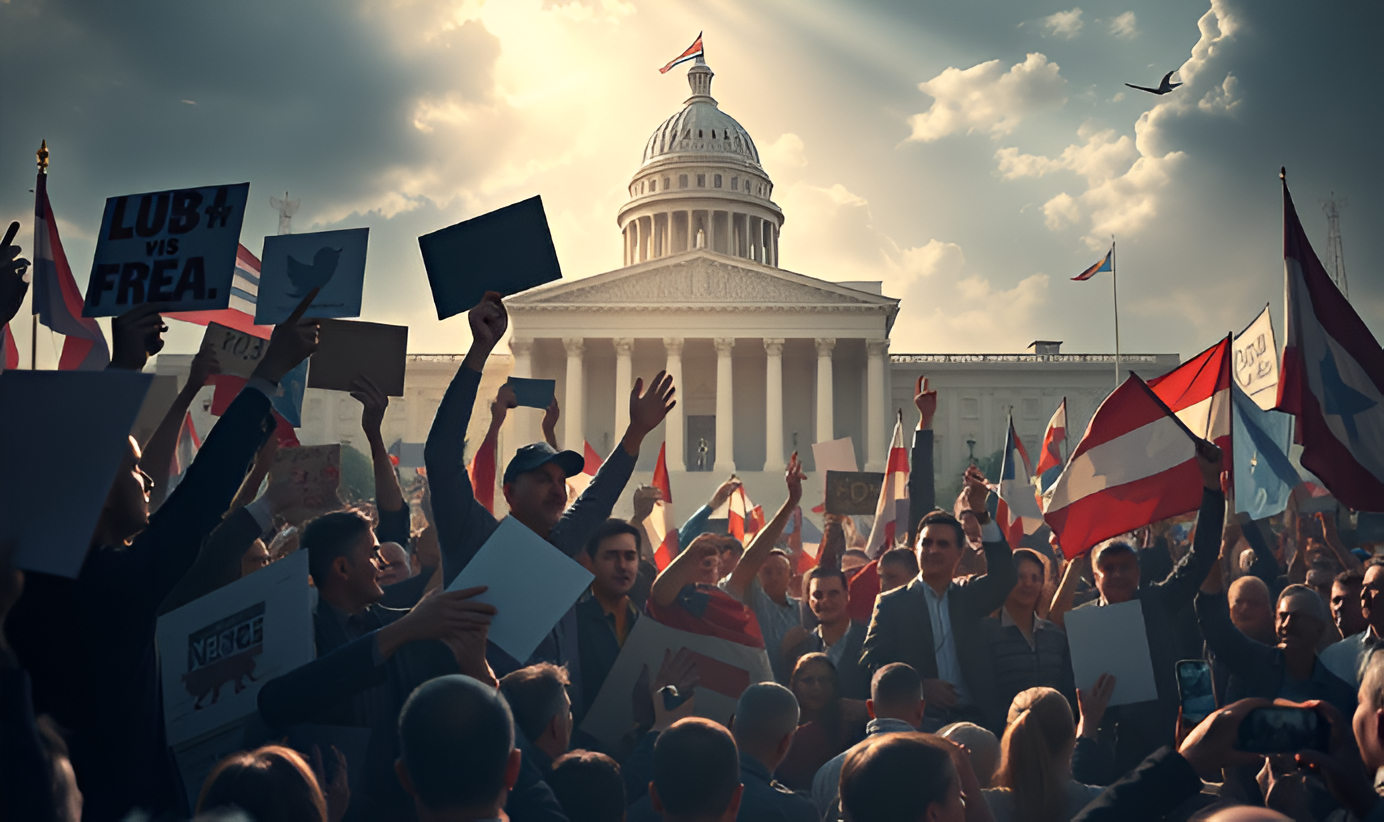
The global political landscape is undergoing rapid transformation driven by technological disruption, shifting demographics, and evolving geopolitical alignments that influence every aspect of international relations and domestic policies. Understanding these political trends is essential for policymakers, businesses, and civil society organizations to anticipate risks and opportunities in an increasingly interconnected world. As the dynamics of global power shift, the emergence of new political actors and alliances becomes evident, requiring a nuanced analysis of their motivations and impacts. This article highlights the most significant political trends reshaping global societies, including the rise of populism, the impact of climate change on security agendas, and the increasing importance of digital governance, alongside their long-term implications for stability and international cooperation.
1. Rise of Populism
- Populist movements continue to reshape electoral politics worldwide.
- Leaders emphasize nationalism, protectionism, and anti-elite rhetoric.
- Example: Political shifts in countries such as Brazil, Italy, and the United States highlight populism’s impact on governance.
- These movements often gain traction during economic downturns or crises.
- Social media plays a crucial role in the organization and spread of populist ideologies.
- Populist leaders frequently target traditional media as part of their anti-elite narrative.
- Grassroots activism is a significant component of many populist movements.
- Populism can lead to polarization within political parties and among constituents.
- There is a tendency for populist governments to undermine democratic institutions and norms.
- Populist rhetoric often oversimplifies complex political issues.
- Many populist leaders capitalize on public discontent with the establishment.
- Economic inequality frequently fuels the rise of populist sentiments.
- Populist strategies may involve direct appeals to the electorate, bypassing traditional political channels.
- These movements can inspire a renewed sense of political engagement among previously apathetic voters.
- Populist agendas may prioritize the interests of a specific group over broader societal needs.

2. Declining Trust in Institutions
- Public confidence in political institutions, media, and judiciary is declining.
- Disinformation and polarization exacerbate skepticism.
- Example: Surveys by the Edelman Trust Barometer show declining trust in government across multiple regions.
- Economic inequality contributes to distrust in institutions.
- Social media platforms amplify misinformation and divisive content.
- Citizens report feeling alienated from the political process.
- Transparency and accountability in governance are increasingly questioned.
- Historical events and scandals have lasting effects on public perception.
- Generational differences impact levels of trust in institutions.
- The role of traditional media in shaping public opinion is challenged.
- Political polarization leads to a lack of bipartisan cooperation.
- Community engagement in political discourse is diminishing.
- Fear of repercussions discourages whistleblowing in institutions.
- Public protests reflect dissatisfaction with political leadership.
- Trust in local versus national institutions shows significant variation.
3. Geopolitical Realignments
- Power is shifting from a unipolar to a multipolar world order.
- Emerging economies such as India, Brazil, and Nigeria play larger roles in global governance.
- Example: BRICS expansion demonstrates efforts to build alternatives to Western-led institutions.
- Increased collaboration among emerging markets is reshaping international trade dynamics.
- The rise of regional alliances reflects a desire for greater autonomy from traditional powers.
- Technological advancements are driving changes in global economic influence.
- Climate change is prompting collective action among developing nations to address environmental issues.
- The rebalancing of global power dynamics is affecting diplomatic relations.
- Trade wars and tariffs are leading to shifts in supply chains.
- Global health crises are uniting countries to bolster public health responses.
- Digital currencies are changing the landscape of international finance.
- Cultural exchanges and soft power are becoming pivotal in international relationships.
4. Technology and Politics
- Digital platforms transform how political campaigns, governance, and citizen engagement function.
- Challenges include election misinformation, cybersecurity risks, and surveillance.
- Example: Social media-driven protests such as the Arab Spring highlight digital politics.
- The rise of micro-targeting in political advertising alters voter engagement strategies.
- Online petitions and crowdfunding have changed the landscape for grassroots movements.
- Increased transparency through digital tools allows for more accountable governance.
- The digital divide poses a barrier to equal participation in democratic processes.
- Instant communication through digital platforms increases the speed of political mobilization.
- Data analytics in election strategies enable targeted outreach to specific voter demographics.
- The role of influencers in shaping political opinions and mobilizing supporters has grown significantly.
- E-governance initiatives leverage technology to streamline citizen services and improve public administration.
- Digital literacy programs are essential to ensure all citizens can engage with online political content.
5. Climate Politics and Green Transition
- Climate change is central to policy debates worldwide.
- Governments adopt green transition strategies, often sparking political contestation.
- Example: EU Green Deal policies face both support and resistance from industry groups.
- Economic implications of climate policies are often contested.
- Public opinion plays a significant role in shaping climate policy.
- International agreements, like the Paris Accord, influence national strategies.
- Advocacy groups argue for more aggressive climate action.
- Fossil fuel industries lobby against stringent climate regulations.
- Climate change impacts are increasingly visible in natural disasters.
- Local governments implement their own climate initiatives despite national policies.
- The transition to renewable energy sources presents both opportunities and challenges.
- Climate education is becoming part of school curricula to raise awareness.
- Environmental justice movements highlight disparities in climate impact.
- Corporations are increasingly adopting sustainability goals in response to public pressure.
- Innovative technologies are being developed to combat climate change.

6. Migration and Demographic Shifts
- Migration pressures influence national and international politics.
- Aging populations in developed economies shift policy priorities toward labor mobility.
- Example: Europe’s refugee crises significantly influenced domestic politics and EU policymaking.
- Climate change impacts migration patterns, leading to new political debates.
- Economic disparities between countries drive migration and affect diplomatic relations.
- Health crises, such as pandemics, can alter migration policies and responses.
- The role of social media in shaping perceptions of migration and migrants.
- Public opinion on immigration issues can sway electoral outcomes and policy decisions.
- Globalization increases migration flows, prompting international cooperation or conflict.
- Travel restrictions and border controls can influence migration patterns and human rights.
- The intersection of migration and labor market needs shapes immigration policies.
- Cultural exchanges due to migration can enrich societies but also create tensions.
- Human trafficking and illegal migration raise challenges for law enforcement and policy.
- The impact of remittances on economies contributes to migration decisions.
7. Polarization and Identity Politics
- Societies face increasing political polarization along cultural, religious, and ideological lines.
- Identity-based mobilization drives both unity within groups and division across societies.
- Example: Identity politics influence elections in the United States, India, and many African nations.
- Media representation shapes perceptions of identity and contributes to societal divisions.
- Economic inequality amplifies identity-based grievances and tensions.
- Social movements often emerge in response to perceived injustices surrounding identity issues.
- Political parties increasingly align their platforms with identity-based constituencies.
- Public discourse becomes polarized as individuals align with like-minded communities.
- Globalization complicates identity issues as cultural exchanges occur across borders.
- Historical narratives are often contested, reflecting differing identity perspectives.
- Intersectionality highlights the complexity of identity and its impact on social issues.
- Language and dialects serve as markers of identity and can influence social dynamics.
- Marginalized groups may face additional barriers to political participation based on their identities.
- Identity affirmation through representation in media and politics can lead to empowerment.
- Religious identity often intersects with political identity, affecting governance and policy.
- The rise of social media has transformed identity formation and political activism.
8. Multilateralism Under Strain
- Global institutions such as the UN and WTO face challenges in enforcing consensus.
- Nations prioritize bilateral and regional arrangements over global frameworks.
- Example: The weakening of the WTO dispute settlement mechanism reflects strain in multilateral cooperation.
- Increased nationalism leads to skepticism towards global agreements.
- Economic disparities among nations complicate negotiations and consensus-building.
- Environmental concerns push nations to act individually rather than collectively.
- The rise of digital trade presents challenges that existing frameworks are ill-equipped to address.
- Political power shifts diminish the influence of traditional global leaders in negotiations.
- The COVID-19 pandemic highlighted the need for better global coordination on health issues.
9. Political Impacts of Economic Inequality
- Rising inequality drives political unrest and protest movements.
- Governments struggle to balance redistributive policies with economic growth.
- Example: Protest movements in Chile and France highlight tensions linked to inequality.
- Wealth concentration creates a divide between the rich and the poor.
- Access to education and healthcare becomes increasingly unequal.
- Social media amplifies voices protesting against inequality.
- Labor strikes reflect dissatisfaction with wage disparities.
- Economic crises often exacerbate underlying tensions related to inequality.
- Political parties may leverage inequality to gain support from discontented citizens.
- Globalization can contribute to local disparities in wealth and resources.
- The role of multinational corporations in perpetuating inequality is increasingly scrutinized.
- Activism focused on income redistribution can reshape public policy agendas.
- Economic inequality often leads to reduced social mobility, trapping generations in poverty.
- The rise of populist leaders often correlates with perceptions of growing inequality.
- Historical patterns show that societies with high inequality often face higher crime rates.
10. Expansion of Authoritarian Governance Models
- Authoritarian systems are expanding their influence globally.
- Example: China and Russia promote alternative governance models that challenge liberal democratic norms.
- These models gain traction in countries facing governance crises.
- The use of technology for surveillance and censorship is increasing.
- Regional alliances are forming to counter Western influence.
- Economic partnerships are being leveraged to support authoritarian regimes.
- Political narratives that undermine democracy are being propagated through media.
- Authoritarian leaders are adopting populist strategies to secure public support.
- International organizations struggle to respond effectively to these developments.
Challenges in Addressing Political Trends
- Balancing national sovereignty with global cooperation.
- Combating misinformation without restricting free speech.
- Addressing inequality without destabilizing markets.
- Managing migration while ensuring social cohesion.
- Promoting sustainable development while ensuring economic growth.
- Ensuring public health without infringing on personal freedoms.
- Protecting the environment while fostering industrial innovation.
- Enhancing cybersecurity while maintaining user privacy.
- Encouraging technological advancement without creating ethical dilemmas.
- Strengthening global trade while safeguarding local industries.
Future Outlook
- Hybrid governance models combining democratic and centralized features may emerge.
- Greater emphasis on digital governance and cyber regulations.
- International cooperation may shift toward flexible regional blocs rather than global institutions.
- Political engagement will increasingly rely on digital platforms and decentralized movements.
- The rise of artificial intelligence may influence policy-making processes.
- Increased public scrutiny of government actions could lead to greater transparency.
- Environmental concerns may push for stronger climate action initiatives at global and local levels.
- Social movements may leverage technology for grassroots organizing and mobilization.
Conclusion
Global societies are experiencing profound political transformations shaped by populism, inequality, climate policy, and digital disruption. Understanding these trends allows policymakers, businesses, and civil society to anticipate risks and adapt strategies effectively. The rise of populist movements, often fueled by economic disparities and a sense of disenfranchisement among segments of the population, is challenging traditional political narratives and demanding a re-evaluation of leadership and accountability. Additionally, as climate policy becomes increasingly critical, nations face the necessity of collaborative efforts to address environmental challenges, thereby influencing global governance and diplomatic relations. Digital disruption continues to reshape communication, work, and access to information, which in turn alters public discourse and civic engagement. The evolution of political systems will define governance, international cooperation, and societal stability in the decades ahead, as societies must navigate these complex interconnections and seek innovative solutions to foster resilience and equitable growth.
Sources
- https://www.edelman.com/trust
- https://www.weforum.org
- https://www.un.org
- https://www.brookings.edu
- https://carnegieendowment.org
About The Author


