
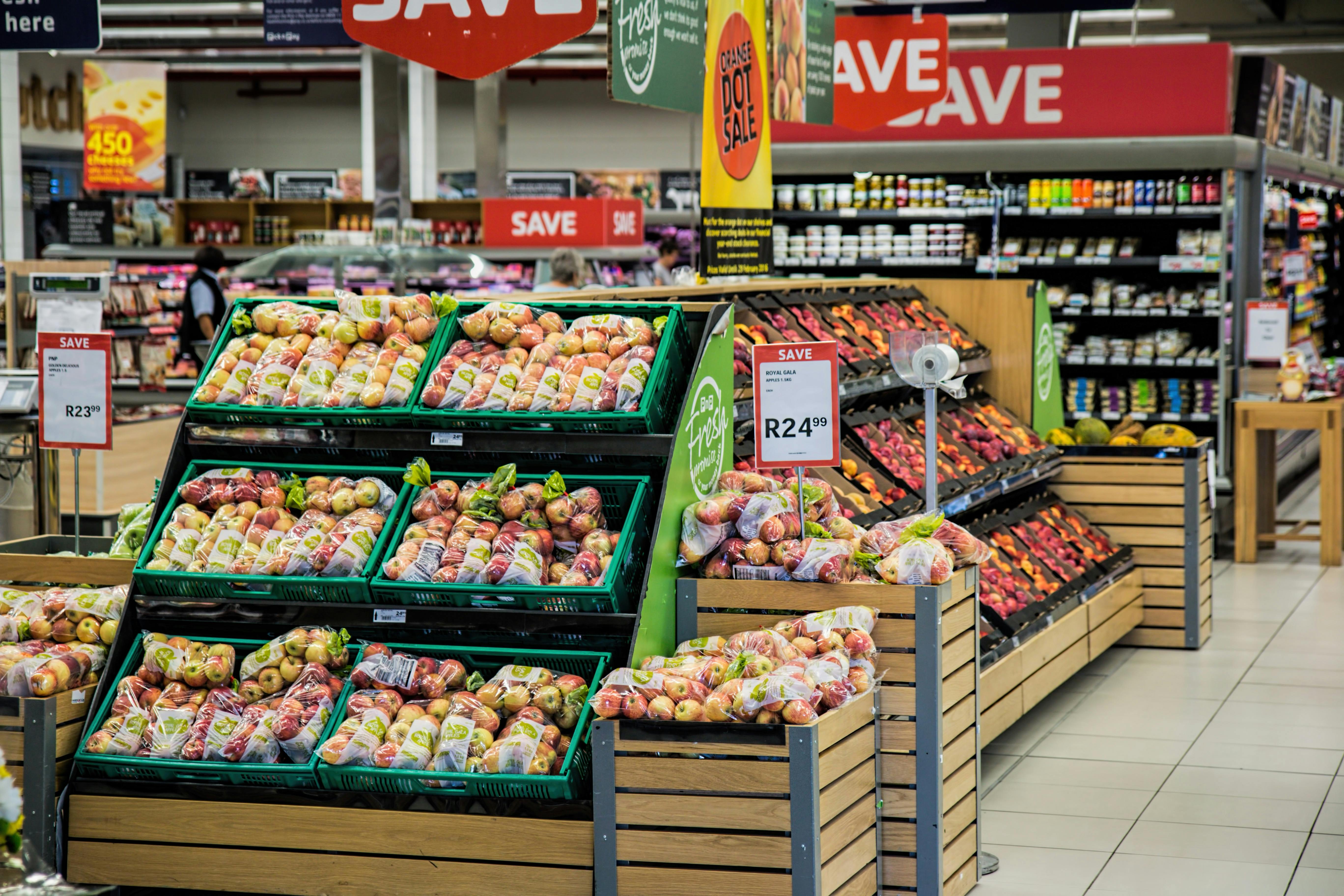
Global food prices are a decisive factor shaping economies, societies, and political stability. In 2025, food affordability has become one of the most pressing challenges for policymakers worldwide. Prices of essential commodities such as wheat, rice, corn, and soybeans fluctuate due to climate change, geopolitical conflicts, supply chain disruptions, and energy costs. These fluctuations affect not only household budgets but also global trade, national security, and social cohesion.
The impact of global food prices extends far beyond the grocery store. Rising costs influence inflation, increase inequality, exacerbate poverty, and fuel political unrest. Understanding the drivers of food price volatility and its broader consequences is essential for governments, businesses, and international organizations seeking sustainable solutions.
This article provides a comprehensive examination of global food prices, their economic and social impacts, regional dynamics, and future trends.
Key Drivers of Global Food Prices
1. Climate Change and Extreme Weather
- Increasingly frequent droughts, floods, and heatwaves disrupt crop yields.
- 2023 and 2024 recorded significant losses in wheat production in parts of South Asia and Europe due to heat stress.
- Climate volatility leads to unpredictable harvests, raising global market uncertainty.
- Variation in rainfall patterns affects planting schedules, complicating agricultural planning.
- Extreme weather events inflict damage on infrastructure critical for food distribution.
- Rising temperatures contribute to pest and disease proliferation, threatening crop health.
- Soil degradation and erosion from heavy rains diminish agricultural productivity.
Implication: Unless mitigated, climate change will remain the most significant driver of long-term food price volatility.
2. Energy Costs
- Food production, processing, and transportation are heavily dependent on energy.
- High oil and natural gas prices raise the costs of fertilizers and logistics.
- Energy crises directly correlate with spikes in food prices, as seen in 2022 and 2023.
- Increased energy costs can lead to reduced crop yields due to lower investment in farm technologies.
- Disruptions in energy supply can cause delays in food distribution.
- Renewable energy sources can mitigate some impacts of fossil fuel price fluctuations on food systems.
- Energy-efficient farming practices can help reduce dependence on volatile energy markets.
- The transportation sector’s reliance on fuel prices significantly affects food affordability for consumers.
- Energy subsidies can impact food prices by influencing production decisions among farmers.
Implication: Renewable energy adoption and efficiency improvements in agriculture are essential to reduce vulnerability to energy markets.
3. Geopolitical Conflicts
- Wars and regional disputes disrupt production and trade routes.
- The Russia-Ukraine conflict, for example, reduced wheat and sunflower oil exports, sending shockwaves through global markets.
- Trade restrictions imposed during conflicts worsen shortages.
- Ongoing military tensions can lead to the abandonment of agricultural lands.
- Disrupted supply chains impact food security for vulnerable populations.
- Economic sanctions can lead to inflation and rising prices of essential goods.
- Conflicts can limit access to ports and shipping
Implication: Food security is increasingly intertwined with geopolitics, requiring global coordination.
4. Supply Chain Disruptions
- The COVID-19 pandemic highlighted fragility in global logistics.
- Port congestion, shipping costs, and labor shortages continue to affect trade.
- Dependency on few exporters (e.g., rice from India, wheat from Ukraine) amplifies risks.
- Disruption in supply chains has led to increased prices for consumers.
- The reliance on just-in-time inventory systems poses challenges during crises.
- Natural disasters can further exacerbate existing vulnerabilities in trade.
Implication: Diversifying suppliers and building resilient supply chains is critical to stabilizing prices.

5. Agricultural Policies and Trade Restrictions
- Export bans, tariffs, and subsidies distort global food markets.
- For example, rice export restrictions in Asia triggered price surges in Africa.
- Protectionist policies safeguard local consumers but destabilize global availability.
- Trade restrictions can lead to food shortages in importing countries.
- Countries may prioritize their own food security over global trade agreements.
- Agricultural subsidies can create an uneven playing field for farmers worldwide.
- Import quotas limit the amount of food available in certain markets.
- Global food prices can become volatile due to shifting trade policies.
- Regional conflicts may exacerbate the effects of trade restrictions on food supply.
Implication: International policy coordination is essential to avoid cascading price shocks.

6. Currency Fluctuations
- Many agricultural commodities are priced in U.S. dollars.
- A strong dollar increases import costs for countries with weaker currencies.
- Currency depreciation in emerging economies worsens food inflation.
- Exchange rate fluctuations impact trade balances for exporting countries.
- Higher import costs can lead to increased prices for consumers.
- A weaker dollar may benefit domestic producers by making exports cheaper.
- Political instability can lead to currency volatility, affecting commodity prices.
- Global supply chain disruptions can exacerbate the impact of currency changes on agriculture.
Implication: Exchange rate stability and financial risk management are crucial for import-dependent countries.
7. Population Growth and Demand Shifts
- Global population surpassed 8 billion in 2022, and demand for protein-rich diets continues to grow.
- Rising incomes in Asia and Africa drive higher consumption of meat and dairy, increasing feed grain demand.
- Urbanization accelerates demand for processed and packaged foods.
- Climate change impacts agricultural productivity, affecting food supply.
- Technology advancements improve farming efficiency and crop yields.
- Health trends support plant-based diets, influencing market shifts.
- Government policies promote sustainable practices in food production.
- Global trade agreements facilitate the exchange of agricultural products.
Implication: Meeting demand sustainably requires innovation in food production systems.
Economic Impacts of Global Food Prices
Inflation and Cost of Living
- Food prices are a core component of consumer inflation.
- In low- and middle-income countries, food makes up 30–60% of household expenditures.
- Rising prices reduce disposable income, limiting spending on education and healthcare.
- Food price volatility can lead to increased poverty levels.
- Inflation in food prices disproportionately affects the most vulnerable populations.
- Fluctuating food prices can impact nutrition and dietary choices.
- Higher food prices may lead businesses to increase wages, impacting overall economic growth.
Poverty and Inequality
- Households in developing nations spend disproportionately on food.
- Price shocks push millions into extreme poverty, as documented by the World Bank in 2023.
- Inequalities deepen between countries that can subsidize food and those that cannot.
- Global food prices remain volatile, impacting food security for vulnerable populations.
- Access to nutritious food is limited in many regions, leading to malnutrition.
- The COVID-19 pandemic exacerbated food insecurity and disrupted supply chains.
- Climate change affects agricultural yields, further straining food resources.
- Urbanization increases the demand for affordable food options in cities.
- Political instability can lead to food shortages in affected areas.
Agricultural Producers
- Higher prices benefit some producers but harm net food importers.
- Small-scale farmers often fail to benefit due to rising input costs.
- Market concentration in agribusiness limits fair profit distribution.
- Increased prices may cause higher consumer food costs.
- Export-oriented production can disadvantage local food security.
- Access to capital remains a challenge for many small farmers.
- Trade policies can disproportionately affect developing nations.
- Environmental regulations can impose additional burdens on producers.
Trade Balances
- Import-dependent nations face worsening trade deficits during food price surges.
- Exporting nations benefit in the short term but risk diplomatic tensions with importers.
- Increased food prices can lead to social unrest in heavily dependent countries.
- Exporting nations may experience a temporary boost in their economy.
- Trade policies may shift as nations seek to protect their food supplies.
- Long-term strategies may emerge to diversify food sources for importing nations.
- Global markets become more volatile during periods of food price increase.
- Consumer behavior shifts as individuals adapt to rising food costs.
Social and Political Impacts
Food Insecurity
- According to the FAO, over 700 million people faced hunger in 2024.
- Rising food prices increase food insecurity, particularly in conflict zones and fragile states.
- Climate change impacts agricultural production and food availability.
- Displacement due to conflict exacerbates food insecurity among vulnerable populations.
- Global supply chain disruptions affect food distribution and access.
Political Instability
- Food price spikes historically trigger protests and unrest.
- The 2007–2008 food crisis led to riots across more than 30 countries.
- In 2023–2024, high bread prices sparked demonstrations in North Africa and South Asia.
- The Arab Spring uprisings were partly fueled by rising costs of staple foods.
- Economic instability and food scarcity often correlate with increased social tensions.
- Historical evidence shows a pattern of unrest during periods of inflation in food prices.
- Protests over food prices are frequently seen in regions experiencing drought or poor harvests.
Migration Pressures
- Food insecurity drives migration from rural to urban areas and across borders.
- Resource scarcity exacerbates refugee flows from fragile regions.
Public Trust and Governance
- Governments face legitimacy crises when unable to stabilize food supplies.
- Populations often hold leaders accountable for food affordability, regardless of global causes.
Regional Perspectives
Africa
- Sub-Saharan Africa is highly vulnerable due to reliance on food imports.
- Currency depreciation and climate shocks worsen insecurity.
- Regional trade agreements aim to stabilize markets but face implementation challenges.
Asia-Pacific
- Asia remains the largest producer and consumer of rice.
- Export bans in India and climate impacts in Southeast Asia ripple globally.
- Rising middle-class demand increases dependency on global feed and grain supplies.
Europe
- Energy crises in 2022–2023 highlighted vulnerability in fertilizer supply.
- The EU promotes sustainable agriculture under the Green Deal but faces cost pressures.
North America
- The U.S. and Canada remain leading food exporters.
- Climate extremes, such as droughts in the Midwest, disrupt global grain supply.
- Inflation concerns continue to affect domestic politics.
Latin America
- Brazil and Argentina are major soybean and beef exporters.
- Currency volatility and political instability affect production and exports.
Middle East
- Highly dependent on food imports, especially cereals.
- Price surges often translate quickly into political unrest.
- Gulf states invest in overseas farmland to secure supply chains.
Global Policy Responses
International Organizations
- FAO and WFP monitor food security and provide emergency assistance.
- The WTO advocates for minimizing export restrictions during crises.
- G20 summits increasingly focus on food system resilience.
National Governments
- Subsidies, price controls, and cash transfers cushion impacts on vulnerable households.
- Strategic grain reserves stabilize domestic markets.
- Investments in local production reduce reliance on imports.
Private Sector and Innovation
- Agri-tech companies deploy AI and IoT to optimize farming.
- Alternative proteins, including lab-grown meat and plant-based substitutes, reduce pressure on grain markets.
- Blockchain improves supply chain transparency.
Future Outlook
By 2030, global food prices will remain under pressure due to:
- Climate change: Ongoing disruptions to yields.
- Energy transition: Shifts in fertilizer and logistics costs.
- Population growth: Rising demand in emerging economies.
- Geopolitics: Ongoing tensions affecting global trade.
Opportunities for stability include:
- Expanding climate-smart agriculture.
- Regional cooperation on food reserves and trade.
- Adoption of digital technologies to reduce waste.
- Diversification into alternative food sources.
Food prices will continue to act as both an economic indicator and a political flashpoint. Sustainable solutions must address both production efficiency and equitable distribution.
Conclusion
Global food prices shape the stability of economies and societies worldwide. Rising costs strain household budgets, increase inequality, and contribute to unrest. Drivers such as climate change, energy costs, and geopolitical conflicts will continue to exert pressure on global food markets.
Addressing these challenges requires coordinated efforts among governments, international organizations, and private stakeholders. Policies that promote resilience—through sustainable agriculture, diversified supply chains, and equitable trade—will be central to stabilizing food prices.
The stakes are high. The ability of the world to manage food prices effectively will determine not only economic outcomes but also social cohesion, political stability, and human well-being in the decades ahead.
Sources
- https://fao.org
- https://worldbank.org
- https://wfp.org
- https://weforum.org
- https://oecd.org
- https://brookings.edu
About The Author


