
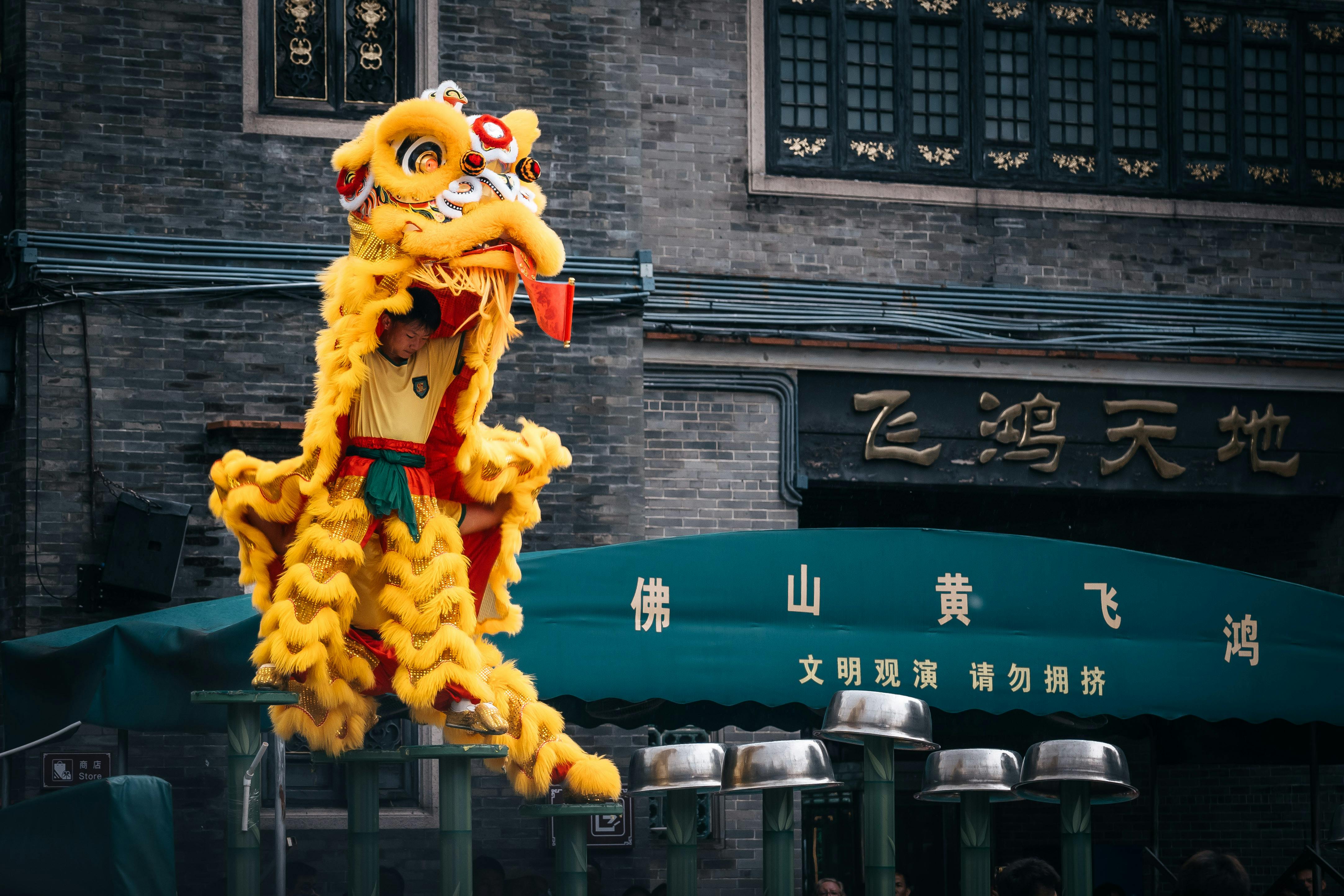
Long before borders were drawn and flags unfurled, people were bound by stories. Folklore—tales passed down through generations, often orally—predates the modern nation-state and yet continues to shape it in profound ways. These narratives, whether they are epic myths, fables, songs, or legends, form the cultural bedrock upon which national identity is built. In a world fractured by conflict and division, the shared memory encoded in folklore offers something remarkable: a sense of belonging that is emotional, historical, and deeply rooted.
When we speak of national identity, we often refer to symbols—anthems, flags, monuments. But the soul of a nation lies not in its slogans, but in its stories. In the heroes it celebrates, the monsters it fears, and the morals it teaches, a nation’s folklore becomes the most intimate reflection of its psyche.
What Is Folklore?
Folklore includes the myths, legends, proverbs, riddles, superstitions, songs, dances, and customs of a community. It is the cultural DNA of a people—carried not in books, but in memory. Unlike official history, which often reflects the view of those in power, folklore reflects the voice of the people.
It is oral, performative, and constantly evolving. Folklore adapts with time, yet retains its essence. It is whispered in kitchens, shouted in markets, sung in fields, and remembered in moments of joy, fear, and hope. It lives wherever people live—and thus, it becomes inseparable from national consciousness.

The Bridge Between Folklore and Nationhood
Nation-states are relatively new in human history, but collective identities are ancient. As philosopher Benedict Anderson famously argued, nations are “imagined communities”—built through shared symbols and stories rather than face-to-face contact. Folklore provides these shared stories. It turns scattered individuals into a people.
For example:
- Finland draws heavily on the Kalevala, a 19th-century collection of oral poems compiled by Elias Lönnrot. Though it wasn’t originally written as nationalist literature, the Kalevala became the foundation of Finnish national identity and even inspired composers like Jean Sibelius.
- In India, epics like the Ramayana and Mahabharata, transmitted across generations through storytelling and performance, helped unify diverse linguistic and cultural regions under shared ethical and mythic frameworks.
- In Greece, myths of gods and heroes—from Odysseus to Hercules—are not just tourist attractions or literary heritage. They form the backbone of Hellenic identity, linking modern Greeks to an ancient and revered past.
These stories are more than entertainment. They teach what it means to be “us.” They answer the question: What kind of people are we?

Folklore as Moral Compass
Beyond forming group identity, folklore acts as a nation’s moral compass. Through stories, cultures transmit their values: humility, bravery, cleverness, sacrifice, loyalty. The characters we praise—or punish—reveal our collective priorities.
In African folklore, the trickster figure, often Anansi the spider, teaches the value of intelligence and adaptability over brute strength. These tales originated in West Africa but traveled through the transatlantic slave trade and became integral to Afro-Caribbean and African American identity. Today, Anansi stories are not just oral traditions but part of national curricula and cultural festivals in places like Ghana and Jamaica.
In Russia, folk tales feature Ivan the Fool, a humble and kind-hearted peasant who succeeds not through ambition or intellect, but simplicity and virtue. He represents the “everyman” and reflects a cultural admiration for modesty, endurance, and goodness—traits that Soviet ideology later adapted into state propaganda.
Such characters create archetypes that resonate across generations, reinforcing cultural values while maintaining the emotional memory of a shared past.
The Language of the People
One of the most potent aspects of folklore is its use of vernacular language. Unlike elite literature, which often aims to be universal or refined, folklore is hyper-local. It plays with regional dialects, puns, idioms, and rhythms. This makes it not only more accessible but also more resonant.
Linguist Joshua Fishman has argued that language is central to ethnic identity, and by extension, national identity. Folklore, rooted in native tongues, safeguards endangered languages and dialects. When people sing folk songs in their ancestral language or pass down proverbs in their mother tongue, they do more than preserve a language—they protect a worldview.
In Ireland, the revival of the Irish language has been tied closely to the preservation of folk traditions like sean-nós singing and storytelling. Government support for cultural institutions like the Irish Folklore Commission has played a vital role in keeping these traditions alive.
In Wales, the Eisteddfod—a national celebration of music and poetry—has been instrumental in maintaining Welsh as a living language. Even today, many young Welsh people first encounter their language not in the classroom, but through the songs and stories of their grandparents.
Resistance and Reclamation
Folklore doesn’t just shape identity—it defends it.
In times of colonization, exile, or dictatorship, folklore becomes a quiet form of resistance. When official narratives erase or suppress local identities, folklore keeps them alive. It remembers when history forgets.
- Under Ottoman rule, Armenians preserved their identity through songs and riddles that encoded cultural values.
- During Franco’s dictatorship in Spain, Catalans maintained their language and traditions in secret through folk dances like the sardana and clandestine poetry readings.
- In the Philippines, pre-colonial myths were orally preserved by rural communities even after centuries of Spanish and American cultural imposition. Today, these stories are central to the country’s national revival of indigenous pride.
Folklore becomes a safe space to express cultural grief, resistance, and pride—without needing permission from the state.

Folklore and Modern Nationalism
In the modern world, folklore is often mobilized in political projects. It can unify—but also exclude.
Nationalist movements have long used folklore to build cohesion and legitimacy. In the 19th and 20th centuries, European nations like Germany, Hungary, and Romania embarked on major folklore collection campaigns. These archives—while culturally important—were also used to reinforce racial and ethnic purity narratives.
Even today, state-sponsored folklore can walk a fine line between celebration and control.
The key difference lies in whether folklore is used to unify or to homogenize. When inclusive, it fosters pride in a nation’s plurality. When exclusive, it silences minority voices and flattens cultural nuance.
Media, Modernity, and the Global Landscape
While folklore has traditionally lived in oral storytelling, festivals, and regional art forms, today it thrives in the digital world. This shift has expanded its reach and altered its function, allowing folklore not only to shape national identity, but to evolve with it. As media platforms, educational systems, and popular culture absorb and reinterpret traditional stories, the meanings of folklore are continually being reshaped. And yet, its foundational role in anchoring identity remains unchanged.
Folklore in Modern Media
The line between folklore and pop culture is increasingly blurred. Stories once confined to village firesides or grandmother’s lullabies are now being adapted into bestselling novels, animated films, podcasts, and viral TikToks.
Take Disney’s Moana. While not a strict retelling of any one Polynesian myth, it draws from a tapestry of Pacific Islander folklore. The character of Maui is inspired by a real Polynesian demigod, and the film brings global attention to oceanic oral traditions. While the film faced criticism for cultural simplification, it also ignited curiosity and pride in many young Polynesians who saw their heritage reflected on screen.
Similarly, Netflix’s Kingdom and Pachinko, which are rooted in Korean and Japanese cultural references, respectively, bring folklore-adjacent motifs to global audiences—mixing family saga, history, and ancestral lore into modern storytelling formats.
Even in gaming, folklore is having a revival. Titles like Never Alone (based on Iñupiat culture) and Mulaka (drawn from Tarahumara mythology in Mexico) bring Indigenous folklore to life in interactive formats. These innovations give younger generations a new way to connect with ancestral stories—through a language they understand.

Folklore as Educational and Political Tool
Nations have also turned to folklore in formal education. Many school curricula now include folk tales and epics to instill national pride and cultural awareness.
For instance:
- In India, students learn about the Panchatantra and Jataka tales alongside history and science. These stories teach not only moral lessons but cultural continuity.
- In Nigeria, children study Yoruba, Igbo, and Hausa proverbs and folktales in regional languages, reinforcing linguistic and ethnic heritage.
- In Scotland, Gaelic folktales are taught in schools as part of a larger movement to preserve the endangered Gaelic language.
Governments also use folklore in nation-branding—promoting cultural tourism and soft power abroad. Romania markets itself through Dracula. Thailand promotes mythical creatures like the Garuda. Japan exports its folk ghosts (yokai) through anime and manga.
This strategic use of folklore elevates national identity to a diplomatic asset—one that can attract investment, tourism, and international goodwill.
Folklore in Diaspora and Displacement
Perhaps the most moving role of folklore today is in diasporic communities—those separated from their homelands by migration, exile, or war. For such communities, folklore becomes a lifeline.
For first-generation immigrants, storytelling is often the only link between children and their ancestral land. It offers a cultural map when geography fails. A Sudanese grandmother in Canada may no longer live in Khartoum, but through her stories of jinn or desert journeys, she keeps Sudan alive in her grandchildren’s imagination.
In the Syrian refugee crisis, oral storytelling among displaced families has become a form of emotional resilience. NGOs have even run folktale therapy workshops, helping children process trauma by retelling and adapting old stories.
For the Armenian diaspora, folklore is deeply tied to national memory and the preservation of cultural identity in the wake of genocide. Through music, food rituals, and story cycles, Armenians in Los Angeles or Beirut stay connected to a homeland some have never seen.
These examples prove that folklore doesn’t just travel—it migrates, transforms, and survives.

Globalization and the Folklore Revival
Paradoxically, globalization has helped revive interest in localized folklore.
Across TikTok, Instagram, and YouTube, there’s a growing trend of creators sharing snippets of folk wisdom, myths, and rituals. The hashtag #folklore on TikTok has billions of views, spanning everything from Appalachian ghost stories to Baltic lullabies.
Podcasts like Lore, Spooked, and Unobscured explore historical legends and cultural fears with cinematic depth, exposing millions of listeners to folk narratives they might never have encountered in school.
This interest often leads to reclamation. Young people are asking:
- “What are my grandmother’s stories?”
- “What spirits did we believe in before colonization?”
- “What does my name mean in the old language?”
What was once forgotten is now being sought out—with urgency, pride, and creativity.
The Limits and Risks of Folklore in Nationhood
But folklore is not always unifying. When used narrowly, it can reinforce exclusion.
Some nationalist movements weaponize folklore to promote ethnic purity or cultural supremacy. Selective myths are elevated while others are erased. This has happened in various contexts:
- In Nazi Germany, Teutonic myths were used to construct Aryan superiority.
- In Myanmar, Buddhist folktales have been twisted to justify anti-Rohingya rhetoric.
- In India, certain political movements promote Hindutva ideology by highlighting Hindu myths while downplaying Muslim, Christian, or tribal contributions.
These efforts reveal a dangerous truth: folklore can be used to unite—but also to divide. It is crucial that national identity grounded in folklore remains inclusive, plural, and self-critical.

Toward a More Inclusive Folkloric Identity
The future of national identity should embrace plural folklore—stories from different castes, classes, faiths, and genders. This includes:
- Women’s folktales, often suppressed or overlooked
- LGBTQ+ folk traditions, such as hijra stories in South Asia or two-spirit tales among Native Americans
- Working-class and tribal stories, which offer radically different moral universes than elite mythology
By embracing this mosaic of stories, nations can build a more honest, inclusive sense of self—one that is proud of its roots, yet open to change.
Final Reflection
Folklore may begin as story, but it ends as structure. It shapes how people see themselves, how nations remember their past, and how cultures project their values into the future. From dusty scrolls to digital screens, the spirit of folklore remains: it listens, adapts, and lives.
To understand a nation, do not start with its laws or statistics. Start with its stories.
Because in the end, what a country chooses to remember—and retell—becomes the blueprint for who it dares to become.
Global Examples and Cultural Legacies
From epic poetry to whispered superstitions, folklore has helped communities make sense of the world. In many nations, folklore hasn’t just survived history—it has shaped it. These case studies demonstrate how storytelling, ritual, and myth can reflect and define what it means to belong to a nation.

Finland: The Kalevala and National Identity
In 19th-century Finland, the nationalist movement used folklore to establish a cultural foundation for independence. Central to this was the Kalevala, a collection of oral poems compiled by Elias Lönnrot. The text elevated local myths and songs into a national epic.
- The Kalevala became a cultural rallying point for independence from both Sweden and Russia.
- It influenced the music of composer Jean Sibelius and the art of Akseli Gallen-Kallela, reinforcing a visual and narrative language of Finnishness.
According to the National Biography of Finland, Lönnrot’s work “created a cultural mirror in which the Finnish people could recognize themselves.”
Link: https://kansallisbiografia.fi/english/person/4846
India: Epics Across Language Borders
India’s folklore spans thousands of years and multiple languages, but certain texts like the Ramayana and Mahabharata act as cultural threads that unify a diverse country.
- In Tamil Nadu, Kamban’s Ramayana offers a regional adaptation with distinct poetic and spiritual tones.
- In Assam, the Burhi Aair Sadhu (Grandmother’s Tales) by Lakshminath Bezbaroa blends Assamese folk idioms with moral storytelling.
Organizations like the National Folklore Support Centre in Chennai archive oral stories from tribal communities and promote folk arts education.
Link: http://indianfolklore.org/journals/index.php/IFRJ
Mexico: Myths of Identity and Resistance
Mexican folklore blends Indigenous belief systems with post-colonial identity politics. Stories often act as both cultural memory and social commentary.
- The figure of La Llorona, a weeping mother spirit, appears in oral tradition, film, and literature—symbolizing grief, guilt, and generational trauma.
- Quetzalcoatl, the feathered serpent deity of the Aztecs, has been reclaimed as a symbol of pre-colonial wisdom and national pride.
UNESCO has recognized Día de los Muertos as an Intangible Cultural Heritage of Humanity for its role in affirming continuity between generations.
Link: https://ich.unesco.org/en/RL/day-of-the-dead-00054
Japan: Folklore in Everyday Pop Culture
In Japan, folklore is seamlessly integrated into contemporary culture—reflected in everything from shrines to anime.
- Mythical beings such as yōkai (supernatural creatures) and kami (Shinto spirits) are still part of daily vocabulary and festivals.
- Characters like Kitsune (the fox spirit) and Kappa appear in modern films, manga, and games.
The Nanzan Institute maintains a digital yōkai database for academic research and cultural preservation.
Link: https://nirc.nanzan-u.ac.jp/publications/yokai-database/
South Africa: Oral Tradition and Post-Apartheid Identity
Post-apartheid South Africa has turned to Indigenous folklore to rebuild a fractured national consciousness.
- Zulu, Xhosa, and San myths are taught in schools to affirm pre-colonial heritage.
- Elders from rural areas are invited to record stories as part of cultural heritage programs.
The African Storybook Project offers open-access folktales in multiple African languages to support education and language revitalization.
Link: https://www.africanstorybook.org
United States: Frontier Legends and Folkloric Heroes
Though a relatively young nation, the U.S. has developed a deep pool of folklore reflecting themes of resilience, migration, and self-reliance.
- Frontier figures like Paul Bunyan and Johnny Appleseed emerged from oral labor communities.
- Enslaved African Americans preserved resistance stories through figures like Br’er Rabbit, whose tales encoded survival strategies and critique of power.
The American Folklife Center at the Library of Congress offers thousands of digitized oral histories, folk songs, and regional stories.
Link: https://www.loc.gov/folklife/
Caution: When Folklore Becomes Weaponized
While folklore can unify, it can also be selectively used to exclude. Political movements have long co-opted traditional stories to justify nationalism or oppression.
- In Nazi Germany, Grimm’s fairy tales were sanitized to reflect Aryan ideals and promote anti-Semitism.
- In Sri Lanka, Sinhala-Buddhist folklore has been misused to frame Tamil minorities as cultural outsiders.
- In Turkey, Ottoman and Turkic origin myths have occasionally been amplified to marginalize Kurdish and Armenian histories.
The danger lies not in the stories themselves—but in how they are framed, who tells them, and who gets left out.
Conclusion
Across the world, folklore remains a living form of cultural architecture. Whether shared in classrooms, festivals, or YouTube shorts, these stories are not relics—they are reminders. Of what we survived. Of who we came from. And of what we still might become.

To build inclusive, rooted national identities, nations must not only preserve folklore—but interrogate it, reinterpret it, and ensure space for new stories to rise.
About The Author


