
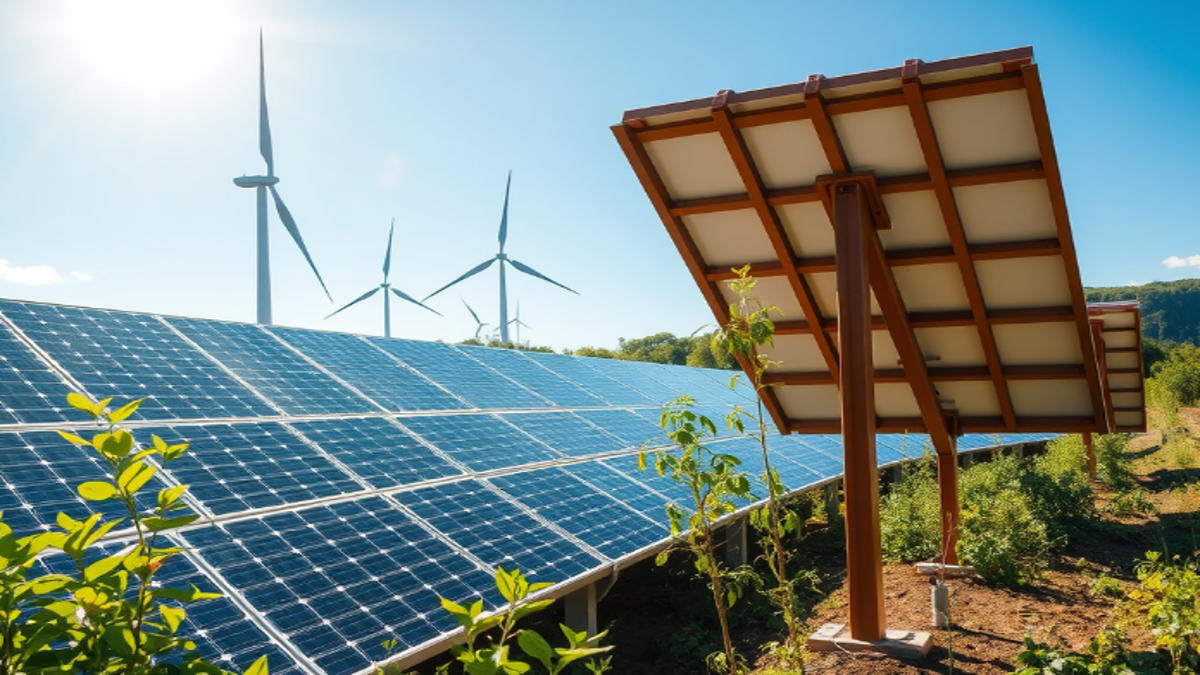
The escalating climate crisis has become one of the most urgent challenges of the 21st century. Rising global temperatures, extreme weather events, biodiversity loss, and resource scarcity demand innovative solutions that go beyond traditional policy measures. In this context, climate tech innovations are emerging as a central pillar of sustainability strategies. These technologies not only mitigate greenhouse gas emissions but also transform how societies generate energy, manage resources, and adapt to climate-related risks.
By 2025, governments, corporations, and civil society increasingly recognize that technology is indispensable to achieving climate goals. Massive investment flows into renewable energy, carbon capture, green hydrogen, and sustainable agriculture signal a global commitment to climate resilience. At the same time, the challenges of scale, cost, and equity remain.
This article explores the landscape of climate tech innovations, highlighting their applications, impact, and potential to accelerate sustainability worldwide.
1. The Role of Climate Tech in Sustainability
Climate tech refers to technologies explicitly designed to address climate change by reducing emissions, enhancing resilience, or promoting sustainable resource use. Their role in sustainability is multi-dimensional:
- Emission Reduction: Clean energy and carbon removal reduce greenhouse gas concentrations.
- Adaptation: Climate tech helps communities withstand extreme events such as floods, droughts, and heatwaves.
- Efficiency: Advanced systems minimize waste and optimize resource use across industries.
- Equity: Scalable solutions can provide clean energy and sustainable practices to developing economies.
- Innovation: New technologies are constantly emerging to tackle climate challenges.
- Education: Raising awareness and knowledge on climate issues empowers communities to take action.
- Biodiversity: Protecting ecosystems ensures species can thrive while supporting human life.
- Investment: Funding renewable energy projects stimulates job growth and economic resilience.
- Policy: Strong regulations and incentives guide industries towards sustainable practices.
- Collaboration: Partnerships between governments, businesses, and NGOs can enhance climate action efforts.
The success of climate tech innovations lies not only in their technical potential but also in their ability to integrate into global economic and social systems.
2. Renewable Energy Innovations
Renewable energy forms the backbone of climate technology. Recent innovations expand efficiency, affordability, and scalability.
- Solar Power: Advances in perovskite solar cells significantly increase efficiency compared to traditional silicon-based cells. Floating solar farms also maximize energy generation on water bodies.
- Wind Energy: Offshore wind farms using floating turbines unlock wind power in deep-sea areas.
- Energy Storage: Breakthroughs in solid-state batteries and grid-scale storage improve reliability by balancing intermittent renewables.
- Hybrid Systems: Combining solar, wind, and hydropower with smart grids ensures continuous supply.
- Geothermal Energy: Enhanced geothermal systems allow access to previously untapped geothermal resources, increasing energy output significantly.
- Biomass Energy: Innovations in biomass conversion technologies improve efficiency and reduce emissions from organic materials.
- Hydropower: New designs for micro-hydropower systems enable energy generation in small water flows, making them suitable for remote areas.
- Tidal Energy: Advances in tidal energy technology harness the predictable movements of tides to generate renewable electricity.
These innovations accelerate the global transition away from fossil fuels and enhance energy security.

3. Green Hydrogen
Hydrogen, when produced using renewable energy, is a promising alternative to fossil fuels.
- Applications: Green hydrogen powers heavy industries (steel, cement), long-haul transport, and energy storage.
- Advances: Electrolyzer efficiency has improved, reducing costs. Pilot projects in Europe, Asia, and the Middle East demonstrate scalability.
- Geopolitical Importance: Countries are competing to dominate hydrogen production and supply chains, making it a strategic climate tech innovation.
- Environmental Benefits: Reduces carbon emissions compared to fossil fuels, contributing to climate goals.
- Economic Opportunities: New jobs in green tech sectors as more companies invest in hydrogen technologies.
- Technological Innovation: Development of fuel cells and new storage methods enhances hydrogen use efficiency.
Green hydrogen could account for 10–20% of global energy consumption by 2050, with rapid scaling expected throughout the 2030s.
4. Carbon Capture, Utilization, and Storage (CCUS)
Carbon capture technologies address emissions from industries difficult to decarbonize.
- Direct Air Capture (DAC): Removes CO₂ directly from the atmosphere, with companies like Climeworks leading implementation.
- Carbon Utilization: Captured carbon can be converted into fuels, building materials, or plastics.
- Storage Solutions: Geological storage ensures long-term sequestration of emissions.
- Afforestation: Planting trees absorbs CO₂ as they grow, enhancing carbon capture efforts.
- Soil Carbon Sequestration: Agricultural practices can enhance the soil’s ability to store carbon.
- Bioenergy with Carbon Capture and Storage (BECCS): Combines biomass energy production with carbon capture technology.
- Ocean Alkalinity Enhancement: Increasing ocean alkalinity can help absorb more CO₂ from the atmosphere.
While expensive today, CCUS innovation is critical for reaching net-zero goals, especially in energy-intensive industries.
5. Climate-Smart Agriculture
Agriculture accounts for a significant share of global emissions and is highly vulnerable to climate change. Climate tech innovations in this sector include:
- Precision Agriculture: AI-driven tools optimize water, fertilizer, and pesticide use, reducing waste.
- Alternative Proteins: Plant-based and lab-grown proteins reduce the carbon footprint of livestock.
- Vertical Farming: Controlled-environment farming reduces land use and water consumption.
- Drought-Resistant Crops: Genetically engineered crops withstand extreme conditions, ensuring food security.
- Soil Health Management: Techniques like cover cropping and reduced tillage enhance soil fertility and moisture retention.
- Agroforestry: Integrating trees into farming systems improves biodiversity and carbon sequestration.
- Smart Irrigation Systems: Advanced irrigation technologies improve efficiency and reduce water waste.
- Biopesticides: Environmentally-friendly pest control methods minimize the impact on ecosystems.
These innovations align food production with sustainability while addressing global hunger.
6. Sustainable Transportation
Transportation contributes nearly 25% of global emissions, making decarbonization vital.
- Electric Vehicles (EVs): Battery technology continues to improve, with longer ranges and faster charging.
- Hydrogen Fuel Cells: Provide clean alternatives for trucks, ships, and aircraft.
- Public Transit Innovations: Electrification of buses, high-speed rail, and micro-mobility options reduce urban emissions.
- Autonomous Transport: Integration of AI with EVs could optimize traffic and energy use.
- Smart Grids: Enhance the efficiency of electricity distribution and integrate renewable energy sources.
- Vehicle-to-Grid Technology: Allows EVs to return energy to the grid, supporting energy management.
- Urban Air Mobility: Development of flying taxis and drones for short-distance travel in cities.
- Sustainable Aviation Fuels (SAFs): Reduce carbon emissions from air travel by utilizing alternative fuels.
Widespread adoption of sustainable transport requires infrastructure investment and global cooperation.

7. Digital and AI Solutions
Digital technologies play a central role in accelerating sustainability efforts:
- AI for Energy Optimization: Algorithms predict demand and manage grids efficiently.
- Satellite Monitoring: Tracks deforestation, emissions, and climate impacts in real time.
- Smart Cities: IoT-enabled systems manage water, energy, and waste for efficiency.
- Blockchain: Provides transparency in carbon markets and supply chains.
- Renewable Energy Forecasting: Uses AI to predict energy production from renewable sources.
- Electric Vehicle Integration: Manages charging and grid impact of electric vehicle usage.
- Waste Management Systems: AI helps optimize collection routes and recycling processes.
- Carbon Capture Technology: Monitors emissions and enhances carbon capture efficiency.
These innovations integrate sustainability into daily urban life and industrial systems.
8. Circular Economy Technologies
The circular economy focuses on eliminating waste and maximizing resource reuse. Climate tech supports this through:
- Recycling Innovations: Advanced chemical recycling processes convert plastic waste into raw materials.
- Product Lifecycle Tracking: Digital tags track environmental footprints from production to disposal.
- Material Substitutes: Development of biodegradable alternatives to plastics reduces pollution.
- Zero Waste Initiatives: Programs aimed at minimizing waste through recycling, reuse, and composting.
- Circular Economy Practices: Business models that focus on recycling and reusing materials to create a closed loop.
- Sustainable Packaging Solutions: Innovations in packaging designs that reduce plastic use and enhance recyclability.
- Eco-friendly Manufacturing Techniques: Methods that reduce energy use and emissions during production processes.
Circular technologies ensure that industries operate within planetary boundaries while maintaining economic growth.
9. Water and Climate Resilience Technologies
Water scarcity is one of the most pressing sustainability challenges. Innovations include:
- Desalination: Energy-efficient desalination plants provide fresh water from oceans.
- Water Recycling: Advanced filtration systems allow cities to reuse wastewater.
- Flood Management: Smart infrastructure predicts and mitigates flood damage.
- Agricultural Water Efficiency: Drip irrigation systems reduce water waste in farming.
- Rainwater Harvesting: Systems capture and store rainwater for later use.
- Stormwater Management: Techniques that manage runoff and improve water quality.
- Water Conservation Education: Programs teach communities about reducing water use.
- Wetlands Restoration: Rehabilitate wetlands to enhance natural water filtration and storage.
These technologies improve resilience to climate-induced droughts and floods.
10. Financing Climate Tech Innovations
Climate tech cannot scale without financial support. Global investment in climate tech exceeded $70 billion in 2023 and continues to grow.
- Green Bonds: Finance large-scale renewable and sustainability projects.
- Venture Capital: Startups receive increasing funding in areas like EVs, carbon capture, and alternative proteins.
- Public-Private Partnerships: Governments incentivize innovation through subsidies, tax breaks, and infrastructure investment.
- Impact Investing: Funds directed towards companies generating measurable social and environmental impact.
- Crowdfunding: Raising small amounts of money from a large number of people to support sustainable ventures.
- Socially Responsible Investing (SRI): Investment strategies that consider environmental, social, and governance criteria.
- Green Technology Grants: Financial support for the research and development of sustainable technologies.
- Carbon Credits Trading: Businesses trade emissions allowances to incentivize reductions in carbon footprints.
Access to financing is a decisive factor in scaling climate technologies worldwide.
11. Challenges Facing Climate Tech
Despite progress, climate tech faces hurdles:
- High Costs: Many innovations remain more expensive than traditional solutions.
- Infrastructure Gaps: Large-scale deployment requires new infrastructure.
- Policy Uncertainty: Inconsistent regulations deter long-term investment.
- Global Inequality: Developing countries risk being left behind if technologies are not affordable and accessible.
- Environmental Trade-Offs: Some innovations, such as large-scale mining for batteries, raise environmental concerns.
Addressing these barriers requires global collaboration and equitable frameworks.
12. Case Studies
a) Europe’s Green Deal
The EU’s Green Deal integrates climate tech across energy, transportation, and agriculture to achieve net-zero by 2050.
b) China’s Renewable Push
China leads in solar panel production and electric vehicle deployment, showcasing the potential of scaling innovations.
c) India’s Solar Mission
India’s ambitious solar energy initiatives highlight how emerging economies can leapfrog into clean energy.
d) US Clean Tech Investments
The US Inflation Reduction Act of 2022 catalyzed historic investment into renewable energy and climate innovations.
13. The Future of Climate Tech Innovations
By 2035, climate tech will shape every sector of the global economy:
- Decarbonized Power Systems: Renewable energy and green hydrogen dominate energy supply.
- Integrated Urban Systems: Smart cities run on clean energy with optimized transport and infrastructure.
- Global Food Security: Sustainable agriculture ensures resilience against climate shocks.
- Carbon Removal: Scalable carbon capture technologies balance residual emissions.
- Equitable Access: International cooperation ensures all regions benefit from innovation.
The trajectory of climate tech will determine whether humanity meets climate targets and builds sustainable societies.
Conclusion
The urgency of climate change leaves no room for delay. Climate tech innovations represent humanity’s most powerful tools for creating sustainable, resilient societies. From renewable energy and sustainable transport to digital monitoring and carbon capture, these technologies are reshaping industries, economies, and communities.
However, innovation alone is not enough. Policymakers, businesses, and civil society must collaborate to ensure these technologies are accessible, affordable, and equitable. The sustainability transition depends on aligning technological progress with social and environmental goals.
Climate tech is not just about mitigating risk—it is about reimagining the future of economies and societies in a way that prioritizes both prosperity and planetary health.
Sources
- https://weforum.org
- https://csis.org
- https://brookings.edu
- https://oecd.org
- https://foreignpolicy.com
- https://wto.org
About The Author


