
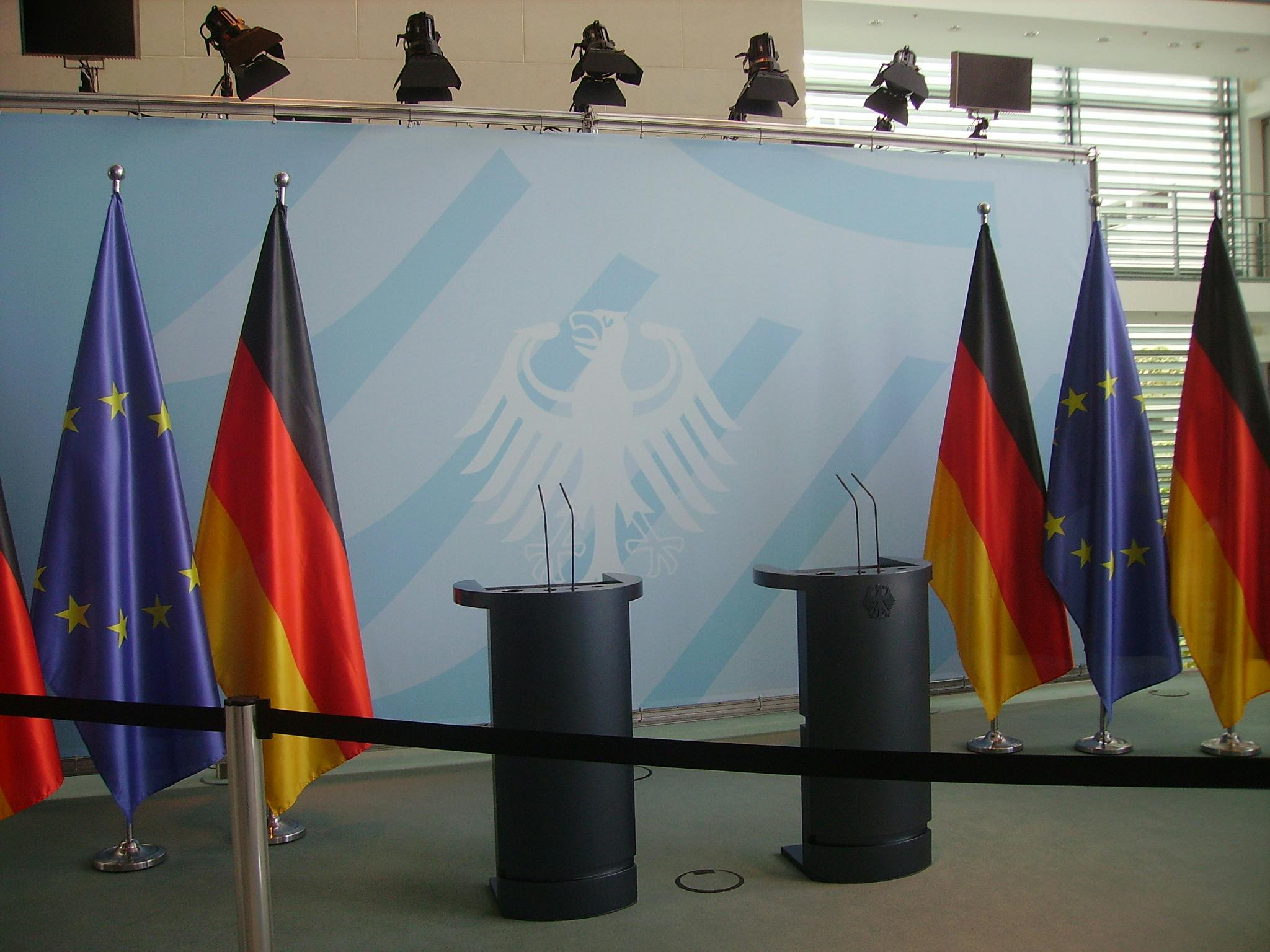
The European Union’s quest for strategic autonomy has become a defining element of its geopolitical identity in the 21st century. As global power shifts toward a multipolar world, the EU seeks to reduce dependency on external actors, particularly the United States and China, while enhancing its capacity to independently shape global political, economic, and security outcomes. This drive encompasses vital realms such as defense, technology, energy, trade, and diplomatic policy, and underscores a broader aspiration for greater resilience in the face of external pressures and crises. Such autonomy is not merely about self-sufficiency; it also involves fostering collaboration among member states to ensure a unified voice on the world stage. Additionally, the EU’s strategic autonomy relates to its role in addressing global challenges such as climate change, cybersecurity threats, and migration, where collective action is imperative. Understanding the EU’s approach to strategic autonomy illuminates how it aims to safeguard its interests and values amid evolving global challenges, ensuring that Europe remains a significant player in shaping a stable global order.
1. Defining Strategic Autonomy
Strategic autonomy refers to the EU’s ability to act independently in its security and foreign policy decisions without undue reliance on external powers. It involves:
- Military and defense independence: The capacity of a nation to maintain its sovereignty and security through its own armed forces and defense mechanisms, free from external control or reliance on foreign military support.
- Economic and technological sovereignty – The principle that emphasizes the necessity for nations to control their own economic systems and technological advancements, ensuring independence from foreign influence and fostering local innovation and production capabilities.
- Energy security is crucial for maintaining the stability and sustainability of a nation’s energy supply, ensuring that there is reliable access to energy sources that are safe, affordable, and sufficient to meet the demand, while also considering the environmental impacts and geopolitical influences that affect energy production and consumption.
- Diplomatic influence and multilateral engagement – The ability to shape and navigate international relations through collaboration with multiple parties is crucial for addressing global challenges, fostering international peace, and promoting economic partnerships.
The concept seeks a balance between collaboration with allies and self-reliance.
2. Historical Context
The EU’s pursuit of autonomy stems from its post-World War II integration and the evolving transatlantic relationship. Initially reliant on NATO and the U.S. for security, the EU gradually recognized the need for independent capabilities amid a changing global landscape that highlights its vulnerability. This realization prompted the Union to invest in defense initiatives, enhancing its military cooperation among member states and developing strategic partnerships with non-EU countries. Furthermore, as global challenges such as cyber threats, terrorism, and regional conflicts intensified, the need for a unified European defense strategy became ever more pressing. The EU has sought not only to bolster its military infrastructure but also to establish a coherent foreign policy that reflects its values and interests. Through initiatives like the Permanent Structured Cooperation (PESCO) and the European Defence Fund (EDF), the EU aims to create a self-sufficient defense framework capable of addressing the complexities of modern security threats while asserting its role on the world stage.
- U.S. strategic retrenchment, focusing on reducing military presence abroad while reallocating resources to strengthen domestic infrastructure and improve economic resilience, aims to reorient national priorities towards the enhancement of local capabilities, investing in technology and innovation, and fostering sustainable growth, ultimately leading to a more balanced approach to both national security and economic stability.
- Rising global competition from China and Russia has created a challenging environment for various industries worldwide, necessitating adaptive strategies and innovative approaches to maintain market position and growth.
- Internal political shifts and diverse member-state interests subject to ongoing evaluations and assessments can significantly influence the overall functioning and cohesion within the organization.

3. Building Defense Capabilities
Key initiatives underpinning military autonomy include:
- European Defence Fund (EDF): Financing collaborative defense research and development to enhance the security and strategic autonomy of Europe, fostering innovation in military capabilities while promoting cross-border cooperation among member states in defense projects and technologies.
- Permanent Structured Cooperation (PESCO): A framework for joint military projects and operational readiness.
- Strategic Compass: A comprehensive policy document guiding defense and security priorities, outlining key objectives, essential strategies, and actionable plans to enhance national security and foster international collaboration among allied nations.
- European Defence Agency (EDA): Facilitating cooperation and capability development among EU member states, while enhancing the security and defense capabilities across Europe to address emerging threats effectively and efficiently.
These efforts aim to enhance interoperability, reduce duplication, and strengthen rapid deployment forces.
4. Technological and Industrial Sovereignty
Reducing dependence on foreign technology and supply chains is critical:
- Investment in semiconductor production and AI research to drive technological advancements and improve efficiency in various industries, ensuring a competitive edge in the global market.
- Development of critical infrastructure protection to ensure the safety, resilience, and reliability of essential services such as water supply, electricity, and transportation systems.
- Support for European tech champions and startups by providing mentorship, fostering innovation, and creating strategic partnerships to enhance their growth and global competitiveness.
- Strengthening cybersecurity frameworks by enhancing policies and protocols, ensuring compliance with international standards, and fostering collaboration among key stakeholders.
Technological sovereignty ensures the EU can operate independently in strategic sectors.
5. Energy Security and Diversification
Energy dependency, particularly on Russian fossil fuels, poses geopolitical risks:
- Diversifying energy sources through the strategic development of renewable energy initiatives, such as wind, solar, and hydro power, alongside the increasing reliance on LNG imports to ensure a stable and sustainable energy supply for the future.
- Building interconnectors and energy infrastructure across member states to enhance energy security, promote sustainable energy sources, and facilitate efficient energy distribution and integration while ensuring a reliable and resilient energy system for all citizens.
- Promoting the European Green Deal to significantly reduce carbon dependency through innovative policies and collaborative efforts among member states.
- Developing strategic gas reserves and storage to ensure energy security, optimize supply management, and mitigate market volatility during peak demand periods and unforeseen disruptions.
Energy autonomy supports resilience against geopolitical coercion.
6. Trade Policy as a Geopolitical Tool
The EU leverages its economic weight via trade:
- Negotiating trade agreements with strategic partners to enhance economic ties, foster mutual benefits, and promote sustainable growth in bilateral trade relationships.
- Implementing the Global Gateway initiative to invest in global infrastructure, ensuring sustainable development, fostering international partnerships, and enhancing connectivity between nations for better trade and economic growth.
- Using trade defense instruments against unfair practices can be essential to protect domestic industries from the harmful effects of dumping and subsidization, thereby ensuring a level playing field in the global market.
- Embedding human rights and environmental standards in trade deals to promote equitable practices, ensure sustainability, and safeguard the rights of vulnerable populations.
Trade serves as both an economic and foreign policy lever.

7. Multilateralism and Global Governance
While pursuing autonomy, the EU remains committed to multilateral institutions:
- Supporting the United Nations and World Trade Organization reforms through active participation in discussions, promoting strategic initiatives, and advocating for necessary policy changes that enhance global cooperation and trade effectiveness.
- Promoting rules-based international order through cooperation, dialogue, and shared principles among nations to enhance global stability and peace.
- Engaging in climate diplomacy and development aid to foster international cooperation and support nations in implementing sustainable energy solutions and enhancing resilience to climate change impacts.
- Balancing autonomy with alliance commitments in the context of maintaining national interests and diplomatic relationships among various nations while ensuring mutual respect and collaboration.
Multilateral engagement complements the EU’s strategic ambitions.
8. Challenges to Strategic Autonomy
The EU faces internal and external hurdles:
- Divergent member state interests and threat perceptions, which significantly impact the decision-making processes and cooperative efforts among countries in the international system.
- Budgetary constraints and procurement fragmentation, which hinder effective resource allocation and can lead to inefficiencies in projects, ultimately impacting timelines and outcomes.
- Dependence on U.S. security guarantees, which significantly impacts political stability and defense strategies for multiple allied nations.
- External pressures from geopolitical rivals, which are increasingly influencing domestic policies and international relations, often lead to a reevaluation of strategic priorities and collaborative efforts among nations.
Addressing these requires political cohesion and pragmatic compromise.
9. Regional and Global Impact
EU strategic autonomy influences:
- Transatlantic relations, encouraging burden-sharing and cooperation among nations, fostering mutual understanding, trust, and a commitment to collective security and shared interests across the Atlantic.
- European neighborhood policies and stability, focusing on fostering cooperation between neighboring countries, enhancing security mechanisms, and promoting economic development initiatives to create a stable and prosperous region.
- Global technology standards and regulatory regimes that govern the development, implementation, and maintenance of emerging technologies to ensure compliance, safety, and interoperability across different regions and industries.
- Responses to crises from Ukraine to Indo-Pacific security, addressing key geopolitical dynamics and international partnerships that shape the current landscape of global security concerns, including a closer examination of military alliances, humanitarian efforts, and economic sanctions that influence geopolitical stability across various regions, while also considering the historical context and the evolving nature of global threats that impact international relations.
The EU positions itself as a normative power shaping global agendas.
10. Future Outlook and Strategic Priorities
Looking ahead, the EU will:
- Deepen defense integration and invest in next-generation capabilities to enhance operational effectiveness, improve responsiveness to emerging threats, and ensure a robust defense posture that adapts to evolving challenges in the security landscape.
- Expand digital and industrial sovereignty initiatives to enhance self-sufficiency, reduce dependency on foreign technologies, and promote local innovation while ensuring a secure and resilient economic framework.
- Strengthen energy transition and resilience by implementing sustainable practices, investing in renewable energy sources, and fostering community engagement to ensure a more robust and adaptable energy infrastructure.
- Enhance diplomatic agility through diversified partnerships by fostering collaborative relationships, engaging in multilateral discussions, and embracing innovative strategies that include a wide range of stakeholders and approaches.
Strategic autonomy remains a dynamic, evolving goal aligning with the EU’s global role.
Conclusion
The European Union’s drive for strategic autonomy reflects its ambition to navigate a complex multipolar world with greater independence and influence. This ambition encompasses not only the enhancement of military capabilities but also the establishment of a holistic approach to security that integrates diplomatic, economic, and technological elements. By building robust defense capabilities, securing technological and energy sovereignty, leveraging economic power, and engaging multilaterally, the EU aims to safeguard its interests while contributing to global stability. Furthermore, fostering innovation in critical sectors, such as artificial intelligence and cybersecurity, is key to achieving a competitive edge in the global arena. Overcoming internal divisions among member states and addressing external challenges, such as geopolitical tensions and climate change, will determine the success of these geopolitical strategies in shaping Europe’s future security and prosperity. The cohesive strategy will not only bolster the EU’s position on the global stage but also serve to enhance the resilience of its member states in the face of evolving threats.
Sources
- https://ec.europa.eu
- https://www.eeas.europa.eu
- https://www.consilium.europa.eu
- https://www.eda.europa.eu
- https://www.europarl.europa.eu
- https://www.reuters.com
- https://www.brookings.edu
- https://www.nato.int
- https://www.weforum.org
About The Author


