
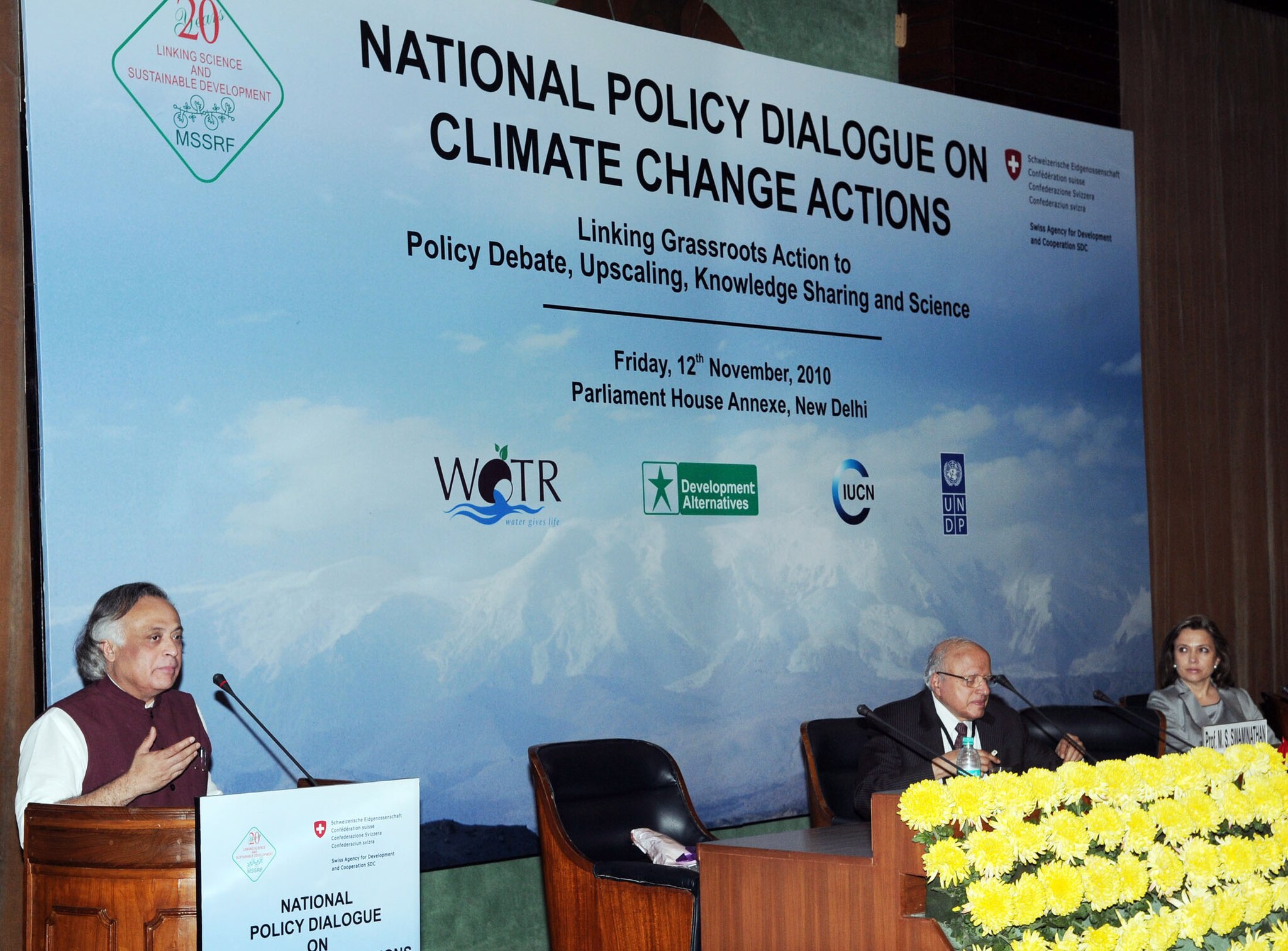
Climate change has emerged as a defining challenge of the 21st century, shaping not only environmental agendas but also geopolitical landscapes across the globe. Nations’ climate policies increasingly affect their international alliances, economic partnerships, and security strategies, which are all intertwined in a complex web of interdependencies. The global push for decarbonization, energy transition, and sustainability has triggered new alignments based on shared environmental goals, resource dependencies, and technological cooperation, leading countries to reevaluate their priorities and strategies on the world stage. As nations collaborate on climate initiatives, they often find themselves in more profound relationships that can bolster trust and promote stability; conversely, those that lag in climate action may face isolation or economic repercussions. This article explores how climate policies drive geopolitical alliances, reshape global power balances, and influence diplomatic engagements, highlighting the increasing importance of environmental sustainability as a pivotal factor in international relations and the need for unified action to address the urgent challenges posed by a rapidly changing climate.
1. Climate Policy as a Catalyst for New Alliances
Countries adopting ambitious climate policies tend to form coalitions to coordinate mitigation efforts, share technology, and finance green projects. Examples include:
- The European Green Deal aligning EU members and partners toward a more sustainable and environmentally friendly future, aiming to reduce greenhouse gas emissions, promote clean energy, and enhance biodiversity across the continent.
- The Powering Past Coal Alliance involving various governments around the world that are committed to phasing out coal and transitioning to cleaner, more sustainable energy sources.
- Climate clubs negotiating carbon border adjustment mechanisms to enhance international cooperation and address the challenges posed by climate change while maintaining fair trade practices among member countries.
These alliances link environmental and geopolitical objectives.
2. Energy Transition and Geopolitical Realignment
The shift from fossil fuels to renewable energy transforms traditional energy geopolitics:
- Reducing dependency on oil and gas exporters by diversifying energy sources, investing in renewable technologies, and promoting energy efficiency initiatives.
- Increasing demand for critical minerals like lithium, cobalt, and rare earths, driven by the rapid growth of renewable energy technologies, electric vehicles, and advanced electronics that rely on these essential resources for their batteries and components.
- Shifting alliances toward countries rich in renewable resources and battery technology, which includes forging partnerships for sustainable development and investing in innovative green technologies to ensure energy independence and combat climate change effectively.
Energy transition drives new strategic partnerships and competition.
3. Technology Cooperation and Competition
Climate policies spur investment in clean technology innovation, fostering:
- Collaborative research on solar, wind, hydrogen, and carbon capture technologies aims to explore innovative solutions for sustainable energy production and environmental protection while addressing the challenges of climate change and resource management through comprehensive studies, interdisciplinary approaches, and stakeholder engagement to create a more resilient and sustainable future for communities around the globe.
- Competition over intellectual property and technology leadership, which drives innovation and influences market dynamics across various industries and sectors, leading companies to constantly seek new ways to secure their competitive edge.
- Formation of comprehensive and strategic blocs that actively support and promote green technology standards, along with the implementation of strict export controls to ensure sustainability and environmental protection.
Technology policies shape geopolitical influence in emerging green industries.
4. Climate Finance and Development Diplomacy
Wealthier nations use climate finance to build alliances with vulnerable and developing countries:
- Funding adaptation and mitigation projects in the Global South to enhance resilience against climate change impacts, improve sustainability, and promote economic development opportunities for vulnerable communities, thereby ensuring a more equitable distribution of resources, fostering innovation in green technologies, and supporting local initiatives that aim to build capacity and empower marginalized groups to lead in their own development.
- Leveraging green bonds and climate funds for diplomatic influence, by strategically positioning financial resources to support a variety of environmental projects that align with international climate goals, fostering innovative partnerships with other nations, and enhancing global leadership on sustainability efforts while promoting shared benefits and collaborative approaches to tackling climate change challenges on a larger scale.
- Integrating climate goals into broader development aid strategies that ensure sustainability and resilience while addressing the challenges posed by climate change in various regions, particularly in those most vulnerable.
Climate finance becomes a tool for soft power projection.

5. Security Implications of Climate Policies
Climate policies affect geopolitical security through:
- Reducing resource conflicts by promoting sustainable management strategies that ensure the equitable distribution of resources, fostering cooperation among stakeholders, and encouraging practices that prioritize ecological balance.
- Addressing climate-induced migration and instability, which involves understanding the complex interplay between environmental changes and the socio-economic factors that drive people to relocate, and developing effective policies to manage this growing challenge effectively.
- Enhancing military adaptation to climate-related threats, ensuring readiness and resilience in response to the increasing frequency and severity of climate impacts on global security and operational capabilities.
- Aligning defense cooperation with climate resilience objectives to ensure that military strategies and operations take into consideration the impacts of climate change, thereby enhancing preparedness and response capabilities in the face of environmental challenges.
Security alliances increasingly incorporate climate considerations.

6. Carbon Border Adjustment Mechanisms (CBAM)
CBAMs impose tariffs on carbon-intensive imports, impacting trade alliances:
- Encouraging partner countries to adopt greener policies that can lead to sustainable development and promote environmental conservation, ultimately fostering a prosperous future for generations to come while ensuring that natural resources are preserved and the negative impacts of climate change are mitigated.
- Creating increasing tensions with nations that are heavily reliant on fossil fuel exports, particularly as these nations feel increasingly threatened by the ongoing shift towards sustainable energy sources and the potential, and possibly drastic, decline in demand for their valuable resources in the near future.
- Triggering trade negotiations centered on climate compliance to address global environmental challenges, foster sustainable practices, enhance collaboration among participating nations, and ensure robust economic cooperation that benefits all involved parties, emphasizing the importance of shared responsibilities in achieving a sustainable future.
CBAMs reflect how climate policies reshape economic and diplomatic ties.
7. Divergent Climate Policies and Geopolitical Frictions
Differences in climate commitments can strain relations:
- Developing countries prioritize sustainable growth and energy access, often resisting rapid decarbonization due to economic constraints and the need for developmental progress that aligns with their unique challenges and opportunities. These nations frequently face a delicate balance, striving to foster economic development while ensuring that their limited resources are used effectively to meet the basic needs of their populations. Furthermore, the pursuit of sustainability must be adapted to local contexts, taking into consideration cultural factors, existing infrastructures, and the specific environmental challenges that each country faces. As such, policymakers are tasked with the complex challenge of implementing strategies that not only promote energy access but also contribute significantly to long-term economic stability and environmental stewardship.
- Fossil fuel-dependent states face significant economic disruptions and substantial political pushback, which can lead to long-lasting consequences for their local economies and the political landscape as they transition away from traditional energy sources.
- Geopolitical rivals may exploit climate policy divides to weaken alliances, taking advantage of differing national strategies and priorities to create friction between allied nations, ultimately undermining collective efforts to tackle global issues such as climate change.
Reconciling divergent interests remains a diplomatic challenge.
8. Multilateral Climate Governance and Alliance Building
International climate forums facilitate alliance formation:
- The UN Framework Convention on Climate Change (UNFCCC) provides a robust platform for international negotiation and cooperation among various countries and diverse stakeholders, aimed at addressing the pressing and increasingly critical issue of climate change on a global scale, which is vital for ensuring a sustainable future for generations to come.
- Initiatives like the Global Methane Pledge and the Climate Ambition Alliance serve to unite nations around shared goals aimed at addressing climate change and promoting sustainable development, encouraging collaboration and collective action among countries to work towards a healthier planet for future generations.
- Climate diplomacy increasingly intersects with trade, security, and development policies, highlighting the complex relationships between environmental concerns and economic growth, as well as the necessity for collaborative international efforts to deal with climate change while ensuring sustainable development and addressing global security challenges.
Multilateralism remains key to integrating climate and geopolitical agendas.
9. Regional Climate Alliances and Cooperation
Regional groups leverage shared climate challenges to deepen cooperation:
- The EU’s leadership on climate policy unites member states and neighbors in a collaborative effort to tackle global challenges and promote sustainable development, ensuring that all parties are committed to reducing carbon emissions and protecting the environment for future generations.
- ASEAN and African Union adopt region-specific climate strategies fostering intra-regional solidarity, emphasizing collaboration among member states to address unique environmental challenges while promoting sustainable development initiatives that cater to the specific needs and circumstances of their respective regions.
- Cross-border initiatives address shared water resources and disaster management, fostering collaboration among neighboring countries to effectively manage these critical issues while enhancing regional stability and sustainability for future generations.
Regional climate cooperation strengthens geopolitical cohesion.
10. Future Outlook: Climate Policy and Global Power Dynamics
Climate policies will shape future geopolitics by:
- Redefining global leadership around climate ambition and green innovation, fostering collaborative efforts among nations, corporations, and communities to create sustainable solutions that address environmental challenges and promote economic growth through eco-friendly practices.
- Accelerating shifts in energy geopolitics and resource competition are increasingly influencing international relations, as nations vie for control over critical energy sources and strategically important resources that are essential for economic growth and national security.
- Increasing the importance of climate resilience in security partnerships by emphasizing its relevance in strategic planning, enhancing cooperation among nations, and ensuring that adaptive measures are integrated into all aspects of security initiatives.
- Expanding climate-related economic statecraft and sanctions to effectively address global warming and its associated risks, while promoting sustainable development and resilience among vulnerable nations.
The intersection of climate policy and geopolitics will grow in strategic significance.
Conclusion
Climate policies profoundly influence geopolitical alliances by redefining energy dependencies, fostering technological cooperation, and driving new diplomatic engagements. As nations pursue ambitious climate agendas, they form coalitions that reflect both environmental and strategic interests; these alliances often require the sharing of renewable energy technologies and research, which can lead to significant advancements in innovation and efficiency. Furthermore, countries are increasingly recognizing that collaborative efforts in combating climate change can enhance their soft power on the global stage, allowing them to take a leading role in shaping international norms and agreements. Balancing divergent priorities and ensuring inclusive cooperation will be vital to leveraging climate policy as a force for global stability and sustainable development, especially when considering the diverse economic capabilities and ecological needs of various nations. As we face unprecedented climate challenges, it is essential that these partnerships evolve to prioritize equitable resource distribution and support the transition to greener economies, ultimately fostering resilience among nations while addressing the urgent need for environmental stewardship.
Sources
- https://www.un.org
- https://www.iea.org
- https://ec.europa.eu
- https://www.weforum.org
- https://www.cfr.org
- https://www.brookings.edu
- https://www.climatepolicyinitiative.org
- https://www.worldbank.org
- https://www.ipcc.ch
- https://www.oecd.org
About The Author


