
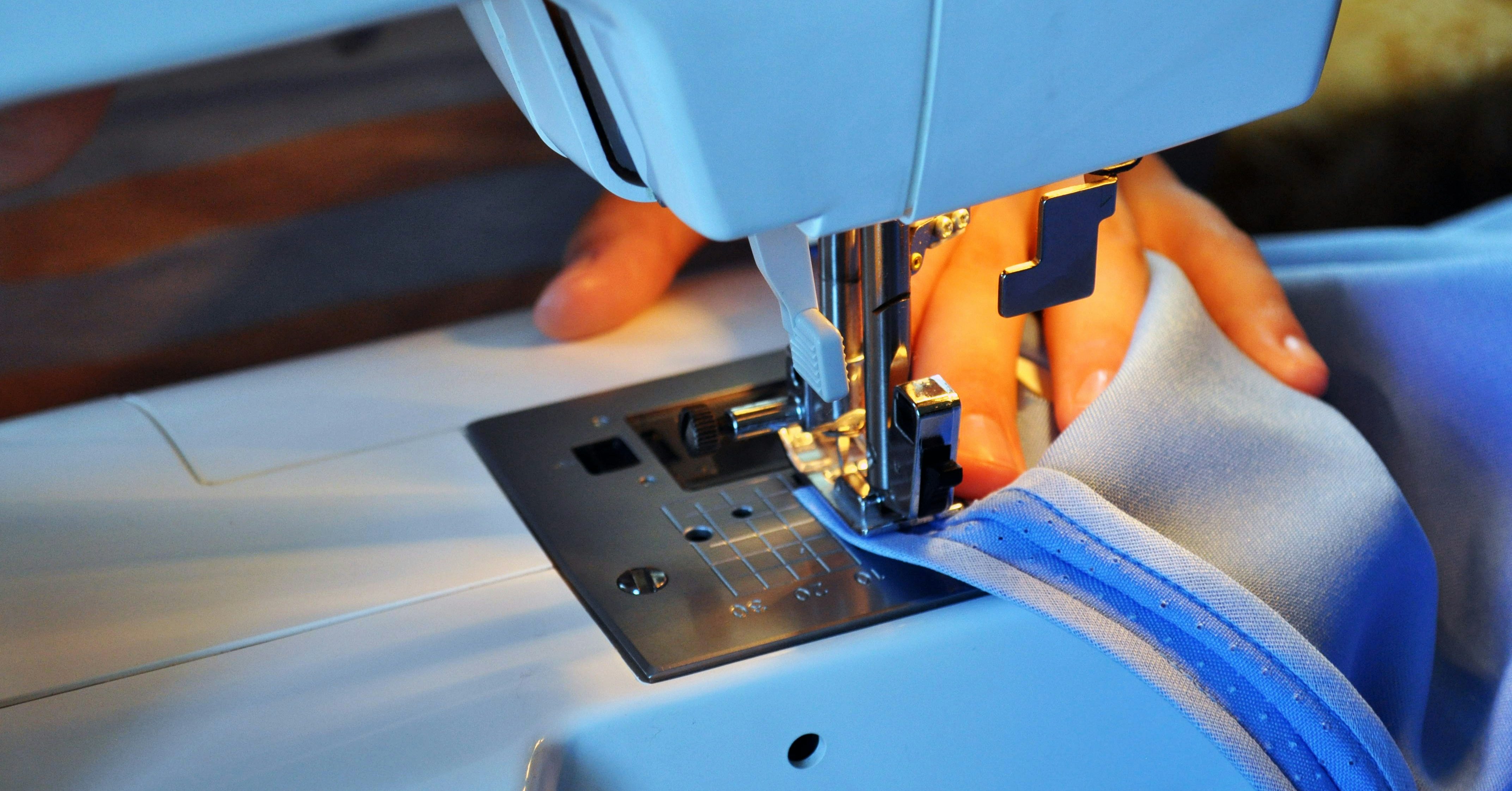
Fast fashion is fast losing its appeal, and for good reason. The industry produces over 100 billion garments a year, with 92 million tons ending up in landfills. While large-scale reform is critical, personal choices also matter. For many conscious consumers, sustainability starts not with buying less, but doing more with what they already have. Enter DIY fashion: a creative, cost-effective, and climate-friendly approach to dressing better.
This article explores ten simple yet powerful DIY fashion hacks that extend the life of your wardrobe, reduce waste, and reconnect you with the joy of making. Whether you’re a beginner with a needle or a seasoned thrift-flipper, these practices prove that sustainable fashion can start at home; one stitch at a time.
1. The Art of Visible Mending: Wear Your Repairs with Pride
Visible mending isn’t just a way to fix holes; it’s a design choice that tells a story. Rooted in the Japanese tradition of sashiko, visible mending uses decorative stitches to reinforce worn areas while adding color, texture, and character.
Instead of throwing out that torn elbow or frayed knee, stitch over it with embroidery thread in bright patterns. You’re not hiding wear and tear, you’re celebrating it. Visible mending can turn a plain denim jacket into a walking canvas and a moth-bitten sweater into a statement piece.
Why it’s sustainable: Keeps garments in circulation longer, reduces the demand for new clothing, and promotes mindful consumption.
Pro tip: Use contrasting thread to make the design pop, or patch with scrap fabric for a multi-textured look.
2. Crop, Cut, and Transform Old T-Shirts
We all have that pile of forgotten tees; stretched, stained, or just not your style anymore. Instead of letting them pile up in drawers or get tossed, give them new life by turning them into halter tops, crop tops, headbands, or even bags.
With a few simple cuts and no sewing necessary, you can transform a boxy shirt into something fashion-forward. Try asymmetrical hems, fringe details, or twisted backs. There are hundreds of free tutorials online, and many projects take under 30 minutes.
Why it’s sustainable: Diverts textiles from landfill and reuses materials that would otherwise go to waste.
Pro tip: Use fabric scissors and mark your cuts with chalk before snipping to avoid mistakes.
3. Natural Dyeing with Food Scraps
Want to give faded clothes a new hue? Ditch the chemical dyes and turn to your kitchen. Onion skins, avocado pits, turmeric, black beans, and red cabbage all yield beautiful, subtle tones that can refresh your wardrobe naturally.
Natural dyeing is also a fun science-meets-art experiment; the same material can produce different shades depending on your fabric or mordant (like vinegar or salt).
Why it’s sustainable: Uses plant-based materials and food waste instead of synthetic chemicals and energy-intensive dyes.
Pro tip: Pre-soak your fabric in a mordant solution for better color absorption and longevity.
4. Make Your Own Reusable Shopping or Produce Bags
Instead of buying cotton tote bags (which, while better than plastic, still have a carbon footprint), make your own from old pillowcases, shirts, or curtains. A sewing machine helps, but even hand-sewing with a backstitch will hold up for most shopping needs.
You can make drawstring bags for produce, sturdy totes for groceries, or mesh-style net bags from scrap yarn or t-shirt yarn. It’s practical, customizable, and a great way to reuse fabric that might otherwise go to waste.
Why it’s sustainable: Reduces plastic bag use, upcycles existing textiles, and eliminates the need to purchase new materials.
Pro tip: Reinforce the handles with extra stitching if you plan to carry heavier items.
5. DIY Fabric Scraps Into Accessories
Don’t toss those scraps from other projects. Fabric remnants, even small ones, can be turned into chic accessories. Think headbands, scrunchies, bandanas, belts, fabric-covered buttons, and even statement earrings.
Scrunchies are especially popular, require minimal sewing skills, and can be made with a needle and thread, elastic, and a strip of fabric.
Why it’s sustainable: Uses leftover materials, prevents waste, and avoids buying new fast-fashion accessories.
Pro tip: Save scraps in a jar or box by color or fabric type to make mixing and matching easier later.
6. Thrift-Flipping: Upcycle Secondhand Finds

“Thrift-flipping” is the art of reworking secondhand clothes into more modern or personalized pieces. Oversized men’s shirts can become belted dresses. A baggy blazer can be tailored into a cropped jacket. You can shorten pants, dye faded pieces, or add custom patches to transform something average into something amazing.
This trend has taken off on platforms like TikTok and YouTube, where creators document the creative journey of turning drab to fab.
Why it’s sustainable: Rescues garments from going to landfill and reduces the demand for fast fashion.
Pro tip: Look for quality fabrics (linen, cotton, wool) in thrift stores; they last longer and are easier to work with.
7. Swap and Re-Style With Friends
DIY fashion doesn’t always mean scissors and thread. Sometimes, it’s about rethinking what you already have. Organize a clothing swap with friends or in your community. Add a twist by encouraging everyone to style someone else’s pieces in creative new ways; a scarf becomes a belt, a dress becomes a top, etc.
These swaps not only keep clothes in circulation but also help you see potential in garments you might have overlooked.
Why it’s sustainable: Keeps clothing out of the waste stream, reduces overconsumption, and builds community.
Pro tip: Host themed swaps — like “retro remix” or “color challenge” — to spark even more creativity.
8. Repurpose Denim: From Jeans to Everything
Denim is one of the most durable and polluting fabrics in fashion. It takes over 1,800 gallons of water to make just one pair of jeans. But the silver lining? Denim is endlessly upcyclable.
Turn old jeans into patchwork skirts, handbags, aprons, dog toys, or even quilts. The thick fabric holds up well and adds structure to DIY projects. For an even more creative challenge, combine different shades of denim for a modern patchwork aesthetic.
Why it’s sustainable: Extends the life of resource-intensive textiles and avoids new denim purchases.
Pro tip: Save zippers, pockets, and seams to use in future projects; every part of a jean can serve a purpose.

9. Reinvent With Fabric Paint or Block Printing
Give tired garments a fresh look with fabric paint or block printing. Create your own stamps from potatoes, foam, or carved linoleum, and print patterns onto plain shirts, skirts, or totes. You can stencil slogans, paint abstract designs, or recreate popular motifs like celestial prints or florals.
This is one of the easiest ways to express yourself artistically through fashion — no sewing required.
Why it’s sustainable: Revives clothing you already own, giving it a new look without buying new.
Pro tip: Use non-toxic, washable fabric paints and heat-set them with an iron to make designs last through washing.
10. Create a Capsule Closet With DIY Staples
One of the most effective hacks isn’t about altering garments, it’s about editing your closet. A capsule wardrobe emphasizes fewer, high-quality, versatile pieces that mix and match easily. Building your capsule with DIY staples, like handmade basics, upcycled denim, or customized pieces, ensures every item is intentional and personal.
This minimal, mindful approach reduces impulse shopping and encourages a more functional relationship with fashion.
Why it’s sustainable: Limits overconsumption and fast fashion purchases while encouraging quality over quantity.
Pro tip: Choose a neutral color palette for maximum versatility, and keep a DIY kit on hand to adjust fit or style seasonally.
Conclusion: Making Fashion Personal — and Planet-Friendly
In the face of overwhelming climate statistics, it’s easy to feel powerless. But what you wear, and how you care for it, is one place where individual action truly adds up. DIY fashion is not just about crafting or creativity; it’s about reclaiming your relationship with clothing in an age of overproduction.
These ten hacks show that sustainability doesn’t require perfection or privilege. With a few tools, a little time, and a lot of imagination, anyone can become a maker, a mender, and a fashion revolutionary, right from their living room.
Sustainable fashion isn’t about doing everything. It’s about doing what you can, with what you have, where you are.
References
Fashion Revolution. (n.d.). Who made my clothes? https://www.fashionrevolution.org
The Conscious Closet by Elizabeth L. Cline. (2019).
The Craftivist Collective. (n.d.). https://craftivist-collective.com
Patagonia Worn Wear. (n.d.). https://wornwear.patagonia.com
Sashiko World. (n.d.). Japanese Mending Techniques. https://www.sashikoworld.com
Natural Dyeing Guide (Botanical Colors): https://botanicalcolors.com
Remake. (n.d.). Sustainable fashion activism. https://remake.world
Olivia Santoro is a writer and communications creative focused on media, digital culture, and social impact, particularly where communication intersects with society. She’s passionate about exploring how technology, storytelling, and social platforms shape public perception and drive meaningful change. Olivia also writes on sustainability in fashion, emerging trends in entertainment, and stories that reflect Gen Z voices in today’s fast-changing world.
Connect with her here: https://www.linkedin.com/in/olivia-santoro-1b1b02255/
About The Author


