
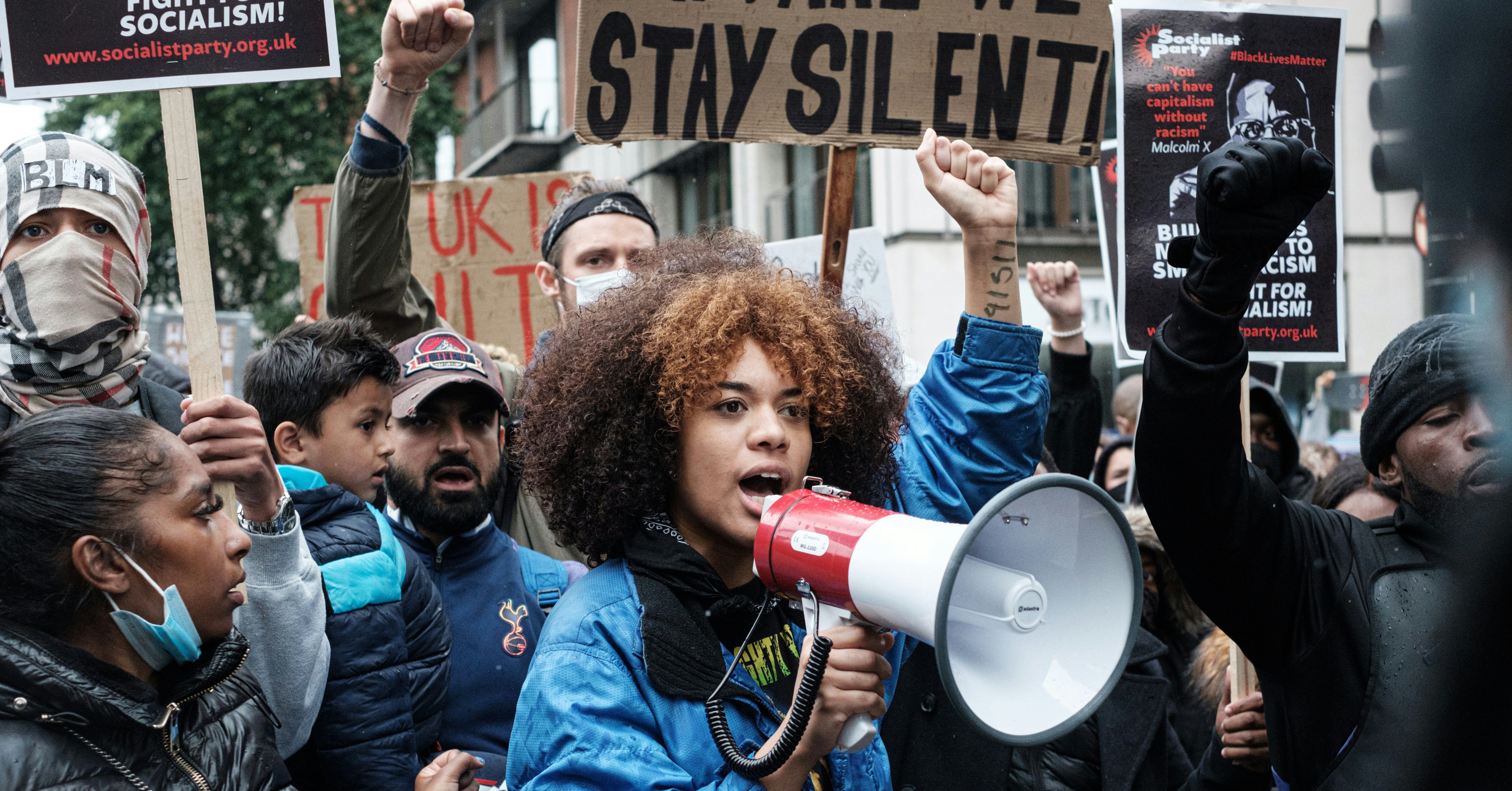
In an age where media consumption shapes public perception and policy alike, the need for inclusive journalism has never been more urgent. Mainstream outlets have long prioritized dominant narratives, often marginalizing voices from underrepresented communities. But across the globe, new and independent media platforms are shifting that paradigm, offering space for stories that have been ignored, misrepresented, or silenced altogether.
These ten case studies explore how journalism can act as a tool for empowerment, social justice, and cultural visibility. From Indigenous-led newsrooms in Canada to feminist podcasting collectives in the Middle East, inclusive media is not only telling different stories; it’s changing who gets to tell them.
1. The 19th*: Gender, Politics, and Power
Country: United States
Founded: 2020
Marginalized Group: Women, LGBTQ+ people, and nonbinary communities
The 19th*, a nonprofit newsroom based in the United States, was launched to challenge the exclusion of women and LGBTQ+ people from political journalism. Founded by Emily Ramshaw and Amanda Zamora, the outlet reports on issues related to gender, politics, and policy with an intentional focus on intersectionality.
Its work includes investigative reporting, live interviews with high-profile leaders, and explanatory journalism. With a mission to inform and empower those who are underrepresented in traditional newsrooms, The 19th* has grown into one of the most visible models of inclusive, identity-conscious reporting.

2. IndigiNews: Reclaiming Indigenous Storytelling
Country: Canada
Founded: 2020
Marginalized Group: Indigenous communities
IndigiNews is an Indigenous-led outlet rooted in Indigenous ways of knowing, community care, and anti-colonial practice. Based in British Columbia and launched in collaboration with The Discourse, IndigiNews reports on Indigenous stories with care, accuracy, and cultural relevance.
Unlike colonial media institutions, it avoids extractive practices and builds reciprocal relationships with the communities it covers. Its coverage spans language revitalization, land rights, education, and mental health, all from the perspective of Indigenous journalists who are also community members.
3. Media Storm by The Guilty Feminist
Country: United Kingdom
Founded: 2021
Marginalized Group: Migrants, refugees, incarcerated people, sex workers
Media Storm is a UK-based podcast that brings underrepresented voices directly into the newsroom. Hosted by journalists Helena Wadia and Mathilda Mallinson, the show critiques how legacy media treat issues like immigration, gender, race, and incarceration by spotlighting those who live through them.
The show’s model disrupts conventional journalistic hierarchies by allowing guests to participate in shaping how their stories are told. Each episode pairs critical media analysis with personal testimony, offering an alternative to sensationalist or dehumanizing mainstream narratives.
4. AJ+: Global News Through a Decolonial Lens
Country: Global (based in the U.S. and Qatar)
Founded: 2014
Marginalized Group: Global South, youth, racialized communities
AJ+, a digital-first outlet under the Al Jazeera Media Network, has built a reputation for accessible, justice-oriented journalism. It produces short-form video explainers, features, and documentaries that center marginalized communities around the world—from Indigenous resistance in the U.S. to anti-imperialist movements in the Global South.
Its work challenges Western narratives by prioritizing perspectives from those historically left out of international coverage. With millions of followers across social platforms, AJ+ makes complex geopolitical issues digestible, particularly for younger and more diverse audiences.
5. Deaf Utopia and the Rise of Deaf Creators on TikTok
Country: United States
Founded: 2020
Marginalized Group: Deaf and Hard of Hearing Communities
TikTok has emerged as a powerful platform for creators from the Deaf community to share stories, teach American Sign Language (ASL), and advocate for accessibility in media. Nyle DiMarco, a Deaf actor, model, and activist, has been a leading voice in this space through his TikTok content and the release of his memoir Deaf Utopia.
This shift marks a departure from traditional media, which often overlooks or misrepresents Deaf narratives. TikTok’s visual-first design has made it uniquely well-suited for ASL storytelling, allowing for a cultural movement built on self-representation rather than translation or mediation.
6. People’s Archive of Rural India (PARI)
Country: India
Founded: 2014
Marginalized Group: Rural poor, farmers, Adivasi (tribal) communities
The People’s Archive of Rural India is a multimedia digital platform founded by journalist P. Sainath to document the lives of the 800 million people living in rural India. It features video documentaries, photography, poetry, and oral histories in more than 13 Indian languages.
PARI trains rural residents to become contributors, empowering them to tell their own stories through a journalistic lens. Its mission is not just to report on poverty or crisis, but to record culture, labor, and resilience—preserving knowledge systems that urban media often ignores.
7. Sowt: Arab Podcasting Beyond Borders
Country: Jordan (with regional reach across the Middle East and North Africa)
Founded: 2016
Marginalized Group: LGBTQ+ people, women, refugees, youth in MENA
Sowt, meaning “voice” in Arabic, is a podcasting company producing deeply reported audio stories on gender, identity, migration, and taboo topics in the Arab world. Its programming includes Eib (“Shame”), a series that challenges social stigmas around sexuality, gender norms, and mental health.
Sowt reaches listeners through platforms like WhatsApp and SoundCloud, making it accessible to audiences in countries with limited internet access or high censorship. Its editorial team prioritizes regional storytelling and local voices, providing counter-narratives to dominant state media.
8. TransLash Media: Journalism at the Intersection of Trans Rights
Country: United States
Founded: 2018
Marginalized Group: Transgender and nonbinary communities
TransLash Media was founded by journalist and activist Imara Jones as a response to the escalating violence and misinformation targeting transgender communities. Through podcasts, docuseries, and written reporting, the platform bridges journalism and advocacy.
By foregrounding personal stories and community voices, TransLash counters reductive or hostile portrayals of trans people in mainstream media. It also provides educational resources on topics like reproductive justice, anti-trans legislation, and healthcare access—grounded in the lived experiences of trans individuals.
9. Bitch Media’s Feminist Legacy

Country: United States
Founded: 1996 (shut down in 2022, archive remains active)
Marginalized Group: Women, LGBTQ+ communities, intersectional feminists
For over 25 years, Bitch Media served as a pioneering platform for feminist media criticism. Through its quarterly magazine and online content, the organization challenged the way mainstream outlets portrayed gender, race, disability, and power.
Though Bitch ceased publication in 2022 due to funding challenges, its influence endures through a rich digital archive. Its legacy lives on in the many media professionals and cultural critics it has inspired, offering an enduring framework for inclusive storytelling in an often-hostile industry.
10. Black Ballad: A Platform by and for Black British Women
Country: United Kingdom
Founded: 2014
Marginalized Group: Black British women
Black Ballad is a membership-driven digital media company dedicated to showcasing the lives and experiences of Black women in Britain. Founded by Tobi Oredein and Bola Awoniyi, the platform provides nuanced, community-driven coverage of topics like health, motherhood, politics, and entrepreneurship.
The publication not only pays Black women writers fairly but also cultivates an ecosystem of editorial leadership, creative ownership, and reader involvement. With partnerships, events, and surveys that shape its editorial agenda, Black Ballad offers a model of sustainability and representation often missing in British media.
Conclusion: Media as a Mirror and a Megaphone
These ten platforms represent only a fraction of the global movement toward inclusive journalism. However, they share a common ethos: that media must not only reflect society, but also challenge its exclusions. By shifting who gets to speak and who gets heard, these case studies offer a blueprint for media that is not only diverse but also equitable.
As newsrooms confront crises of trust, representation, and relevance, the success of these initiatives reveals a path forward: center the margins, reimagine the gatekeepers, and treat inclusion not as a trend but as a foundational principle.
References
The 19th*. (n.d.). Homepage. Retrieved from https://19thnews.org
IndigiNews. (n.d.). Indigenous-led journalism in Canada. Retrieved from https://indiginews.com
Media Storm Podcast. (n.d.). News from the eye of the storm. Retrieved from https://mediastormpodcast.com
AJ+. (n.d.). AJ+ English YouTube Channel. Retrieved from https://www.youtube.com/user/ajplusenglish
DiMarco, N. (n.d.). Official Website. Retrieved from https://www.nyledimarco.com
People’s Archive of Rural India (PARI). (n.d.). Documenting everyday lives in rural India. Retrieved from https://ruralindiaonline.org
Sowt Podcasts. (n.d.). Audio stories from the Arab world. Retrieved from https://www.sowt.com
TransLash Media. (n.d.). Trans stories. Trans voices. Trans futures. Retrieved from https://translash.org
Bitch Media. (n.d.). Feminist response to pop culture [Archived]. Retrieved from https://www.bitchmedia.org
Black Ballad. (n.d.). The lifestyle platform for Black British women. Retrieved from https://blackballad.co.uk
Olivia Santoro is a writer and communications creative focused on media, digital culture, and social impact, particularly where communication intersects with society. She’s passionate about exploring how technology, storytelling, and social platforms shape public perception and drive meaningful change. Olivia also writes on sustainability in fashion, emerging trends in entertainment, and stories that reflect Gen Z voices in today’s fast-changing world.
Connect with her here: https://www.linkedin.com/in/olivia-santoro-1b1b02255/
About The Author


