
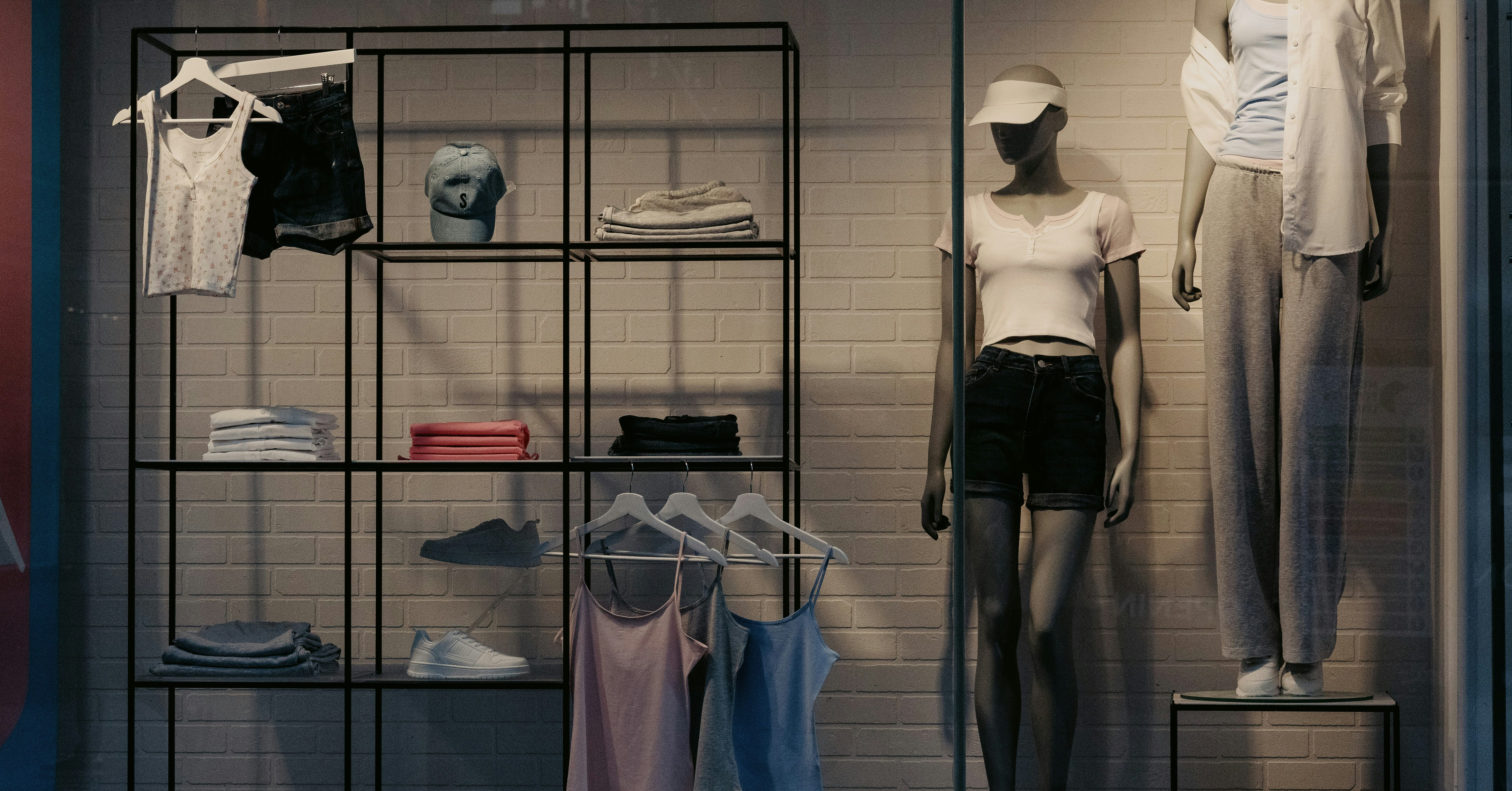
A New Era of Radical Visibility
In an industry often criticized for opacity and exploitation, fashion is finally being forced to reckon with its supply chains. From sweatshop labor and environmental destruction to greenwashing scandals, today’s consumers are demanding answers to questions the fashion world has historically avoided: Who made my clothes? Where were they made? What are they made of?
Enter blockchain technology, a digital ledger system that promises something the fashion industry sorely lacks: trust through transparency.
Blockchain isn’t just about cryptocurrency anymore. It’s powering a growing movement in fashion toward traceability, ethical accountability, and consumer empowerment. For an industry built on aesthetics and aspiration, this shift toward radical transparency could be its most meaningful transformation yet.
Why Transparency Matters in Fashion
Before diving into how blockchain works in fashion, it’s important to understand why transparency has become so urgent.
The global fashion industry is responsible for:
- 10% of global carbon emissions
- 20% of global wastewater
- The exploitation of an estimated 75 million garment workers, many of whom are women, earning below a living wage
(Source: UN Alliance for Sustainable Fashion)
For decades, fast fashion brands have operated with supply chains so complex and multilayered that even they struggle to trace them. This opacity allows companies to outsource harm, environmentally, socially, and economically, without taking responsibility.
But that’s changing. Consumers, particularly Gen Z and Millennials, now expect brands to prove their sustainability claims. Legislation like the New York Fashion Act and the EU Strategy for Sustainable Textiles is demanding disclosure.
Transparency isn’t optional anymore; it’s a competitive necessity.

What Is Blockchain and Why Does Fashion Need It?
At its core, blockchain is a decentralized digital ledger that records transactions across multiple computers. Each new transaction (or “block”) is added in sequence, forming an unalterable “chain” of data.
This technology offers three major benefits for fashion:
- Immutability: Data can’t be changed or deleted retroactively.
- Traceability: Each step of a product’s journey can be recorded, from raw material to retail.
- Decentralization: No single entity controls the data, making fraud harder.
In fashion, blockchain can track:
- Where cotton was grown
- When fabric was dyed
- Who sewed the garment
- How it was shipped
- Whether it’s genuine or counterfeit
It transforms storytelling into verifiable truth.
From Cotton to Closet: A Transparent Journey
Imagine scanning a QR code on a shirt and instantly seeing its entire supply chain:
- The GPS coordinates of the cotton farm
- The name of the factory and the worker who stitched it
- The emissions from shipping
- The dyes used in production
- Proof of fair wages and ethical audits
This isn’t science fiction, it’s already happening.
Brands like Pangaia, Chloé, and Stella McCartney are working with blockchain firms to build fully traceable products. Platforms like Provenance, Arianee, and TextileGenesis offer blockchain tools tailored to fashion’s needs.
By embedding digital IDs or blockchain-based certificates into garments, brands are creating a new norm: clothes that carry their own receipts.
Who’s Leading the Blockchain Fashion Movement?
Several fashion innovators are already proving blockchain’s potential:
1. Pangaia x EON
Pangaia, a materials science-based fashion brand, uses blockchain via EON’s Product Cloud to assign digital IDs to its garments. These IDs offer full traceability, from recycled cotton origins to biodegradability instructions.
2. LVMH’s Aura Blockchain Consortium
Luxury giants LVMH, Prada, and Cartier joined forces to create Aura Blockchain, enabling consumers to verify a product’s authenticity and history. Think of it as a luxury passport for high-end goods.
3. Chloé & TextileGenesis
As the first luxury maison to receive the B Corp certification, Chloé partnered with TextileGenesis to trace their silk and wool back to certified farms, ensuring no greenwashing and full chain-of-custody.
4. Nike’s Cryptokicks
Nike has explored blockchain not just for traceability, but digital ownership. Its “Cryptokicks” project connects physical sneakers to NFTs, allowing for verified resale, authenticity, and even virtual styling in the metaverse.
Blockchain and the Fight Against Greenwashing
In a world where greenwashing is rampant, blockchain offers a much-needed antidote.
A 2022 Changing Markets Foundation report found that 59% of fashion’s sustainability claims are misleading or unsubstantiated. Buzzwords like “eco-friendly” or “ethically made” are often used without proof.
With blockchain, brands must back up their claims with data: immutable, timestamped, and verifiable.
This doesn’t just help consumers; it protects ethical brands too. When transparency becomes standardized, doing the right thing becomes a market advantage, not a marketing risk.
Blockchain Enables Circular Fashion
Another game-changing use case for blockchain is in circularity, a model where fashion waste is minimized through reuse, repair, and resale.
Here’s how blockchain fits in:
- Digital Product Passports store the history of a garment, enabling resale or rental with authenticity.
- Material Composition Records help recyclers know exactly what fabrics were used—critical for textile-to-textile recycling.
- Ownership Histories legitimize the secondhand market, especially for luxury goods.
Blockchain ensures that even after the first sale, garments retain their story and their value.
Digital Twins and the Virtual Future of Fashion

As fashion enters the digital age, blockchain is bridging the gap between the physical and virtual.
Every blockchain-verified garment can have a “digital twin”, an NFT or encrypted file that mirrors the physical item. This digital twin can be used for:
- Virtual styling in gaming and metaverse platforms
- Tokenized resale on blockchain marketplaces
- Smart contracts that automatically pay creators or brands resale royalties
For example, The Dematerialised, a blockchain fashion marketplace, allows consumers to buy, trade, and wear digital fashion, all verified by blockchain.
Fashion, long driven by storytelling, now has a new medium: digitally native identity.
Challenges and Criticisms of Blockchain in Fashion
Despite its promise, blockchain isn’t a silver bullet. Critics point to:
1. Accessibility
Not all suppliers, especially small or rural producers have the infrastructure to engage with blockchain. Smartphones, internet access, and training are still barriers.
2. Complex Integration
Integrating blockchain with legacy systems is complex and expensive. Brands need to align logistics, sourcing, and tech, a process that takes time and money.
3. Data Integrity
Blockchain can verify what’s uploaded, but it can’t guarantee the truth of that data. If a brand inputs false information, blockchain won’t fix that.
4. Energy Concerns
Older blockchain models (like Bitcoin) were energy-intensive. However, many fashion-related blockchains now use proof-of-stake systems that are far more sustainable.
Transparency must be paired with accountability. Blockchain is the tool, not the guarantee.

The Role of Legislation and Global Standards
Governments are starting to recognize the power of blockchain for supply chain accountability.
- The EU’s Digital Product Passport initiative will require traceable data on textile goods by 2030. Blockchain will likely be the backbone.
- In the U.S., laws like the FABRIC Act aim to hold brands accountable for labor violations in their supply chains—transparency will be key to enforcement.
As regulators demand traceability, blockchain offers a compliance-ready infrastructure, one that also enhances consumer trust.
Consumer Empowerment Through Data Ownership
In the blockchain-powered future, transparency isn’t just top-down. It’s interactive.
Consumers may soon control their own “fashion footprint,” knowing how their closet contributes to carbon emissions, labor conditions, and waste. Apps like Good On You or Clear Fashion already let users evaluate brand ethics.
Blockchain takes it further: It gives consumers ownership over product data, from purchase to disposal.
Imagine choosing between two jackets. One says “sustainable.” The other shows:
- Verified organic cotton from India
- Fair Trade-certified stitching in Vietnam
- 8.2 kg CO2 emissions (with offset)
- Designed for recycling, with take-back instructions
Which one do you trust more?
What This Means for Brands
For brands, blockchain isn’t just a tech upgrade; it’s a cultural shift. It requires them to:
- Be transparent about flaws
- Invest in traceable supply chains
- Educate consumers, not just market to them
- Collaborate with ethical suppliers
- Embrace accountability as a brand asset
The brands that lean into blockchain today will be tomorrow’s leaders of trust.
What This Means for Consumers
For consumers, blockchain offers more than receipts. It offers power.
Power to:
- Verify brand claims
- Reward ethical producers
- Make informed choices
- Track impact over time
- Engage in circular systems
Fashion becomes not just about how you look, but what you support.
Conclusion: Toward a Transparent Fashion Future
The fashion industry stands at a crossroads. It can continue business as usual, opaque, extractive, and performative, or it can choose a future built on trust, truth, and technology.
Blockchain won’t fix fashion alone. But it gives us the infrastructure to demand and deliver something better.
Transparency is no longer a trend; it’s the new standard. And blockchain may be the strongest thread holding that standard together.
References
- UN Alliance for Sustainable Fashion
https://www.unep.org/resources/report/alliance-sustainable-fashion - Edelman Trust Barometer
https://www.edelman.com/trust/2023-trust-barometer - TextileGenesis by Lenzing
https://textilegenesis.com/ - Provenance Blockchain for Fashion
https://www.provenance.org/ - EON Product Cloud x Pangaia
https://eon.xyz - Aura Blockchain Consortium
https://auraluxuryblockchain.com/ - Changing Markets Foundation: Greenwash Danger Zone
https://changingmarkets.org/portfolio/greenwash-danger-zone/ - The Dematerialised Digital Fashion Marketplace
https://thedematerialised.com/ - EU Strategy for Sustainable and Circular Textiles
https://environment.ec.europa.eu/topics/circular-economy/textiles_en - New York Fashion Act (The Fashion Sustainability and Social Accountability Act)
https://www.nysenate.gov/legislation/bills/2021/s7428
Olivia Santoro is a writer and communications creative focused on media, digital culture, and social impact, particularly where communication intersects with society. She’s passionate about exploring how technology, storytelling, and social platforms shape public perception and drive meaningful change. Olivia also writes on sustainability in fashion, emerging trends in entertainment, and stories that reflect Gen Z voices in today’s fast-changing world.
Connect with her here: https://www.linkedin.com/in/olivia-santoro-1b1b02255/
About The Author


