
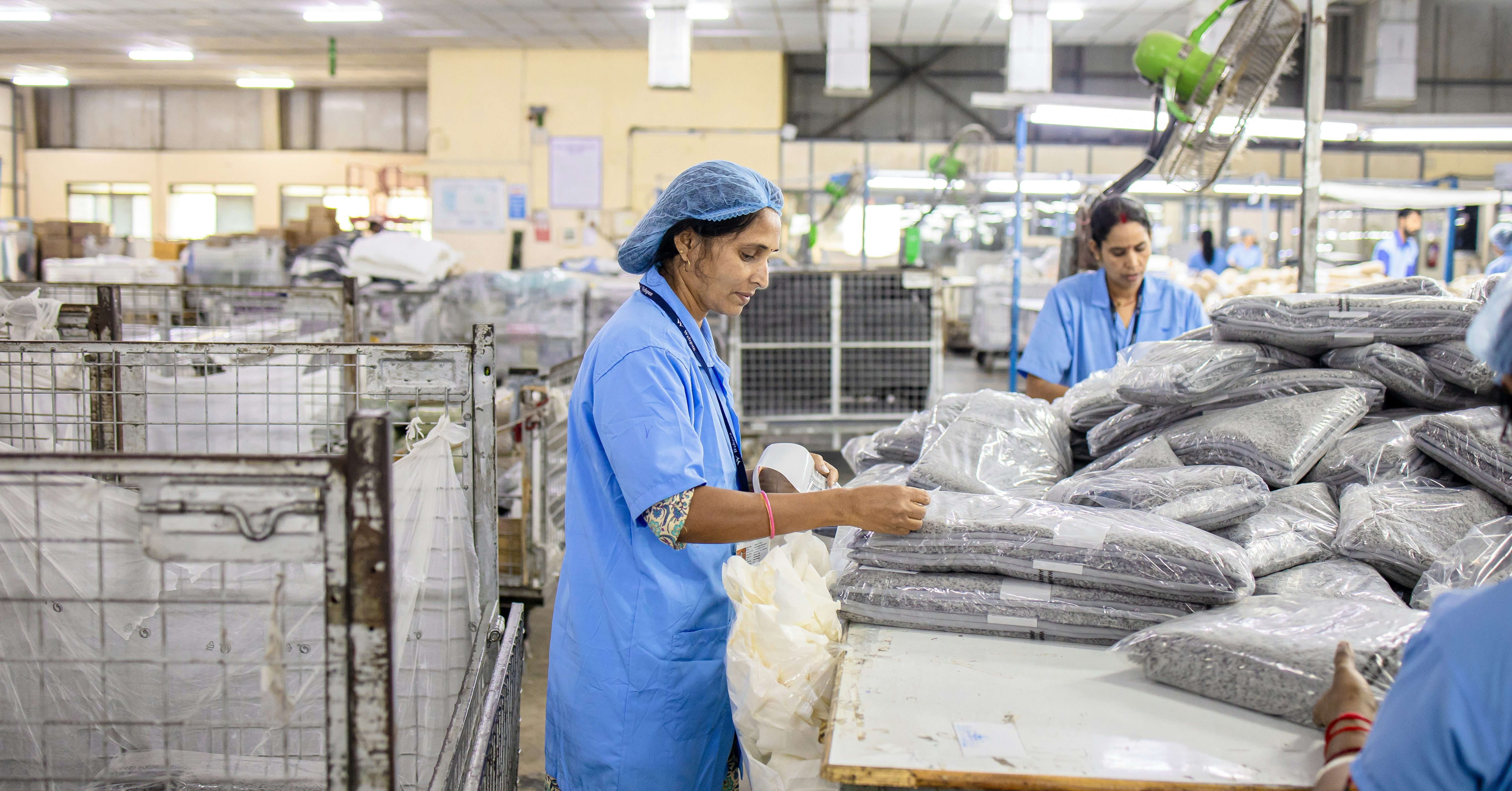
Introduction: The Hidden Cost of Our Clothes
Every time we buy a new shirt, pair of jeans, or trendy accessory, we make a choice, whether we realize it or not. Behind most garments lies an intricate web of human labor, often performed in unsafe conditions, for poverty-level wages, with little to no protection. While fast fashion has democratized access to style, it has also come at a steep cost: the exploitation of millions of garment workers, especially in countries like Bangladesh, Vietnam, India, and Ethiopia.
Despite years of exposés, tragedies like the Rana Plaza collapse in 2013, and growing consumer awareness, many fashion brands continue to profit from opaque supply chains and exploitative practices. But we, as consumers, citizens, and professionals, can do more than shop ethically, we can advocate for systemic change.
In this article, we’ll explore the current state of labor in the fashion industry, the forces that perpetuate worker exploitation, and tangible ways anyone can advocate for better labor conditions across the global fashion ecosystem.
The Reality of Fashion Labor Today

1. Low Wages, Long Hours
Most garment workers—over 70 million globally—earn less than a living wage. According to the Clean Clothes Campaign, some earn as little as $2 per day, far below what’s needed to afford necessities like food, shelter, and healthcare.
2. Dangerous Working Conditions
The Rana Plaza factory collapse in Bangladesh killed over 1,100 workers and injured more than 2,500. Yet over a decade later, workplace safety remains inadequate in many parts of the supply chain. Fires, structural collapses, and exposure to toxic chemicals are still frequent in regions where labor laws are weak or poorly enforced.
3. Exploitation of Women and Migrant Labor
Roughly 80% of garment workers are women, many of whom face harassment, gender discrimination, and a lack of maternity leave. Migrant laborers, particularly in Asia and the Middle East, are often subjected to wage theft, withheld passports, and verbal or physical abuse.
4. Lack of Union Representation
In many garment-producing countries, unionization is discouraged or outright suppressed. Workers who try to organize risk being fired, blacklisted, or worse. Without union protections, workers have little leverage to demand fair treatment.
Why the System Remains Broken
- Outsourced Responsibility: Most fashion brands don’t own the factories that produce their goods. This outsourced model allows companies to claim they aren’t responsible for labor violations.
- Race to the Bottom: To compete in a saturated market, brands look for the cheapest labor markets, often moving production to countries with the weakest labor protections.
- Opacity in Supply Chains: Many brands don’t trace beyond their Tier 1 suppliers (final-stage factories), ignoring abuses further down the chain (e.g., spinning mills, dye houses).
- Consumer Demand for Cheap, Fast Fashion: The relentless pressure for low prices and rapid production timelines trickles down to workers, who bear the brunt of “efficiency.”
How to Advocate for Better Labor Conditions in Fashion
You don’t have to be a policymaker or industry insider to advocate for change. Here’s how citizens, students, professionals, and conscious consumers can make a difference:
1. Educate Yourself and Others
The first step in advocacy is understanding the problem deeply. Follow labor rights organizations, read investigative journalism, and explore firsthand accounts from garment workers.
Resources to follow:
- Remake: https://remake.world
- Clean Clothes Campaign: https://cleanclothes.org
- Fashion Revolution: https://www.fashionrevolution.org
- Good On You (brand ratings): https://goodonyou.eco
- The Garment Worker Diaries: https://workerdiaries.org
Start conversations with friends, family, students, or co-workers about where clothes come from and who makes them.
2. Support Living Wage Legislation and Worker Protections
Policies, not just brands, shape the fate of garment workers. Support legislative efforts like:
- The FABRIC Act (U.S.): Introduced in 2022, it would require federal oversight of working conditions in garment factories and incentivize domestic, ethical production.
➤ https://www.fabricact.org/ - International Accord for Health and Safety in the Textile and Garment Industry: An expanded successor to the Bangladesh Accord, it aims to hold brands accountable for safety in supply chains.
➤ https://internationalaccord.org/
Use your voice to email representatives, attend policy briefings, or sign petitions urging lawmakers to pass labor protections.
3. Ask Brands #WhoMadeMyClothes
The #WhoMadeMyClothes campaign, started by Fashion Revolution, empowers consumers to demand transparency. By asking brands about their suppliers, wage policies, and audit practices, we send a powerful message.
Tips for engagement:
- Use social media to question brands directly.
- Email or DM brands asking for transparency reports.
- Support companies that share their full supply chains publicly (not just Tier 1 factories).
Transparency doesn’t guarantee fair labor, but it’s a vital first step toward accountability.
4. Hold Brands Accountable

Look beyond PR and check what brands are actually doing:
- Do they pay a living wage?
- Do they support collective bargaining and unionization?
- Do they publish full supplier lists (Tier 1–4)?
- Do they have grievance mechanisms that garment workers can access?
Use platforms like:
- Fashion Transparency Index (Fashion Revolution): https://www.fashionrevolution.org/about/transparency/
- KnowTheChain (Benchmarking labor rights in supply chains): https://knowthechain.org
- Good On You (Rates brand ethics): https://goodonyou.eco
Shame is a powerful motivator. Publicly calling out brands for unethical labor practices can spark change, especially when done en masse.
5. Support Ethical and Worker-Owned Brands
Instead of shopping from fast fashion giants, support brands that prioritize labor rights. Examples include:
- Tonlé (zero waste, women-led, transparent labor practices)
https://tonle.com - Known Supply (workers sign the clothes they make)
https://knownsupply.com - Patagonia (fair trade certified, worker welfare programs)
https://www.patagonia.com - No Nasties (organic, fair trade labor)
https://www.nonasties.in
Even better: support worker-owned cooperatives where garment workers have a stake in the company’s decisions and profits.
6. Elevate Worker Voices
Real change centers the voices of those most affected. Share and amplify the stories of garment workers on your platform.
Ways to help:
- Share videos and interviews from organizations like Labor Behind the Label: https://labourbehindthelabel.org
- Invite garment workers or union organizers to speak at school or community events.
- Donate to legal funds and mutual aid supporting fired or blacklisted workers.
The people making our clothes are experts in what needs to change; they just need a platform.
7. Boycott Unethical Brands—and Say Why

Boycotting can be effective when it’s loud and collective. Target brands that:
- Consistently underpay workers
- Avoid union recognition
- Hide supply chain data
- Fail to commit to living wages
But don’t just unfollow or quietly disengage. Explain your reasoning publicly. Use hashtags like #PayUp and #WhoMadeMyClothes to join broader movements.
Example: The #PayUp Campaign, launched in 2020 by Remake, forced brands to pay billions owed to suppliers during the pandemic. Collective action works.
8. Pressure Universities and Businesses to Source Ethically
If you’re part of a university or workplace, push for policies that reflect ethical fashion sourcing:
- Advocate for your school bookstore or uniform provider to use fair trade certified brands.
- Encourage offices to purchase from ethical suppliers for uniforms, merch, or events.
- Push for ESG (Environmental, Social, Governance) alignment in purchasing decisions.
This kind of institutional advocacy can scale impact dramatically.
9. Join or Start a Local Advocacy Group
Change starts at the grassroots. Join or form a community group focused on fashion justice. Some models include:
- Hosting clothing swaps that educate about garment labor.
- Starting a Remake community chapter: https://remake.world/get-involved/
- Organizing a Fashion Revolution Week event in your city.
Collaborative efforts amplify your voice and give you staying power in the movement.
10. Vote With Your Wallet—But Don’t Stop There
Buying ethically is great, but individual consumerism can’t fix a systemic problem. Still, your purchasing choices can support better business models and signal demand for fair labor.
Tips:
- Buy less, choose better, and wear longer.
- Look for third-party certifications like Fair Trade, SA8000, or GOTS.
- Rent or thrift rather than buy new.
- Write reviews for ethical brands to boost visibility.
Advocacy is about systems, not just shopping habits, but the two can complement each other when done thoughtfully.
Looking Ahead: Building a Just Fashion Future
The future of fashion depends on how we choose to confront its labor crisis. Advocacy is more than a trending hashtag or a single purchase: it’s a sustained commitment to justice, dignity, and human rights.
We must demand transparency, elevate garment worker voices, and hold brands and policymakers accountable. We must support ethical alternatives, mobilize our communities, and never underestimate the power of collective action.
Fashion can be beautiful. But it can also be just. The threads that connect us, across continents, cultures, and clothing racks, must be woven with care, equity, and respect.
References
Clean Clothes Campaign – https://cleanclothes.org
Remake – https://remake.world
Fashion Revolution – https://www.fashionrevolution.org
KnowTheChain – https://knowthechain.org
The FABRIC Act – https://www.fabricact.org
International Accord – https://internationalaccord.org
Good On You – https://goodonyou.eco
Labor Behind the Label – https://labourbehindthelabel.org
Garment Worker Diaries – https://workerdiaries.org
Fashion Transparency Index – https://www.fashionrevolution.org/about/transparency/
Olivia Santoro is a writer and communications creative focused on media, digital culture, and social impact, particularly where communication intersects with society. She’s passionate about exploring how technology, storytelling, and social platforms shape public perception and drive meaningful change. Olivia also writes on sustainability in fashion, emerging trends in entertainment, and stories that reflect Gen Z voices in today’s fast-changing world.
Connect with her here: https://www.linkedin.com/in/olivia-santoro-1b1b02255/
About The Author


