
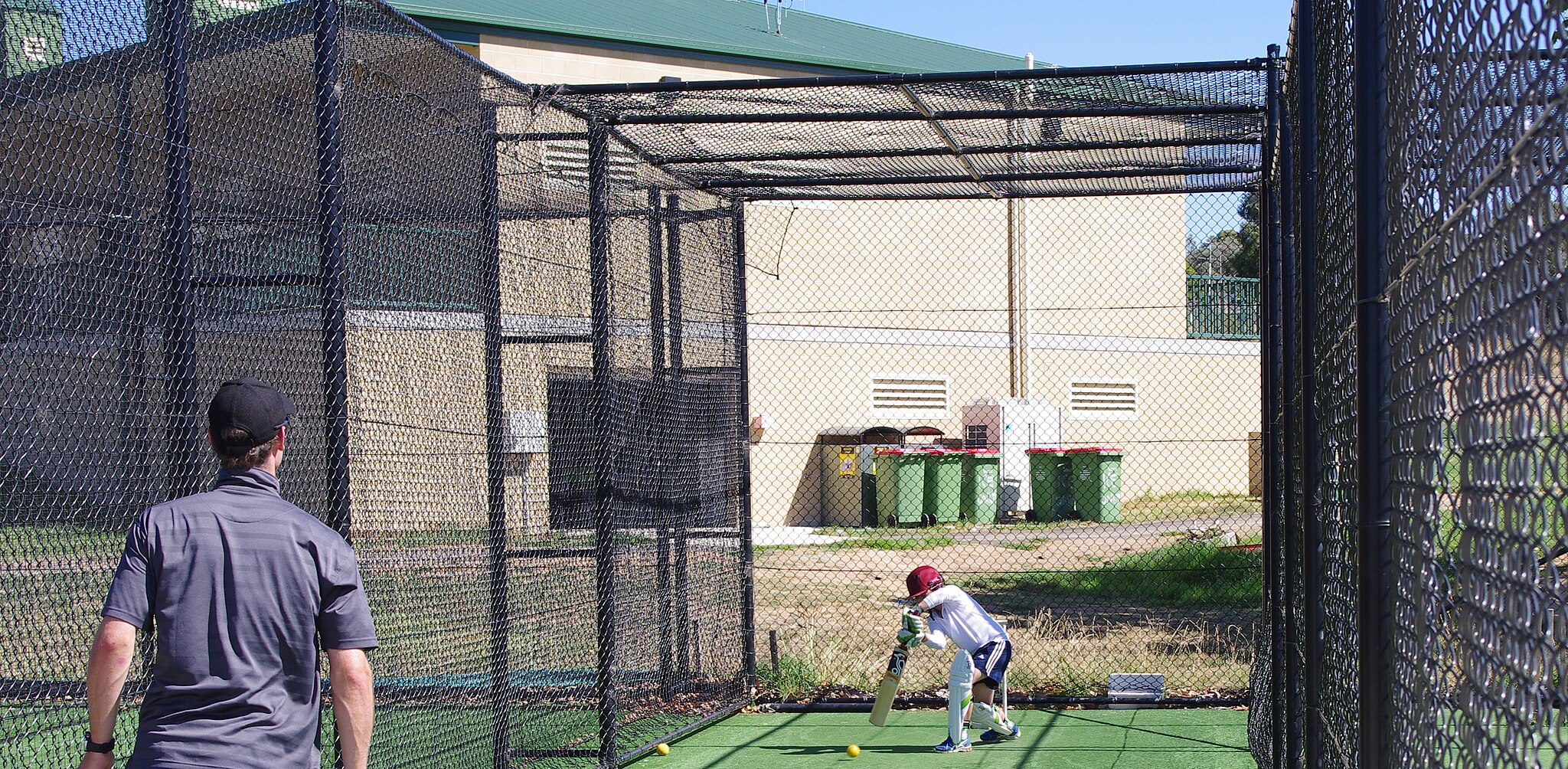
Cricket has evolved into a year-round global enterprise, and the pressure to identify and nurture emerging talent is higher than ever. Nations can no longer rely solely on natural ability or local clubs to produce elite-level players. Structured cricket talent development programs now serve as critical infrastructure for long-term success. These systems ensure a continuous supply of skilled players who are technically prepared, mentally strong, and physically ready to compete at the highest levels.
This article explores how national boards, private academies, and franchise systems are using strategic programs to shape cricket’s next generation.
Define Talent Pathways Early
Successful development begins with well-defined, multi-tiered pathways. These frameworks provide clear progression from grassroots to professional cricket.
Key features of strong talent pathways:
- Identification at under-14 and under-16 levels through school and club competitions
- Progression to district, state, and national academies
- Age-specific coaching modules focused on technical, tactical, and physical growth
- Exposure to elite-level competition through youth tournaments
- Continuous performance monitoring using data-driven metrics
Australia’s National Pathway Program and India’s Zonal Cricket Academy structure exemplify organized pipelines.
Invest in Regional and National Academies
High-performance academies serve as talent incubators. They bridge the gap between junior cricket and professional standards.
Core functions of elite academies:
- Year-round coaching under certified professionals
- Use of sports science and analytics for performance tracking
- Personalized fitness, nutrition, and mental conditioning plans
- Regular match simulations and inter-academy tournaments
- Access to injury prevention and rehabilitation facilities
Examples include:
- National Cricket Academy (India)
- Australian Cricket Academy
- High Performance Centres (England and Wales Cricket Board)
These academies help refine raw potential into professional capability.

Integrate Technology into Training
Cricket talent development has embraced technology for real-time feedback and long-term tracking.
Tools and platforms:
- Hawk-Eye for bowling and batting analysis
- GPS trackers and heart rate monitors for fitness data
- Smart nets with video replay for shot correction
- Biomechanical motion capture for bowling action validation
- Central databases to store player performance over years
The ECB and CSA (Cricket South Africa) use centralized athlete management systems to maintain detailed records for all age-group players.
Prioritize Coaching Certification and Mentorship
Effective coaching lies at the heart of talent development. Programs must standardize coach training and pair players with mentors.
Key elements:
- Tiered coaching certification programs (e.g., Level 1 to Level 3)
- Mentor programs with former cricketers and senior coaches
- Periodic coach assessments and workshops
- Assigning age-appropriate coaches based on development phases
- Encouraging women coaches for inclusive growth
South Africa’s Cricket Coach Education Framework and India’s BCCI Level 2 certification mandate rigorous quality standards.
Encourage Competitive Exposure at a Young Age
Match exposure under pressure conditions accelerates development and decision-making skills.
Strategies:
- National U-19, U-23, and A-team tours to foreign conditions
- Domestic tournaments like India’s CK Nayudu Trophy or Pakistan’s U-19 One-Day Cup
- Franchise-based youth leagues (e.g., IPL U-19 trials, Lanka Premier League drafts)
- International youth tri-series and quadrangular competitions
These tournaments expose players to different playing styles, climates, and crowds—critical for transition readiness.
Create a Holistic Athlete Support System
A cricketer is more than just a player. Talent development requires a multidisciplinary team.
Holistic support staff should include:
- Strength and conditioning trainers
- Sports psychologists for handling stress and focus
- Physiotherapists and rehab specialists
- Nutritionists for customized meal plans
- Education advisors to balance academics and sport
The ECB’s Performance Lifestyle program provides life-skills education and psychological resilience training alongside cricket coaching.
Utilize Data Analytics for Talent Scouting
Modern scouting leverages objective data rather than intuition alone.
What talent scouts analyze:
- Consistency of performance across formats
- Strike rate vs. match situation
- Bowling economy in different pitch conditions
- Fielding agility and reaction times
- Progress curve over multiple seasons
India’s BCCI and New Zealand Cricket use tracking tools like Veo, Catapult, and CricViz to flag potential high performers early.
Strengthen School and University Cricket Programs
Education-based programs ensure a broader talent pool and academic balance.
Steps taken globally:
- Integration of cricket into school sports curriculum
- University cricket leagues with scouting tie-ins
- Scholarships and athlete assistance programs
- Dual career planning through remote education options
England’s MCC Foundation and Sri Lanka’s school cricket system feed directly into national age-group sides.
Support Women’s Talent Development
Female cricketers need equal access to resources, coaching, and exposure.
Best practices:
- Separate but equivalent talent pathways for girls
- All-women training staff and physios to foster comfort
- Inclusion in National Cricket Academies and domestic leagues
- Financial support and visibility for youth players
Australia’s Emerging Women’s Program and India’s U-19 Women’s World Cup setup in 2023 demonstrate scalable growth models.
Establish Accountability and KPI Benchmarks
Programs must deliver measurable outcomes to remain effective and receive ongoing support.
Key metrics:
- Number of academy graduates making first-class or List A debuts
- Injury frequency and return-to-play timelines
- Average match workload and fitness benchmarks
- Coach retention and player satisfaction rates
- Percentage of women and rural athletes enrolled
Boards like New Zealand Cricket publish annual reports evaluating their high-performance and development centers against preset KPIs.
Foster Cross-Border Partnerships
Sharing coaching methodologies and data across nations boosts global standards.
International collaborations:
- ICC’s High Performance Programme for Associate Nations
- India-Sri Lanka coaching exchanges
- Australia-England development tours for emerging players
- Pakistani academies hosting foreign players for pre-season camps
Such partnerships benefit lesser-resourced cricketing nations and promote talent mobility.
Address Rural and Underrepresented Regions
A large portion of raw talent exists outside metro cities and must be tapped early.
Inclusive approaches:
- Mobile coaching clinics in remote areas
- Subsidized travel and accommodation for rural players
- Partnerships with local governments for facility upgrades
- Special scouting quotas for tribal and minority regions
Bangladesh’s Talent Hunt Program and India’s NE Zone Cricket Initiatives demonstrate success in reaching new talent bases.
Use Franchise Leagues as Talent Accelerators
Franchise leagues now play a vital role in player exposure and income stability.
Development benefits:
- Early exposure to international-level opponents
- Interaction with elite-level coaches and mentors
- Media training and pressure handling
- Financial earnings at an early stage
- Clearer pathway to national teams
Examples include the IPL, CPL, PSL, and the Big Bash League’s rookie contracts.
Engage Parents and Guardians in Development
Parental buy-in is critical for long-term continuity in junior cricket.
Engagement efforts:
- Orientation sessions on workload, burnout, and injury prevention
- Parental access to coaching dashboards and feedback reports
- Inclusion in milestone ceremonies and academy events
- Transparent communication around match scheduling and academic impact
The ECB and Australian Cricket Parents’ Code provide structured frameworks for guardians to play a supportive role.
Future Directions in Talent Development
The next phase in cricket talent development will be shaped by innovation, policy, and globalization.
Emerging trends:
- AI-powered coaching recommendations and injury prediction
- Virtual reality (VR) batting simulators
- Increased public-private partnerships for regional academies
- Inclusion of neuro-performance tools for mental sharpness
- Decentralized scouting through crowd-sourced data platforms
Boards must continuously evolve their frameworks to meet global performance standards.
Conclusion
Cricket’s future depends on sustainable, scalable, and inclusive cricket talent development systems. From early identification to elite transition, every stage must be designed with precision and accountability. Programs that embrace technology, equity, data, and international collaboration will produce well-rounded athletes prepared to succeed in the modern cricketing landscape. Investing in structured development today secures competitive excellence for years to come.
Sources
https://www.icc-cricket.com/media-releases/2935466
https://www.bcci.tv/articles/2023/news/55555984/national-cricket-academy-initiatives
https://www.ecb.co.uk/news/2709001
https://www.cricketaustralia.com.au/about/pathway-programs
About The Author


