
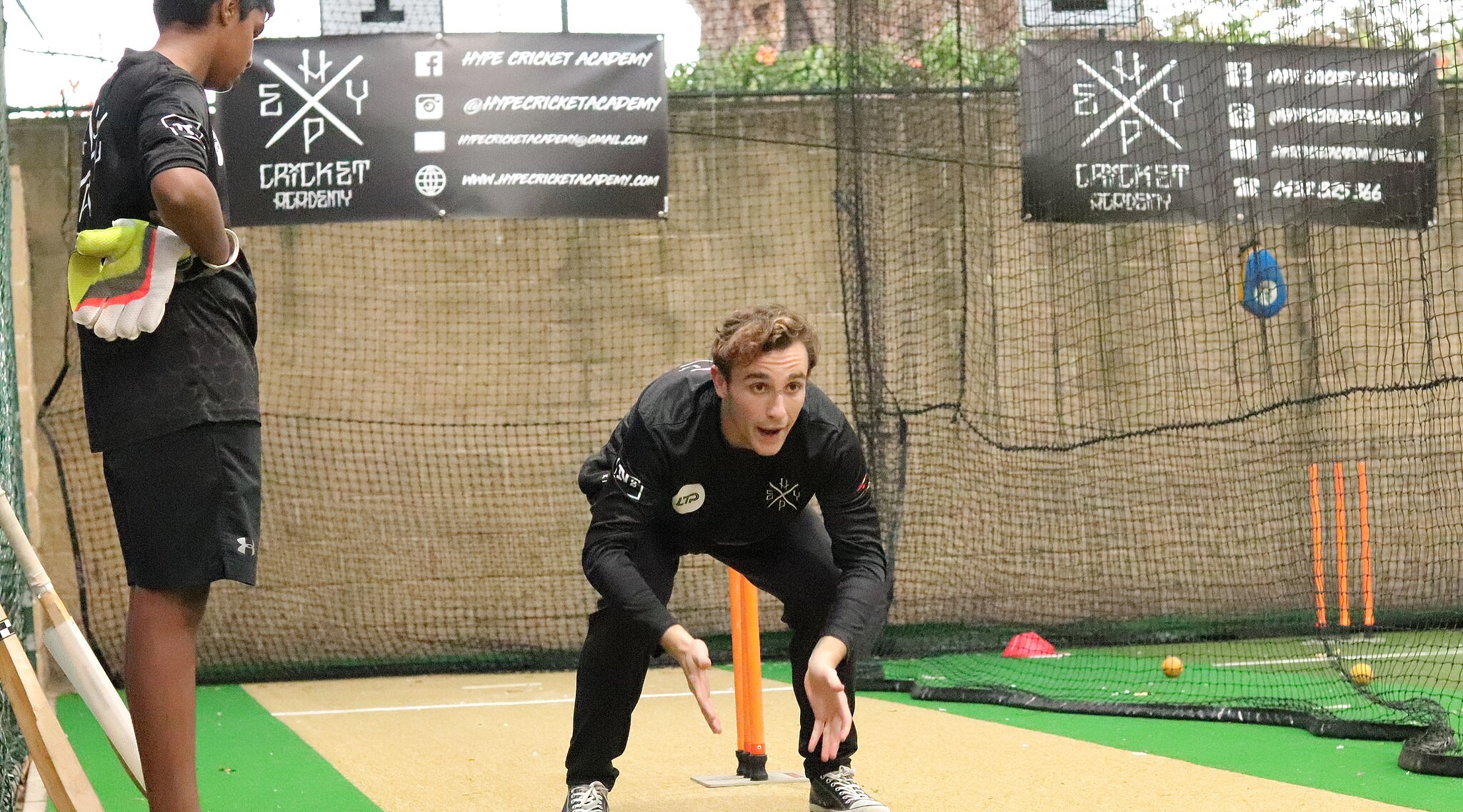
Cricket coaching has evolved dramatically in the last decade. Traditional approaches focused heavily on repetition, observation, and instinct. Today, coaching integrates advanced analytics, biomechanics, mental conditioning, and personalized instruction. These innovations reflect broader shifts in sports science and technology.
This article explores the most impactful cricket coaching trends reshaping training methodologies in 2025. Whether you are a professional coach, club manager, or cricket academy owner, understanding these trends is essential to stay competitive and develop talent effectively.
Data-Driven Coaching
Match and Training Analytics
Cricket coaching now relies heavily on real-time data to assess player performance. Modern tools track metrics like shot placement, ball trajectory, reaction times, and player workload. This information helps coaches adjust training programs and match strategies.
Key tools:
- Ball-tracking systems (e.g., Hawk-Eye)
- Video analysis software
- Wearable GPS trackers and accelerometers
Performance Dashboards
Coaches use dashboards to monitor progress over time. These platforms consolidate metrics into visual formats, allowing quick performance reviews for individual players and entire squads.
Benefits:
- Objective assessment of progress
- Early detection of technical issues
- Clearer communication with players
Individualized Training Programs
Personalized Skill Development
Modern coaching emphasizes tailored training. Each player receives drills and routines based on role, biomechanics, and game situation. For example, a left-arm seamer may work on wrist position and swing mechanics, while a middle-order batter focuses on handling spin.
Tools enabling this:
- AI-based coaching apps
- Motion capture technology
- Mobile-based feedback systems
Biomechanics and Technique Correction
Biomechanical analysis allows coaches to assess joint movement, body posture, and kinetic chains during bowling and batting. Corrections based on these insights reduce injury risk and enhance performance.
Benefits:
- Technical refinement
- Better injury prevention
- Evidence-based feedback
Mental Conditioning Integration
Sports Psychology Programs
Elite teams now integrate certified sports psychologists into their support staff. These professionals assist players with focus, decision-making, confidence, and emotional control during high-pressure moments.
Training includes:
- Visualization techniques
- Goal-setting strategies
- Pre-match mental routines
Mindfulness and Cognitive Drills
Mindfulness techniques such as meditation and breathing exercises are increasingly common. Cognitive drills improve reaction speed, visual tracking, and mental fatigue management.
Examples:
- Neuro-tracking devices
- Reaction light drills
- Memory-based gameplay simulations

Use of Artificial Intelligence
AI-Based Video Analysis
AI tools automatically tag videos for technical flaws, missed opportunities, and movement patterns. This allows rapid feedback without requiring coaches to sift through hours of footage.
Advantages:
- Time-efficient reviews
- Pattern recognition for tactics
- Benchmarks for comparisons
Predictive Performance Tools
AI can project player performance based on prior stats, opponent behavior, and game conditions. Coaches use this to decide team selections, batting orders, and bowling matchups.
Outcomes:
- Better match planning
- Tactical advantages
- Objective team building
Gamification in Training
Simulation-Based Learning
Simulators provide virtual match scenarios, allowing players to practice without field setup. These are especially useful for shot selection, running between wickets, and captaincy decisions.
Popular tools:
- Batting simulators with 3D projection
- Bowling simulators with speed adjustment
- Virtual reality (VR) environments
Skill-Based Challenges
Coaches now use points, badges, and performance tracking to keep players engaged. Short competitions within practice sessions promote accountability and motivation.
Applications:
- Fielding relay challenges
- Shot accuracy contests
- Time-bound bowling targets
Remote and Hybrid Coaching Models
Virtual Coaching Platforms
Online coaching became essential during the pandemic and continues to thrive. These platforms enable players to upload videos, receive feedback, and access skill libraries from anywhere.
Features:
- Asynchronous feedback
- Drill libraries categorized by skill level
- Group video sessions
App-Based Learning
Mobile coaching apps offer structured lessons, goal tracking, and AI analysis. Players can train individually while remaining connected to their coaches.
Advantages:
- Accessibility for rural players
- On-demand learning
- Consistent feedback loops
Emphasis on Holistic Development
Nutrition and Fitness Guidance
Cricket coaching no longer ends with nets and drills. Strength and conditioning coaches design plans that match the sport’s demands—power hitting, sprinting, throwing, and endurance. Nutritionists optimize hydration, recovery, and energy intake.
Plan elements:
- Resistance training
- Plyometrics
- Balanced meal plans
- Sleep optimization
Life Skills and Education Support
Many cricket academies now offer leadership development, communication skills, and education support. These programs help young players manage expectations and develop careers both within and outside cricket.
Examples:
- Career counseling sessions
- Public speaking workshops
- Financial literacy programs
Tactical and Strategic Awareness
In-Game Simulation Training
Modern coaches simulate high-pressure game scenarios during practice. This includes match-specific drills such as defending totals, chasing targets, and handling last-over bowling.
Common setups:
- Simulated 5-over finish with a required run rate
- Bowling to defensive fields in the death overs
- Batting under scoreboard pressure
Tactics Boards and Strategic Planning
Coaches use tactics boards, digital strategy planners, and heatmaps to prepare teams. Players are encouraged to analyze opposition footage and suggest counter-strategies.
Tools:
- Digital chalkboards
- Line-length heatmaps
- Opponent analysis sheets
Gender-Specific Coaching
Women’s Cricket Development
With the rapid growth of women’s cricket, coaching programs are now tailored to female athletes. This includes biomechanics, strength conditioning, and tournament-specific strategies.
Features:
- Female coaching mentors
- Fitness programs adapted for physiology
- Competitive pathways from youth to pro level
Equal Access to Resources
Progressive academies invest in equal facilities, schedules, and feedback mechanisms for male and female players. This boosts talent development and sport-wide growth.
Youth and Grassroots Focus
Entry-Level Skill Curriculum
Structured curriculums now guide young cricketers through progression paths. Drills, games, and assessments are designed for specific age brackets, focusing on fundamentals and enjoyment.
Components:
- Basic coordination and field drills
- Bat-grip and stance training
- Mini-games with simplified rules
School and Community Programs
Coaches increasingly work with local schools and communities to create access points. These programs focus on inclusivity, participation, and early talent identification.
Examples:
- Cricket festivals
- After-school coaching clubs
- Inter-school mini tournaments
Inclusivity and Accessibility
Disability Cricket Coaching
Modern coaching frameworks now include training for para-athletes. Coaches are certified in adaptive techniques, ensuring that players with physical or intellectual disabilities receive proper guidance.
Practice modifications:
- Adjusted pitch lengths
- Custom gear (e.g., sound balls for the blind)
- Rule adaptations for wheelchair formats
Regional Language Access
Coaching content is now translated into multiple Indian and international languages. This helps rural and semi-urban players understand instructions clearly and follow drills confidently.
Collaborative and Peer Learning
Coach Mentoring Programs
Senior coaches mentor emerging ones through knowledge-sharing sessions and co-coaching. This builds a sustainable ecosystem of experienced educators.
Activities:
- Joint practice sessions
- Review and feedback exchange
- Certification preparation support
Player-Led Strategy Rooms
Players are encouraged to take ownership of game plans. Coaches guide team meetings, but players participate actively in setting fields, choosing bowlers, and creating match tactics.
Benefits:
- Leadership development
- Better execution on the field
- Stronger team cohesion
Global Benchmarking and Knowledge Transfer
International Partnerships
Many academies now form ties with global cricket bodies or elite teams. Coaches visit overseas facilities, attend conferences, and integrate international practices.
Benefits:
- Access to world-class training protocols
- Exposure to different cricketing cultures
- Adoption of innovation in training
Digital Resource Libraries
Organizations create shared digital repositories with best practices, case studies, and training videos. These democratize access to coaching knowledge across regions and formats.
Content:
- Warm-up and cooldown routines
- Drill progression ladders
- Injury prevention guides
Environmental and Ethical Practices
Sustainable Infrastructure
Eco-friendly cricket academies are becoming the norm. They invest in solar panels, rainwater harvesting, and green turf maintenance to minimize environmental impact.
Sustainability steps:
- LED lighting for indoor nets
- Water recycling for grounds
- Biodegradable practice balls
Safe and Ethical Coaching Standards
Modern coaching policies enforce background checks, grievance mechanisms, and mental health protocols. Codes of conduct ensure professionalism and safety for players.
Conclusion
Cricket coaching has entered a transformative era driven by data, technology, and holistic development. Coaches who embrace these cricket coaching trends elevate not only player performance but also their own professional relevance. Whether working at the grassroots or international level, staying informed about emerging methods ensures that your coaching remains effective, inclusive, and future-ready.
Sources:
https://bbc.com/sport/cricket/61515995
https://espncricinfo.com/story/icc-launches-coaching-education-programme-1306938
https://icc-cricket.com/about/development/coaching
https://ncbi.nlm.nih.gov/pmc/articles/PMC7448216
https://sportstechx.com/blog/top-cricket-tech-companies-2024
https://bjsm.bmj.com/content/55/22/1265
https://ncsyouth.org.in/initiatives
https://kreedon.com/how-cricket-coaching-has-evolved-in-india
https://olympic.org/news/how-sports-technology-is-changing-athlete-training
About The Author


