
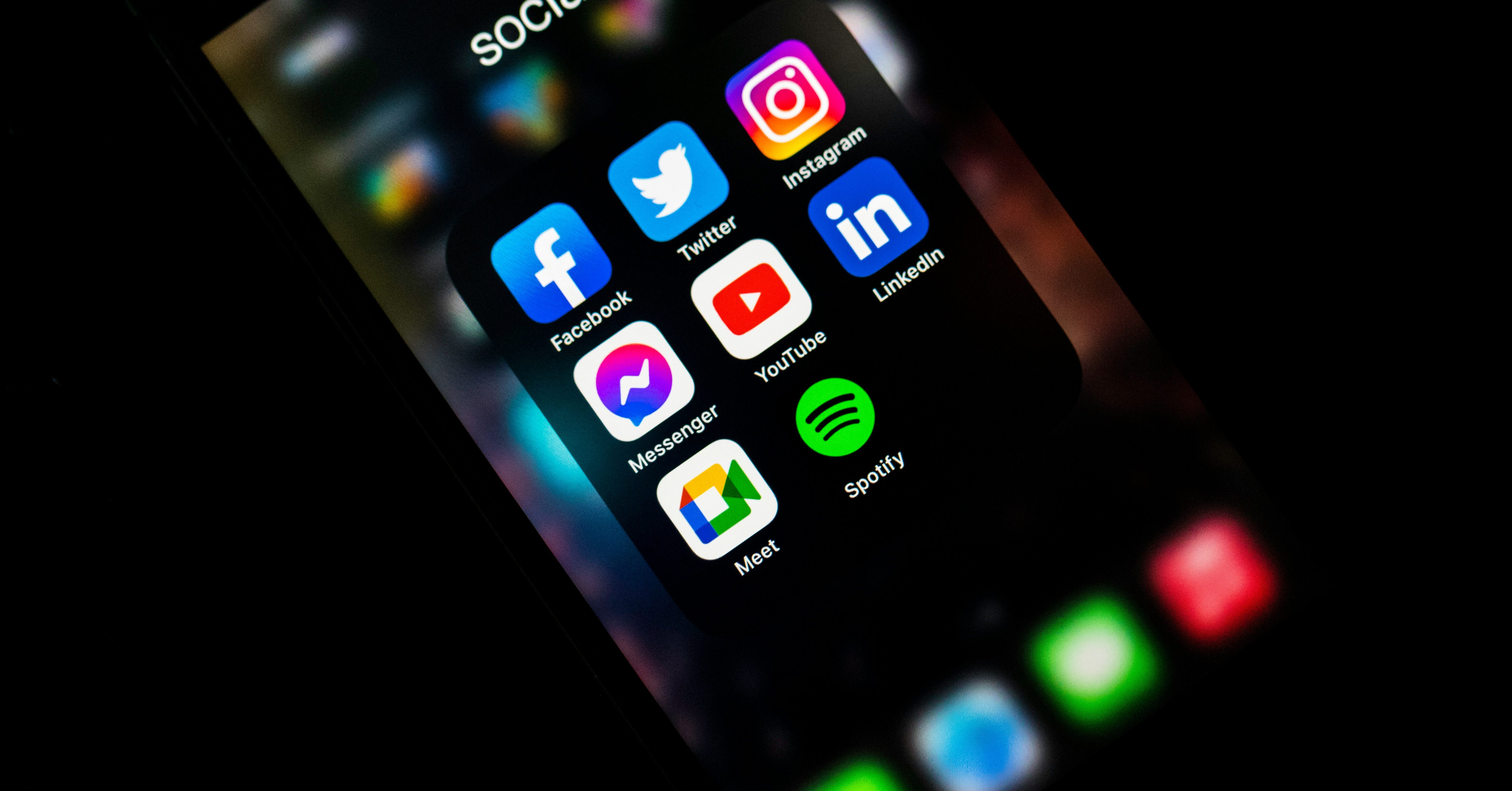
In an era where online influence often rivals institutional power, social media has evolved beyond a platform for entertainment and self-expression; it has become a tool for activism, community building, and social transformation. As we move further into 2025, the question is no longer if we can use social media for good, but how we can do so more effectively, ethically, and sustainably.
The Evolution of Social Media as a Force for Good
Social media’s trajectory from personal networking to political mobilization has been both rapid and profound. What began as a space for connection has become a key infrastructure for advocacy, disaster response, education, and fundraising. From the Arab Spring to #BlackLivesMatter, digital platforms have repeatedly shown their power to organize, amplify, and pressure.
In 2025, this power is even more pronounced. With over 5 billion social media users worldwide, platforms like TikTok, Instagram, X (formerly Twitter), and LinkedIn are influencing conversations around climate justice, racial equity, gender rights, mental health, and more. And with AI-generated content, real-time translation, and expanded video capabilities, the potential for impact has never been greater.
But harnessing this power responsibly requires strategy, empathy, and an understanding of what truly drives social good in a digitally saturated world.
1. Redefining Social Good in a Digital Context
Social good in 2025 encompasses more than charity or awareness campaigns; it’s about systemic impact, inclusive representation, and scalable solutions. Social media allows for:
- Decentralized leadership: Movements are now often started by individuals, not institutions.
- Crowdsourced innovation: Communities contribute to problem-solving.
- Cultural shifts: Hashtags and viral trends can rewrite norms overnight.
The key to using social media for good lies in intentionality. Whether you’re a nonprofit, content creator, educator, or brand, your digital presence must align with clear ethical goals beyond performance metrics.
2. Platforms Leading the Charge
Each platform lends itself to unique forms of social impact:
TikTok
Short-form video remains the most engaging content format. In 2025, TikTok has become a powerhouse for activism, particularly among Gen Z and Gen Alpha. Verified creators are using the platform to explain complex issues like voter suppression, climate policy, and reproductive rights in accessible ways. TikTok’s Creator Fund for Social Impact has even begun financing educational content.
With updates to Threads and enhanced carousel formats, Instagram continues to be a tool for visually driven advocacy. “Slides activism” has matured, giving way to more evidence-backed, design-conscious posts from credible creators.
X (Twitter)
Despite political turbulence, X remains a hub for real-time updates during protests, elections, and humanitarian crises. Tools like “Communities” and “Spaces” allow for grassroots organizing at scale.
LinkedIn has surprisingly become a home for social innovation, with professionals and thought leaders using the platform to build momentum around ESG (environmental, social, and governance) goals and ethical leadership.
YouTube
Long-form storytelling is thriving. Nonprofits and educators are producing documentary-style content that dives deep into nuanced topics, monetized sustainably through memberships and social partnerships.
3. Strategies for Driving Real-World Impact
A. Start With Storytelling
At the heart of every movement is a compelling narrative. Storytelling creates emotional connections and drives action. To be effective:
- Center marginalized voices.
- Avoid trauma porn—focus on agency and solutions.
- Mix personal stories with factual data.
Example: The Instagram account @so.informed blends infographics with quotes from on-the-ground organizers, creating bite-sized pieces of larger narratives.
B. Use Hashtags with Purpose

Hashtags remain vital for discoverability, but in 2025, algorithmic clutter means only the most intentional tags cut through.
Tips:
- Avoid trendjacking unless your message genuinely aligns.
- Create localized tags to engage specific communities.
- Research first—some hashtags may be co-opted or shadowbanned.
C. Collaborate Across Borders and Disciplines
Cross-sector partnerships between activists, technologists, artists, and researchers generate holistic solutions. In 2025, digital diplomacy is real.
Example: The #DigitalClimateStrike campaign unites climate scientists, indigenous activists, and UI/UX designers to co-create awareness experiences.
4. Avoiding Performative Activism
With every major crisis comes a wave of solidarity posts, often well-meaning, but sometimes hollow. Performative activism can do more harm than good, leading to public cynicism and misinformation.
Red flags of performative content:
- Lack of action-oriented follow-up.
- Reposting without context.
- Centering the poster over the issue.
Instead, prioritize consistent advocacy, not just visibility during viral moments.
5. Tools and Technologies That Amplify Impact
AI and Automation
While AI poses ethical challenges, it can also support social good. Tools like ChatGPT, Grammarly, and Canva AI assist in content creation, while analytics platforms help optimize timing and reach.
Be mindful: Automated content must still reflect human care and context.
Translation and Accessibility
Social good must be inclusive. Use tools like:
- Alt text for images
- Auto-captioning for video
- Multilingual posting for global engagement
Platforms like Meta and Google are pushing native accessibility features; leverage them.
Digital Fundraising Platforms
Sites like GoFundMe, Donorbox, and Patreon remain central, but new models are emerging:
- Direct tipping on TikTok/Instagram
- NFT-based donations for creative campaigns
- Web3 transparency tools for financial accountability
6. Spotlight: Grassroots Wins via Social Media

Here are a few examples of social good campaigns that went viral for the right reasons:
#PeriodPovertyAwareness (2024)
A coalition of student activists used TikTok and Reels to highlight the lack of access to menstrual products in public schools. Their viral videos led to legislation in six U.S. states requiring free period products in public restrooms.
The “Buy Back Black Debt” Movement
Started by Black finance creators, this initiative crowdfunded debt relief for Black women small business owners, raising $2 million in 10 months. The transparency of the campaign, paired with emotional testimonials, sparked wide participation.
#ArtistsForGaza
During a humanitarian crisis, digital artists across platforms organized an NFT sale whose proceeds were funneled into emergency aid organizations. This cross-platform, decentralized campaign demonstrated how digital art can serve activism directly.
7. Best Practices for Brands and Organizations
If you’re a company or organization seeking to align your digital presence with social impact, consider the following:
Lead with Values, Not Virality
Your social impact content should align with your core mission, not whatever trend is dominating the algorithm.
Feature Real Stories
Amplify the voices of your community. This builds trust and fosters loyalty.
Report Progress Publicly
Whether it’s carbon offsetting, DEI progress, or community giving, transparency breeds accountability. Use visual reports, story highlights, or TikTok explainers.
Invest in Ethical Influencers
Partner with creators who already do the work, not just those with reach. Their credibility will lend authenticity to your campaigns.
8. The Risks and Challenges Ahead

Using social media for good isn’t without its complexities:
Disinformation
Bad actors are weaponizing social platforms to sow confusion and distrust. Combating this requires constant vigilance, media literacy campaigns, and responsible content moderation.
Burnout
Activists and content creators alike face mental health risks. Setting boundaries, automating where possible, and engaging offline are critical.
Surveillance and Censorship
Authoritarian regimes continue to crack down on digital dissent. Encrypted apps, VPNs, and decentralized platforms like Mastodon and Bluesky are emerging alternatives.
9. What’s Next: Trends to Watch
As we look beyond 2025, a few emerging trends may redefine how we use social media for social good:
Decentralized Platforms
More users are moving away from centralized apps controlled by tech giants and toward federated systems like Mastodon or Nostr. These platforms offer greater autonomy but also pose discoverability challenges.
AI-Moderated Activism
AI will increasingly flag or suppress activist content, even if unintentionally. Understanding platform rules, adapting keywords, and using satire will be new resistance tools.
Immersive Activism
Expect more VR/AR experiences for empathy-building, such as walking through refugee camps virtually or attending a virtual climate summit.
Social Impact Verification
In response to performative posts, we may see verification for nonprofits, impact orgs, and creators similar to verified professionals, adding a layer of legitimacy.
10. Conclusion: From Content to Change
In 2025, social media is no longer a “bonus” channel for doing good; it’s a battleground for public trust, attention, and mobilization. But using it effectively demands more than good intentions. It requires strategy, honesty, innovation, and humility.
Every post is a chance to educate, every share is a ripple, and every platform holds the possibility for real change.
Let’s make sure we’re using these tools not just to speak, but to listen, connect, and act.
References
Pew Research Center. (2025). Social Media Use in 2025. https://www.pewresearch.org/internet/2025/social-media
TikTok for Good. (2025). Empowering Changemakers. https://www.tiktok.com/forgood
Meta Transparency Center. (2025). Digital Activism Insights. https://transparency.fb.com/
LinkedIn ESG Insights. (2025). How Professionals Are Driving Social Impact. https://www.linkedin.com/pulse/esg-social-impact-2025
Canva Impact Report. (2024). Designing for Change. https://www.canva.com/impact
Olivia Santoro is a writer and communications creative focused on media, digital culture, and social impact, particularly where communication intersects with society. She’s passionate about exploring how technology, storytelling, and social platforms shape public perception and drive meaningful change. Olivia also writes on sustainability in fashion, emerging trends in entertainment, and stories that reflect Gen Z voices in today’s fast-changing world.
Connect with her here:https://www.linkedin.com/in/olivia-santoro-1b1b02255/
About The Author


