
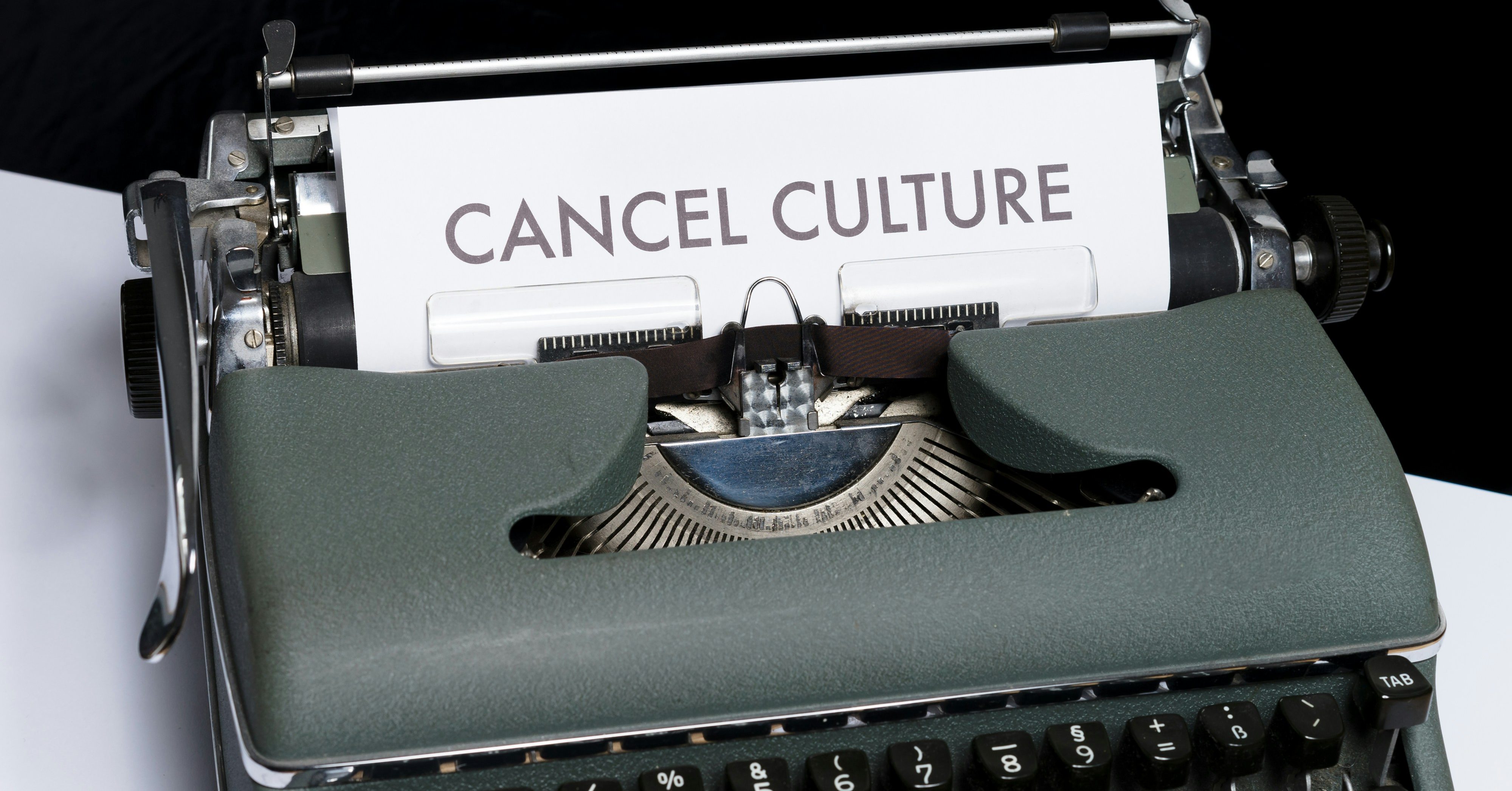
Introduction: Why Cancel Culture Demands Ethical Scrutiny
From viral hashtags to trending takedowns, cancel culture has become a powerful force shaping public discourse. But as it crosses borders, from Western democracies to authoritarian regimes, the practice raises important ethical questions. Who gets to decide what’s cancel-worthy? Is public accountability always just, or does it sometimes descend into digital mob rule?
This global phenomenon isn’t just about celebrities losing brand deals. It’s about power, justice, redemption, and how we hold individuals and institutions accountable in the digital age. To understand cancel culture’s ethical implications, we must look beyond viral tweets and explore its cultural, political, and philosophical underpinnings worldwide.
I. Defining Cancel Culture: Accountability or Public Shaming?
Cancel culture, broadly speaking, refers to the practice of collectively withdrawing support from public figures or entities deemed to have acted objectionably. This withdrawal can take many forms: calls for boycotts, social media shaming, career consequences, or exclusion from public platforms.
Supporters argue that cancel culture is a form of grassroots justice in a world where institutional accountability often fails. Critics counter that it’s performative outrage that sacrifices due process for digital spectacle.
Key ethical tension:
- When does cancellation serve justice, and when does it become punitive or silencing?
II. The Western Lens: Free Speech vs. Social Responsibility
In the United States, cancel culture debates often orbit the First Amendment. While freedom of speech protects individuals from government censorship, it doesn’t shield them from public backlash. Yet the ethical dilemma emerges when the backlash feels disproportionate or when people are canceled for opinions rather than harmful actions.
Case in Point:
Comedian Kevin Hart’s withdrawal from hosting the 2019 Oscars over old homophobic tweets reignited debates over whether people should be permanently punished for past mistakes, even after apologizing.
Ethical considerations include:
- Time: How long ago did the offense occur?
- Growth: Has the person shown signs of genuine change?
- Proportionality: Is the consequence fair relative to the offense?
In the U.K., the conversation is similar, with culture wars over “wokeism” and censorship erupting across media, politics, and academia. Free speech absolutists argue that cancel culture chills open debate. Others argue that protecting marginalized voices sometimes means holding influential ones accountable.
III. Cancel Culture in Authoritarian and Hybrid Regimes
In countries with less freedom of speech, cancel culture often serves different and more dangerous purposes. While Western cancel culture is largely decentralized and driven by public opinion, in authoritarian regimes, it can be state-sponsored or manipulated to serve political goals.
China: The Chinese government has weaponized cancel culture against celebrities and influencers who are seen as dissenting or morally corrupt. Actress Zhao Wei was “canceled” in 2021 when her name and work were scrubbed from major platforms with little explanation, part of a broader crackdown on celebrity culture and perceived immorality.
Russia: In Russia, cancel culture has been used to target artists and academics who oppose the regime. What appears as grassroots outrage is often orchestrated by state-affiliated media or troll farms.
Ethical question:
- Can cancel culture be considered ethical when it’s manipulated by authoritarian powers for political suppression?
IV. Social Media: The Global Courtroom

Social media platforms are the front lines of cancel culture. Tweets, TikToks, and Instagram stories create a borderless forum where users judge and sentence individuals in real-time. But the global reach of these platforms means that context often gets lost in translation.
Cultural misunderstanding fuels ethical complexity.
Take the case of American influencer Emma Chamberlain, who faced backlash in India for wearing traditional South Asian jewelry. Many Indian users saw it as cultural appropriation. Others argued that her tribute to the culture was misunderstood and weaponized by people outside the community.
Questions to consider:
- Who gets to decide what is offensive or respectful in a multicultural world?
- Does global connectivity demand more cultural literacy from influencers?
The court of public opinion, increasingly global, can produce justice—or distort it—depending on the information ecosystem that surrounds it.
V. Celebrity, Power, and Privilege: Who Gets Canceled?
Not everyone who canceled suffers the same fate. Many celebrities rebound stronger, while lesser-known individuals often face more lasting damage. This raises concerns about cancel culture’s selective enforcement.
Case in contrast:
- J.K. Rowling continues to publish and profit despite being boycotted for transphobic statements.
- Meanwhile, lesser-known professors, journalists, or employees have lost jobs over tweets or comments taken out of context.
Ethical critique:
Cancel culture tends to be harsher on those with less power. What begins as a call for accountability can devolve into a spectacle that targets the vulnerable more than the powerful.
VI. Redemption and Forgiveness: Is There a Path Back?
One of the most contested aspects of cancel culture is whether those who are canceled can return.
Public apologies are often met with skepticism, dismissed as PR damage control rather than signs of real growth. But without a framework for forgiveness, cancel culture can become punitive rather than transformative.
Examples of redemptive arcs:
- Monica Lewinsky, once publicly shamed, is now a respected anti-bullying advocate.
- Actor James Gunn was fired and later rehired by Disney after old tweets resurfaced, following public support and a demonstrated commitment to change.
Ethical Insight: True accountability must include space for growth, education, and reintegration. Without it, cancel culture risks creating pariahs instead of progress.
VII. Intersectionality and Identity Politics: Who Cancels Whom?
Identity often shapes who gets canceled and who does the canceling. Cancel culture has roots in marginalized communities using a collective voice to demand justice. Yet it can also turn inward, with activists canceling each other over ideological purity.
Nuanced example:
In feminist circles, debates around trans inclusion have led to public schisms, with “TERF” (trans-exclusionary radical feminist) accusations prompting fierce backlash and cancellation attempts.
Global implications:
In countries like Brazil, India, and South Africa, cancel culture intersects with ongoing struggles around race, caste, colonialism, and class, further complicating its ethics.
VIII. Journalism and the Ethics of Coverage

Media plays a double role: amplifying cancel culture and being its target. Sensationalist headlines and hot takes often drive traffic by stoking controversy. Meanwhile, journalists themselves can face cancellation over perceived bias or offensive commentary.
Case study:
The New York Times has faced internal disputes over op-ed choices, leading to resignations and online campaigns both defending and attacking editorial decisions.
Media ethics must confront:
- When coverage helps hold power accountable.
- When it merely inflames outrage for engagement.
Journalists must navigate the thin line between public interest and performative morality.
IX. Cancel Culture and Corporate Ethics
Brands are increasingly part of the conversation surrounding cancel culture. A company’s response to a scandal, whether firing an employee, severing partnerships, or staying silent, can signal its values or provoke further backlash.
Nike vs. Balenciaga:
- Nike received praise (and some boycotts) for supporting Colin Kaepernick.
- Balenciaga was “canceled” after a controversial ad campaign, raising debates about brand accountability and performative ethics.
Ethical considerations for companies:
- Are actions aligned with long-term values, or are they just crisis management?
- Do companies offer internal reforms or merely public apologies?
Brands can either exploit cancel culture for marketing or confront it with meaningful change.
X. Cancel Culture and the Youth: Gen Z’s Moral Compass

Gen Z plays a prominent role in shaping cancel culture, often driven by a strong sense of justice, inclusivity, and digital activism. While some see this as hypersensitive moral policing, others recognize it as a generational push for a more accountable world.
Why it matters:
Young people are redefining how morality is enforced through TikTok, call-outs, and collective boycotts. Their actions reflect a broader shift in how society understands justice, community, and consequence.
But ethical dilemmas remain:
- Can we expect teenagers to handle global-scale moral discourse responsibly?
- Are we equipping young users with the digital literacy and empathy they need?
Conclusion: A Framework for Ethical Cancel Culture
Cancel culture isn’t going away. But if we want it to serve justice rather than harm, we need better ethical guardrails.
What an ethical cancel culture could look like:
- Proportionality: Not all offenses warrant the same reaction.
- Context: Cultural, temporal, and situational factors must be taken into account.
- Accountability with Growth: Public figures must be held responsible, but also given space to change.
- Transparency: Who is organizing the cancellation, and why?
At its best, cancel culture is a powerful tool for democratized accountability, serving as a vehicle for marginalized voices to raise awareness about systemic injustices and demand change. When individuals or corporations are held accountable for their actions, it can lead to meaningful dialogue and reform. However, at its worst, it can be punitive, dehumanizing, and unjust, often resulting in knee-jerk reactions that overlook context and nuance.
Navigating its ethics requires global awareness of cultural dynamics, deep cultural humility to appreciate diverse perspectives, and a renewed commitment to prioritizing truth over trend, ensuring that the conversation remains constructive rather than destructive. Embracing these principles helps to foster understanding, allowing us to engage in complex discussions surrounding accountability without resorting to mob mentality.
References:
Pew Research Center. “How Americans See Cancel Culture and Free Speech.” May 19, 2022.
https://www.pewresearch.org/politics/2022/05/19/how-americans-see-cancel-culture-and-free-speech/
Davidson, Helen. “China Cracks Down on Celebrities in Morality Drive.” The Guardian, August 30, 2021.
https://www.theguardian.com/world/2021/aug/30/china-crackdown-celebrities-morality-drive
Romano, Aja. “Why We Can’t Stop Fighting About Cancel Culture.” Vox, August 25, 2020.
https://www.vox.com/culture/21346083/cancel-culture-free-speech-accountability-debate
Lewinsky, Monica. “Shame and Survival.” Vanity Fair, June 2014.
https://www.vanityfair.com/news/2014/06/monica-lewinsky-humiliation-culture
Martineau, Paris. “The Complicated Ethics of Corporate Cancel Culture.” Wired, February 6, 2023.
https://www.wired.com/story/the-complicated-ethics-of-corporate-cancel-culture/
Ducharme, Jamie. “Gen Z’s Weapon of Choice Is Digital Activism.” TIME, August 24, 2022.
https://time.com/6207430/gen-z-digital-activism/
Olivia Santoro is a writer and communications creative focused on media, digital culture, and social impact, particularly where communication intersects with society. She’s passionate about exploring how technology, storytelling, and social platforms shape public perception and drive meaningful change. Olivia also writes on sustainability in fashion, emerging trends in entertainment, and stories that reflect Gen Z voices in today’s fast-changing world.
Connect with her here: https://www.linkedin.com/in/olivia-santoro-1b1b02255/
About The Author


