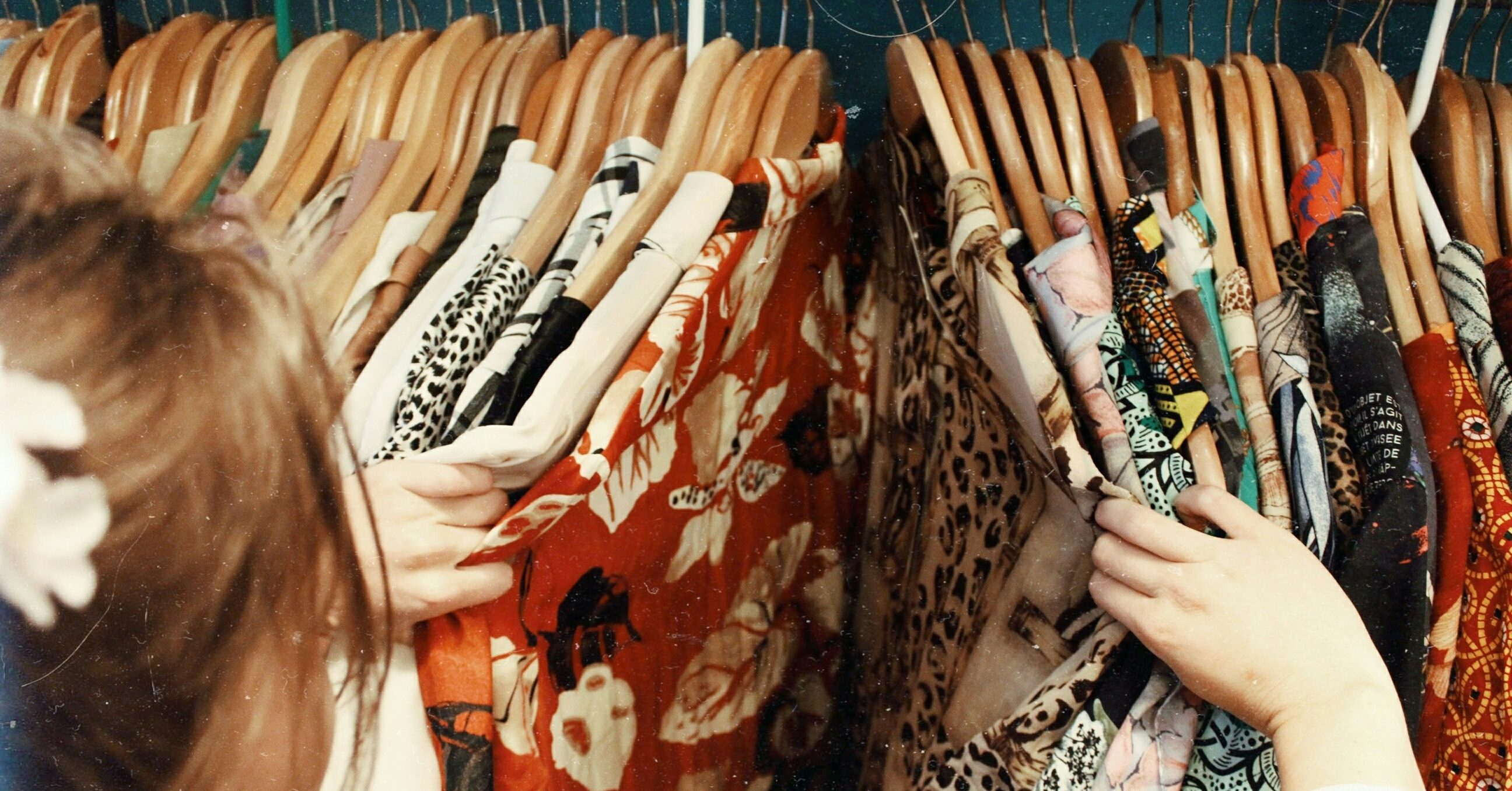
In the race toward a more sustainable fashion future, fabric choice is one of the most powerful decisions a brand or consumer can make. Not all textiles are created equal. Some require toxic dyes, massive water usage, or fossil fuels to produce. Others are derived from renewable sources, require minimal processing, and biodegrade naturally.
As conscious consumerism continues to rise, knowing which fabrics are truly eco-friendly is no longer optional; it’s essential. Whether you’re building a greener wardrobe or creating a sustainable clothing line, here are 15 fabrics that prioritize the planet without sacrificing quality or design.
1. Organic Cotton
Why It’s Eco-Friendly:
Unlike conventional cotton, organic cotton is grown without harmful pesticides or synthetic fertilizers. It uses less water and promotes healthier soil through crop rotation and composting.
Bonus: It’s soft, breathable, and hypoallergenic, making it a staple in eco-conscious fashion.
Watch Out For: Some organic cotton still uses significant water for irrigation. Look for GOTS or OEKO-TEX certified cotton to ensure ethical production standards.
2. Hemp
Why It’s Eco-Friendly:
Hemp grows rapidly, requires little water, and doesn’t need pesticides. It naturally enriches the soil and absorbs more CO₂ per acre than trees.
Sustainability Score: 10/10. Hemp is one of the most sustainable plants on Earth.
Fabric Feel: Initially coarse, but modern processes can soften it to feel like linen or cotton.

3. Linen (Flax)
Why It’s Eco-Friendly:
Derived from the flax plant, linen uses far less water and pesticides than cotton. Every part of the flax plant can be used, minimizing waste.
Perks: Linen is strong, breathable, and biodegradable.
Did You Know? Linen garments last longer than cotton and get softer with each wash.
4. TENCEL™ (Lyocell and Modal)
Why It’s Eco-Friendly:
TENCEL™ fibers, produced by Lenzing, are made from sustainably sourced wood (usually eucalyptus or beech) in a closed-loop process that recycles 99% of water and solvents.
Pros: Silky-smooth feel, moisture-wicking, and biodegradable.
Note: Always check the label—TENCEL™ is a trademarked version of Lyocell that meets high environmental standards.
5. Recycled Cotton
Why It’s Eco-Friendly:
Recycled cotton is made from post-industrial or post-consumer waste. It reduces landfill use, saves water, and bypasses the need for virgin cotton cultivation.
Sustainability Tip: Look for blends that maximize recycled content while preserving durability.
Challenges: Fibers may be shorter, so they’re often blended with other fabrics to maintain strength.
6. Piñatex® (Pineapple Leather)
Why It’s Eco-Friendly:
Made from pineapple leaf waste, Piñatex® offers a cruelty-free, low-impact alternative to leather. It uses existing agricultural waste, creating a new revenue stream for farmers.
Best For: Bags, shoes, and accessories.
Innovative Bonus: No additional land, water, or fertilizers are required to grow it.
7. Organic Wool

Why It’s Eco-Friendly:
Sourced from sheep raised on organic farms, this wool avoids harmful chemicals during farming and processing. It’s renewable, biodegradable, and incredibly insulating.
Look for: GOTS or RWS (Responsible Wool Standard) certifications.
Tip: Organic wool is naturally odor-resistant and doesn’t need frequent washing.
8. Recycled Wool
Why It’s Eco-Friendly:
This fiber repurposes old wool garments or scraps into new textiles. It conserves water, energy, and reduces textile waste significantly.
Sustainability Win: Extends the lifecycle of a durable natural fiber.
Feel: Warm, textured, and perfect for winter garments.
9. Cork Fabric
Why It’s Eco-Friendly:
Cork is harvested from the bark of cork oak trees, which regenerate naturally without being cut down. It’s renewable, biodegradable, and harvested by hand—a low-impact process.
Common Uses: Bags, shoes, wallets, and outerwear accents.
Cool Factor: Cork is naturally water-resistant and antimicrobial.
10. ECONYL® (Recycled Nylon)
Why It’s Eco-Friendly:
ECONYL® is made from ocean and landfill waste, including fishing nets, fabric scraps, and industrial plastic. The regeneration process produces nylon with the same performance as virgin nylon but with a lower environmental footprint.
Ideal For: Swimwear, activewear, outerwear.
Major Brands Using It: Stella McCartney, Adidas, Prada Re-Nylon.
11. Recycled Polyester (rPET)
Why It’s Eco-Friendly:
rPET gives a second life to plastic bottles and packaging waste. It cuts down on petroleum usage and reduces plastic pollution.
Be Cautious: While better than virgin polyester, rPET is still a synthetic fiber that can shed microplastics—use with care and wash in Guppyfriend bags when possible.

12. Bamboo (Processed Sustainably)
Why It’s Eco-Friendly:
Bamboo grows rapidly without pesticides or irrigation. When mechanically processed (not chemically), it becomes a highly sustainable fabric option.
Two Versions:
- Bamboo Linen: Mechanical, sustainable process.
- Bamboo Viscose/Rayon: Chemically intensive—less sustainable unless done in closed-loop systems.
Pro Tip: Look for bamboo labeled as “closed-loop” or certified by OEKO-TEX.
13. Cupro
Why It’s Eco-Friendly:
Cupro is a regenerated cellulose fiber made from cotton linter, waste from cotton production. It has a silky finish, is biodegradable, and is often produced in closed-loop systems.
Feel: Luxuriously smooth, like silk but vegan.
Look For: Certifications such as GRS (Global Recycled Standard) for assurance.
14. Algae-Based Fabric
Why It’s Eco-Friendly:
Still in its early stages, algae fabric is made using algae biomass and plant-based polymers. It’s biodegradable and can be composted after use.
Use Cases: Sportswear, biodegradable packaging, experimental fashion.
Why It Matters: Algae grow quickly and absorb CO₂, making it a carbon-negative resource.
15. Cactus Leather
Why It’s Eco-Friendly:
Made from organically grown Nopal cactus, this innovative leather alternative requires little water and no herbicides or pesticides. It’s biodegradable and cruelty-free.
Perfect For: Vegan leather products like handbags, jackets, and upholstery.
Sustainability Perks: The cactus plant can grow on arid land and regenerates naturally after harvest.
How to Identify Truly Sustainable Fabrics
Not every label that claims to be “eco” tells the whole story. Here’s how to shop smart:
- Check Certifications: GOTS, OEKO-TEX, Cradle to Cradle, Bluesign, FSC, RWS, and GRS are reliable sustainability standards.
- Research the Supply Chain: Transparency in production—from raw material to dyeing—is key.
- Prioritize Biodegradability: Natural fibers often break down faster than synthetics.
- Consider End-of-Life: What happens to your garment when it’s worn out? Can it be composted, recycled, or repurposed?
Why Sustainable Fabrics Matter
Fashion is the second-most polluting industry in the world. Fabric production alone accounts for a massive portion of water use, carbon emissions, and chemical pollution. Choosing sustainable textiles helps:
- Reduce landfill waste
- Conserve water and energy
- Protect ecosystems and biodiversity
- Promote ethical labor and farming practices
With more brands embracing eco-innovation, it’s becoming easier than ever to shop responsibly—and to hold companies accountable.
The Future of Sustainable Textiles
The next generation of fabrics may come from mushrooms (mycelium leather), orange peels, or even spider silk proteins made in labs. As science and fashion converge, the goal is clear: close the loop, minimize harm, and innovate for good.
Still, innovation should not distract from the tried-and-true: natural, renewable, and responsibly sourced fabrics remain the gold standard, consciously.
Conclusion
Being a conscious consumer in 2025 means looking beyond trends and logos. It means asking questions about how our clothes are made, what they’re made from, and who makes them.
Choosing eco-friendly fabrics is one of the simplest yet most powerful ways to reduce your fashion footprint. Whether you’re swapping polyester for hemp or investing in TENCEL™, every sustainable choice counts.
Because when we dress with purpose, we wear our values on our sleeves, literally.
References
Global Organic Textile Standard (GOTS) – https://global-standard.org/
OEKO-TEX Certification – https://www.oeko-tex.com/en/
Textile Exchange: Preferred Fiber & Materials Market Report – https://textileexchange.org/
Lenzing TENCEL™ – https://www.tencel.com/
ECONYL® Regenerated Nylon – https://www.econyl.com/
Desserto® Cactus Leather – https://desserto.com.mx/
Piñatex® by Ananas Anam – https://www.ananas-anam.com/
Fashion Revolution – https://www.fashionrevolution.org/
Center for the Advancement of Sustainable Materials – https://www.materialinnovation.org/
The Ellen MacArthur Foundation: Circular Fashion – https://ellenmacarthurfoundation.org/
Olivia Santoro is a writer and communications creative focused on media, digital culture, and social impact, particularly where communication intersects with society. She’s passionate about exploring how technology, storytelling, and social platforms shape public perception and drive meaningful change. Olivia also writes on sustainability in fashion, emerging trends in entertainment, and stories that reflect Gen Z voices in today’s fast-changing world.
Connect with her here: https://www.linkedin.com/in/olivia-santoro-1b1b02255/
About The Author