
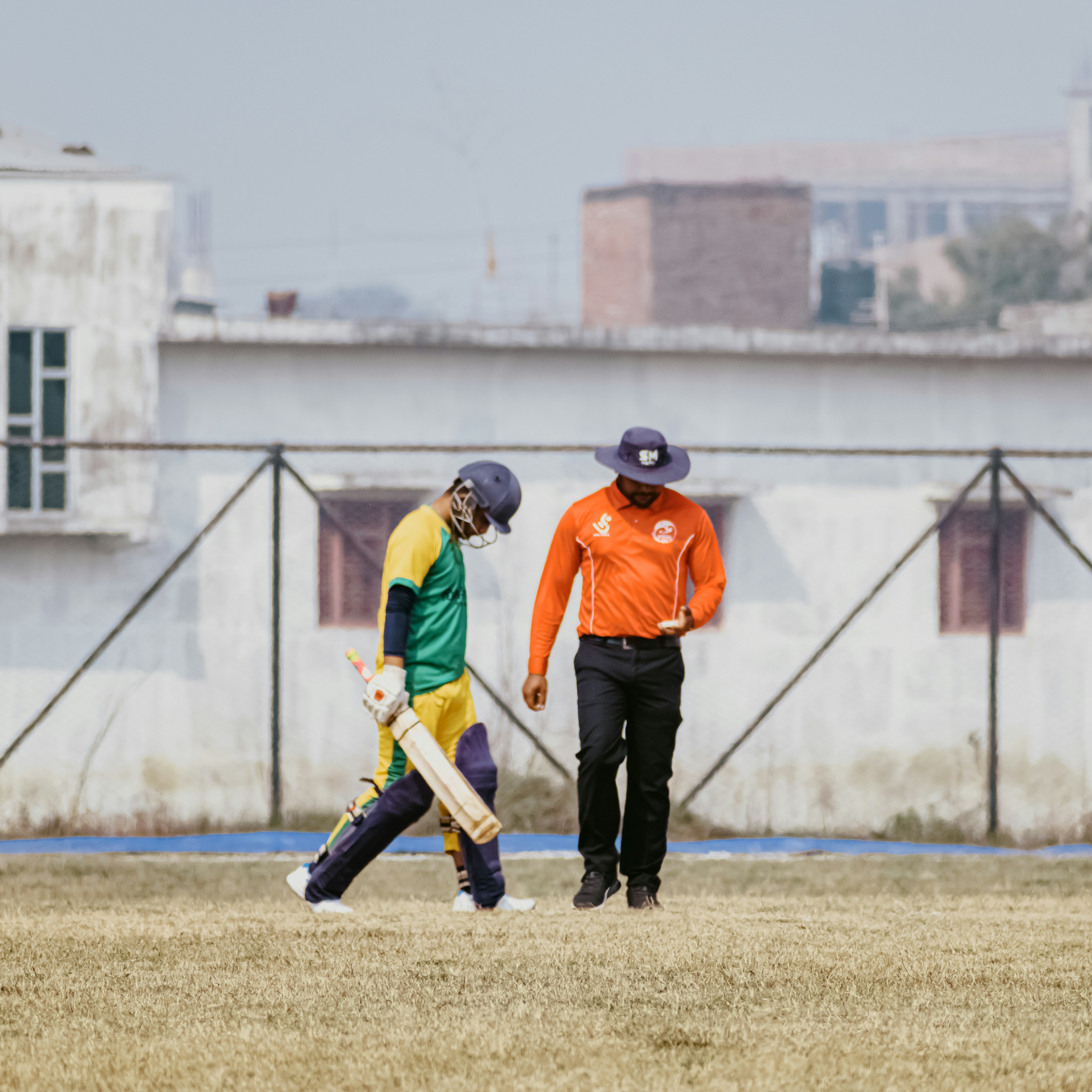
Cricket is often described as a game of the mind as much as a game of skill. At the highest levels, mental strength separates good players from great ones. Elite cricketers regularly face high-pressure scenarios—whether it’s batting in a tense run chase, bowling at the death, or leading the side after back-to-back losses. This is where cricket mental conditioning becomes crucial.
Mental conditioning is the process of training the brain to handle the psychological demands of elite competition. It improves focus, builds resilience, regulates emotions, and boosts confidence. For elite cricketers, it ensures sustained performance across formats, continents, and seasons.
This article explores science-backed mental conditioning techniques, how they’re applied by top teams, and why every professional setup must invest in dedicated mental training programs.
The Psychological Demands of Modern Cricket
Cricket has evolved into a year-round, multi-format sport. Players often switch between Tests, ODIs, T20s, and franchise leagues with minimal recovery. Each format imposes different mental demands:
- Test cricket requires patience, emotional endurance, and focus over long periods.
- ODIs demand adaptability and quick decision-making.
- T20s test aggression control, clutch performance, and short-format risk assessment.
Injury rehabilitation, travel fatigue, media scrutiny, and competition for spots add further mental load. Without proper mental conditioning, even the most talented players can underperform or burn out.
Core Principles of Cricket Mental Conditioning
Mental conditioning revolves around several psychological principles tailored for cricket performance:
- Self-awareness: Understanding emotional triggers, stress responses, and personal strengths.
- Emotional regulation: Managing pressure, anxiety, and frustration during gameplay.
- Focus control: Sustaining attention across long spells or switching focus between deliveries.
- Confidence building: Reinforcing belief in one’s skills through routines and visualization.
- Resilience: Bouncing back from failure or poor performance.
These principles form the foundation of mental training interventions at the elite level.
Role of Sports Psychologists in Cricket
Professional cricket teams now employ full-time sports psychologists who design personalized mental training programs. These specialists work closely with coaches, trainers, and medical staff to align mental conditioning with technical preparation.
Their responsibilities include:
- Conducting psychological assessments
- Identifying performance barriers
- Teaching coping strategies for stress and setbacks
- Supporting players during injury lay-offs
- Facilitating group workshops for team dynamics and leadership development
By integrating into the daily workflow, sports psychologists ensure mental training is not treated as a separate entity but a core part of cricket development.
Visualization Techniques for Match Preparation
Visualization, also known as mental imagery, is a staple of cricket mental conditioning. Players mentally rehearse scenarios—such as playing a cover drive or bowling a yorker in the final over—before they occur on the field.
Steps involved:
- Sensory detail: Players imagine the feel of the bat, the sound of ball on willow, and the pitch condition.
- Perspective: Visualization may be from a first-person point of view or external observation.
- Emotion mapping: Rehearsing how to stay calm or positive in pressure situations.
Regular visualization sharpens reflexes, reduces nervousness, and improves muscle memory. Many cricketers report that mentally ‘playing’ an innings or spell before the match enhances actual performance.
Goal Setting and Performance Routines
Clear, structured goals give players direction and motivation. In cricket, goal setting happens across levels:
- Macro goals: Season objectives, such as scoring 1000 runs or maintaining an economy rate under six.
- Micro goals: Daily targets during practice, such as hitting 50 balls into specific zones.
- Process goals: Focusing on execution rather than outcome, like sticking to a pre-delivery routine.
Mental conditioning coaches also emphasize the importance of routines—consistent behaviors before and during performance that anchor the mind.
Examples include:
- Shadow batting before every delivery
- Deep breaths before stepping into the bowling run-up
- Fixed pre-match warm-ups to build readiness
Such routines create psychological stability in high-pressure settings.
Breathing and Relaxation Techniques
Anxious thoughts and muscle tension can hinder performance. Controlled breathing is an effective tool to reset the nervous system and restore composure.
Common techniques:
- Box breathing: Inhaling, holding, exhaling, and holding again—all for four counts each.
- Progressive muscle relaxation: Sequentially tensing and releasing muscle groups to reduce physical stress.
- Mindful breathing: Focusing solely on breath movement to anchor attention.
These techniques are taught during training sessions and reinforced before and during matches. They help players control adrenaline spikes, maintain rhythm, and avoid choking under pressure.
Mindfulness and Meditation Practices
Mindfulness in cricket refers to the ability to stay present and fully engaged with each ball. Meditation improves this skill by training the brain to ignore distractions and reduce overthinking.
Daily practice benefits include:
- Greater emotional control during hostile crowd environments
- Enhanced concentration during long innings or fielding spells
- Improved sleep and recovery due to reduced mental clutter
Top teams allocate time in their schedules for guided meditation, using apps, trained facilitators, or peer-led sessions.
Developing Mental Toughness
Mental toughness is not innate—it is cultivated through exposure to stress and feedback loops. In cricket, this involves simulating pressure conditions in training.
Coaches create controlled adversity:
- Batters may face bowlers with match targets under artificial pressure.
- Fielders might practice high-stakes catch drills with crowd noise played in the background.
- Bowlers simulate defending six runs in the last over of a match.
Players are later debriefed on how they handled pressure, what thoughts emerged, and what strategies worked. This iterative learning builds resilience over time.

Handling Failure and Slumps
Even the best cricketers experience form slumps, dropped catches, or selection setbacks. Mental conditioning teaches players to decouple self-worth from performance outcomes.
Key tools:
- Cognitive reframing: Changing how one interprets setbacks. A failure is seen as feedback, not identity.
- Journaling: Players record feelings, what went well, and lessons learned. It externalizes mental clutter.
- Gratitude practices: Focusing on positives builds emotional balance even during low phases.
Mental conditioning enables faster recovery from poor form and ensures long-term mental health.
Team Communication and Leadership Psychology
Strong teams require more than individual skill—they need psychological alignment. Mental conditioning specialists facilitate workshops on:
- Active listening among teammates
- Giving and receiving feedback constructively
- Emotional intelligence for captains and vice-captains
Team communication becomes especially important during leadership transitions, intense tours, or post-loss recovery.
Youth Development and Age-Group Training
Mental training is not just for international stars. Age-group players benefit tremendously from early exposure to cricket mental conditioning.
Youth programs focus on:
- Building self-confidence during competitive selection
- Teaching emotional regulation for on-field composure
- Introducing pre-performance routines and journaling
Starting early reduces stigma around mental support and prepares players for elite demands ahead.
Mental Conditioning During Injury Rehabilitation
Injuries are common in cricket—especially for fast bowlers, wicketkeepers, and all-rounders. Physical rehab is often paired with psychological recovery.
Mental conditioning during injury includes:
- Setting recovery milestones and visualizing progress
- Dealing with frustration, isolation, or fear of re-injury
- Rehearsing match situations mentally while unable to play
Cricketers who undergo parallel mental training during recovery often return with greater clarity and motivation.
Cultural and Regional Differences in Mental Training
Not all mental conditioning is universal. Players from different countries respond to different coaching styles, emotional expressions, and leadership structures.
For instance:
- Australian teams may favor open confrontation and competitiveness.
- South Asian teams often prioritize harmony and respect in communication.
- West Indies players might perform better under expressive, high-energy encouragement.
Mental conditioning experts must adapt techniques to fit the cultural psychology of the group while maintaining evidence-based methods.
Technology in Mental Training
Digital tools now aid mental conditioning in cricket. Popular integrations include:
- Wearable devices that track heart-rate variability and stress responses during training
- Apps that deliver guided meditation, breathing exercises, and sleep tracking
- Biofeedback machines that measure concentration and emotional shifts during gameplay
These technologies offer real-time data and allow cricketers to quantify mental progress alongside technical metrics.
Case Studies from Elite Cricket Teams
- India: The BCCI employs mental conditioning specialists across national and domestic teams. Players undergo psychometric tests and receive individual sessions to handle media and performance pressure.
- Australia: Cricket Australia introduced mindfulness training as early as 2014. They run resilience workshops and leadership labs as part of player development.
- England: The ECB’s “Mindset Management” program includes scenario-based simulations, sleep coaching, and emotional agility training.
These case studies demonstrate that mental conditioning is now a standard element of elite preparation.
Conclusion
Cricket mental conditioning is no longer an optional support service—it is central to sustaining elite performance. As the game becomes faster, more competitive, and globalized, players must adapt not only physically but also psychologically. Through structured routines, mindfulness, visualization, emotional regulation, and resilience training, cricketers can manage pressure, recover from setbacks, and unlock their full potential.
Teams that invest in mental conditioning don’t just gain better performers—they build leaders, team harmony, and long-term success.
Sources:
About The Author


