
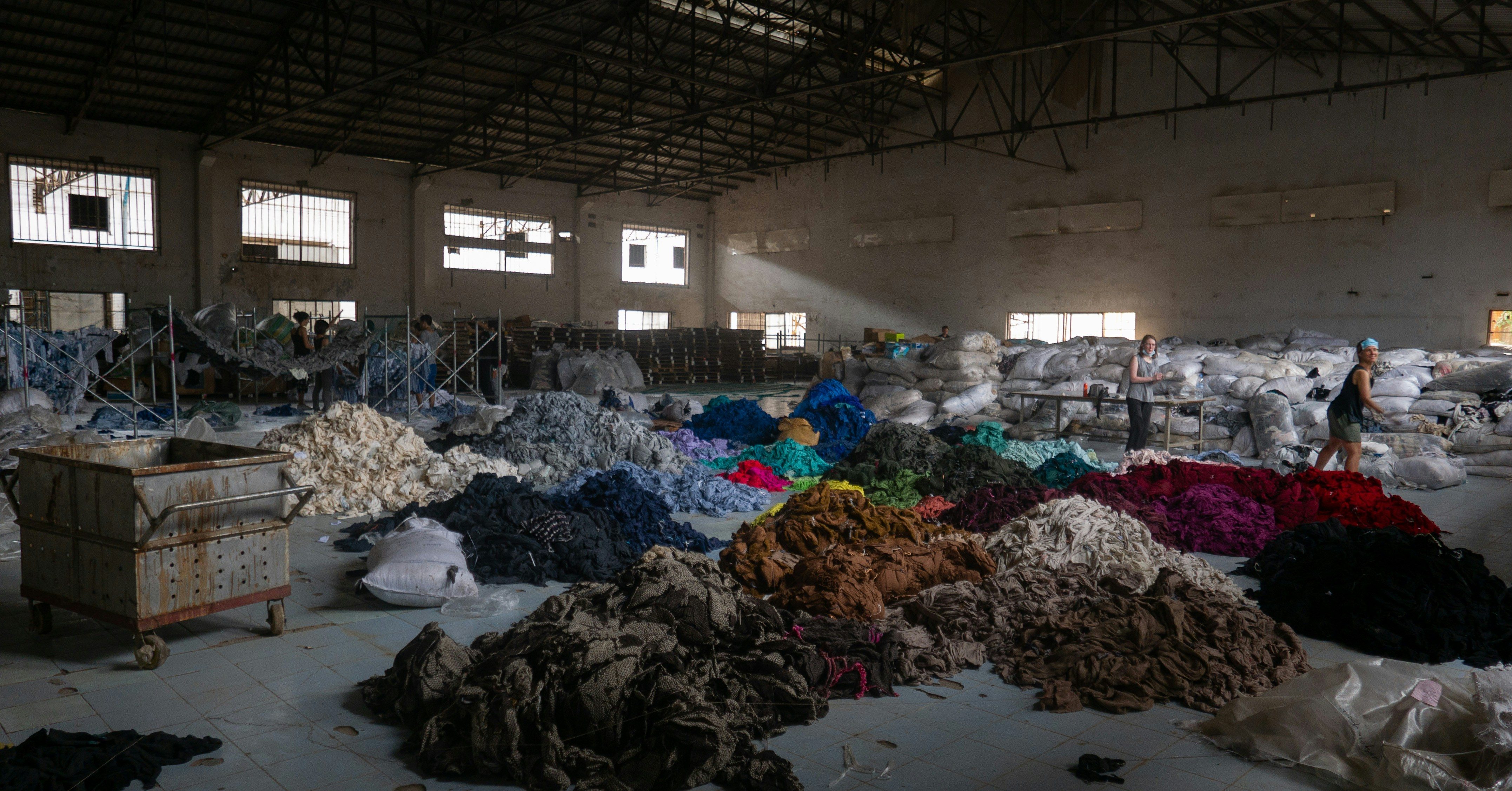
The fashion industry produces 92 million tons of waste each year, according to the World Bank. But a growing number of brands are pushing back, proving that fashion doesn’t have to harm the planet.
Sustainable fashion is no longer niche. It’s a global movement powered by innovation, circular design, and ethical production. From luxury labels to budget-friendly basics, these ten brands are redefining what it means to be both stylish and responsible.
Whether you’re rebuilding your wardrobe or trying to lower your carbon footprint, these are the names you should know.
1. Patagonia (United States):
Patagonia leads the industry with a radical approach to transparency, repairability, and activism.
The outdoor gear company doesn’t just sell clothes—it funds environmental causes, repairs old products, and encourages customers to buy less. In 2022, Patagonia’s founder transferred 100% of the company’s ownership to a trust that reinvests profits into climate action.
Key Impact:
- 98% of its line uses recycled materials
- Offers lifetime repairs and resale through “Worn Wear”
- Donated over $100 million to grassroots environmental groups
Why It Matters: Patagonia shows you can grow a billion-dollar business without compromising on sustainability.

Source: https://www.patagonia.com/our-footprint/
2. Stella McCartney (United Kingdom):
Stella McCartney built a high-fashion label without leather, feathers, or fur—and never looked back.
Since launching in 2001, the brand has pushed boundaries in luxury fashion, using materials like mushroom leather (Mylo) and regenerative cotton. McCartney was also the first to partner with Google Cloud to measure environmental impacts across the supply chain.
Key Impact:
- Uses 100% recycled nylon and polyester
- Developed cruelty-free alternatives to animal-based textiles
- Advocates for sustainable policy in fashion legislation
Why It Matters: The brand proves sustainability and high fashion are not mutually exclusive.
Source: https://www.stellamccartney.com/us/en/sustainability
3. Eileen Fisher (United States):
Eileen Fisher is built on slow fashion and circular systems, long before it was trending.
Known for minimalist designs and longevity, this label has operated a take-back and resale program since 2009. Its “Renew” and “Waste No More” initiatives turn used garments into new collections or artful textiles.
Key Impact:
- Over 1.7 million garments resold or repurposed
- 85% of the collection is made with sustainable fibers
- Certified B Corporation
Why It Matters: The brand’s reuse model creates a blueprint for other companies to follow.
Source: https://www.eileenfisher.com/renew/
4. Veja (France/Brazil):

Veja created the world’s first mainstream sustainable sneaker, with style and ethics at the core.
Unlike traditional footwear brands, Veja refuses to advertise, instead investing in fair wages, organic cotton farms, and wild rubber sourced from the Amazon.
Key Impact:
- Produces 100% of shoes with transparent sourcing
- Pays 30–50% above the market price for fair trade cotton
- Reduced CO₂ emissions by 36% per shoe since 2018
Why It Matters: Veja’s sneakers prove eco-friendly design can still be fashion-forward.
Source: https://project.veja-store.com/en/
5. Reformation (United States):
Reformation turns sustainable manufacturing into a millennial and Gen Z fashion statement.
Based in Los Angeles, the brand combines data-backed sustainability with on-trend silhouettes. Its “RefScale” tool tracks environmental impact on each product page, helping shoppers make informed choices.
Key Impact:
- 100% of packaging is compostable or recyclable
- 75% of materials are from renewable or recycled sources
- Carbon-neutral since 2015
Why It Matters: The brand makes climate-conscious fashion accessible and aspirational.
Source: https://www.thereformation.com/pages/sustainability
6. Pangaia (United Kingdom):
Pangaia merges material science with fashion to create garments made from seaweed, flowers, and food waste.
This tech-driven brand invests in biomaterials that drastically reduce water and carbon use. Its signature “FLWRDWN” puffer jackets replace goose feathers with biodegradable botanicals.
Key Impact:
- Developed PPRMINT™ (anti-odor treatment made from peppermint oil)
- Utilizes carbon-negative dyeing and recycled fibers
- Supports reforestation through every purchase
Why It Matters: Pangaia shows how science can drive the next generation of sustainable fashion.
Source: https://pangaia.com/pages/positive-earth-impact
7. People Tree (United Kingdom):
A pioneer in fair trade fashion, People Tree champions ethical production from farm to factory.
Certified by both GOTS and the World Fair Trade Organization, the brand works with artisan producers across India and Bangladesh. Every collection supports community-based economic growth.
Key Impact:
- Fair Trade Certified since 2001
- 100% organic cotton in all basics
- Transparent supplier relationships
Why It Matters: People Tree bridges the gap between ethical labor and sustainable design.
Source: https://www.peopletree.co.uk/our-ethics
8. Nisolo (United States/Peru):
Nisolo centers both human rights and carbon accountability in its operations.
The certified B Corp publishes an annual Sustainability Report and offsets 100% of emissions through verified programs. It’s the “Shoe Reclamation” program that recycles old footwear, even if you didn’t buy it from them.
Key Impact:
- Pays 100% living wages to producers
- Tracks emissions at every supply chain stage
- Offers carbon-free shipping
Why It Matters: Nisolo integrates sustainability into everyday operations, not just marketing.
Source: https://www.nisolo.com/pages/sustainability
9. Mara Hoffman (United States):
Mara Hoffman reimagines luxury through the lens of climate justice and cultural respect.
The brand pivoted toward sustainability in 2015, ditching synthetics and embracing low-impact materials. Hoffman also advocates for extended producer responsibility (EPR) laws to hold brands accountable for post-consumer waste.
Key Impact:
- 100% of swimwear is made with recycled nylon
- Collaborates with artisans and Indigenous textile makers
- Promotes fashion equity and regenerative farming
Why It Matters: Hoffman’s work challenges systemic issues within the luxury sector.
Source: https://www.marahoffman.com/pages/responsibility
10. Asket (Sweden):
Asket runs on radical transparency and timeless design—no trends, no seasons, no overproduction.
Each garment includes a full cost breakdown and traceability report, down to the raw material level. Its Permanent Collection avoids trend-driven overconsumption by offering essentials that last.
Key Impact:
- Tracks the CO₂ footprint of every item
- Zero inventory waste model
- Publishes full lifecycle data for each product
Why It Matters: Asket proves that less can be more when transparency drives the mission.

Source: https://www.asket.com/traceability/
Why These Brands Matter Now
The global fashion industry accounts for up to 10% of greenhouse gas emissions, more than aviation and shipping combined. Without serious changes, emissions could rise by 50% by 2030, according to the Ellen MacArthur Foundation.
These ten brands are not the only ones making strides, but they represent diverse, scalable models, ranging from grassroots artisans who prioritize local craftsmanship to billion-dollar corporations that leverage their vast resources for positive impact. By integrating sustainable practices into their operations, they challenge the status quo, reduce environmental harm, and thereby encourage consumers to reconsider their purchasing choices.
Their innovative approaches not only empower communities but also inspire other businesses to adopt similar ethical standards. Each of these brands showcases the potential for meaningful change when a commitment to social and environmental responsibility is at the forefront of their mission.
How to Support Sustainable Fashion in Your Daily Life

It’s not just about where you shop, it’s about how you consume. Here’s what you can do:
- Buy Less, Choose Well: Focus on quality over quantity.
- Shop Secondhand: Platforms like Depop, ThredUp, and Poshmark extend garment life.
- Ask Questions: Does a brand share who made your clothes? What materials were used?
- Avoid Fast Fashion: Trends are fleeting, but environmental harm can last generations.
- Use What You Have: Repair, rewear, and repurpose before replacing.
Sustainable fashion is not just a product; it’s a mindset that encompasses a holistic approach to how we consume and produce clothing. It challenges us to consider the environmental and social impacts of our choices, encouraging a shift towards ethical manufacturing practices and eco-friendly materials.
Embracing sustainable fashion empowers consumers to make informed decisions that align with their values, promoting a culture of mindfulness in style and consumption.
Conclusion:
You don’t need to overhaul your entire wardrobe overnight. Start small. Choose brands that align with your values. Ask hard questions about where your money goes. When enough consumers demand change, the industry follows.
Fashion will always evolve. The real question is whether it can do so without costing the planet. These ten brands prove that yes, it can, by innovating with sustainable materials, embracing ethical manufacturing processes, and promoting a circular economy to minimize waste.
They demonstrate that style and environmental responsibility can coexist harmoniously, encouraging consumers to make conscious choices in their wardrobe selections and inspiring the entire industry to move toward a greener future while still celebrating creativity and individuality.
References:
World Bank – The Cost of Fashion’s Unsustainable Trend
https://www.worldbank.org/en/news/feature/2019/09/23/costs-of-fashions-unsustainable-trend
Statista – Fashion Industry Carbon Emissions Forecast
https://www.statista.com/statistics/1266782/fashion-industry-carbon-emissions-worldwide/
About the Author:
Olivia Santoro is a writer and communications creative focused on media, digital culture, and social impact, particularly where communication intersects with society. She’s passionate about exploring how technology, storytelling, and social platforms shape public perception and drive meaningful change. Olivia also writes on sustainability in fashion, emerging trends in entertainment, and stories that reflect Gen Z voices in today’s fast-changing world.
Connect with her here: https://www.linkedin.com/in/olivia-santoro-1b1b02255/
About The Author


