
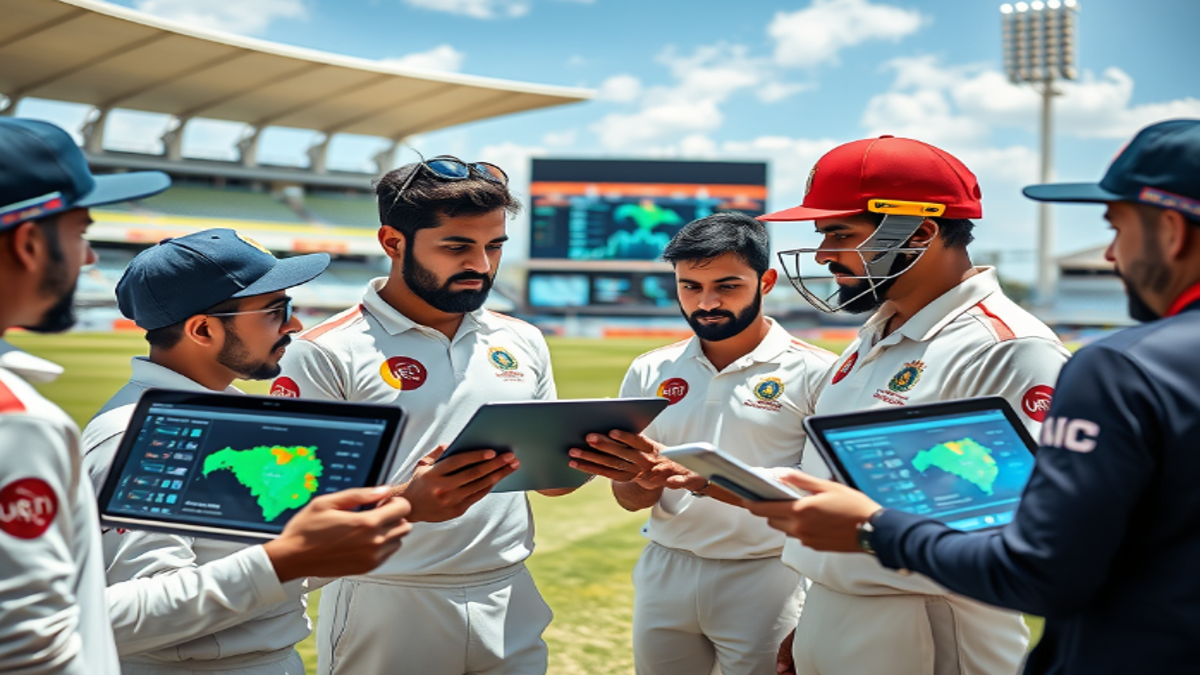
Cricket has undergone a profound transformation in the last decade. No longer just a game of skill, instinct, and tradition, it now operates in the realm of algorithms, predictive modeling, and data-led decisions. In 2025, cricket data analytics is not a luxury—it is a core part of how teams prepare, compete, and succeed. From talent scouting to tactical execution, data now plays a pivotal role in shaping every dimension of the sport.
This article explores how cricket data analytics is redefining modern strategies, influencing team compositions, improving player performance, and enhancing fan engagement. Backed by facts and current trends, the discussion highlights the strategic power of numbers in the gentleman’s game.
1. The Evolution of Data Analytics in Cricket
The use of data in cricket began with basic scorecards and statistical averages. However, the landscape changed significantly with the introduction of video analysis and performance tracking in the early 2000s. Fast forward to 2025, and the integration of AI, machine learning, and real-time analytics has enabled teams to gain granular insights previously deemed impossible.
Today’s analytics go beyond averages and strike rates. They delve into:
- Ball-by-ball situational performance
- Heatmaps of bowling and batting zones
- Shot selection under different conditions
- Match simulations and win probability modeling
This shift has been driven by high-speed data capture tools, wearable tech, and advanced software systems that synthesize large volumes of information quickly and accurately.
2. Strategic Team Selection and Match Preparation
Cricket data analytics has significantly impacted how teams prepare for matches and tournaments. Coaches and analysts use historical data to build comprehensive opponent dossiers. These files include player weaknesses, preferred shot zones, and likely bowling patterns under different pitch conditions.
Strategic benefits include:
- Optimal team selection based on pitch and weather forecasts
- Simulated match scenarios to predict outcomes
- Rotational policies driven by player workload data
By identifying trends and using predictive analytics, teams can field the right combination of players tailored for specific opposition and venues.
3. Batting Strategy: Beyond Technique

In modern cricket, batting strategy extends far beyond technical form and traditional training. With the advent of cricket data analytics, batting has become a precision-driven skill built on evidence-based decision-making. Coaches, analysts, and batters now depend on advanced metrics to fine-tune game plans and develop a deeper understanding of their performances across formats.
Using tools like pitch maps, scoring matrices, and pressure-handling indicators, analysts break down a batter’s performance under various match conditions. These metrics help identify scoring patterns, strike rotation efficiency, and vulnerability against specific bowling types.
Key applications of cricket data analytics in batting include:
- Understanding scoring efficiency against pace, spin, and swing bowlers
- Identifying gaps in fielding formations using heatmaps and scoring charts
- Tracking performance in powerplays, middle overs, and death overs
- Evaluating consistency under high-pressure or chase scenarios
These data points allow teams to assign clear roles to players—like anchors, finishers, or power hitters—based on their strengths rather than assumptions. For instance, if analytics show a batter has a high strike rate but low average against left-arm spin, match-ups can be tailored accordingly or targeted training provided.
Additionally, video-assisted analysis synced with real-time stats enables batters to visualize mistakes and correct them in training. This targeted preparation is especially useful in high-stakes leagues and international fixtures where every delivery can shift the game’s momentum.
As the sport continues to evolve, cricket data analytics ensures that batting strategies remain adaptive, calculated, and highly personalized.
4. Bowling Tactics and Variations
Cricket data analytics offers detailed insight into a bowler’s performance, including ball trajectory, speed variation, release angle, and success zones. This level of detail allows bowlers to perfect specific deliveries tailored to opposition weaknesses.
Benefits of analytics for bowlers:
- Tailoring length and line based on batter profiles
- Tracking effectiveness of slower balls or bouncers in death overs
- Identifying fatigue indicators through biometric monitoring
Franchises and national teams use software to simulate matchups, helping bowlers understand the impact of minor tactical changes. Over time, these insights have improved consistency and increased wicket-taking opportunities.
5. Field Placement and Real-Time Adjustments
Gone are the days of generic fielding positions. Cricket data analytics now powers dynamic field placements based on live match conditions. Fielding setups are adapted in real time using pattern recognition software and past performance records.
Examples include:
- Custom slip cordons based on swing and bounce predictions
- Boundary riders placed according to shot frequency zones
- Infield setups that force mis-hits or slower singles
These refinements offer marginal gains, but in a tightly contested match, such margins can be the difference between winning and losing.
6. Injury Prevention and Workload Management
Cricket is physically demanding, and player injuries can derail entire seasons. Data analytics now plays a critical role in injury prevention. Through wearable devices and biomechanical monitoring, support staff can assess risk levels and plan workloads efficiently.
Analytics applications in health:
- Monitoring run-ups, bowling loads, and recovery periods
- Analyzing movement patterns to detect early injury signs
- Setting personalized training volumes
Player health is now treated as a performance metric. Teams that balance on-field output with off-field recovery have greater consistency across long-format series.
7. Talent Scouting and Development
Emerging players today are not just scouted on the basis of runs or wickets. Cricket data analytics helps identify young talent by assessing performance metrics under diverse conditions. Tools like Hawkeye and PitchVision are now part of academy setups worldwide.
Scouting insights include:
- Performance under pressure across formats
- Technical flaws detectable via motion capture
- Fitness parameters like sprint speed and reaction time
This data-driven scouting improves accuracy in predicting long-term success and allows selectors to make informed investment decisions.
8. Fan Engagement Through Analytics
Fans are no longer passive viewers. They demand data-rich content and real-time insights. Cricket data analytics powers interactive scorecards, fantasy leagues, and predictive engines that keep fans immersed during matches.
Platforms now offer:
- Real-time player performance dashboards
- Win probability models that update each ball
- Fantasy tips and strategy simulations
This level of interaction boosts engagement and also increases platform monetization through subscriptions and advertisements.
9. Franchise Cricket and the Analytics Arms Race
In leagues like the IPL, BBL, and The Hundred, data analytics is a competitive weapon. Franchises invest heavily in analytics teams, software tools, and simulation platforms to gain an edge.
Trends in franchise cricket:
- Pre-auction strategy simulations
- Data-based role definitions for players
- Opponent-specific practice sessions
These strategies are often led by former players turned analysts and supported by dedicated tech professionals. Teams that successfully blend experience with analytics outperform their peers consistently.
10. Ethical Considerations and Data Integrity
With increased reliance on analytics comes the responsibility to maintain data integrity and ensure ethical usage. Issues include:
- Data privacy of player biometric information
- Misuse of performance data during contract negotiations
- Over-dependence on numbers at the expense of instinct
Cricket boards and governing bodies must define frameworks to regulate the use of analytics tools, especially in youth programs and commercial leagues.
Conclusion
Cricket data analytics has become a vital element of the modern game. Whether it’s selecting a team, planning a chase, or understanding fan behavior, data empowers decisions at every level. In 2025, cricket is no longer just a sport—it is a science. Teams that harness this science with discipline, ethics, and innovation are set to dominate both the field and the marketplace.
As analytics continue to evolve, the sport will witness smarter gameplay, healthier players, and deeper fan relationships. The future of cricket belongs to those who can read the numbers—and act on them wisely.
Sources
https://www.icc-cricket.com
https://www.statista.com
https://data.gov.in
https://www.espncricinfo.com
https://www.pitchvision.com
About The Author


