
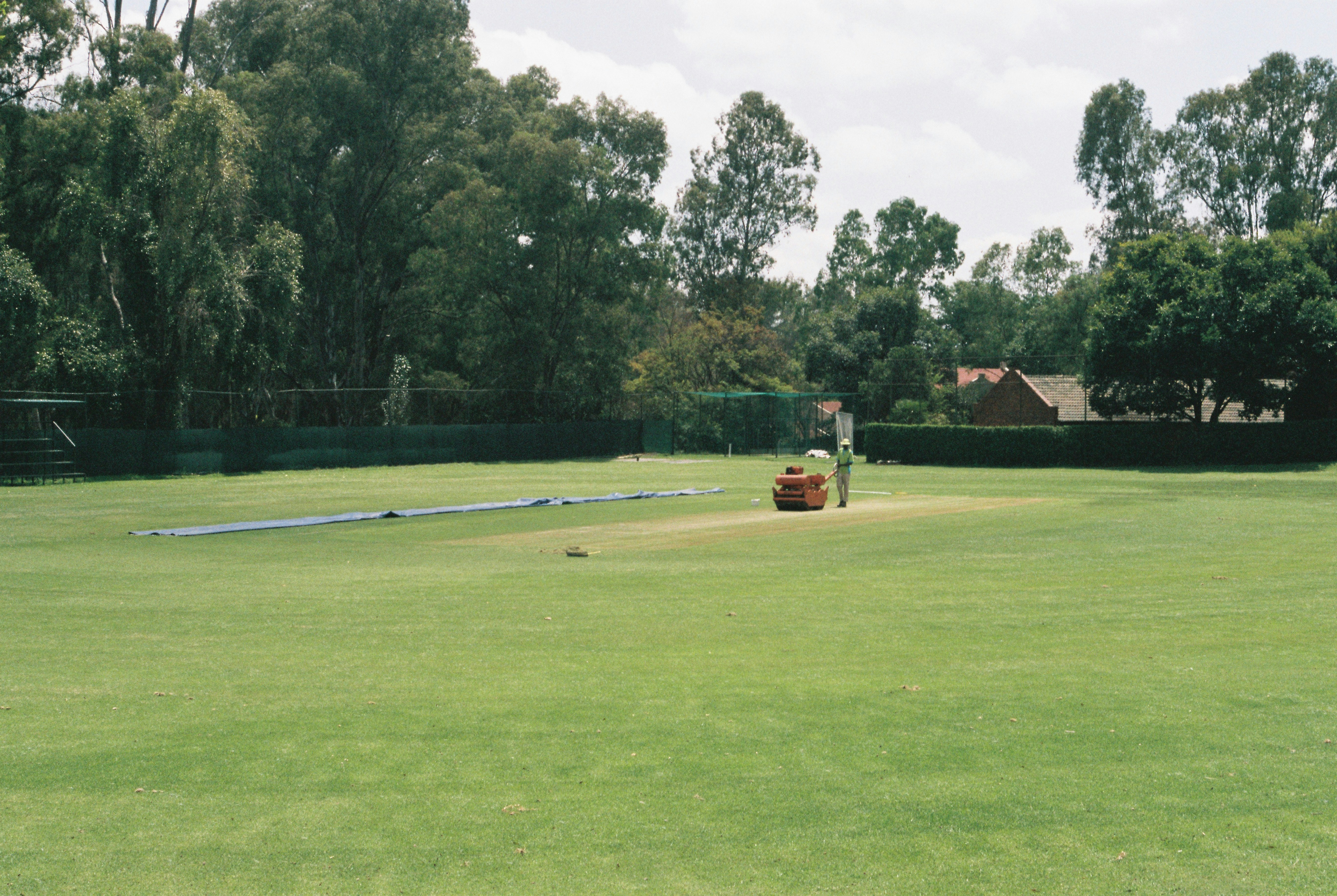
In cricket, matches are often won and lost not just on batting or bowling skills but on the nature of the surface itself. Cricket pitch preparation plays a pivotal role in how a game unfolds. A dry, cracked surface can favor spinners, while a green-top may tilt the game toward fast bowlers. In 2025, with international cricket witnessing more matches, expanded formats, and advanced expectations, preparing the ideal pitch has become both an art and a science.
This article explores the techniques, challenges, and innovations involved in pitch curation. From soil selection to environmental impact, it covers everything needed to understand how pitches influence the modern game.
1. The Importance of Cricket Pitch Preparation
The pitch is the most important 22 yards in any cricket stadium. Its condition affects bounce, spin, pace, and even batting strategy. Well-prepared pitches ensure fair competition, reduce injuries, and allow teams to showcase their full potential.
Reasons Why Pitch Preparation Matters:
- It sets the tone for the type of match expected—high-scoring or low-scoring.
- Impacts team selection strategies (e.g., picking more pacers vs. spinners).
- Ensures safety of players with consistent bounce and turn.
- Balances the contest between bat and ball.
- Adheres to ICC standards for international matches.
2. Types of Cricket Pitches and Their Characteristics
Understanding pitch behavior begins with recognizing the different types of pitches, each requiring distinct preparation methods.
Clay-Based Pitches
- Found in most parts of India and the subcontinent.
- Support spin as matches progress.
- Tend to crack under dry conditions.
Grass-Heavy (Green Top) Pitches
- Common in England, New Zealand, and South Africa.
- Offer seam and swing due to moisture and grass cover.
- Help fast bowlers early in the game.
Drop-In Pitches
- Used in multi-purpose stadiums in Australia and the UAE.
- Pitches are prepared off-site and dropped into the ground.
- Allow flexibility but require precision in preparation.
Synthetic and Artificial Pitches
- Used in training or amateur leagues.
- Low maintenance but lack natural variability.
- Not allowed for official international matches.
3. Soil Science Behind Pitch Curation
Soil is the foundation of any cricket pitch. The right composition helps in maintaining bounce, moisture retention, and crack resistance.
Key Soil Composition Requirements:
- Clay content: 55–70% for holding firmness and bounce.
- Silt: 5–10% to provide softness and absorb moisture.
- Sand: 20–35% to support drainage and prevent compaction.
Pitch curators perform regular soil testing to monitor:
- pH levels (optimal is between 6.5–7.5).
- Nutrient content like nitrogen and potassium.
- Moisture retention capacity.
Without proper soil care, the pitch can degrade quickly, impacting match quality.
4. Grass Management and Mowing Techniques
Grass coverage is critical, especially in pace-friendly wickets. Managing its height, health, and distribution is a continuous process.
Mowing Guidelines for Pitch Preparation:
- Height of cut typically ranges from 3mm to 6mm.
- Lower cuts used for batting tracks to reduce friction.
- Rolling post-mowing to compact the surface and increase bounce.
Curators use specialized turf management equipment to mow with precision. Light rolling is done early in preparation, with heavier rolling done closer to match day.
5. Watering and Moisture Control
Moisture is the lifeblood of pitch behavior. Overwatering can make it sluggish, while under-watering causes excessive cracking.
Steps in Moisture Control:
- Watering stops 4–5 days before the match.
- Surface is allowed to dry under sunlight to harden.
- Moisture probes are used to test subsurface hydration.
- Sprinkler systems provide even watering early in the cycle.
Balance is key. Too much moisture affects ball bounce, while too little causes unpredictable spin and deterioration.
6. Rolling: The Critical Compression Phase
Rolling compacts the surface, eliminates air gaps, and adds durability. The frequency and weight of rollers vary depending on pitch type and expected behavior.
Types of Rollers:
- Light rollers (500 kg) for initial settling.
- Medium rollers (1000 kg) for intermediate days.
- Heavy rollers (up to 2500 kg) for final compression.
Rolling sessions are usually done:
- Once or twice a day during preparation.
- For up to 30 minutes each session.
- Always in straight lines to avoid uneven compression.
Modern pitch preparation uses roller-mounted sensors to track soil compaction metrics and ensure consistency.

7. Environmental Factors Affecting Pitch Behavior
Cricket pitch preparation cannot ignore natural conditions. Curators factor in weather forecasts, sunlight hours, and wind direction to decide preparation schedules.
Environmental Influences:
- Sunlight: Accelerates drying and hardening.
- Humidity: Slows down pitch dehydration.
- Wind: Can unevenly dry one side of the pitch.
- Rain: Demands re-rolling and may delay curation.
Modern grounds have retractable covers and drainage systems to combat unpredictable weather.
8. Innovations in Pitch Preparation (2025)
Technological progress has modernized cricket pitch preparation significantly in 2025.
Cutting-Edge Innovations:
- Soil mapping: Uses digital sensors to track moisture, hardness, and compaction.
- Thermal cameras: Monitor surface temperature for grass and moisture regulation.
- Drones: Assist with top view inspection and light spraying.
- AI-assisted planning: Software models predict pitch behavior based on environmental inputs.
Stadiums like the Narendra Modi Stadium and Adelaide Oval have adopted these technologies to enhance pitch quality and consistency.
9. Match-Day and Post-Match Pitch Management
Pitch care does not stop once the match begins. Curators and ground staff play an active role before, during, and after play.
Match-Day Preparation Checklist:
- Early morning light rolling.
- Removal of dew using ropes or blowers.
- Final brushing of grass and checking of cracks.
- Regular updates to match officials on pitch status.
Post-match care includes:
- Reseeding worn patches.
- Moisture restoration and grass recovery.
- Soil aeration to improve long-term pitch health.
10. Sustainability in Pitch Curation
With growing environmental concerns, pitch curators are adopting greener practices.
Sustainable Pitch Preparation Methods:
- Recycled water usage for irrigation.
- Solar-powered equipment for mowing and rolling.
- Organic fertilizers instead of chemical-based ones.
- Reduced water footprint through advanced moisture retention techniques.
These steps help stadiums meet ESG (Environmental, Social, and Governance) goals while maintaining international standards.
11. Challenges Faced by Pitch Curators
Pitch preparation comes with its share of difficulties. Balancing various stakeholder expectations is never easy.
Common Challenges:
- Unpredictable weather disrupting plans.
- Pressure from broadcasters and teams for “result-oriented” pitches.
- Limited preparation time between consecutive matches.
- Budget limitations in smaller stadiums.
To overcome these, training programs for curators now include data literacy, machinery handling, and turf science.
12. Global Case Studies of Successful Pitch Preparation
India: Chepauk Stadium, Chennai
Famous for producing spin-friendly pitches, Chepauk follows a clay-rich preparation cycle with minimal grass and specific rolling patterns.
Australia: The Gabba, Brisbane
Known for pace and bounce, The Gabba maintains high grass density and uses heavy rolling under moderate humidity conditions.
England: Lord’s, London
Uses layered soil with hybrid grass for consistent seam movement. Manages pitch moisture meticulously with underground heating.
These examples show that successful cricket pitch preparation is deeply contextual and requires localized strategies.
13. Role of ICC and Domestic Boards
The ICC provides guidelines for pitch preparation and grading based on match quality and balance. Domestic cricket boards are responsible for implementation and curator training.
ICC Pitch Evaluation Criteria:
- Balance between bat and ball.
- Surface consistency.
- Player safety and bounce predictability.
- Absence of excessive seam or spin unless naturally occurring.
In 2025, digital pitch reports are standardized for all ICC matches and shared publicly for transparency.
14. The Future of Cricket Pitch Preparation
With climate change, indoor stadiums, and year-round cricket calendars, pitch curation is headed for another evolution.
Expected Developments:
- AI-generated pitch simulations before matches.
- Bioengineered grass that adjusts to weather.
- Smart drainage systems to manage water recycling.
- Standardized pitch preparation metrics across countries.
Curators will soon collaborate with data scientists, agronomists, and environmental engineers to redefine pitch standards.
Conclusion
Cricket pitch preparation is far more than a groundstaff routine. It is a high-stakes blend of agronomy, environmental science, and match strategy. A perfectly prepared pitch offers a fair contest, showcases skills, and respects the traditions of the game. In 2025 and beyond, pitch preparation is becoming more data-driven, sustainable, and transparent. Whether you are a player, fan, or curator, understanding the depth of this process adds a new layer of appreciation for the sport.
Sources
- International Cricket Council – https://www.icc-cricket.com
- Cricket Australia – https://www.cricketaustralia.com.au
- England and Wales Cricket Board – https://www.ecb.co.uk
- ESPN Cricinfo – https://www.espncricinfo.com
- Sportstar – https://sportstar.thehindu.com
- World Bank Climate Data – https://climateknowledgeportal.worldbank.org
- India Meteorological Department – https://mausam.imd.gov.in
- PitchVision Blog – https://www.pitchvision.com/blog
About The Author


