Imagine scrolling through your news feed and seeing headlines about the end of the world, triggered by the death of a global spiritual leader. On April 21, 2025, Pope Francis, the beloved head of the Catholic Church, passed away at 88, and a 900-year-old prophecy has resurfaced, igniting debates about doomsday. Known as the Prophecy of the Popes, this text claims the next pope could herald the end of days. But is this prophecy a genuine warning or a historical relic amplified by modern fears? Let’s dive into the facts, controversies, and what this means for you and the world.
This 2000-word exploration covers Pope Francis’s legacy, the prophecy’s origins, its controversies, public reactions, and the Catholic Church’s future. We’ll provide clear insights, supported by data and expert perspectives, to help you navigate this complex topic.
Pope Francis: A Legacy of Compassion
Pope Francis, born Jorge Mario Bergoglio in Argentina, became the 266th pope on March 13, 2013. As the first Latin American and non-European pope in over a millennium, he brought a unique perspective to the Vatican. His papacy focused on humility, social justice, and reform.
- Key Achievements:
- Advocated for the poor, climate action, and interfaith dialogue.
- Pushed for Vatican transparency, addressing financial scandals.
- Emphasized inclusivity, reaching out to marginalized communities.
- Health Challenges:
- Suffered from chronic lung disease and double pneumonia in 2025.
- Hospitalized for over a month but remained active until his final days.
- Final Moments:
- On April 20, 2025, met U.S. Vice President JD Vance in Vatican City.
- On Easter Sunday, April 20, celebrated Mass in St. Peter’s Square, greeting a young girl.
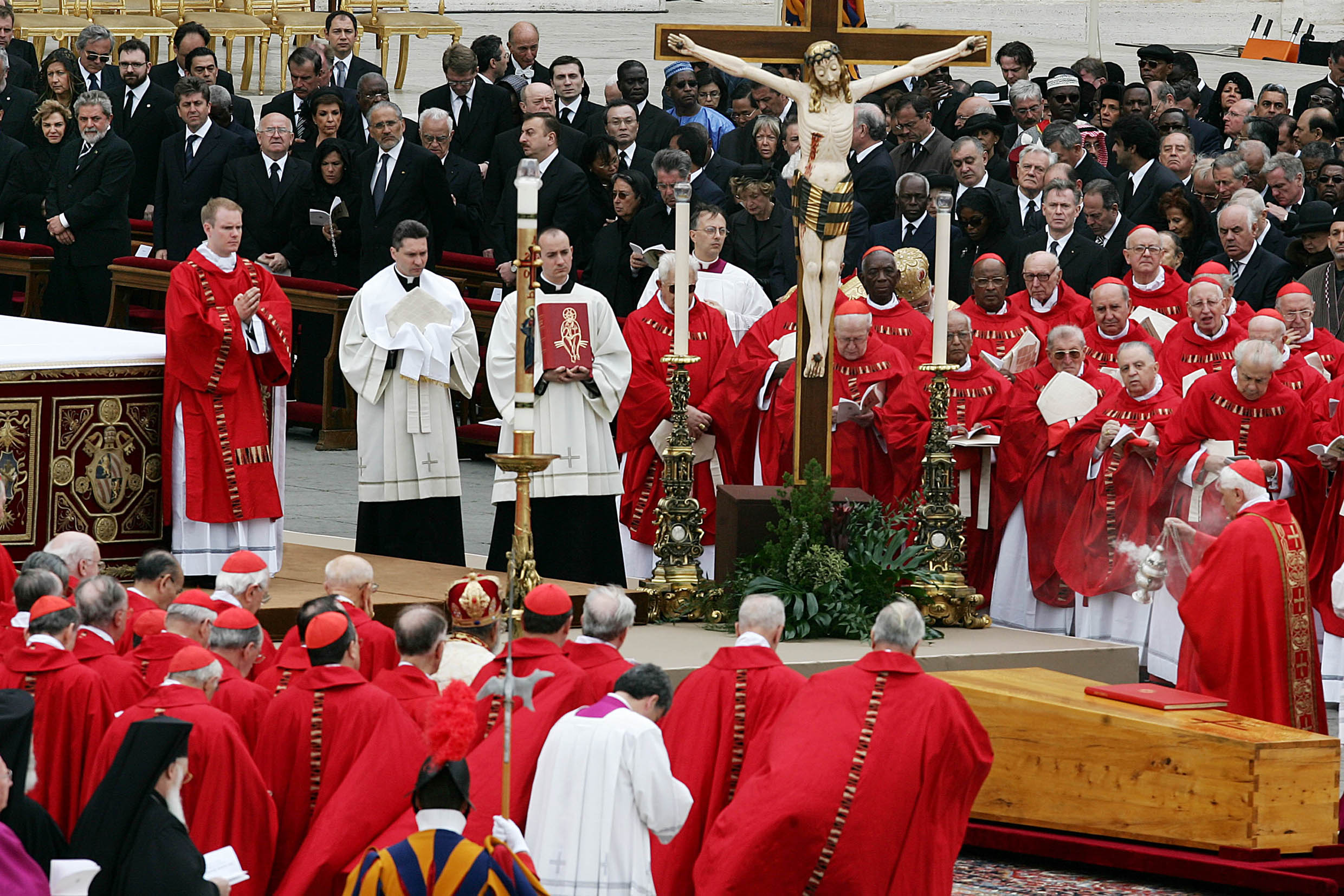
- Died on April 21 at 7:35 a.m. from a cerebral stroke and heart failure, as confirmed by Vatican doctor Andrea Arcangeli (Vatican News).
His death shocked the world, with 25,000 people visiting St. Peter’s Square to pay respects within days (ABC News). Yet, it also sparked renewed interest in an ancient prophecy tying his passing to apocalyptic events.
The Prophecy of the Popes: Origins and Claims
The Prophecy of the Popes is a list of 112 cryptic Latin phrases, allegedly written by Saint Malachy, a 12th-century Irish bishop, after a vision in Rome in 1139. Discovered in 1595 by Benedictine monk Arnold de Wyon in the Vatican Secret Archives, it describes each pope from Celestine II (1143) to a final figure, “Peter the Roman.”
- Core Elements:
- Lists 112 mottos, each linked to a pope’s characteristics or reign.
- Final entry: “In the final persecution of the Holy Roman Church there will reign Peter the Roman, who will feed his flock amid many tribulations, after which the seven-hilled city will be destroyed and the dreadful Judge will judge the people. The End.”
- “Seven-hilled city” is widely interpreted as Rome, suggesting its destruction.
- Modern Interpretations:
- Some claim Pope Francis, the 111th pope, fulfills the motto “Glory of the Olive,” linked to the Benedictine order’s olive symbol.
- The next pope, “Peter the Roman,” could be a figure like Peter Erdő (Hungary), Peter Turkson (Ghana), or Pietro Parolin (Italy) (Daily Mail).
- A calculation from Pope Sixtus V’s reign (1585) suggests Judgment Day in 2027, 442 years later (Times Now).
- Historical Context:
- The prophecy’s early mottos (up to 1590) align closely with historical popes, but later ones are vague.
- Examples: Pope John Paul II’s motto, “Eclipse of the Sun,” ties to his birth during a solar eclipse; Pope Benedict XVI’s “Glory of the Olive” connects to his Benedictine ties.
The prophecy’s prediction of a 2027 end has fueled speculation, especially given global tensions and Pope Francis’s death. But its credibility is heavily debated.
Controversies: A Forgery or Divine Vision?
The Prophecy of the Popes is not universally accepted. Scholars and the Catholic Church raise significant doubts about its authenticity and relevance.
- Scholarly Criticism:
- Many experts believe the prophecy is a 16th-century forgery, possibly created to sway papal elections.
- The first 74 mottos (pre-1590) are accurate, but later ones are ambiguous, suggesting post hoc manipulation (Times Now).
- Its late discovery in 1595, centuries after Malachy’s death, raises suspicions.
- Catholic Church’s Position:
- The Church does not recognize the prophecy as legitimate.
- Biblical scripture, such as Matthew 24:36 (“But of that day and hour no one knows…”), warns against predicting the end times.
- No official Vatican statement addresses the prophecy post-Francis’s death, focusing instead on his legacy (Vatican News).
- Cultural Impact:
- The prophecy appears in fiction, like Steve Berry’s The Third Secret and James Rollins’ The Doomsday Key, blending fact and fantasy.
- Its mystique persists, despite scholarly dismissal, due to its apocalyptic allure.
These controversies suggest the prophecy is more a historical curiosity than a reliable predictor. Yet, its resurgence shows humanity’s fascination with end-times narratives.
Public Reaction: Fascination and Skepticism
Pope Francis’s death has triggered a global conversation, amplified by social media and news outlets. Here’s how people are responding:
- Social Media Buzz:
- X posts discuss #DoomsdayProphecy and #PeterTheRoman, with some users predicting apocalyptic events and others debunking the prophecy.
- Example: A viral X post claimed, “2027 is coming—prepare for Judgment Day,” countered by replies urging calm and reason.
- Global Sentiment:
- In Catholic-majority nations like Italy and Brazil, mourning mixes with curiosity about the prophecy.
- Secular audiences view it as a cultural phenomenon, akin to past predictions like the Mayan 2012 calendar.
- Expert Perspectives:
- Historians like Sister Madeleine Grace, a historical theologian, argue the prophecy is a 16th-century fabrication (Daily Mail).
- Theologians emphasize faith in scripture over speculative texts, urging focus on Pope Francis’s message of peace.
The public’s mixed reactions reflect a broader tension between fear of the unknown and rational skepticism. Past doomsday predictions, like Y2K, have faded without fulfillment, suggesting caution.
The Catholic Church’s Future: A New Pope and Beyond
With Pope Francis’s death, the Church enters an interregnum, a transitional period before a new pope is elected. Here’s what lies ahead:
- Conclave Process:
- Begins 15-20 days after the pope’s death, involving cardinals under 80.
- Requires a two-thirds majority to elect a new pope, held in the Sistine Chapel (Daily Mail).
- The Camerlengo, a Vatican official, oversees the transition, confirming the pope’s death.
- Potential Candidates:
- Peter Erdő (Hungary): A conservative with strong European ties.
- Peter Turkson (Ghana): Known for social justice advocacy.
- Pietro Parolin (Italy): An experienced Vatican diplomat.
- The prophecy’s “Peter the Roman” reference heightens interest in these names.
- Challenges for the Next Pope:
- Addressing Vatican reforms, global conflicts, and declining church attendance.
- Navigating speculation about the prophecy while maintaining unity.
- Building on Pope Francis’s legacy of inclusivity and dialogue.
The new pope’s leadership will shape the Church’s role in a polarized world. While the prophecy adds intrigue, it’s unlikely to influence the conclave’s decision.
Nostradamus and Other Prophecies
Beyond Malachy’s prophecy, others have been linked to Pope Francis’s death. French astrologer Nostradamus, in his 1555 book Les Prophéties, predicted the death of an “old pontiff” and a weakening of the Catholic Church (Daily Mail).
- Nostradamus’s Claims:
- Foretold “cruel wars,” natural disasters, and a papal death.
- His vague predictions are often retrofitted to events, reducing their reliability.
- Example: “Through the death of a very old Pontiff… a Roman of good age will be elected.”
- Skepticism:
- Like Malachy’s prophecy, Nostradamus’s writings are ambiguous and lack Church endorsement.
- Scholars view them as historical texts, not divine revelations.
These additional prophecies add to the speculative atmosphere but share the same credibility issues as Malachy’s text.
Practical Insights: How to Approach This Moment
As you process these events, consider these actionable steps:
- Stay Informed:
- Follow reputable sources like Vatican News or Reuters for updates on the conclave and Church developments.
- Avoid sensationalist media that amplifies unverified claims.
- Reflect Critically:
- Question apocalyptic predictions, especially those lacking scholarly or Church support.
- Read Matthew 24:36 to understand the biblical stance on end-times predictions.
- Focus on Legacy:
- Honor Pope Francis’s call for peace and compassion in your community.
- Engage in interfaith or social justice initiatives inspired by his work.
By grounding yourself in facts and faith, you can navigate this period with clarity and purpose.
Table: Key Facts About the Prophecy of the Popes
| Aspect | Details |
|---|---|
| Origin | Attributed to Saint Malachy, 12th-century Irish bishop, written in 1139. |
| Discovery | Found in 1595 by Arnold de Wyon in Vatican Secret Archives. |
| Content | 112 Latin mottos describing popes from Celestine II to “Peter the Roman.” |
| Final Prediction | “Peter the Roman” leads during turmoil, Rome destroyed, Judgment Day in 2027. |
| Controversy | Scholars suspect 16th-century forgery; Church does not endorse. |
| Biblical Caution | Matthew 24:36 warns against predicting the end times. |
Looking Ahead: Faith Over Fear
Pope Francis’s death and the Prophecy of the Popes have created a moment of reflection and speculation. While the prophecy’s apocalyptic vision is compelling, its questionable origins and lack of Church support suggest it’s more myth than reality. The Catholic Church, with 1.4 billion followers, will move forward with a new pope, continuing its mission of faith and service.
Ask yourself: does an ancient text hold the key to the future, or should we focus on the present, inspired by Pope Francis’s legacy? The evidence points to the latter. Embrace this time to reflect on compassion, unity, and reason, rather than fear of an uncertain end.
Key Citations:
Doomsday fanatics point to 12th-century prophecy
900-year-old Vatican doomsday prophecy resurfaces amid Pope Francis’s illness
Is Pope Francis the last pope? His death sparks renewed interest
Thousand-year-old prophecy predicts next pope after Francis dies
Pope Francis’s pontificate of peace, for peace
Pope Francis live updates: Vatican may extend hours to pay respects
Nostradamus’s eerie 16th-century prediction about the Pope
About The Author