
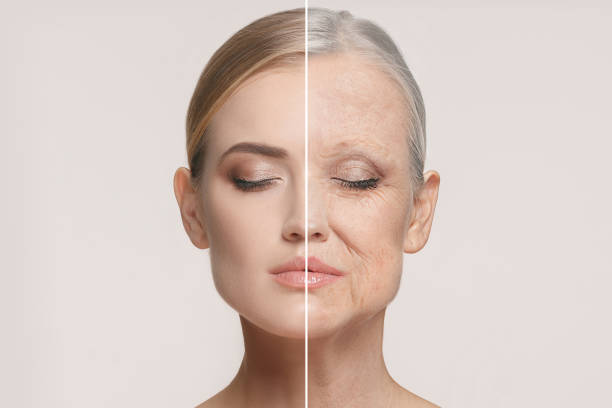
Aging is no longer an irreversible process. Scientists are uncovering ways to extend human lifespan and reverse aging at the cellular level. Advances in biotechnology and artificial intelligence (AI) are pushing the boundaries of what was once thought impossible. Researchers predict that by 2030, anti-aging interventions could significantly increase the average human lifespan beyond 100 years.
The Science Behind Aging
Aging results from accumulated cellular damage. Key factors include:
- DNA Damage: Mutations and breaks in DNA lead to cellular dysfunction. Studies show that human cells accumulate around 50–200 mutations per cell per year.
- Telomere Shortening: Chromosomes degrade as cells divide, causing aging. A study in Nature found that critically short telomeres lead to senescence, increasing disease risk.
- Senescence: Old cells stop dividing and release harmful molecules. Around 10% of the cells in an aging human body are senescent.
- Mitochondrial Dysfunction: Energy production declines, leading to age-related diseases. Mitochondria generate 90% of the body’s energy, but their efficiency decreases over time.
- Epigenetic Changes: Gene expression shifts over time, disrupting biological functions. The Horvath Clock estimates biological age based on DNA methylation levels.
Cutting-Edge Approaches to Extending Lifespan
1. Gene Editing and Cellular Reprogramming
CRISPR and other gene-editing tools allow scientists to repair genetic defects and enhance longevity.
- Yamanaka Factors (OCT4, SOX2, KLF4, and c-MYC) reverse aging in mice, restoring youthful function. A 2020 study demonstrated a 30% lifespan extension in mice treated with partial reprogramming.
- Partial Reprogramming resets epigenetic markers without damaging cellular identity. The Salk Institute reported that reprogrammed cells regain youthful characteristics.
- Harvard Study (2023): Researchers rejuvenated old mice, improving their muscle and brain function (source).
2. Senolytics: Removing Aged Cells
Senescent cells contribute to inflammation and disease. Senolytics are drugs that target and eliminate these cells.
- Dasatinib and Quercetin: Shown to improve lifespan in mice by 36%.
- UNITY Biotechnology: Developing therapies to clear senescent cells, potentially reversing age-related decline.
- Human Trials (2024): Studies indicate reduced frailty and improved organ function.
3. AI-Driven Drug Discovery
AI is accelerating the identification of anti-aging compounds.
- DeepMind’s AlphaFold predicts protein structures to develop precision drugs.
- Insilico Medicine: Uses AI to design molecules that extend lifespan (source).
- Calico Labs (Google-backed): Applying machine learning to slow aging at the cellular level.
4. Epigenetic Therapies
Reversing age-related epigenetic changes restores youthful function.
- TET Enzymes: Rejuvenate old cells by erasing harmful epigenetic markers.
- Horvath Clock: Measures biological age to assess therapy effectiveness.
- Rejuvenate Bio: Uses epigenetic reprogramming to extend animal lifespan.
5. NAD+ and Metabolic Boosters
Declining NAD+ (Nicotinamide Adenine Dinucleotide) levels are linked to aging.
- NMN and NR Supplements restore NAD+ levels, improving mitochondrial function.
- David Sinclair’s Research: Demonstrated extended lifespan in mice via NAD+ precursors (source).
Age Reversal Techniques
1. Stem Cell Therapy
Stem cells regenerate tissues and repair damage.
- Mesenchymal Stem Cells (MSCs): Used for regenerating joints, skin, and organs.
- Clinical Trials: Indicate improved heart and lung function in elderly patients.
2. Plasma Exchange
Young blood transfusions have shown promise in reversing aging markers.
- Parabiosis Studies: Young blood rejuvenates older mice.
- Stanford’s AMBAR Trial: Found cognitive improvements in Alzheimer’s patients after plasma exchange.
3. Rapamycin and mTOR Inhibition
Rapamycin extends lifespan by modulating the mTOR pathway, which regulates cell growth.
- Mice Studies: Lifespan extended by 20–30%.
- Human Trials: Indicate improved immune function and reduced aging markers.
The Role of AI in Longevity Research
AI accelerates the discovery of new treatments by:
- Identifying age-related biomarkers.
- Predicting personalized anti-aging interventions.
- Optimizing clinical trials for faster results.
Longevity startups using AI:
- BioAge: Uses AI to identify longevity genes.
- Gero.ai: Predicts aging trajectories and designs interventions.
- Juvenescence: Develops AI-driven anti-aging compounds.
Practical Steps to Slow Aging Today
While cutting-edge therapies advance, you can take actionable steps now:
- Exercise Regularly: Resistance training maintains muscle mass and reduces biological age.
- Optimize Diet: Caloric restriction and intermittent fasting enhance longevity. The National Institute on Aging found a 25% lifespan increase in calorie-restricted primates.
- Improve Sleep: Deep sleep regulates cellular repair. A JAMA Neurology study found that poor sleep increases Alzheimer’s risk by 30%.
- Reduce Stress: Meditation and mindfulness lower inflammation.
- Monitor Biomarkers: Track biological age with epigenetic and metabolic testing.
Future Outlook
- Biotech companies are racing to commercialize age-reversal therapies.
- AI integration will refine personalized longevity plans.
- Regulatory approvals may pave the way for mainstream adoption of anti-aging interventions.
The quest for longevity is accelerating. Biotechnology and AI are unlocking solutions that could redefine human aging. The goal is not just living longer but living healthier. The future of age reversal is here—will you be ready to embrace it?
About The Author


