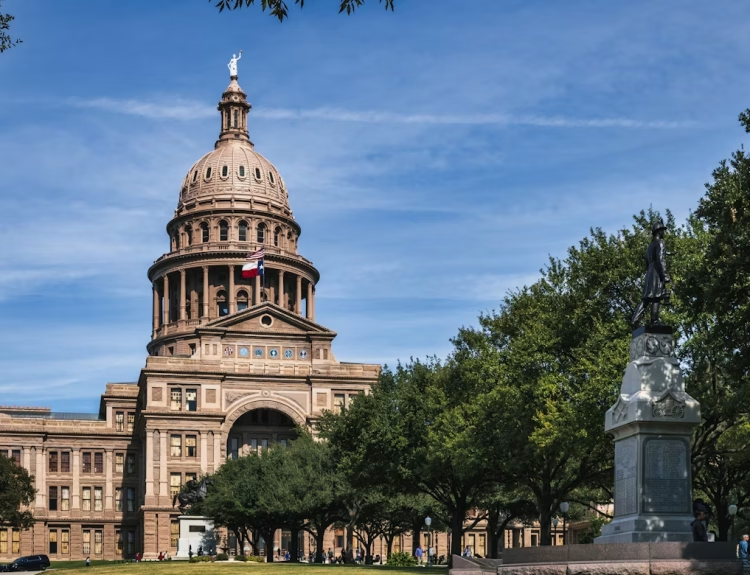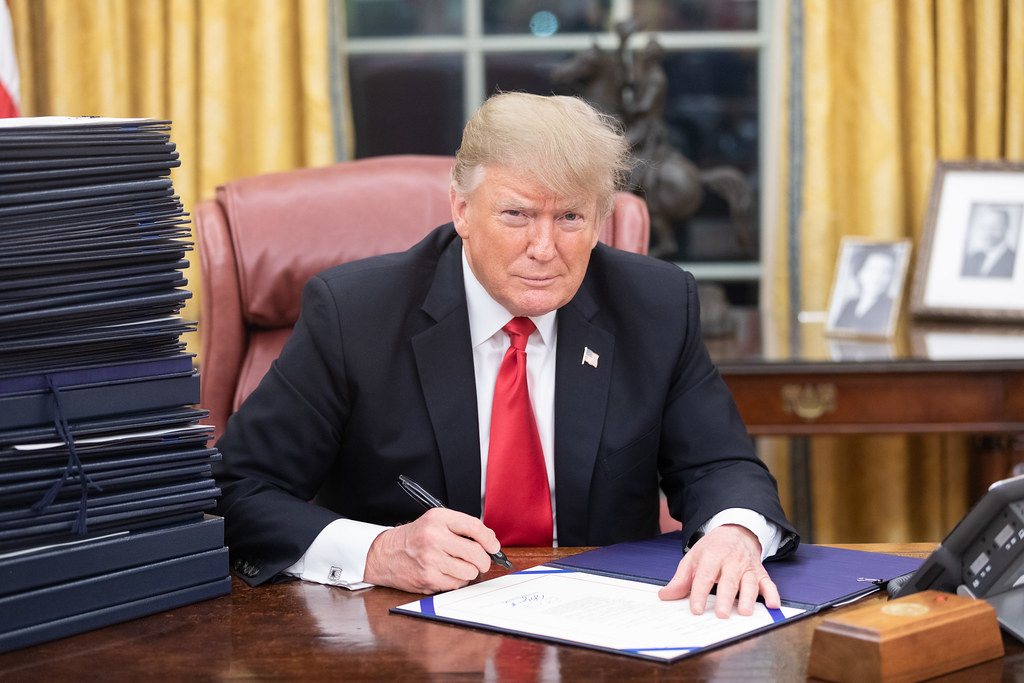
The world is a complex, interconnected ecosystem, and leadership in the United States often reverberates across continents, shaping economic policies, geopolitical strategies, and even cultural narratives. With Donald Trump poised to take the oath of office in 2025, the global landscape stands on the precipice of significant changes. The following analysis dives into ten critical areas where his presidency is likely to have far-reaching implications, underpinned by data, historical context, and expert predictions.
1. Economic Policies and Global Trade Dynamics
One of Trump’s hallmark policies during his first term was his “America First” approach, which included renegotiating trade deals, imposing tariffs, and withdrawing from multilateral agreements like the Trans-Pacific Partnership (TPP). His return to office raises questions about global trade stability.
For instance, the U.S.-China trade war, marked by tariffs on billions of dollars’ worth of goods, cost the global economy an estimated $850 billion by 2020 (source). A renewed focus on tariffs could exacerbate supply chain issues, already strained by the COVID-19 pandemic and geopolitical tensions.
2. Climate Policy Reversal
During his first term, Trump withdrew the U.S. from the Paris Agreement, arguing that it disadvantaged American businesses. His return could signal a rollback of current climate initiatives, potentially impacting international efforts to combat climate change.
According to the United Nations, the world must cut emissions by 45% by 2030 to limit global warming to 1.5°C (source). If the U.S. reduces its participation in global climate agreements, it could hinder these targets, particularly as the U.S. accounts for 15% of global carbon emissions.
3. Shifting Alliances in Global Geopolitics
Trump’s foreign policy often favored bilateral agreements over multilateral collaborations, weakening institutions like NATO. His criticism of allied countries’ defense spending led to uncertainty about U.S. commitments abroad.
Analysts at the Council on Foreign Relations suggest a potential withdrawal or reduction of U.S. involvement in NATO could embolden adversaries like Russia, especially in regions such as Eastern Europe. This would alter the balance of power and potentially destabilize areas that rely on NATO’s collective security.
4. Middle East Relations
The Trump administration brokered the Abraham Accords, normalizing relations between Israel and several Arab nations. However, its stance on Iran, marked by the withdrawal from the Joint Comprehensive Plan of Action (JCPOA), escalated tensions in the region. A renewed presidency could amplify these policies, with implications for global oil markets and security.
OPEC data highlights that the Middle East holds nearly 50% of the world’s proven oil reserves (source). Any instability in this region could lead to volatile energy prices, affecting economies worldwide.
5. Immigration Policies and Their Global Ripple Effects
Trump’s hardline stance on immigration, including the “Muslim Ban” and stringent border control measures, had profound effects on global migration patterns. A resurgence of these policies could deter skilled workers, affect remittance flows, and exacerbate humanitarian crises.
The World Bank reports that global remittances amounted to $794 billion in 2022, with a significant portion originating from the U.S. (source). Restrictive immigration policies could disrupt these economic lifelines for developing nations.
6. Economic Inequality and Global Wealth Distribution
Tax cuts introduced during Trump’s first term disproportionately benefited corporations and high-income earners. According to the Tax Policy Center, the top 1% of earners saw their after-tax income increase by 2.9% in 2018, compared to 1.6% for the middle class (source).
This trend could widen global wealth disparities, as U.S. policies often influence financial markets and multinational corporations. Emerging economies reliant on U.S. investments may face challenges if capital inflows decline.
7. Technological Competition and Cybersecurity
Under Trump’s leadership, the U.S. blacklisted Chinese tech giants like Huawei, citing national security concerns. His reelection could intensify the U.S.-China tech rivalry, impacting global innovation and access to technology.
Gartner projects that global IT spending will reach $4.5 trillion in 2025 (source). Restrictions on technology sharing and cooperation could lead to fragmented digital ecosystems, delaying advancements in areas like 5G, AI, and quantum computing.
8. Public Health Policies with Global Implications
Trump’s handling of the COVID-19 pandemic was widely criticized for its emphasis on individual freedoms over public health mandates. A return to such policies could affect global pandemic preparedness and response coordination.
The World Health Organization (WHO) emphasizes the importance of international cooperation in managing health crises (source). A reduction in U.S. funding or support for WHO initiatives could weaken global health infrastructure.
9. Impact on International Education
Trump-era policies saw a decline in international student enrollment in the U.S., with numbers dropping by 15% from 2016 to 2019 (source). Stricter visa policies and a less welcoming environment could continue this trend, affecting global education networks and the U.S.’s reputation as a leader in higher education.
10. Polarization and Its Global Reflection
The polarization of U.S. politics under Trump’s leadership has inspired similar divides in other democracies. The rise of populist movements in Europe, Latin America, and Asia reflects the global resonance of America’s political climate.
A Pew Research Center study found that trust in the U.S. among global allies dropped significantly during Trump’s first term (source). The implications of this mistrust could hinder international collaborations on pressing issues like climate change, terrorism, and economic inequality.
Conclusion
As Donald Trump prepares to take the presidential oath in 2025, the global community braces for potential shifts across multiple dimensions. From trade and climate policies to geopolitical alliances and technological innovation, the ripple effects of his leadership will extend far beyond American borders. Navigating these changes requires informed dialogue, strategic partnerships, and a commitment to addressing shared challenges. Whether these impacts will ultimately be constructive or disruptive depends on the adaptability of nations, organizations, and individuals worldwide.
About The Author