
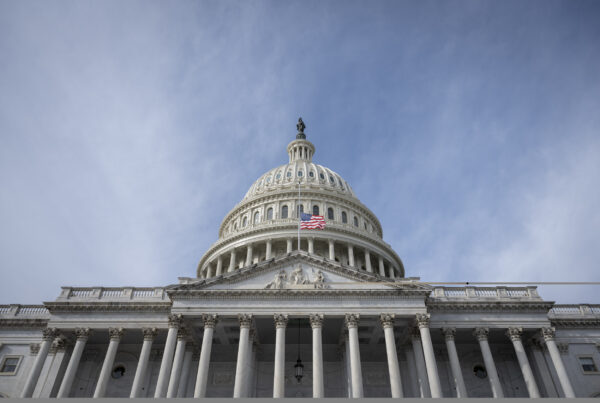
The 2024 U.S. government shutdown has been one of the most complex and divisive events in recent American political history. While much of the media focus has been on the financial and political repercussions, there are numerous other factors and nuanced reasons behind the shutdown that are often overlooked. This article will explore 10 lesser-known facts and deeper reasons that led to the 2024 U.S. government shutdown, shedding light on the intricate web of political, social, and economic elements that culminated in this crisis.
1. Influence of External Figures on Legislative Processes
One of the most surprising aspects of the 2024 government shutdown was the role of influential figures outside of traditional government structures. Former President Donald Trump and entrepreneur Elon Musk were vocal critics of the bipartisan funding bills being discussed in Congress. Both figures leveraged their substantial social media presence to rally support against the bills, urging their followers to oppose the funding deals. These public interventions had a far-reaching impact, as they not only swayed public opinion but also amplified partisan tensions, further complicating the legislative process.
Trump’s influence on the Republican party, combined with Musk’s appeal to a broader conservative base, put immense pressure on Republican lawmakers to reject the proposed funding bills. This kind of external influence in legislative matters is a relatively new dynamic in American politics, and its effect on the 2024 shutdown is a testament to the growing power of non-governmental figures in shaping policy debates.
2. Inclusion of Non-Fiscal Policy Riders in Funding Bills
The 2024 government shutdown was also fueled by contentious policy riders attached to the funding bills. While these bills are traditionally focused on fiscal matters, the inclusion of non-fiscal issues such as abortion rights, environmental regulations, and healthcare for transgender individuals created significant friction. Lawmakers, particularly Republicans, objected to these riders, claiming that they were unnecessary and divisive. The inability to agree on such unrelated issues led to a deadlock, preventing the passage of a crucial funding bill.
These policy riders are not new to U.S. politics, but their inclusion in this shutdown was particularly contentious. The combination of partisan ideologies and social issues made it nearly impossible for lawmakers to reach a compromise, prolonging the shutdown. The use of these riders highlights how modern political battles often extend beyond fiscal matters, involving deeply polarizing social and cultural issues.
3. Impact on Disaster Relief Efforts
The 2024 shutdown had immediate and severe consequences for disaster relief programs across the United States. With billions of dollars allocated for disaster recovery efforts, including rebuilding communities hit by hurricanes, wildfires, and flooding, the cessation of government functions delayed critical aid. This was particularly concerning for states like Florida, California, and Louisiana, where recovery efforts from recent natural disasters were already underway.
Approximately $100 billion in disaster relief was tied up in the budget dispute, leaving communities vulnerable and exacerbating hardships for thousands of families. The delayed funding meant that victims of these natural disasters faced additional setbacks in receiving aid, illustrating the human cost of political gridlock. The shutdown not only affected the lives of federal employees but also those relying on government assistance to rebuild their homes and businesses.
4. Economic Consequences Beyond Federal Employees
While furloughs of federal workers are often seen as the primary impact of a government shutdown, the 2024 event highlighted how deeply such shutdowns ripple through the private sector. Federal contractors, small businesses, and industries dependent on government operations found themselves at a standstill. Contracts were frozen, payments were delayed, and projects came to a halt, straining an already fragile economy.
This was particularly problematic for industries like defense, technology, and healthcare, where government contracts represent a significant portion of revenue. Small businesses that rely on timely federal payments faced cash flow issues, while larger contractors had to halt projects, leading to financial losses. This interconnectedness between federal operations and the private sector underscores the broader economic impact of a shutdown, far beyond the immediate furloughs of federal workers.
5. Historical Context of Debt Ceiling Debates
A key contributing factor to the 2024 government shutdown was the ongoing debate surrounding the U.S. debt ceiling. The debt ceiling, a statutory limit on the amount of money the U.S. government can borrow, has been a recurring issue in U.S. fiscal policy for decades. In 2024, debates over raising the debt ceiling were directly tied to the funding bills. Republican lawmakers, who had historically sought to attach spending cuts to any increase in the debt ceiling, pushed for drastic fiscal reforms. These debates created a standoff, as Democrats and Republicans could not agree on how to address the national debt while ensuring that essential services remained funded.
Historically, these debt ceiling debates have led to political gridlocks and government shutdowns, as both parties dig in their heels over fiscal policies. The 2024 shutdown was no different, with each side leveraging the debt ceiling debate to push for their own priorities. The continuing reliance on the debt ceiling as a political bargaining chip has contributed to the cyclical nature of shutdowns in recent years, complicating efforts to find long-term solutions to the nation’s fiscal challenges.
6. Continuation of Essential Services Amidst the Shutdown
While most federal government services were suspended during the shutdown, essential services continued, albeit with significant operational challenges. Social Security payments, military operations, and postal services were among the functions that remained operational. However, this continuity came at a cost: many essential workers, including those in law enforcement and healthcare, were either asked to work without pay or were severely understaffed.
The continuation of essential services underscores the complexity of a government shutdown, where even though certain operations are deemed “essential,” they still face significant disruptions. Workers in these areas were often left in difficult positions, struggling to maintain the quality of services while dealing with the financial uncertainty of unpaid work. This situation raised questions about the sustainability of relying on essential workers to bear the burden of a shutdown.
7. Political Dynamics Within the Republican Party
The 2024 shutdown was also a result of deep divisions within the Republican Party. The party’s internal dynamics, particularly the struggle between the more conservative wing and the moderate faction, played a significant role in the breakdown of negotiations. Hard-right conservatives, influenced by figures like Trump, were unwilling to compromise on key budgetary issues, demanding steep cuts to social programs and restrictions on federal spending.
At the same time, moderate Republicans, who were more willing to negotiate with Democrats, faced mounting pressure from their more conservative colleagues, making it difficult to reach a consensus. This division within the party was not only a cause of the shutdown but also an indication of the shifting power dynamics within the Republican Party itself. The growing influence of populist, right-wing factions has increasingly shaped the party’s stance on fiscal matters, often to the detriment of compromise and governance.
8. Public Perception and Media Influence
The role of media, particularly social media, in shaping public perception of the shutdown cannot be overstated. Misinformation, sensationalized headlines, and partisan narratives fueled public outrage and pressure on lawmakers. Both sides of the political spectrum used media platforms to advance their views, often distorting the facts to rally support or blame the opposition.
The influence of social media in modern political discourse has made it more difficult for legislators to maintain neutrality or engage in bipartisan cooperation. Public opinion, swayed by viral misinformation and polarizing media coverage, put additional pressure on lawmakers to take hardline stances rather than seek middle-ground solutions. The 2024 shutdown was as much a product of media dynamics as it was a consequence of fiscal mismanagement, illustrating the growing role of digital platforms in contemporary governance.
9. Long-Term Implications for Federal Budgeting Practices
The 2024 shutdown revealed systemic issues in the federal budgeting process, particularly the reliance on continuing resolutions and last-minute funding deals. This approach, which has been common in recent years, prevents long-term planning and creates a cycle of uncertainty for federal agencies. The inability to pass comprehensive, timely budgets has become a hallmark of U.S. fiscal policy, leading to instability and inefficiency in government operations.
The shutdown served as a stark reminder of the need for reform in how the government approaches budgeting. Rather than relying on temporary fixes and stopgap measures, there is a growing call for a more predictable and transparent budgeting process that can withstand partisan gridlock. Such reforms would provide greater certainty for federal agencies and contractors, allowing for more effective long-term planning and better outcomes for the American public.
10. Lessons Learned and Prospects for Future Governance
The 2024 government shutdown provides valuable lessons about the fragility of the U.S. political system and the challenges of modern governance. As political polarization continues to deepen, the ability to find common ground and engage in productive dialogue has become increasingly difficult. External influences, social media dynamics, and internal party divisions all play a role in shaping the legislative process, complicating efforts to achieve consensus.
Moving forward, the U.S. must confront the underlying issues that contribute to these shutdowns. This includes addressing the deepening partisan divide, reforming the budgeting process, and finding ways to reduce the influence of external actors in policy debates. Only through comprehensive, long-term reforms can the U.S. hope to avoid future shutdowns and ensure a more stable and effective government.
Conclusion
The 2024 U.S. government shutdown was not merely a result of a budget impasse but a complex confluence of political, economic, and social forces. From the influence of non-governmental figures to the inclusion of controversial policy riders, the shutdown revealed the deep fractures within U.S. politics. As the country moves forward, understanding these lesser-known factors will be crucial in addressing the root causes of government gridlock and ensuring that future shutdowns are avoided.
About The Author


