
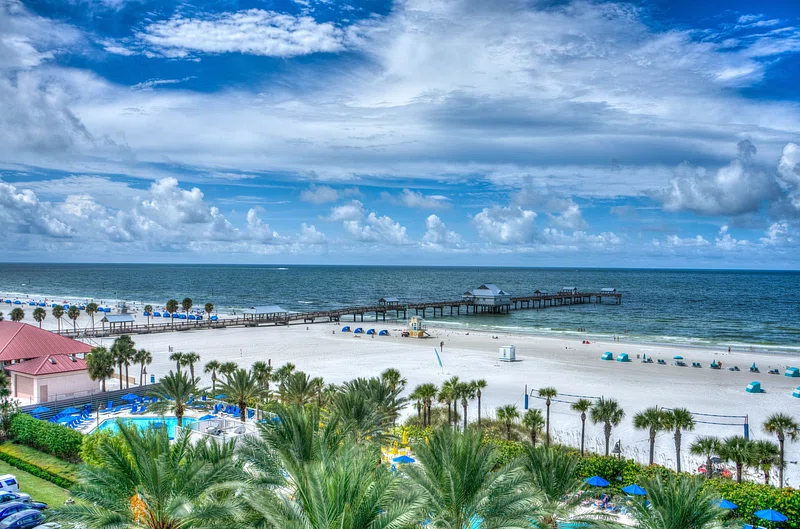
Florida, often referred to as the Sunshine State, has long been a top destination for retirees. With its warm climate, no state income tax, and abundance of recreational opportunities, it’s easy to see why. But with so many options, how do you choose the best cities and towns for retirement? In this article, we’ll explore the best cities to retire in Florida, highlighting the most sought-after retirement areas in the state. Whether you’re looking for a bustling city with endless amenities or a quieter town to enjoy your golden years, Florida has something to offer.
Why Florida Is a Top Destination for Retirees
Before diving into the specifics, let’s take a quick look at why Florida is so appealing to retirees. For starters, Florida’s climate is ideal for those who prefer warm weather year-round. The state offers beautiful beaches, excellent healthcare facilities, and a variety of recreational activities that cater to an active lifestyle. Additionally, Florida’s lack of a state income tax makes it a tax-friendly option for retirees.
With more than 5,400 retirees moving to Florida each day, the state continues to be a popular choice. But with so many best places for retirees in Florida, choosing the right location can be overwhelming. Let’s break down the best places in Florida for retirees to make your decision easier.
1. Naples: A Luxury Retirement Destination
Known for its pristine beaches and high-end shopping, Naples is a top choice for retirees who want to enjoy luxury and leisure. The city boasts some of the best places in Florida for retirees, with plenty of golf courses, nature preserves, and art galleries to explore. Naples also has a vibrant downtown with dining, shopping, and cultural events. The cost of living here is higher than some other areas in Florida, but it’s well worth it for those seeking an upscale lifestyle.
2. Sarasota: Cultural Hub with a Relaxed Atmosphere
If you love the arts and culture, Sarasota might be the perfect place to retire. This city is known for its world-class museums, theaters, and galleries. Sarasota is also home to beautiful beaches like Siesta Key, which is often ranked as one of the best beaches in the U.S. Sarasota offers a variety of retirement communities in Florida for those looking to live in a more active and social environment. The city’s blend of culture and natural beauty makes it one of the best retirement areas in Florida.
3. Tampa: Big City Amenities with a Small-Town Feel
As one of the best cities for retirees in Florida, Tampa combines the convenience of a big city with a laid-back, small-town atmosphere. With its thriving job market, modern healthcare facilities, and proximity to beautiful beaches, Tampa is ideal for retirees who want access to big-city amenities without sacrificing peace and quiet. From the Riverwalk to the historic Ybor City district, Tampa offers plenty to explore.
4. The Villages: A Popular Retirement Community
For those looking to settle into a vibrant retirement community, The Villages is one of the best retirement locations in Florida. Known for its vast network of golf courses, pools, and recreational activities, this massive retirement community provides everything you need in one place. It’s perfect for active retirees looking for a social lifestyle and a wide range of activities. Whether you enjoy tennis, golf, or fitness classes, The Villages offers a robust schedule of events and amenities.
5. Fort Myers: Affordable Retirement with Beautiful Beaches
If you’re looking for an affordable place to retire in Florida, Fort Myers is a hidden gem. Located along the Gulf Coast, Fort Myers is known for its beautiful beaches, relaxed vibe, and low cost of living. The city has a variety of best places in Florida for retirees, with numerous retirement communities offering an active lifestyle. Fort Myers also has excellent healthcare options, making it an attractive destination for retirees who want to enjoy their golden years without breaking the bank.
6. Orlando: Thriving Tourist Destination
Known for Walt Disney World and other major attractions, Orlando is more than just a tourist destination. It’s also one of the best places in Florida for retirees. The city offers a mix of cultural events, dining, shopping, and outdoor activities. Orlando’s large population of retirees means there are many specialized services and communities catering to older adults. The city’s diverse options make it ideal for retirees who want to enjoy both adventure and relaxation.
7. St. Augustine: Historic Charm with Southern Hospitality
For retirees seeking history and charm, St. Augustine is a standout option. As the oldest city in the U.S., St. Augustine offers rich history, cobblestone streets, and plenty of sightseeing opportunities. The city is also known for its cultural attractions and beautiful beaches. The cost of living in St. Augustine is relatively low, making it an affordable option for retirees looking for the best towns in Florida to retire.
8. Key West: Tropical Paradise for Relaxed Living
For those dreaming of a tropical paradise, Key West is one of the best places in Florida for retirees. With its laid-back atmosphere, gorgeous sunsets, and oceanfront views, Key West offers a truly unique retirement experience. While the cost of living is on the higher side, the appeal of island living in this beautiful destination makes it one of the best retirement areas in Florida.
9. Miami: Vibrant City Life and Diverse Culture
Miami is a vibrant, cosmopolitan city that offers an exciting retirement lifestyle. Whether you’re looking for world-class restaurants, exciting nightlife, or cultural experiences, Miami has it all. The city is one of the best Florida cities to retire in, especially for those who thrive in an urban environment. Miami also offers a wide range of retirement communities, catering to different lifestyles and needs.
10. Port St. Lucie: Growing Community with Great Healthcare
Port St. Lucie has emerged as one of the best places in Florida for retirees due to its growing popularity and strong healthcare infrastructure. The city is home to numerous retirement communities in Florida, providing easy access to golf courses, parks, and more. With a relatively low cost of living, Port St. Lucie offers an affordable, high-quality lifestyle for retirees.
11. Destin: A Relaxed Beach Town for Peaceful Living
Located along Florida’s Emerald Coast, Destin offers breathtaking beaches, stunning sunsets, and a quiet atmosphere perfect for retirees seeking a slower pace of life. As one of the best places for retirees in Florida, Destin has a variety of retirement communities designed to cater to an active lifestyle. With its small-town feel and access to world-class fishing and water activities, Destin is an ideal choice for those who love coastal living.
12. Clearwater: Pristine Beaches and an Active Lifestyle
Clearwater is known for its beautiful beaches, excellent weather, and vibrant arts scene. Clearwater Beach is often rated as one of the top beaches in the U.S., making it an excellent spot for retirees who enjoy the outdoors. Clearwater offers a variety of best towns in Florida to retire, from active adult communities to quiet neighborhoods. The city also boasts great healthcare facilities and a relatively low cost of living compared to other coastal cities in Florida.
13. Boca Raton: Upscale Living with a Relaxed Atmosphere
For retirees seeking luxury without the hustle and bustle of Miami, Boca Raton is a top choice. Known for its upscale living, top-rated golf courses, and cultural attractions, Boca Raton offers the perfect blend of relaxation and sophistication. The city is home to several best cities for retirees in Florida, with abundant options for golf, shopping, and dining.
14. Gainesville: Affordable Living with Access to Nature
Home to the University of Florida, Gainesville offers retirees access to a college-town atmosphere with affordable housing, excellent healthcare, and plenty of outdoor activities. With its proximity to natural parks, lakes, and trails, Gainesville is one of the best places to retire in Florida for nature lovers. The city also has a low cost of living, making it a great option for retirees on a budget.
15. Palm Coast: Quiet Living Near the Ocean
If you prefer a quieter, more peaceful environment, Palm Coast could be one of the best retirement locations in Florida for you. Situated along the Atlantic Ocean, Palm Coast offers easy access to beaches, parks, and nature preserves. The city’s low crime rate, affordable housing, and mild climate make it an ideal place to enjoy retirement in peace.
16-25. Other Top Retirement Destinations in Florida
In addition to the cities mentioned above, there are many more best places in Florida for retirees, including:
- St. Petersburg: A coastal city with a rich arts scene and vibrant downtown.
- Vero Beach: A charming, upscale coastal town with beautiful beaches.
- Tallahassee: Florida’s capital, offering a blend of culture and southern charm.
- Jacksonville: A larger city with beautiful parks and beaches.
- Lakewood Ranch: A master-planned community with a focus on healthy living.
- Winter Haven: A smaller town known for its theme parks and lakes.
- Palm Beach: An upscale area perfect for retirees seeking luxury and relaxation.
- Daytona Beach: Known for its motor sports and beautiful coastline.
- Cocoa Beach: A relaxed, beachside town with a strong sense of community.
- Ocala: A rural area with beautiful horse farms and a slower pace of life.
Conclusion
Choosing the best place to retire in Florida depends on your personal preferences and lifestyle. Whether you’re looking for an active community, a peaceful beach town, or a city with plenty of amenities, Florida offers something for everyone. From the world-class amenities in cities like Sarasota and Miami to the relaxed atmosphere of small towns like Destin and Palm Coast, Florida has earned its place as one of the best states to retire in. Take your time exploring these options and find the perfect fit for your retirement lifestyle.
About The Author


