Image courtesy Vanity Fair
Saltburn: A Disturbing Psychological Thriller
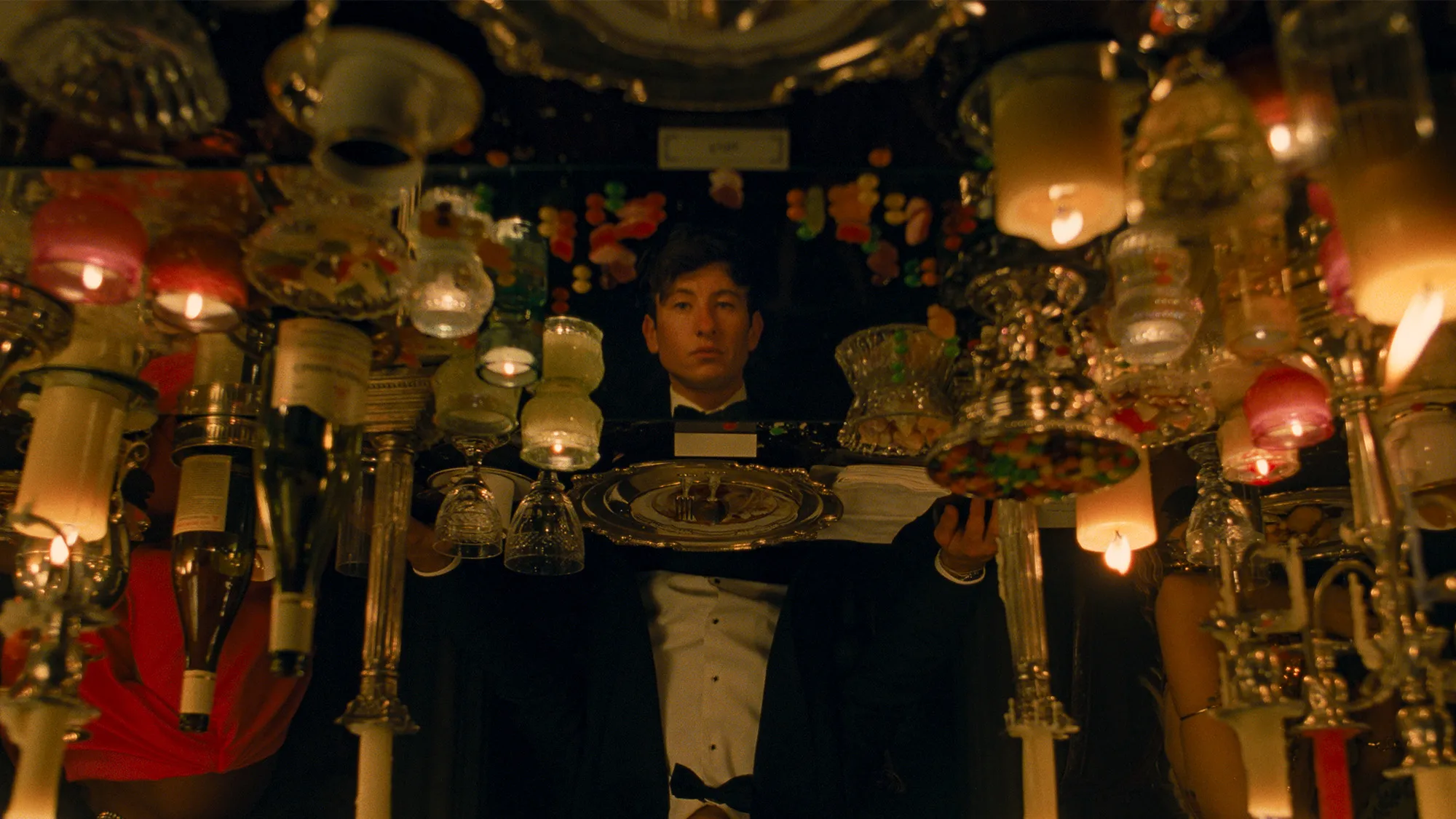
Emerald Fennell’s latest film Saltburn has been making waves since its premiere at the Telluride Film Festival. This dark comedy psychological thriller traces the disturbing obsession of Oliver Quick, a lower-class scholarship student at Oxford, with his charismatic, aristocratic friend Felix Catton. When Felix invites Oliver to spend the summer at his family’s lavish country estate, Saltburn, Oliver becomes increasingly unhinged and wreaks havoc on the Catton family.
While critics have praised the film for its biting social commentary and stunning visuals, Saltburn certainly doesn’t shy away from its more disturbing elements. Here are 5 of the most unsettling facts about this buzzworthy new release:
- The explicit scenes push boundaries
Saltburn features several sexually explicit scenes that have generated controversy. Perhaps the most shocking involves Oliver lustfully drinking Felix’s semen-filled bathwater after secretly watching him masturbate. The film also shows Oliver performing oral sex on Felix’s sister Venetia while she is menstruating. While intended to underline Oliver’s obsessive desires, these graphic moments have been criticized as gratuitous by some viewers. Nonetheless, they are difficult to forget.
- It draws from real-life killings
In interviews, director Emerald Fennell has cited the shocking murder of British student Meredith Kercher as an inspiration for the film. Kercher was killed in Perugia, Italy in 2007 by American student Amanda Knox and two other acquaintances. The brutal crime and subsequent media frenzy clearly influenced Fennell, as she sought to explore themes of obsession and privilege. By evoking such a well-known real case, Saltburn adds an extra layer of horror for audiences.
- The ending is utterly chilling
Saltburn builds to a twist ending that provides shudder-inducing confirmation of Oliver’s sociopathic tendencies. In the final scenes, he confesses to cold-bloodedly orchestrating the demise of nearly all the Cattons to inherit their home and fortune. He even admits to forcibly removing Lady Elspeth’s ventilator to speed her death from illness. Oliver is then shown dancing naked and deranged around Saltburn – his psychosis now entirely unchecked. This ending provides bone-chilling proof of his remorseless scheming.
- It is likely inspired by grisly Greek myths
Reviews have noted parallels between Saltburn and ancient Greek myths, especially the story of Clytemnestra, who killings her husband Agamemnon as an act of vengeance. Like Oliver, Clytemnestra worms her way into a royal household before brutally turning on her hosts. By aligning Oliver with such an archetypal story of betrayal, the film taps into primal fears about corrupted hospitality and misplaced trust in outsiders.
- The storyboard artist quit due to disturbing content
In one alarming production tidbit, it was revealed that Saltburn’s original storyboard artist quit midway through his work, with a source citing “creative differences.” This suggests that the disturbing subject matter already evident in Fennell’s script further manifested itself in early planning materials. While the specific disagreements remain undisclosed, it’s clear that Saltburn’s provocative imagery taxed even industry professionals. This behind-the-scenes drama highlights the film’s commitment to its unsettling vision.
In the end, while Saltburn has captivated many critics and filmgoers, its overtly adult content and nihilistic outlook certainly make for an intense viewing experience. Those disturbed by sexually charged violence, mental instability, and grim commentary on society’s ills will likely find this film takes them out of their comfort zone. Yet Saltburn’s fearless engagement with society’s dark side has struck a chord in our current cultural moment. Love it or hate it, this movie gets under your skin and into your head.
About The Author